
Quick answer: Automated restocking triggers prevent lost sales by proactively managing inventory levels for high-margin consumer goods, ensuring products are always available when customers want to buy them. These systems use real-time information and set limits to automatically kick off replenishment orders, getting rid of stockouts and boosting sales potential.
Key Takeaways
- Stockouts of high-margin goods mean a big hit to revenue and unhappy customers.
- Automated restocking systems use real-time sales data and smart predictions to keep just the right amount of stock.
- These triggers really cut down on manual errors, saving time and operational costs.
- For it to work well, you need accurate data, solid forecasting, and smooth connection with your existing supply chain platforms.
- Businesses can expect faster inventory turnover, higher sales, and happier, more loyal customers when they use automation.
- Monitoring things like stockout rates and order fulfillment accuracy is how you know it’s working.
Why Do Businesses Struggle with Stockouts on High-Margin Products?
Businesses run into stockouts all the time, especially for their most profitable items. Your highest-profit goods? They bring in serious cash for every unit sold. But if they’re not there when a customer wants one, that’s an immediate, painful hit to your bottom line.
So, what causes these crucial gaps in inventory? Inaccurate demand forecasting is a big reason, often leading to not enough stuff on the shelves. And manual checks? They’re just begging for human error and slow-downs, making everything worse.
Supply chain disruptions, like sudden shipping delays or production hiccups, can empty your stock fast. No smart system to react? You’re stuck with empty shelves and lost sales. And that hurts profits and how customers see you.
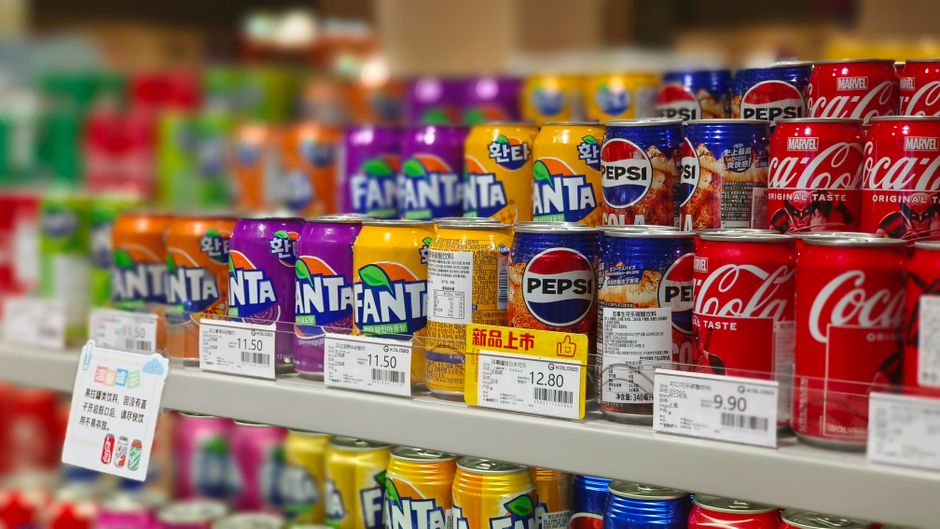
How Automated Restocking Prevents Lost Sales Through Proactive Inventory Management?
Automated restocking prevents lost sales by changing inventory management from a boring, reactive task into a smart, proactive strategy. These systems constantly watch your stock levels and how fast things sell. Hit a set limit, and boom—the system automatically creates a purchase order or transfer request.
That means your high-demand, high-margin products are always there, ready to buy. No more waiting around for manual checks or orders. So, you can always meet what your customers want. This direct availability means steady income and happier customers.
What are the core components of an automated restocking system?
So, what makes an automated restocking system really tick? A few key pieces work together. First, you’ve got inventory monitoring tools. They give you a real-time peek at stock levels everywhere. And they often hook up with your point-of-sale (POS) and warehouse management (WMS) systems.
Then there are the demand forecasting algorithms. They’re pretty smart. They chew through old sales data, seasonal shifts, promos, even outside market trends, all to predict what people will want. That prediction is key for figuring out exactly when and how much to reorder.
And finally, the “triggers” themselves. These are just rules that kick off a restock. Maybe it’s a minimum stock level, or an average sales rate, or how many days of supply you’ve got left. The system then automatically tells suppliers or your own warehouses to get the next batch moving.
What are the Key Benefits of Automated Restocking Triggers?
Putting automated restocking triggers in place brings lots of benefits, way more than just keeping stuff in stock. They streamline your operations, cut costs, and really boost how your business performs overall. And for those high-margin products? These perks are even bigger, directly pumping up your profits.
You’ll see a drastic cut in lost sales right away. When products are always there, businesses capture every possible purchase. That means more money in your pocket and better profits on your best items.
Plus, automated systems free up your team’s precious time. Instead of endless stock checks, employees can tackle bigger, more strategic stuff. That just makes everything run smoother across the whole company.
How do automated triggers reduce manual errors?
Automated triggers really cut down on manual errors. How? By getting rid of the need for people to do those repetitive, data-heavy tasks. Manual inventory counts, typing in data, placing orders—they’re all ripe for mistakes. Just one wrong number or a missed item can cause a costly mess.
But when you automate these processes, the system runs on algorithms and set rules. It’s consistent, it’s accurate. That means you’re far less likely to over-order, under-order, or mix up products. Fewer errors mean super precise stock counts and forecasts you can actually trust.
Can automated systems improve order fulfillment efficiency?
Yes, they absolutely do. Automated systems make order fulfillment way more efficient by creating this super smooth flow from sales straight through to restocking. When your stock is always just right, your warehouses run like clockwork. That cuts down on time wasted hunting for items or twiddling thumbs waiting for deliveries.
The triggers make sure new stock shows up exactly when you need it. So, you’re saving on storage and moving more product. And faster restocking? That means products get picked, packed, and shipped to customers quicker. That speed makes customers happier and builds serious brand loyalty.

Implementing Automated Restocking: Best Practices to Prevent Lost Sales
Putting automated restocking in place successfully—the kind that truly prevents lost sales—needs careful planning and sticking to a few best practices. It’s not just installing some software; it’s about making a whole process better. A smart rollout means big benefits with little fuss.
First, really dig into your current inventory processes and data. Where are the headaches? Where’s the data messy? What parts are just screaming for automation? This deep dive will help you pick and set up the right system.
You might want to roll it out in phases, too. Start with just a few products or one location. That lets you test, tweak, and train your team without disrupting everything. And remember, constant monitoring and adjusting? That’s how you make it work for the long haul.
How crucial is accurate data for effective automation?
Accurate data is super important for any automated restocking system to actually work well. The system is only as smart as the information you feed it. Wrong sales records, bad stock counts, or messed-up product details? You’ll get bad triggers and make lousy inventory decisions.
You’ve got to invest in solid ways to collect data and keep it clean. That means regular inventory checks, consistent ways to enter data, and connecting to trustworthy sources. See, clean, precise data is the foundation for efficient automation. It ensures your automated restocking prevents lost sales reliably.
What role does forecasting play in trigger efficiency?
Forecasting plays a huge part in how well your automated restocking triggers work. No good predictions about what customers will buy? Even the fanciest triggers will miss the mark. Good forecasting looks at historical trends, seasonal changes, how promotions affect sales, and even bigger market shifts.
And really advanced forecasting models, often powered by machine learning, can spot tiny patterns that a human might totally miss. Those insights let the system set ideal reorder points and amounts. This predictive power means your inventory perfectly matches what customers are actually going to want. No more running out, no more having too much.
How should businesses integrate automated systems with existing platforms?
Businesses should connect automated restocking systems smoothly with their existing enterprise platforms to get the most out of them. Think about your ERP, WMS, and POS systems—these are usually the main ones to connect. It creates one smooth flow of data.
APIs (Application Programming Interfaces) are usually the best way to make these connections happen. A system that’s well-integrated means no more data stuck in different places, less manual data moving around, and everyone working from the same, current info. This whole-picture approach lets your automation truly work across your entire supply chain.

Measuring Success: KPIs for Automated Restocking
To really know if automated restocking is working, businesses need to set up clear Key Performance Indicators (KPIs). These numbers give you real insight into how well the system’s doing and where you can make it even better. And consistent monitoring? That’s how you make sure it’s actually delivering on its promise to prevent lost sales.
Which metrics indicate improved sales and reduced stockouts?
So, what numbers tell you your sales are up and stockouts are down after putting in automated restocking? The most straightforward is the stockout rate, which measures the percentage of customer demand you couldn’t fill because a product wasn’t available. A big drop in this rate is a direct win.
Then there’s inventory turnover, which shows how many times you’ve sold and replaced your stock over a certain period. A nice jump here means your inventory’s moving faster, costing you less to hold onto. Sales conversion rates for high-margin products should also show an uplift, as availability directly impacts purchase completion.
Customer satisfaction scores related to product availability (e.g., via surveys) can offer qualitative insights. And finally, a direct jump in revenue growth from products that used to be at risk? That’s the ultimate proof that the system works. Keep an eye on these KPIs, and you can keep tweaking your automated processes for top performance.

The Future of Inventory: AI and Predictive Restocking
The world of inventory management is changing fast, with Artificial Intelligence (AI) and machine learning leading the way. These cutting-edge technologies aren’t just making automated restocking smarter than simple rule-based triggers. AI-powered systems can chew through massive amounts of data—even messy stuff like social media trends and weather patterns—to predict demand with insane accuracy.
Predictive restocking models actually learn and get better over time, constantly fine-tuning when and how much to reorder. They can even see potential supply chain snags coming and suggest other ways to get your stuff. This next wave of automation will lock in your ability to always have your high-margin goods in stock. That’s going to mean maximum profits well into 2026 and beyond.
Frequently Asked Questions
What is an automated restocking trigger?
An automated restocking trigger is a predefined rule or threshold within an inventory management system that, when met, automatically initiates the process of reordering or transferring stock for a specific product.
How quickly can automated restocking systems respond to demand changes?
Automated restocking systems can respond almost instantly to changes in demand, as they operate in real-time. This speed super fast reduces the delay between a surge in sales and the initiation of a replenishment order.
Is automated restocking only suitable for large enterprises?
No, automated restocking is increasingly accessible and beneficial for businesses of all sizes. Scalable solutions exist that cater to the needs of small businesses, e-commerce startups, and large corporations alike, helping everyone prevent lost sales.
What challenges might arise when implementing automated restocking?
Common challenges include ensuring data accuracy, integrating the new system with existing legacy software, overcoming initial resistance to change from staff, and fine-tuning forecasting models to suit specific business needs.
How does automated restocking impact customer satisfaction?
Automated restocking really boosts customer satisfaction by ensuring products are always in stock. This consistent availability prevents disappointment, builds trust, and fosters customer loyalty, leading to repeat business.