Quick answer: Modern art gallery provenance, especially for high-value works, is absolutely essential for maintaining trust, deterring fraud, and ensuring market integrity. Unifying comprehensive provenance tracking with invoicing systems streamlines operations, enhances transparency for collectors, and protects both buyers and sellers in the increasingly complex global art market of 2026 and beyond.
Key Takeaways
- Solid provenance tracking isn’t just nice to have; it’s how you prove an artwork is real and valuable.
- Hooking up provenance data directly with your invoicing system makes everything run smoother and more accurately.
- These unified systems cut down big time on fraud, shady deals, and arguments over authenticity.
- Thinking about tech like blockchain? It can make your provenance records super secure and unchangeable.
- Better transparency from unified data builds collector trust and boosts your gallery’s good name.
- The future of the high-value art market? It really depends on trustworthy, seamless data for every single transaction.
For modern art galleries, handling your data well isn’t just an option anymore. It’s crucial. In this business, trust and authenticity mean everything. So, modern art gallery provenance tracking isn’t just some boring office task; it’s the bedrock of doing ethical business and succeeding long-term. This vital process makes sure every artwork’s history of ownership is carefully kept, giving both collectors and anyone else involved clear insight and verification.
Understanding Why Modern Art Gallery Provenance Matters So Much
What exactly goes into comprehensive provenance, and why is it such a big deal for contemporary works? Provenance, simply put, is an artwork’s documented life story: where it came from, who owned it, and where it’s been shown. For modern and contemporary pieces, this story can get really complicated. Think about it: multiple artists, studios, exhibitions, and sales, all possibly happening in a relatively short time. That’s why keeping detailed records isn’t just important—it’s essential.
What challenges do galleries face when they don’t have solid provenance?
Galleries that skip on strict provenance rules run huge risks. We’re talking about art fraud, questions about authenticity, and a drop in an artwork’s market value. Poor documentation can easily lead to expensive lawsuits, trash a gallery’s reputation, and scare off serious high-value collectors who demand verifiable histories. It’s 2026, and the global art market expects way more transparency than it used to.
How does strong provenance build collector trust?
Good provenance documentation is the absolute foundation of a collector’s confidence. It tells buyers an artwork is real, was acquired ethically, and has a clean legal title. That boosts its perceived value and how much someone might want to invest. When you give collectors a complete, verifiable history, they can buy with peace of mind. They know their pieces are legitimate and tracked securely.
This kind of transparency also reflects well on your gallery. It shows you’re a trustworthy and ethical player in the competitive art world. Galleries that actively manage their artwork histories really stand out. They attract serious collectors and build lasting relationships based on that trust. Investing in detailed provenance tracking? It pays off big time in credibility and market standing.
Connecting Modern Art Gallery Provenance with Your Financials
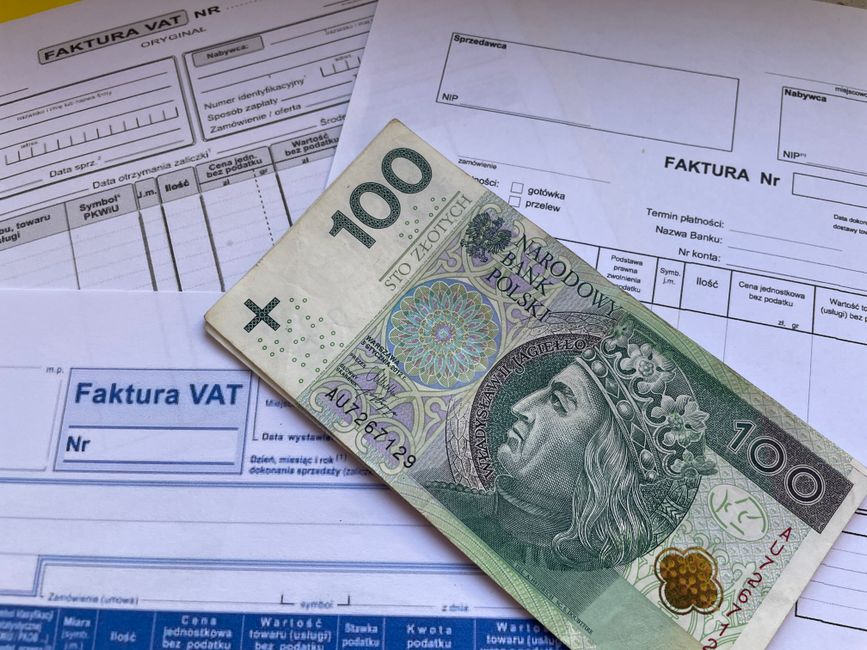
Why should provenance tracking be directly tied into your invoicing systems? Well, a unified system creates one official, rock-solid record for each artwork. It takes all that historical data and merges it with the financial transaction details, right from acquisition to sale. This integration gets rid of separate data piles and cuts down on potential errors or mix-ups, making sure everything is consistent across the board.
What are the perks of integrating provenance and invoicing?
The main perk of bringing provenance and invoicing together is simply better operational efficiency. Galleries can whip up invoices that automatically include detailed provenance information. No more manual data entry, less administrative hassle. This streamlined approach makes transactions faster and more accurate for both your staff and your collectors.
Plus, this integration gives you a full audit trail for every single artwork. When all historical and financial data is linked, you can quickly pull up any information you need for due diligence, insurance claims, or regulatory checks. That level of traceability is incredibly valuable in a market that’s constantly being scrutinized for ethical practices.
How does unification help fight risks like fraud?
A unified system acts as a strong deterrent against fraud and illegal trade. By directly linking an artwork’s documented history with its sales record, it becomes much, much harder for fake or stolen pieces to sneak into legitimate circulation. Any weird inconsistencies between the provenance and transaction data get flagged immediately, kicking off an investigation.
This proactive risk management protects galleries from legal trouble and reputational damage. It also adds an extra layer of security for collectors, assuring them their purchases are not only authentic but also come with a clear, ethical backstory. In 2026, fighting art fraud is still a huge priority for our industry.
Putting Advanced Provenance Tracking to Work for Art Galleries
What high-tech tools and methods are out there for galleries to really nail provenance management? Modern solutions have moved way beyond dusty paper records. Now, we’re looking at digital platforms that offer better security, easier access, and automation. These systems let you securely store and retrieve huge amounts of data—everything from conservation reports to exhibition histories.
What technologies are best for secure provenance?
Cloud-based gallery management software, often powered by advanced database tech, works perfectly for secure provenance tracking. These platforms give you centralized data storage, secure access controls, and often include features for documenting condition reports, exhibition loans, and ownership changes. Encryption and regular backups are standard practice for keeping your data safe.
You can also use digital imaging and watermarking to create unchangeable visual records of artworks at different stages. This adds a visual element to the written provenance, giving you an extra check. And these technologies just keep getting better, offering even stronger security measures by 2026.
How can blockchain make art provenance verification better?
Blockchain technology offers a truly groundbreaking way to verify art provenance. By building an unchangeable, distributed ledger of an artwork’s history, blockchain makes it practically impossible to mess with records. Every entry, from when it was created to when it was sold, gets a timestamp and is cryptographically linked. That creates an unalterable chain of custody.
This decentralized nature of blockchain boosts transparency and trust. All verified participants can see the complete, unchangeable history of an artwork. For high-value modern art, where authenticity fights can be massive, blockchain gives you an unmatched level of verifiable proof. A few platforms are now even specializing in art asset tokenization and provenance on blockchain.

The Future of the Art Market: More Security and Transparency by 2026 and Beyond
As the art market keeps going global and digital, the need for verifiable, transparent data is only going to grow. Galleries that adopt integrated provenance and invoicing systems aren’t just keeping up; they’re making their operations future-proof. They’re positioning themselves as leaders in a sophisticated market.
What impact will this integration have on market confidence?
Bringing provenance and invoicing together will significantly boost overall market confidence. Collectors, especially those investing in high-value modern art, will feel much more secure about their purchases. They’ll know an artwork’s authenticity and history are rigorously documented and easy to check. That confidence directly translates into more market activity and higher valuations for authenticated works.
And guess what? Insurance companies and financial institutions involved in art-backed lending will look very favorably on these integrated systems. That could mean better terms or smoother transactions. Being able to quickly and accurately size up risk based on solid data? That’s a huge shift for all those supporting services.
How does it make operations more efficient?
Beyond security and trust, the operational gains from unifying modern art gallery provenance with financial systems are massive. Automated data flow between different parts of the system reduces administrative errors, saves countless staff hours, and frees up resources. You can then put those resources back into core gallery work, like artist relations, planning exhibitions, and engaging with clients.
From managing inventory to financial reporting, a unified system gives you real-time insights into your gallery’s assets and liabilities. This complete picture helps you make smarter strategic decisions. It ensures your gallery can operate with agility and precision in a dynamic market environment that’s only expected to keep growing well beyond 2026.
Frequently Asked Questions
What exactly is provenance in the context of art?
Provenance is the full documented history of an artwork’s ownership. It covers its origin, every past owner, exhibition records, and any major events like restorations or publications. It’s essential for proving authenticity and value.
Why is provenance particularly important for modern and contemporary art?
For modern and contemporary art, provenance is super critical. There’s a higher chance of fakes, the market values can jump fast, and ownership histories often get complicated with artists, studios, and many dealers. Clear documentation stops arguments and proves legitimacy.
How does unifying provenance tracking with invoicing benefit collectors?
Collectors get much more transparency and trust. Invoices will clearly show an artwork’s verifiable history, assuring them it’s authentic and was acquired ethically. This clarity gives them greater confidence in their investment.
Can small or emerging modern art galleries afford advanced provenance solutions?
Yes, absolutely. Many scalable, cloud-based gallery management platforms now offer strong provenance and invoicing integration. They’re suitable for galleries of all sizes, with different subscription levels to fit various budgets.
What role does digital technology play in modern provenance tracking?
Digital technology lets you securely store provenance data centrally, use digital imaging, and even create unchangeable records with blockchain. This makes tracking easier, cuts down on human errors, and makes verification much more accessible.