Quick answer: Managing apparel sample development effectively is vital for any fashion brand that wants to be efficient and launch products on time. Modern Fashion Product Lifecycle Management (PLM) systems let companies centralize data, make communication smoother, and speed up the whole sampling process—from concept right through to pre-production. That means better quality and cost control for successful collections in 2026 and beyond.
Key Takeaways
- Fashion PLM centralizes data and communication, significantly speeding up apparel sample development.
- Effective sample management reduces time-to-market and minimizes costly errors in production.
- The process involves crucial stages from tech pack creation to pre-production samples, each requiring meticulous oversight.
- Digital tools like 3D design and virtual sampling are transforming traditional sampling methods, offering greater efficiency.
- Optimizing pre-production runs through accurate Bills of Material (BOMs) and integrated quality control is essential for manufacturing success.
- Future trends include AI-powered analytics and enhanced sustainability tracking within the sample development workflow.
What is the Role of Fashion PLM in Managing Apparel Sample Development?
Fashion Product Lifecycle Management (PLM) systems? They’re absolutely essential if you’re serious about managing apparel sample development with precision. Think of a good PLM platform as your brand’s single source of truth. It connects everyone—from designers to manufacturers—making sure you’re all working with the very latest data. That cuts out discrepancies and slashes those expensive delays that always seem to pop up in traditional development cycles.
PLM takes all your design, development, and production data and brings it together. It transforms what can feel like a chaotic mess into a structured, really clear workflow. This digital backbone helps teams work together, letting them share updates, track progress, and make smart decisions fast. So, if your brand’s going to thrive in 2026, using PLM isn’t just a nice-to-have; it’s a must-have if you want to stay competitive.
Streamlining Communication and Data Flow
Good communication is the absolute foundation of successful sample development. PLM systems pull all your product data into one spot: design specs, material details, tech packs, fit comments—the lot. This stops those annoying information silos, making sure your design, merchandising, and production teams always see the same, current info. And with real-time updates and collaborative tools in PLM, you get instant feedback loops between your internal teams and outside suppliers. That cuts down big-time on misunderstandings and mistakes.
What’s more, PLM automates all that documentation, right from initial sketches to final production specs. This really cuts down on manual data entry and all those admin jobs. It frees up your designers and developers to focus on what they do best: creative and technical work. So, you get a much more agile development process. Decisions get made faster and with better accuracy—which is exactly what you need if you want to shorten product cycles in today’s cutthroat market.
Accelerating Sample Iterations
Honestly, one of the biggest time sinks in apparel development is the back-and-forth of sampling. Brands usually need multiple rounds of physical samples—think protos, fit samples, size sets, sales samples, pre-production samples—before they’ll approve a design for bulk manufacturing. But Fashion PLM helps speed things up. It gives you clear version control and centralized feedback tools, so designers can quickly tweak tech packs based on sample reviews. And manufacturers get those updates instantly.
Because you can track every change and comment right in the system, you prevent a lot of confusion and rework. This digital oversight means each sample iteration builds efficiently on the last. So, you’re pushing towards final approval much faster. And with PLM, brands can cut down on the number of physical samples they need. That saves time, reduces material waste, and lowers shipping costs. It all adds up to a more sustainable, cost-effective development pipeline for 2026 and beyond.
How Does Effective Sample Management Impact Product Launch Success?
Manage your samples well, and you’re far more likely to launch new collections successfully and on schedule. Good management makes sure products hit design intent, quality standards, and cost targets before you commit to mass production. Don’t oversee your samples carefully, though, and you’re risking production delays, quality problems, and financial losses. Those can seriously hurt your brand’s reputation and bottom line.
Proper management also gives your sales and marketing teams the right samples for showroom presentations and photoshoots long before launch day. This readiness helps you get solid pre-orders and create exciting marketing campaigns, building buzz and demand. Ultimately, a smooth sampling process drives faster time-to-market and happier customers.

Reducing Time-to-Market
In the crazy world of fashion, getting products to market fast is a huge competitive edge. Good sample management, especially with PLM backing you up, really slashes the overall development timeline. Centralize your info, automate those repetitive tasks, and enable real-time collaboration. Do that, and brands can cut out weeks—even months—typically lost to constant back-and-forth communication and shipping physical samples.
This acceleration means brands can jump on market trends and consumer demand much faster. When you launch collections closer to peak seasonal demand, you’re maxing out your sales potential and cutting down on the risk of being stuck with old inventory. So, for any brand, getting products from concept to customer quicker is a massive business goal for 2026 and beyond.
Minimizing Cost Overruns
Mistakes made during sample development can snowball fast into huge production cost overruns. If you’ve got incorrect specs, bad material choices, or fit problems that show up late in the game, you’re looking at expensive rework, more sampling rounds, or even canceled production. But good sample management helps avoid all that. It catches potential problems early.
PLM systems give you tools for precise costing at every single stage. That lets brands keep a close eye on material costs, labor, and shipping for all their samples. By keeping tight control over specs and approvals, brands can make sure production perfectly matches the approved sample. And that avoids expensive adjustments during manufacturing. This proactive thinking protects your profitability and keeps you on budget.
What are Key Stages in the Apparel Sample Development Process?
The apparel sample development process? It’s a careful journey, moving from an initial idea right through to garments ready for production. Every stage has its own job: refining the product, nailing the fit, ensuring quality, and checking it’s actually manufacturable. So, you’ve got to understand these stages for good project management and for successful sample development from start to finish.
From seeing the design for the first time to being ready for bulk production, this step-by-step sampling process builds confidence and accuracy. Brands really need to pay attention to every detail along the way, or they’ll risk expensive mistakes later on. Luckily, digital tools can smooth out the handoff between these crucial phases, making everything much more efficient.
Concept to Tech Pack Creation
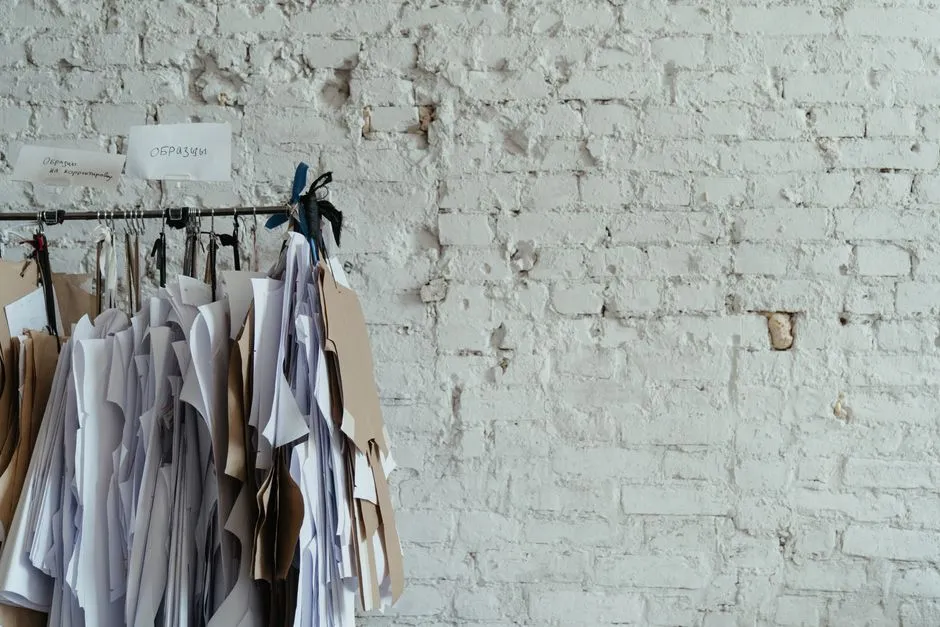
It all starts with a design concept. That’s usually sketches, mood boards, and some initial material ideas. Then, you translate this concept into a detailed technical package—what we call a “tech pack.” A tech pack is basically the complete blueprint a manufacturer needs to make a sample. It covers everything: detailed garment measurements, construction notes, material specs (fabric, trims, labels), colorways, and where any artwork goes.
Getting your tech pack absolutely right is super important. It’s the foundation for everything else that follows. Any fuzziness or mistake here? It’ll just spread through the whole sampling process, causing delays and endless rework. But modern PLM systems make creating dynamic tech packs much easier. They let designers, pattern makers, and vendors update and collaborate in real-time.
Prototyping and Fit Samples
Once that tech pack is final, you get your first physical sample, usually called a prototype or a first sample. This sample lets you see the design in 3D and check out the initial construction and how it looks. After the prototype, fit samples become super important. You use them to check the garment’s dimensions, how it drapes, and its overall wearability on a live model or dress form. You might even need a few rounds of fit samples, with each one incorporating feedback from your design, merchandising, and technical teams.
The whole point of the fit sample stage is to get the garment’s sizing and silhouette perfect across your entire intended size range. You record precise measurement checks and detailed fitting comments, then communicate them to the manufacturer—often right through the PLM system. This back-and-forth refinement ensures the final product will totally meet your brand’s fit standards and customer expectations.
Sales and Pre-Production Samples
Once the fit’s approved, you move on to sales samples (sometimes called SMS, or Salesman Samples). These samples usually look exactly like the final product in terms of fabric, color, and trim. Sales teams use them for market presentations, meeting with retail buyers, and promotional stuff. They’ve got to be an accurate reflection of what you’ll actually produce.
Finally, there’s the pre-production sample, or PPS. This is the very last sample you make before bulk manufacturing begins. It absolutely must be an exact copy of the garment you plan to mass produce, using the final approved fabrics, trims, and manufacturing techniques. The PPS gets a super rigorous final review for quality, construction, labeling, and packaging. When it’s approved, that’s your green light for full-scale production. It’s a critical checkpoint in the whole process of managing apparel sample development.

Mastering Apparel Sample Development with Digital Tools
The world of apparel sample development is changing fast. Digital tech drives so many new advancements. Brands are picking up innovative tools left and right to boost efficiency, cut down on waste, and work better together. So, if you want to master apparel sample development in 2026, you’ve got to embrace these digital transformations. It’s how you stay competitive and responsive.
Digitalization makes every single part of the sample lifecycle smoother, from your first design idea to getting final production approval. This change doesn’t just speed things up; it also makes everything more accurate and sustainable. That really helps meet today’s consumer demands and industry pressures. And when you bring all these tools together into one unified PLM platform, you’ll maximize their impact.
Leveraging 3D Design and Virtual Sampling
One of the coolest digital leaps forward? It’s how widespread 3D design software and virtual sampling have become. Designers can now whip up super realistic 3D renderings of garments. These really show you how fabric drapes, what the texture feels like, and how things fit. This means you need way fewer physical prototypes, saving tons of time and material costs.
Virtual samples are easy to share and review across teams and with manufacturers. So, you get faster feedback and can make changes quicker. This whole process speeds up design approval. It also makes sure that when you do make physical samples, they’re already much closer to what you want. Brands can even use 3D samples for virtual showrooms and e-commerce visuals before production starts. That creates some great early market buzz.
Centralized Document Management
Keeping track of design specs, technical drawings, material lists, and approval documents? That’s really critical. A centralized document management system, usually a key part of PLM, gives you a secure, easy-to-access place for all your product files. This guarantees that every team member, supplier, and stakeholder is always working from the very latest version of every document.
Version control? It’s all automated. No more confusion or errors from outdated info. Plus, audit trails track every change, approval, and communication, giving you a full history for each product. This super solid documentation cuts down on arguments, boosts accountability, and ultimately leads to a smoother, more efficient development process. That’s especially important when you’re handling sample development across global supply chains.

Optimizing Pre-Production Runs for Flawless Manufacturing
The pre-production run is the absolute last critical step before you commit to bulk manufacturing. Think of it as a full dress rehearsal for your entire production process. It makes sure every component, every process, and every quality standard is perfectly aligned. Getting this stage right isn’t just a good idea; it’s non-negotiable if you want flawless manufacturing and want to avoid expensive errors in mass production.
This phase means meticulous checks and confirmations. You’re making sure the approved sample can be consistently replicated when you scale up. Any issues that pop up during this pre-production run? You’ve got to fix them immediately to stop systemic problems from hitting bulk production. And a well-done pre-production run? That’s the sign of truly efficient supply chain management.
The Importance of BOM Accuracy
The Bill of Materials, or BOM, is your complete list of every raw material, component, and sub-assembly you need to make a finished garment. Getting this BOM absolutely accurate during pre-production is critical. A wrong BOM can cause material shortages, give you the wrong components, delay production, and seriously hike up your costs. PLM systems are huge here, ensuring BOM accuracy by linking directly to material libraries and spec sheets.
During the pre-production run, you’ll cross-reference the BOM with the actual materials used and your final approved sample. Spot any discrepancies? You fix them right then, before you scale up. This super careful attention to detail stops problems like using the wrong thread count, an incorrect button size, or an unapproved fabric shade from ever reaching your customer.
Quality Control Integration
You absolutely need to build robust quality control (QC) checks right into the entire pre-production run. This isn’t just about one final inspection, either. It means checking incoming material quality, looking at every in-process production stage, and making sure the finished garment matches that approved pre-production sample. Your QC protocols should be crystal clear inside the PLM system and then communicated to all manufacturers.
During the pre-production run, dedicated QC staff or outside inspectors will check everything. That means fabric cutting, stitching quality, garment measurements, labeling—the whole nine yards. Find any deviations or quality worries? Document them and fix them right away. This proactive approach guarantees your entire production line can consistently make garments that meet your brand’s strict quality standards.
Supplier Collaboration
For pre-production runs to really succeed, you absolutely need strong collaboration with your manufacturing partners. Brands have to keep communication open and clear with their suppliers all through this critical phase. PLM systems help a lot here, giving you a shared platform to swap info, review progress, and tackle challenges in real-time.
Confirm material availability and lead times, discuss production techniques and quality benchmarks—seamless collaboration makes sure everyone’s on the same page. Manufacturers can offer valuable insights into production efficiencies and any potential snags. That leads to a much more optimized and cost-effective pre-production process. And this partnership approach? It’s key for long-term supply chain success.
What Future Trends Will Shape Apparel Sample Development in 2026 and Beyond?
What’s next for apparel sample development? It’s all about ongoing innovation and integrating even more advanced tech. Starting in 2026, we’re seeing some major trends pop up that’ll totally change how brands do their sampling. We’re talking more efficient, more sustainable, and way more data-driven processes. If you want to stay ahead and keep your competitive edge, you’ll need to stay on top of these trends.
These developing trends promise to lower environmental impact, boost decision-making, and create a supply chain that’s quicker and more flexible. Brands that jump on these technologies early will be much better placed to meet what a fast-moving global market demands. They’ll be optimizing their whole approach to sample development.
AI-Powered Predictive Analytics
Artificial Intelligence (AI) and machine learning? They’re about to totally shake up sample development with their predictive analytics. AI can sift through huge amounts of data—past collections, sales figures, trend forecasts, customer feedback—to predict which styles, materials, and colors are most likely to be big hits. This lets brands make smarter decisions right from the start of the design and sampling phases. It also cuts down the risk of developing stuff that just won’t sell.
AI can also fine-tune material usage, flag potential production bottlenecks, and even suggest design tweaks to make things easier to manufacture. This data-first approach means less speculative sampling. So, you’ll see fewer physical samples, less waste, and a much better match with what the market actually wants. Integrating AI into PLM systems? That’s going to be standard practice by 2027.
Enhanced Sustainability Tracking
Consumers and regulators are pushing harder for sustainable practices. That means tracking sustainability is becoming a seriously important part of sample development. Future trends will show PLM systems offering better tools to track the environmental footprint of every material and component—right from its origin to the final sample. We’re talking data on water usage, energy consumption, chemical treatments, and how recyclable something is.
Brands will be able to pick more sustainable materials earlier in the design process. And they’ll accurately measure the impact of their sampling choices. This transparency won’t just hit compliance requirements; it’ll also connect with environmentally conscious customers. Tools that help measure and report Scope 3 emissions from sample production? They’re going to be standard by 2028. That’ll really boost your commitment to responsible manufacturing within the sample development process.

Frequently Asked Questions
Why is managing apparel sample development so critical?
Managing apparel sample development is critical because it directly affects your product quality, costs, and how fast you get to market. Good management cuts down on errors, makes sure the design intent is spot-on, and helps you avoid expensive rework in mass production. All that leads to successful product launches.
Can small brands benefit from Fashion PLM?
Absolutely, small brands can get a lot out of Fashion PLM. You might think it’s just for bigger companies, but scalable PLM solutions are out there more and more. They give smaller brands the same perks: centralization, collaboration, and efficiency for handling their development process.
What are the biggest challenges in sample development?
Big challenges often include bad communication with manufacturers, really long approval cycles, trying to manage tons of design file versions, surprise material delays, and making sure the fit is consistent across all sizes and styles. But you can fix a lot of these problems with solid digital tools and clear processes.
How do 3D samples reduce development time?
3D samples cut down development time because designers can visualize, iterate, and get approvals on designs virtually. That often means you don’t need several rounds of physical prototypes. This speeds up feedback, cuts shipping times, and saves material resources.
What is the difference between a prototype and a pre-production sample?
A prototype is your very first sample. You use it to check the design, construction, and if it just looks right. A pre-production sample (PPS), though, is the final, approved sample. It has to precisely match every spec of the garment meant for mass production. It’s essentially the gold standard for manufacturing.
How can brands ensure sustainability in sampling?
Brands can be more sustainable by cutting down on physical samples with 3D design, choosing eco-friendly materials, reducing waste when they create samples, and partnering with manufacturers who are serious about sustainable practices. Plus, tracking environmental impact through PLM is also a big deal here.