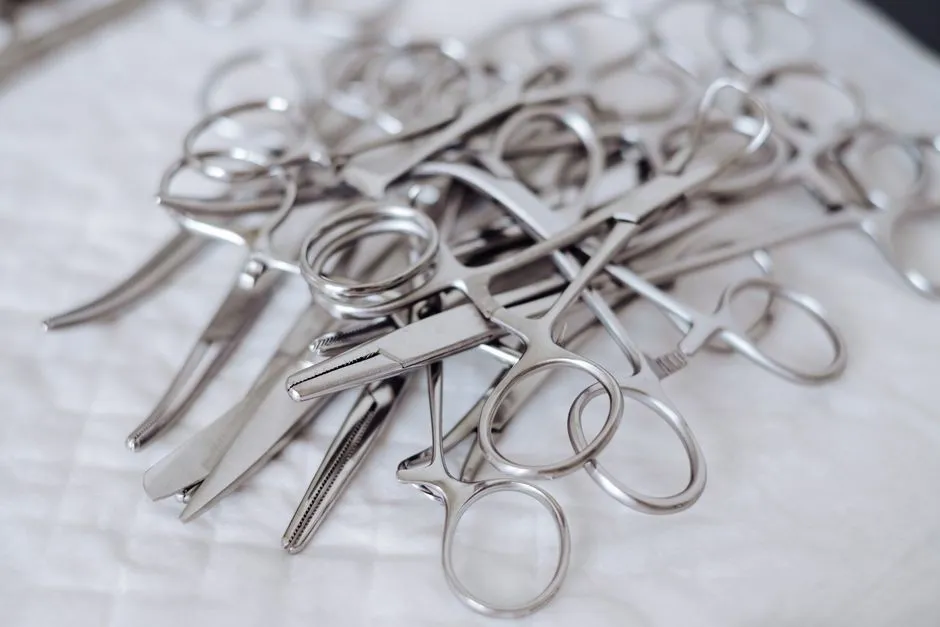
Quick answer: Seriously, managing veterinary surgical pack sterilization well is key for patient safety and meeting all those regulations. But here’s the thing: a good Practice ERP system makes this process so much easier. It lets you track instruments, consumables, and sterilization cycles from start to finish, boosting efficiency and cutting down on risks in any vet surgery.
Key Takeaways
- Practice ERP systems pull all your surgical supply inventory control into one spot. That means better accuracy and less waste.
- Putting sterilization records right into your ERP creates an unchangeable audit trail. It’s great for compliance and quality checks.
- Automated tracking of instrument packs drastically cuts down on human error. And it seriously improves your aseptic technique.
- ERP data analytics help you predict what to order. So you can run your surgical supply chain way more efficiently, even into 2026 and beyond.
- Streamlined workflows from ERP integration directly lead to better patient outcomes and save you money on operations.
- Don’t forget staff training! And sticking to updated protocols is crucial if you want to get the most out of ERP-driven sterilization management.
You know, effectively managing veterinary surgical pack sterilization really is the backbone of patient safety and great surgical outcomes in any vet practice. That careful process — cleaning, packaging, sterilizing, storing instruments — directly stops surgical site infections and keeps you compliant with regulations. But here’s where it gets interesting: bringing in a full-fledged Practice ERP (Enterprise Resource Planning) system completely changes this complex workflow. It gives you incredible control and transparency, from the moment an instrument gets used to when it’s ready for another surgery.
More and more, modern vet practices are seeing the huge advantage of using technology to get critical operations running better. A well-set-up ERP system pulls all your data together, automates tasks, and gives you real-time insights. That completely revolutionizes how you manage surgical supplies. This isn’t just about moving past manual logs and scattered systems; it’s about kicking off a whole new era of efficiency and accountability in surgical prep.
Why is managing veterinary surgical pack sterilization crucial for patient safety and compliance?
Managing veterinary surgical pack sterilization is absolutely critical. Why? Because it directly stops surgical site infections (SSIs) in your animal patients. If instruments aren’t sterile, they can introduce nasty pathogens into surgical wounds. And that leads to serious complications, longer recovery times, even death. So, sticking to sterilization protocols isn’t just a suggestion; it’s a non-negotiable part of vet care. It protects your animals and your practice’s good name.
But it’s not just about patient safety. You also have to keep up rigorous sterilization standards to meet regulatory compliance. Vet governing bodies and accreditation organizations demand specific protocols for processing instruments. They do this to make sure you have a sterile surgical environment. And if you don’t meet those standards? You’re looking at penalties, losing your accreditation, and big legal problems. Setting up standardized, traceable processes guarantees every single instrument you use is sterile.
And here’s where a Practice ERP system really helps. It boosts this whole critical area by giving you a digital way to watch every step of the sterilization process. It logs everything: sterilization dates, cycle parameters, who operated it, biological indicator results. This complete data means your practice can keep spotless records, making audits easy and clearly showing your commitment to aseptic technique.
How can Practice ERP systems streamline surgical supply and drawer management?
Practice ERP systems completely change how you manage surgical supplies and drawer inventories. They do it by pulling all the important data into one place. You get real-time visibility into stock levels, expiry dates, and how often things are used across every surgical pack and supply drawer. This just gets rid of all that guesswork and manual counting we usually deal with in inventory.
An ERP also lets practices automate reorder points. That means you’ll always have critical supplies on hand, but without overstocking like crazy. The system can even automatically create purchase orders when stock dips below a set level. That boosts efficiency and stops those expensive stockouts. So, this predictive power helps you manage inventory proactively, not just reactively, which really cuts down on stress during those hectic times.
What are the benefits of integrating sterilization records with ERP?
Tying sterilization records right into your Practice ERP system offers huge, immediate benefits. Mainly, it creates an unchangeable audit trail for every single instrument pack. This digital log spells out when, how, and who sterilized each pack, right down to specific cycle parameters and biological indicator results. That kind of thorough documentation is priceless. It lets you easily show compliance during inspections or if you ever have an adverse patient outcome.
And get this: this integration also gives you instant recall. If you find a problem with a sterilization cycle or an instrument batch, the ERP system can quickly tell you which patients received care using those instruments. This kind of proactive identification and communication? It’s absolutely vital for managing potential risks and keeping client trust. It helps you track instrument lifespan and maintenance, too, making them last longer.

What are the best practices for managing veterinary surgical pack sterilization workflows?
To really manage veterinary surgical pack sterilization workflows well, you need a systematic, multi-step approach. And you have to apply it rigorously, every single time. It starts with a meticulous cleaning: all instruments must be thoroughly washed and decontaminated right after use to get rid of any bioburden. This step is super important because it stops organic material from hardening, which would make sterilization harder later on.
After cleaning, you’ve got to carefully inspect instruments for damage, how clean they are, and if they’re working right. If something’s damaged, repair or replace it. And any leftover gunk? Get it off. Once they’re clean and inspected, you organize instruments into surgical packs based on what each procedure needs. Then carefully wrap them in the right sterilization packaging and date them with an expiration. These practices aren’t optional; they’re absolutely fundamental for aseptic success.
How does technology enhance sterilization protocol adherence?
Technology seriously ups your game when it comes to following sterilization protocols. It brings automation, precision, and traceability to every single step. Think about it: barcoding and RFID (Radio-Frequency Identification) systems, often built right into a Practice ERP, let you instantly track individual instruments or whole surgical packs. Every scan updates the system with location, status, and processing history. That means no more manual errors and you’ll never miss a step.
And modern sterilization equipment? It often has automated logging features linked to your ERP. These record critical stuff like temperature, pressure, and exposure time for each cycle. So you get objective, verifiable data that proves successful sterilization and compliance. These digital records are way more reliable and easier to audit than old handwritten logs. They really ensure you apply best practices consistently throughout your whole facility.

How does data analytics improve surgical supply optimization?
Data analytics, especially when a smart Practice ERP system is driving it, dramatically improves how you optimize surgical supplies. It gives you actionable insights into what you’re using and what you’ll need. By digging into historical data—things like surgical procedures, patient numbers, and how much of certain supplies you’ve gone through—your practice can stop guessing about inventory. Instead, you’ll make precise, data-driven decisions about ordering and stock levels. That means less waste and fewer shortages.
For instance, an ERP can spot seasonal trends for specific surgeries, or even pinpoint which instruments you use most often in particular operations. This kind of intelligence lets you order predictively. You’ll make sure the right supplies are there exactly when you need them, cutting down on money tied up in slow-moving inventory. But that’s not all. It also helps you negotiate better deals with vendors because you can show them consistent, predictable purchasing volumes over time.

What are the future trends in veterinary practice sterilization and ERP integration?
So, what’s next for vet practice sterilization and ERP integration? Well, expect systems that are way more intelligent, interconnected, and automated. You’ll see more IoT (Internet of Things) devices popping up within sterilization equipment. These can shoot real-time operational data straight to your ERP. That’ll allow for proactive maintenance, remote monitoring, and even predictive failure analysis for autoclaves and washers by 2027.
And Artificial Intelligence (AI) isn’t just going to play a role; it’s going to play a bigger role in making workflows better. AI algorithms built into ERP systems will chew through huge datasets. They’ll pinpoint inefficiencies in instrument processing, suggest the best ways to load sterilizers, and predict demand with even wilder accuracy. These advancements will slash human error even further, boost efficiency, and help bring about even higher standards of patient safety. Oh, and sustainability? That’ll also push for innovation, leading to more energy-efficient sterilization methods and less waste thanks to optimized inventory and better tracking for reusable instruments.

Frequently Asked Questions
What is a Practice ERP system?
Think of a Practice ERP system as a single, all-in-one software platform. It’s built to manage and automate all sorts of core business stuff for a vet practice, including your inventory, scheduling, billing, patient records, and how you manage your supply chain.
How does an ERP system prevent instrument cross-contamination?
An ERP system helps stop cross-contamination by keeping super-close tabs on each instrument. It tracks it through its whole life cycle: from when you use it, to cleaning, sterilization, and storage. This makes sure only properly processed and sterile instruments end up back in surgical packs.
Can an ERP system manage expiry dates for sterilized packs?
Yes, definitely. A properly set up Practice ERP system can track both the sterilization date and the expiry date for every surgical pack. It’ll even send you automated alerts when packs are getting close to expiring, so you know they need re-sterilizing or tossing out.
Is staff training important for successful ERP implementation in sterilization?
Absolutely it is! You need comprehensive staff training. And I mean both on the sterilization protocols themselves and on how to use the ERP system. It’s critical for accurate data entry, making sure everyone follows the right workflows, and getting the most out of what the system can do.
How often should sterilization protocols be reviewed in an ERP system?
You should review and update sterilization protocols, and how they’re set up in your ERP system, at least once a year. Or, make sure to do it any time there are changes to regulatory guidelines, new equipment, or fresh best practice recommendations.
So, by really embracing a comprehensive Practice ERP system, vet practices can seriously step up their game for managing veterinary surgical pack sterilization. You’ll ensure top-notch patient safety, rock-solid regulatory compliance, and super-efficient operations. And trust me, investing in this kind of technology pays off big time. You’ll see fewer risks, much smoother workflows, and far greater confidence in every surgical procedure you perform.