Quick answer: Modern POS systems automate tip pooling and server payout calculations by integrating sales data, timekeeping, and payroll functions, providing real-time tracking, fair distribution, and streamlined processing for restaurant staff. This automation significantly reduces manual errors, saves administrative time, and ensures accurate, transparent compensation for service industry employees, enhancing operational efficiency by 2026.
Key Takeaways
- Modern POS systems eliminate manual tip pooling calculations, reducing errors and saving significant administrative time.
- These systems ensure fair and transparent tip distribution among all service staff based on predefined rules or percentages.
- Automated tip calculations integrate directly with payroll, simplifying server payout processing and enhancing accuracy.
- Restaurants can ensure compliance with evolving labor laws regarding tip distribution and minimum wage requirements.
- Implementing advanced POS technology can boost staff morale and retention by providing consistent and predictable compensation.
- Choosing the right system requires evaluating features like real-time tracking, customizability, and integration capabilities.
What Are the Core Challenges of Manual Tip Pooling?
Manual tip pooling? It’s a headache, plain and simple. Restaurant owners and managers often find these old-school methods complicated, slow, and full of mistakes. And that directly hits staff morale and how well the place runs.
Here’s how it usually goes: you collect all the cash and credit card tips, then you’ve got to manually crunch numbers – percentages for servers, bartenders, bussers, even kitchen staff. After all that, you finally divvy out the money. This whole thing? It eats up hours every single week. That means managers aren’t out on the floor, focusing on customers, or figuring out how to make things better.
Plus, without a super clear system that you can actually check, manual calculations practically invite arguments. Staff might start to feel like things aren’t fair. And honestly, even simple mistakes – whether they’re on purpose or not – can totally destroy trust, create bad vibes, and even make good people quit. All that human involvement just makes things unpredictable and ripe for conflict.
Oh, and don’t forget labor laws. Minimum wage, overtime, tip credit rules – it’s a minefield. Get those numbers wrong, and your business could face some serious legal trouble, including back pay and huge penalties. So, yeah, you really need a solid system to avoid those kinds of risks, especially heading into 2026.
How Do Modern POS Systems Automate Tip Pooling?
Modern POS systems have totally changed the game for tip pooling. They bring incredible accuracy, speed, and transparency to the whole thing. These clever systems link up different parts of your operation to smooth out tip distribution. They really do change how modern POS systems actually operate.
So, what’s happening? A POS system grabs all the sales info, including tips, as it happens. When a customer pays and tips, the system logs it instantly. It knows if it’s cash or credit. That means no more hand-tallying, and way fewer mistakes from the get-go.
You set up the system with your restaurant’s specific tip pooling rules. These rules can be pretty flexible: maybe percentages for different job roles, or based on hours worked, or even a points system. But the main thing is, everyone gets their fair share, exactly how you’ve set it up. And because it’s automated, the distribution is always consistent.
Then, the software figures out everyone’s cut instantly. It gives you a clear report showing exactly how the tips were split up. This level of detail makes everything super transparent for your staff. They can see precisely how their tips got pooled and paid out. And that really builds confidence in the system.
Lots of these systems also link right up with your timekeeping. So, tip distribution can automatically adjust based on exactly how many hours each person worked. That makes sure everyone gets a fair slice, even part-timers or folks with weird shifts. And that kind of dynamic allocation is a huge step up from clunky old manual ways.
Real-time Tip Tracking and Allocation?
Real-time tip tracking? It’s a core feature of powerful modern POS systems. The moment a transaction finishes and a tip comes in, the system instantly logs it. It links that tip to the right server or sale.
No more counting up tips at the end of a shift; this instant tracking means every single tip gets counted, right away. Managers can check tip totals for any server, any shift, or the whole place whenever they want. You get instant insights into who’s earning what.
The system then takes those real-time numbers and applies your pre-set allocation rules. Say it automatically takes a percentage for bussers, or maybe a flat fee per table for hosts. Then it splits the rest among servers, based on their sales or hours. All this happens constantly, setting up the data for when it’s payout time.
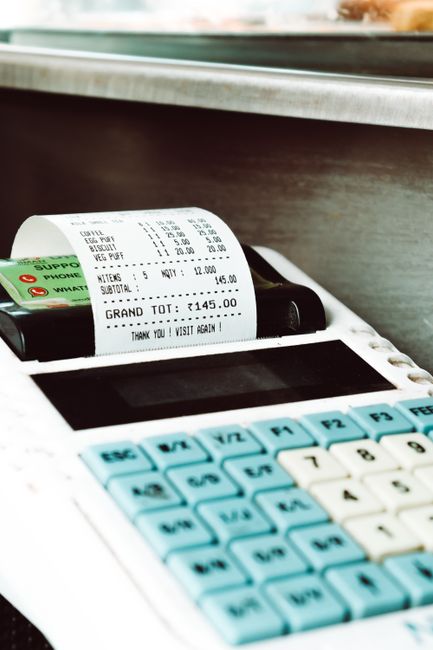
And it’s not just about what people earn. It also tracks tip contributions to the main pool, making sure every penny is accurate and the pool balance is always current. No more guessing games. This gives you a rock-solid audit trail for every single tip movement.
Integration with Payroll and Accounting?
Linking up smoothly with payroll and accounting software? That’s a huge plus you get with modern POS systems. Once tips are tracked and assigned in the POS, that info goes straight into your restaurant’s payroll system. It’s the last step for server payouts, and it’s totally automatic.
So, this integration means tip earnings – cash or card – are just automatically added to employee paychecks or direct deposits. The system even takes care of all the tax deductions and reporting. It makes compliance way easier for employers.
And for the accountants? All that linked data gives them a crystal-clear, accurate record of tip income, how it was shared, and any related costs. It makes balancing the books much faster, cuts down on data entry mistakes, and gives you a full financial picture that’s easy to audit.
This kind of integration means nobody has to manually copy tip data from spreadsheets into payroll anymore. That saves countless hours of admin work every single pay period. And it makes sure all your financial records are consistent and accurate across every platform. So, your reporting and forecasting? Much more dependable.
What Benefits Do Automated Payouts Offer Restaurants?
Automating server payouts with modern POS tech brings a ton of advantages. It’s not just about convenience. These perks hit everything from how smoothly you run things, to staying legal with money matters, and – most important – keeping your staff happy and around.
First off, cutting out all that manual labor means managers get their time back. They can actually focus on making more money or making customers happier. Managers aren’t wasting hours on boring calculations; they’re putting their skills to work where they really count.
Second, no human errors in calculations means payouts are always spot-on. This accuracy translates to fewer mistakes, fewer staff complaints, and way less chance of arguments over pay. And those disputes? They’re expensive and just kill morale.
But it’s not just about making things run smoother day-to-day. Automated payouts also make sure your restaurant stays completely compliant with all those tricky, constantly shifting labor laws about tips and minimum wage. That cuts down on legal risks and shields your business from fines or lawsuits, especially going into 2026.

Enhancing Transparency and Fairness for Staff?
Automated tip pooling systems really dial up the transparency and fairness for restaurant staff. Everyone can clearly see exactly how tips are gathered, pooled, and then handed out, all based on the rules you’ve set. This just builds trust.
When the system is clear, those misunderstandings and suspicions about unfair tip splitting pretty much disappear. Staff can pull up their own tip reports, seeing exactly what they put into the pool and what they earned. They can usually do this right from the POS terminal or an online employee portal.
This kind of clarity makes sure everyone – from servers to the back-of-house crew – feels confident they’re being treated fairly. Getting paid fairly? That’s a huge boost for job satisfaction. And it can really cut down on arguments between team members, leading to a much better vibe at work.
When your people trust how they get paid, it makes them feel valued and appreciated by the company. That good feeling directly leads to happier staff, less turnover, and eventually, a team that’s more stable, more experienced, and gives even better customer service.
Reducing Administrative Burden and Labor Costs?
Look, the admin work that comes with manual tip pooling is huge. We’re talking data collection, calculations, balancing the books, dealing with arguments – it’s a lot. But automating this process with modern POS systems really slashes the workload for managers and payroll staff.
Get rid of manual data entry and those crazy spreadsheets? Restaurants save a ton of time every pay period. And that saved time? It goes straight to cutting labor costs. Managers get to spend their hours on important stuff, not just endless paperwork.
Plus, fewer errors mean you won’t need to spend ages fixing mistakes and redoing calculations – which often involves a bunch of different people. Fewer mistakes also mean a smoother payroll, less stress for those running it, and fewer questions from staff about their pay.
So, all this efficiency means businesses can really fine-tune their staffing and use resources better. This gives them a real strategic edge, letting the restaurant run leaner and earn more. It directly boosts profits, all without cutting corners on accurate staff pay.
Ensuring Compliance with Labor Laws?
Keeping up with all those complex labor laws around tip wages? It’s a huge headache for lots of restaurants. But automated modern POS systems offer a strong solution, helping businesses handle all that legal complexity with confidence.
These systems are built to include all sorts of state and federal rules. Things like minimum wage for tipped staff, tip credits, and even who’s allowed in a tip pool. They automatically apply these rules when they crunch the numbers, so you’re way less likely to break the law.
Say some places only let customer-facing staff join the tip pool, but others let kitchen staff in. A properly set-up POS system can enforce those exact rules. That stops you from accidentally breaking the law, which could lead to huge penalties or even lawsuits.
What’s more, automated systems keep a super detailed, digital record of every tip transaction and how it was split. This documentation is gold during audits or if there’s ever a dispute. It gives you undeniable proof that you’re doing things right and protects your business from potential legal trouble, even far into 2026.
How to Choose the Best Modern POS Systems for Tip Management?
Picking the best modern POS system for managing tips? You really need to think about a few important things. The right system won’t just automate calculations; it’ll also fit perfectly with how you run your business and what you hope to achieve long-term.
First, look at your current tip pooling setup. Is it super simple, or is it a complicated, multi-level system? Your chosen POS has to be flexible enough to handle your current rules or let you set up new ones easily. Being able to customize it? That’s absolutely critical for getting it right.
Think about how easy the system is to use, for both managers and staff. If it’s intuitive, people will pick it up faster, and you won’t spend ages on training. Your staff should quickly grasp their tip reports, and managers should be able to tweak settings without a fuss.
Check out the vendor’s reputation, their customer support, and how they handle updates. A good vendor will offer awesome technical help and regular software updates. That keeps you compliant with new rules and brings in better features. This kind of long-term partnership is really important.
And finally, always ask for a demo. And get references from similar businesses, too. That way, you can see the system actually working and hear real-world feedback on how well it handles tip pooling and server payouts.
Key Features to Look For?
When you’re looking at modern POS systems for tip management, a few key features really jump out as absolute must-haves. These functions make sure your tip pooling and payouts are strong, accurate, and totally compliant.
First, look for solid tip tracking. The system needs to automatically grab every tip, separating cash, credit card, and any other payment methods. It also ought to track tips by each server, table, and even time period.
Customizable tip pooling rules? They’re crucial. Your POS has to let you set up specific percentages for different roles – think servers, bartenders, bussers – or even departments. And it should support different pooling methods, like based on sales, hours, or a points system.
Smooth integration with time and attendance is absolutely vital. This feature makes sure tip allocations are accurately based on actual hours worked. That’s super important for making sure part-time staff get a fair shake.
Direct integration with your payroll software? That’s a must-have. It automatically sends tip data to payroll, making processing simpler and cutting down on mistakes. So, look for systems that can automatically deal with tax deductions for tipped wages.
Strong reporting and analytics are crucial too. The system needs to spit out detailed reports on tip earnings, how they were split, and all your compliance data. These reports should be easy to get at and simple to export for audits or financial analysis.

Evaluating Scalability and Integration?
If your restaurant plans to grow, then a POS system’s scalability and integration are absolutely vital. A system that can grow right alongside your business means you won’t need expensive, disruptive replacements later on.
What does “scalability” mean? It means the POS can easily manage more transactions, more staff, and maybe even more locations, all without slowing down. As your restaurant gets bigger, your tip pooling will get more complicated too, so you need a system that can keep up.
Think about if the system can easily add new users, terminals, or modules without a massive overhaul. A scalable solution protects your tech investment, keeping it useful and effective for years to come – ready for growth in 2026 and well beyond.
“Integration” just means the POS can talk to and share data with your other important software. Beyond payroll and accounting, think about linking it with inventory, CRM, online ordering, and loyalty programs. This kind of interconnectedness builds one smooth, unified system for running your whole operation.
Good integration gets rid of data trapped in separate systems and cuts down on manual data entry across everything. So, you get better accuracy and efficiency. This all-in-one approach to technology just makes managing your restaurant easier, smoother, and more profitable.
Conclusion
Okay, so moving to modern POS systems for automated tip pooling and server payouts? It’s a huge step for restaurants. These systems ditch the messy, mistake-prone manual ways, bringing massive benefits to every part of your business.
From making tip distribution fair and clear, to smoothing out payroll and keeping you compliant with changing labor laws – the upsides are just undeniable. Restaurants can seriously cut down on admin work, save on labor, and lower legal risks. Plus, it makes staff happier and more likely to stick around.
Picking the right modern POS system means carefully looking at features like real-time tracking, customizable rules, and strong integration. Investing in this tech isn’t just about being efficient. It’s about building a workplace that’s clearer, fairer, and totally legal – a place that’ll succeed for years to come.
Frequently Asked Questions
What is tip pooling in a restaurant?
Tip pooling is a practice where all tips received by customer-facing staff are collected into a single pool and then redistributed among eligible employees according to a predetermined formula, ensuring equitable sharing.
How does a modern POS system ensure fair tip distribution?
Modern POS systems ensure fair distribution by applying customizable, pre-set rules based on roles, hours worked, or sales to the collected tips, automating calculations, and providing transparent reports for all participating staff.
Can POS systems handle different tip pooling rules for various roles?
Yes, advanced POS systems are highly flexible and can be configured with distinct tip pooling rules for different roles, such as servers, bartenders, and bussers, allowing for tailored distribution percentages or methods.
Are automated tip payouts compliant with labor laws?
Properly configured automated POS systems significantly aid in labor law compliance by accurately tracking tips, applying relevant minimum wage and tip credit rules, and maintaining an auditable record of all transactions and distributions.
What is the typical cost savings from automating tip pooling?
Cost savings vary but typically stem from reduced administrative hours (managers spending less time on manual calculations), fewer payroll errors, and mitigating potential legal fines from non-compliance, often amounting to several thousand dollars annually for medium-sized restaurants.
How often are tip payouts typically processed by a POS system?
Tip payouts are typically processed as part of the regular payroll cycle (e.g., weekly, bi-weekly), with the POS system feeding the calculated tip amounts directly to the payroll software for inclusion in employee paychecks or direct deposits.