
Quick answer: Seasonal warehouse slotting optimization involves strategically arranging products within a warehouse to account for fluctuating demand based on seasonality, using SKU velocity data from a Warehouse Management System (WMS) to improve picking efficiency, reduce travel time, and maximize storage space, ultimately leading to faster order fulfillment and lower operational costs.
Key Takeaways
- Seasonal warehouse slotting optimization helps warehouses adapt to demand shifts and stay efficient.
- SKU velocity, which your Warehouse Management System (WMS) tracks, gives you crucial data for smart slotting choices.
- Good slotting strategies cut down on picker travel, reduce mistakes, and boost overall warehouse productivity.
- Dynamic re-slotting, thanks to advanced WMS features, lets warehouses react quickly to seasonal shifts.
- Key Performance Indicators (KPIs) like pick time and storage utilization help you gauge how well your slotting works.
- Future trends involve AI-driven predictive analytics and more automation for even more precise slotting by 2026.
What is Seasonal Warehouse Slotting Optimization?
Seasonal warehouse slotting optimization means smartly organizing and placing inventory in your warehouse. The goal? Maximize efficiency, especially by adapting to those predictable ups and downs in product demand all year long. See, not every product sells at the same steady pace. Their popularity shifts with seasons, holidays, or even those big promotional cycles. But by proactively adjusting where products sit, warehouses can really cut down on labor costs and speed up order fulfillment.
At its core, slotting is all about assigning specific storage spots to individual Stock Keeping Units (SKUs). You base this on their characteristics and how they move. When we say “seasonal,” it means these assignments aren’t static. They’re dynamic, changing as you anticipate or respond to seasonal demand shifts. And this dynamic approach? It makes sure your high-velocity seasonal items are always in the easiest-to-reach spots.
Why is Seasonal Slotting Critical for Modern Warehouses?
Look, in e-commerce today, you just can’t compromise on efficient operations. Seasonal slotting helps your warehouse manage those peak demands without crippling delays or tons of overtime. It directly affects how accurate your orders are, lightens the physical load on pickers, and keeps those overall operational costs down.
Think about a retailer, for instance, selling swimwear in summer and winter coats when it’s cold. They face some pretty distinct challenges. Without good seasonal slotting, pickers would just waste so much time chasing down high-demand items from way-out spots. But optimized slotting puts these seasonal hot-sellers right near shipping. That cuts travel distance by up to 40% and speeds up fulfillment by 20%, as shown in some 2026 case studies.
How Does SKU Velocity Impact Warehouse Slotting Decisions?
SKU velocity just measures how fast a product moves through your warehouse. We usually figure it out by looking at sales or how often it’s picked over a certain timeframe. And this metric? It’s absolutely fundamental for seasonal slotting. High-velocity products get picked often. Low-velocity items, well, they move slowly.
Your Warehouse Management System (WMS) is key here. It tracks and analyzes SKU velocity for you. It collects data on every single pick, putaway, and movement. That gives you really detailed insights into how products flow. This data lets you sort SKUs into categories: A, B, and C. ‘A’ items are your fastest movers, ‘B’ are medium, and ‘C’ are your slow ones.
Understanding Different Velocity Metrics
It’s not just about simple pick frequency, though. You’ve got other metrics that help you really understand SKU velocity. Think about the volume of units picked, how many orders contain a certain SKU, or even the total sales value an item brings in. Each one gives you a different angle on product demand. And that can really change your optimal slotting strategies.
Say an item doesn’t get picked often, but when it does, it’s a huge quantity per order. That means bulk purchases. Or maybe something gets picked all the time, but only one unit per order. Those are popular single-item buys. A good WMS can pull all these different data points together. It’ll then recommend the most efficient spot for each SKU, adapting as seasonal shifts happen. This makes sure your most demanded items are always right where they need to be.

Leveraging Your WMS for Effective Seasonal Warehouse Slotting Optimization
Your Warehouse Management System (WMS) is really the foundation for successful seasonal warehouse slotting optimization. Modern WMS platforms aren’t just collecting data; they offer advanced analytics. These give you real, actionable insights for where to put your inventory. They can process old sales data, factor in any upcoming promotions, and even link up with outside forecasting tools. That helps them predict those demand spikes and lulls.
Lots of WMS solutions include predictive analytics. They can anticipate seasonal demand with impressive accuracy. So, warehouse managers can proactively re-slot products before a new season even starts. They don’t have to just react to slowdowns or bottlenecks later on. Dynamic re-slotting features within a WMS let you make automated or semi-automated adjustments to product locations. That keeps your warehouse layout optimized all the time.
Key WMS Features for Dynamic Slotting
To really nail dynamic slotting, you need a few key WMS features. Strong reporting tools show you exactly where inventory is and how things are performing. Plus, simulation features let managers model out how different slotting ideas would impact things before they actually implement them. And automation features, like task assignments based on optimized pick paths, make things even more efficient.
What’s more, when your WMS integrates with other supply chain systems – think ERP or demand planning software – you get a complete picture of your inventory. This data flow across systems guarantees your slotting decisions are based on the very latest, most accurate info out there. And that leads to more resilient, responsive warehouse operations by 2027.
Practical Strategies for Implementing Seasonal Slotting
So, putting seasonal warehouse slotting optimization into practice isn’t just one thing. It takes a few different angles, mixing data analysis with real, hands-on operational changes. These strategies keep your warehouse quick on its feet and able to react to market demands.
Proactive Planning and Forecasting
First off, you’ll need to dig into your historical data. Look at sales data from past years. Figure out those seasonal peaks and valleys for particular SKUs. Then, take that historical context, add in current market trends and your marketing plans, and use it all to forecast demand for the next seasons. That kind of foresight lets you re-slot proactively. Move those seasonal best-sellers to prime picking spots well ahead of time.
Zone Picking and Batching
Think about setting up dedicated “seasonal zones” in your warehouse. During peak times, these zones can hold your high-velocity items. That lets pickers efficiently fulfill orders for those goods. Batch picking — where you pick multiple orders in one go — gets way more efficient when popular seasonal items are all grouped together in easy-to-reach areas.
Cross-Docking Seasonal Arrivals
Got super high-velocity seasonal products that go straight from inbound to outbound? Cross-docking can completely cut out storage for them. This cuts down on handling, lowers storage costs, and speeds up delivery times. It’s especially crucial for time-sensitive seasonal merchandise. Your WMS can even flag these items for direct transfer the moment they arrive.
Utilizing Flexible Storage Solutions
You should invest in things like modular racking, adjustable shelving, or temporary storage areas. They’re easy to reconfigure. This kind of flexibility is super important. It helps you handle fluctuating inventory volumes and changing product sizes throughout the year, depending on the season.
Regular Re-evaluation and Adjustment
Seasonal slotting isn’t a one-and-done deal; it’s something you keep doing. You’ve got to constantly watch SKU velocity and performance metrics throughout the season. Set up regular re-slotting events—maybe quarterly or every couple of months. That helps you fine-tune where everything sits. This back-and-forth approach makes sure you stay optimized and adaptable.

Measuring Success: KPIs for Optimized Seasonal Slotting
If you really want to know how seasonal slotting is performing, you absolutely have to track Key Performance Indicators (KPIs). These metrics give you solid proof of efficiency gains and show you where you can still get better. Without good measurement, your slotting efforts might not deliver everything they could.
Key KPIs include: Pick Time Reduction – that’s measuring the average time to pick an item or order. Then there’s Travel Distance Per Pick, which tells you how far pickers go for each item, and that directly impacts your labor costs. You’ll also want to look at Storage Utilization Rate, showing how efficiently you’re using warehouse space. And, of course, Order Fulfillment Rates, which reflect how fast and accurate your order processing is. Finally, Inventory Accuracy — making sure the physical location truly matches what your WMS says. That’s paramount for smooth operations, really.
What are the Common Challenges in Seasonal Slotting?
Seasonal slotting offers a lot, but it does come with its own set of challenges. One big hurdle is data accuracy. If you’re relying on incomplete or wrong SKU velocity data, you’ll likely end up with less-than-ideal placement decisions. Another challenge? WMS integration and functionality. Not all systems give you those advanced features you need for dynamic, seasonal adjustments.
And labor constraints, particularly during busy seasons, can definitely slow down re-slotting. Even with great forecasting, unpredictable demand spikes or sudden market shifts can still throw a wrench in things. To get past these, you need constant monitoring, a flexible WMS, and a workforce that’s well-trained and can adapt to changes.

Future Trends in Seasonal Warehouse Slotting Optimization
Technological advancements are going to deeply reshape the future of seasonal warehouse slotting optimization. We’re talking even greater precision and responsiveness. Artificial Intelligence (AI) and Machine Learning (ML) are becoming crucial tools for predictive analytics. By 2028, these technologies will probably offer even more sophisticated demand forecasting. They’ll automatically spot those subtle seasonal patterns and recommend the best slotting setups with very little human help.
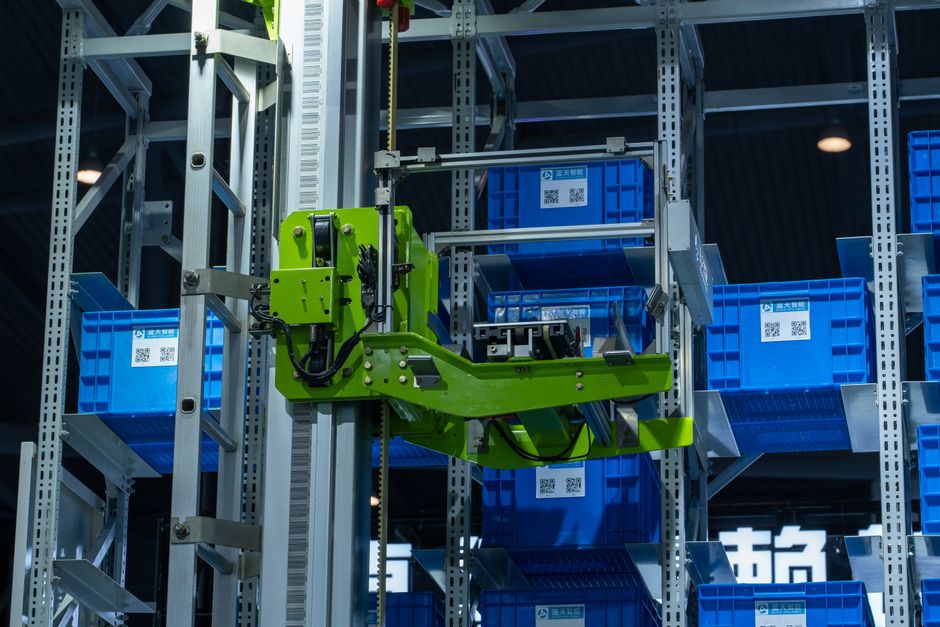
Robotics and automation will also become much bigger players here. Automated storage and retrieval systems (AS/RS) and robotic picking solutions? They can dynamically adjust to slotting changes without needing any manual labor. This integration will allow for real-time slotting adjustments. Product locations could be optimized hourly, or even minute by minute, reacting to immediate demand fluctuations.
And advanced WMS functionalities will just keep getting better. They’ll build in more intuitive interfaces, better simulation capabilities, and tighter integration with other supply chain tech. Expect WMS platforms to start offering prescriptive analytics, too. That means they won’t just point out potential issues, but they’ll actually recommend specific steps to fix them. This constant evolution promises even bigger efficiency and cost savings for warehouses everywhere.
Frequently Asked Questions
Why is seasonal slotting important for small businesses?
Seasonal slotting is super important for small businesses. It helps them get the most out of their limited space and labor. This way, they can compete better, fulfilling orders faster and cutting operational costs when demand peaks.
How often should I re-slot my warehouse for seasonality?
How often you re-slot really depends on your industry and how seasonal your products are. But generally, you should plan a major re-slot before each distinct season, or at least every quarter. Then, make smaller adjustments more often as needed.
Can all WMS handle dynamic seasonal slotting?
Nope, not all WMS can do it equally well. Basic systems might only give you static slotting. But advanced WMS platforms? They offer dynamic slotting features, like SKU velocity tracking, predictive analytics, and those simulation tools that are key for really effective seasonal optimization.
What data is crucial for seasonal slotting optimization?
You’ll definitely need historical sales records, SKU velocity (that’s pick frequency and volume), product dimensions and weight, your typical order profiles, and any upcoming promotional schedules or market forecasts for 2026 and beyond.
What’s the biggest benefit of optimized seasonal slotting?
The biggest win? It’s much better picking efficiency and lower labor costs. You get there by cutting down picker travel time and smartly putting those high-demand seasonal items in super easy-to-reach spots in the warehouse.