Quick answer: Effective specialty wine vintage tracking in a retail setting is essential for maintaining inventory accuracy, ensuring product quality, and enhancing customer trust. Modern Point of Sale (POS) systems provide sophisticated tools to manage vintage details and crucial producer notes, allowing stores to offer precise information and improve operational efficiency for high-value wine sales.
Key Takeaways
- Modern POS systems are critical for precise vintage and producer note management in specialty wine stores.
- Accurate vintage tracking prevents stock discrepancies and ensures product integrity.
- Integrating producer notes directly into the POS enhances staff knowledge and customer engagement.
- Advanced POS features like detailed inventory fields, robust search filters, and CRM integration are paramount.
- Implementing a modern POS streamlines operations, from purchasing to sales, for high-end wine.
- Regular training for staff on POS functionalities maximizes its benefits for specialty wine management.
Why Precise Wine Vintage Tracking Matters for Specialty Stores
Look, precise wine vintage tracking is really important for specialty wine stores. Why? Because a vintage massively changes a wine’s quality, its value, and how long it can age. The vintage just means the year the grapes got picked. And for good wines, that one detail can be the difference between a nice bottle and something truly special.
If you don’t track vintages accurately, your store could accidentally misrepresent what you’ve got. That might mean unhappy customers or even lost sales. Customers in specialty stores expect detailed info. So, if your vintage data is wrong, it chips away at their trust and makes your store look less like the expert source it should be.
How Modern POS Makes Specialty Wine Vintage Tracking Easier
Modern Point of Sale (POS) systems completely change how specialty wine stores handle vintage data. These aren’t just basic cash registers anymore. They’re integrated inventory powerhouses, and that’s exactly what wine retailers need.
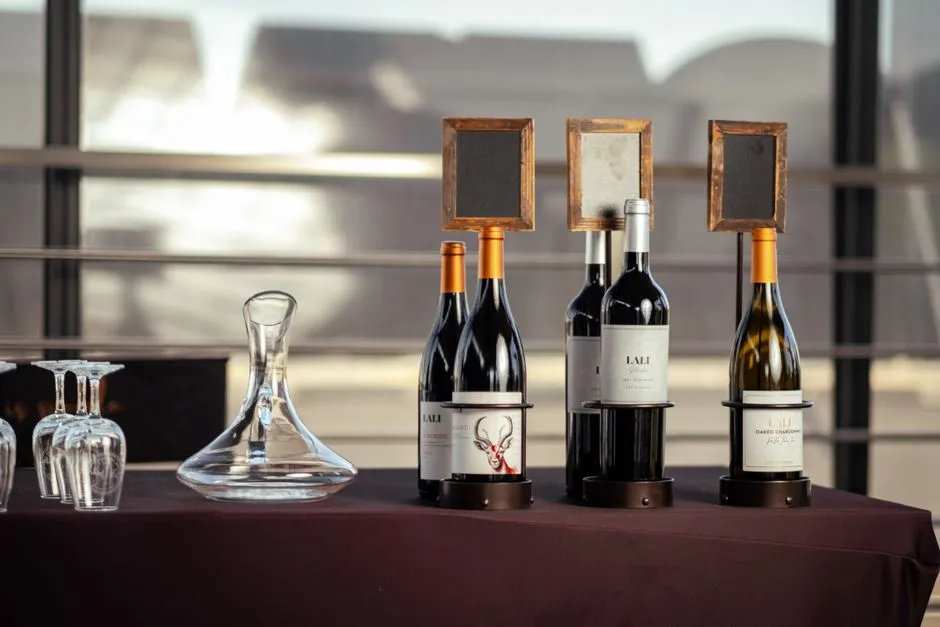
A good POS lets you create unique SKUs (Stock Keeping Units) that tell the difference between wines from the same label but different years. So, a 2018 Cabernet Sauvignon gets treated as a totally separate item from a 2019 Cabernet Sauvignon, even if they’re from the same producer.
This kind of detail is vital for getting your inventory counts right. It prevents you from selling a vintage you don’t actually have. And it makes ordering and forecasting much more precise, so you don’t end up with too much or too little of those hot-ticket wines. Some really advanced systems can even track individual bottle numbers or specific vineyard plots for those ultra-premium selections.
Why Producer Notes Help You Sell More Wine
Producer notes are a game-changer for selling wine. They give customers the story, the background that helps them connect with the product. We’re talking about details like the winery’s history, how they farm their vines, their winemaking philosophy, tasting notes, food pairing ideas, and any awards they’ve won.
When customers browse your specialty wine store, these details give them compelling reasons to buy beyond just the label or the price. And when your sales associates have instant access to all those notes? They can give amazing, personalized recommendations. They can really explain the unique story behind each bottle. This way of educating customers turns a simple sale into a memorable experience. It builds loyalty and boosts those higher-value purchases. Plus, it lets your staff answer questions confidently, showing customers your store really knows its stuff.
What Your POS Needs for Managing Wine Vintages and Notes
To really nail vintage and producer note management, your POS system needs some specific, powerful features. First off, it absolutely has to let you add custom fields to each product. That means you can input way more than just a basic description. You’ll add the vintage year, specific vineyard sites, how long the wine can age, and critic scores.
Strong search and filtering tools are just as important. Your staff should be able to quickly search by vintage, producer, region, grape, or even specific keywords within the producer notes. That way, they can find exactly what a customer is looking for. But it’s not just about finding wine. Integrating a customer relationship management (CRM) module is also a big plus. This lets your store keep tabs on customer preferences, their buying history, and even notes from past chats. That means super personalized recommendations based on vintages they’ve loved before.
Finally, a good POS should have great reporting. These reports can show you sales trends by vintage. They can tell you which producers perform best, and help you make smart purchasing decisions. You’ll know your inventory lines up with what people actually want. And data analytics features? They’re getting incredibly powerful, giving you real insights into what customers do regarding specific vintages.

Using POS Data to Give Customers a Better Experience
Using your POS data smart can seriously improve how customers feel about your specialty wine store. Someone asks about a particular vintage or producer? A modern POS lets your staff pull up all the relevant info instantly. That’s not just the vintage and producer notes, but also stock levels, where it is in the store, and even old pricing data.
Imagine a customer wants to know about a 2016 Bordeaux. Your staff, in seconds, can confirm it’s in stock. They can share detailed tasting notes from the producer. Maybe they suggest food pairings. And if that 2016 is gone, they can even recommend a similar 2017 from the same area. This kind of informed service is invaluable. It sets a specialty store apart from general retailers.
And personalized recommendations? They become super easy. If your POS talks to your CRM, it can suggest wines based on past purchases or what a customer has said they like. That makes for a shopping trip that feels much more tailored and satisfying. This proactive service builds strong customer relationships. It encourages people to come back again and again, creating a real community around great wine. By 2026, customers simply expect this level of personalized interaction and data-driven recommendations.

How Modern POS Boosts Efficiency for Specialty Wine Store Vintage Tracking
Putting a modern POS in place for specialty wine vintage tracking makes your whole store run smoother. Automating inventory updates, whether it’s from sales or new shipments, cuts down on manual errors. And those errors can be expensive, especially with valuable, distinct vintages. So, your staff spends less time counting inventory and fixing mistakes.
Plus, purchasing becomes much simpler. With accurate sales data for each vintage, store managers can make smarter buying decisions. They can make sure they stock up on popular vintages and avoid tying up cash in wine that just sits on the shelf. This buying precision directly helps your bottom line. For instance, knowing that the 2020 vintage of a particular Champagne sold out super fast means you’ll know to order more of the 2021 release.
Staff training also gets easier. When all that vintage and producer info lives right in the POS, new team members can quickly learn what they need to know. That means less training time and they can confidently help customers much faster. It ensures everyone on your team offers consistent service, no matter how much experience they have. And a well-trained team? It’s just a more efficient and effective team.
Tips for Great Specialty Wine Vintage Tracking
To really get the most out of specialty wine vintage tracking with your modern POS, you should follow a few best practices. First off, make sure your data entry is consistent. Every staff member who receives inventory needs to accurately input vintage years, producer notes, and any other custom fields. Standard procedures stop things from getting messy.
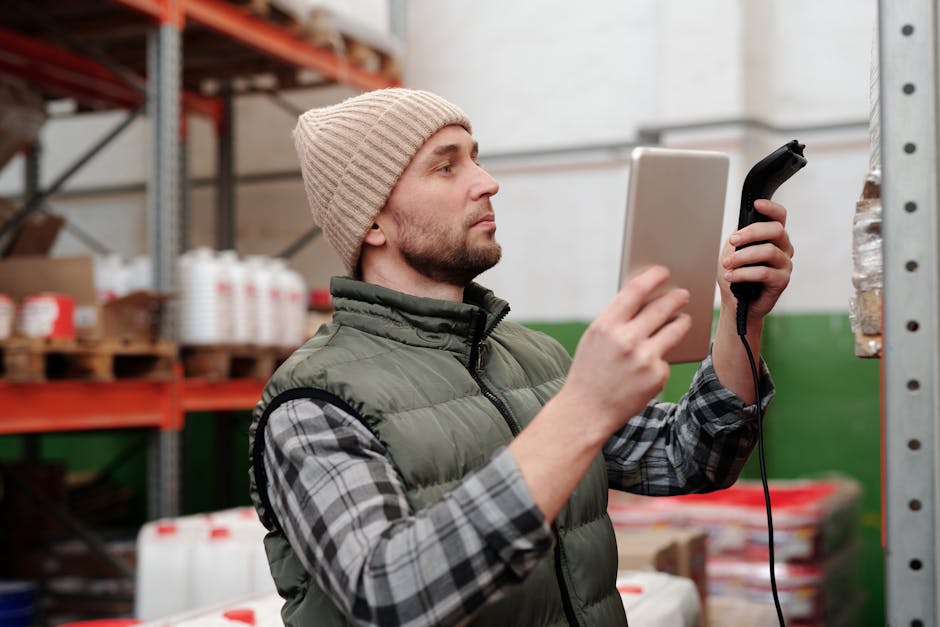
Second, audit your inventory regularly. Sure, a POS automates a lot, but doing physical counts periodically—especially for high-value or rare vintages—confirms everything is correct and catches any oddities. This proactive approach ensures your digital inventory matches your physical stock. That prevents unhappy customers and saves your business from expensive errors.
Third, actually use your POS’s reporting features. Look at sales trends by vintage. Track how different wines move. Figure out when your peak selling times are. This data-driven insight helps you fine-tune your reordering and how you display things. For example, knowing older vintages of a specific grape sell faster during the holidays can help you plan special promotions.
Fourth, train your staff all the time. Make sure everyone knows how to use the POS to find vintage info and producer notes. Knowledgeable staff can really connect with customers and give them top-notch service. Ongoing training, especially for new features or your seasonal focus wines, is key to keeping that high level of expertise.
Finally, consider linking your POS with your e-commerce site. This creates a smooth experience for your online customers. They’ll see accurate vintage information and detailed producer notes right on your website. Consistency across all your sales channels is critical these days. It lets customers research and buy with confidence, whether they’re in your store or online. As of 2026, offering omnichannel retail isn’t just an option anymore; it’s what people expect.

Frequently Asked Questions
What is a wine vintage?
A wine vintage refers to the year in which the grapes used to produce that wine were harvested, often indicating specific climatic conditions and affecting the wine’s character and aging potential.
How does a POS system help with managing producer notes?
A modern POS system allows stores to store, organize, and quickly retrieve detailed producer notes, including winery history, winemaking techniques, tasting profiles, and food pairings, directly within each wine’s product entry.
Can a POS system track specific bottles of wine?
Yes, advanced POS systems can track specific bottles of wine through unique serial numbers, barcodes, or custom identifiers, which is particularly useful for managing rare or high-value vintages and ensuring authenticity.
Why is inventory accuracy so important for wine stores?
Inventory accuracy is crucial for wine stores to prevent overselling, avoid stockouts of popular vintages, minimize capital tied up in slow-moving stock, and ensure precise financial reporting and customer satisfaction.
How often should a wine store audit its vintage inventory?
A specialty wine store should conduct physical inventory audits regularly, at least quarterly, and more frequently for high-value or fast-moving vintages, to ensure that the digital POS records accurately reflect the physical stock.
Does a modern POS integrate with online sales platforms for vintage wines?
Many modern POS systems offer robust integrations with e-commerce platforms, allowing real-time synchronization of inventory, pricing, vintage details, and producer notes, providing a consistent experience for online and in-store shoppers.