
Quick answer: Understanding the standalone POS vs ERP integration is key for any business picking its operational software. A standalone Point of Sale (POS) system just handles sales transactions, all by itself. But a fully integrated Enterprise Resource Planning (ERP) platform? That ties your POS into everything else: inventory, finance, CRM – you name it. It gives you a complete picture and makes things run much smoother.
Key Takeaways
- Standalone POS systems focus solely on sales transactions and basic inventory, offering simplicity for smaller operations.
- ERP integration unifies POS data with finance, inventory, CRM, and supply chain, eliminating data silos.
- Choosing between the two impacts operational efficiency, data accuracy, scalability, and long-term business growth.
- Integrated ERP systems reduce manual data entry and errors, leading to significant time and cost savings.
- Scalability and comprehensive reporting are major advantages of fully integrated ERP solutions for growing businesses.
- Security and compliance are critical considerations for both types of systems, especially with payment processing.
The difference between standalone POS vs ERP integration? It’s a really big choice for any business trying to streamline their retail and operations. A standalone Point of Sale (POS) system, for example, it’s all about handling sales right there when a customer’s checking out. And yes, it often includes basic inventory tracking and transaction management. But it works on its own, separate from the rest of the business.
On the other hand, a fully integrated Enterprise Resource Planning (ERP) platform? That ties your POS right into all your main business functions. That means your accounting, inventory, CRM, and supply chain logistics all talk to each other. This integration builds a single system where data just flows, department to department, giving you a complete, real-time look at everything you do.
What is a Standalone Point of Sale System?
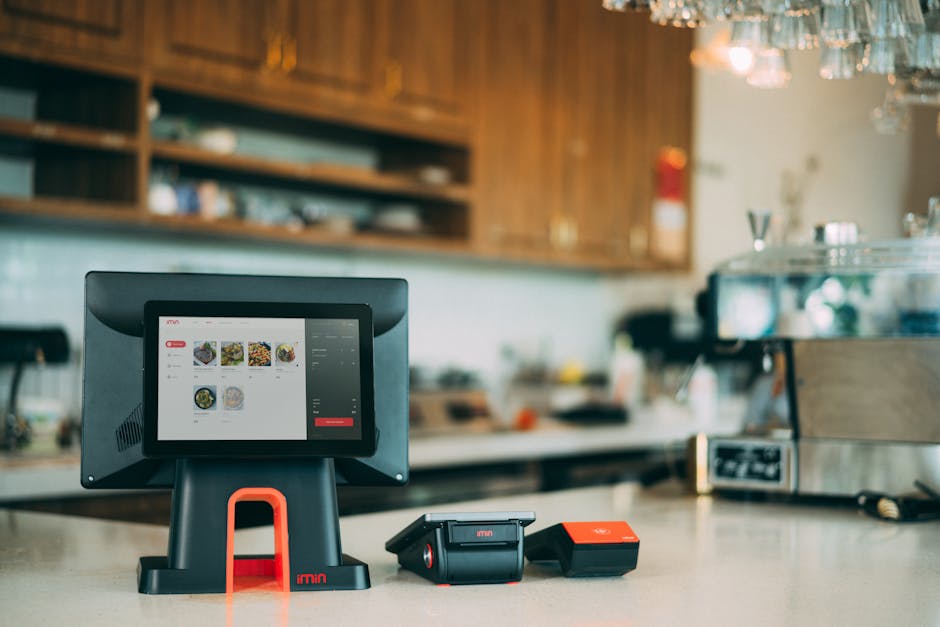
So, a standalone POS system? It’s made to handle sales transactions, process payments, and keep an eye on sales data. It usually runs by itself, not hooked up in real-time to your other big business systems. Small businesses often love these because they’re simple and don’t cost as much upfront.
Think barcode scanning, cash register functions, payment processing, and some basic sales reports. They’re great for front-end sales, sure, but you’ll have to manually move data around or manage other business areas completely separately. And that can really slow things down once your business gets bigger than just basic retail.
What Does Fully Integrated ERP Mean for Your Business?
Fully integrated ERP, then, it’s a big software system that pulls all your crucial business processes together and manages them from one spot. When you hook up your POS to an ERP, your sales data instantly updates inventory, financial records, and customer profiles. And that real-time syncing? It truly transforms how efficiently you run things.
This integration breaks down those data silos. Every department then works with the same, consistent, up-to-date information. Picture this: a sale goes through your POS. Automatically, items are deducted from inventory, maybe even triggering a reorder if stock’s low, and the revenue gets posted right to your general ledger. That’s the kind of power an integrated ERP gives you.
Why is Standalone POS vs ERP Integration a Critical Decision?
Choosing between a standalone POS and an integrated ERP system? It deeply affects how you run your business, how accurate your data is, and how much you can grow. It all depends on what your business needs right now, how you plan to scale, and, of course, your budget. A small startup might do just fine with a standalone POS at first. But as they grow? They often need something more robust, something integrated.
Think long-term: Are you okay with data spread across different systems, or do you want one single source of truth? Manually matching up data, which is super common with standalone systems, just leads to mistakes and eats up your team’s precious time. Integrated solutions, though, they smooth all those processes out. That frees up your resources so you can focus on bigger, strategic stuff.
What are the Key Benefits of a Standalone POS System?
Standalone POS systems? They’ve got some clear benefits, especially for businesses that keep things simple. They’re usually cheaper to buy and set up, so startups and small shops can easily afford them. And since they only do one thing well, your team won’t take long to learn them.
Setting them up is usually pretty simple, too. You can get your business running fast. Maintenance is often simpler because you don’t have all those complicated connections to other software. If your business just needs to process transactions efficiently and doesn’t have complex back-office demands, a standalone POS could be perfect.
How Does an Integrated ERP Platform Elevate Business Operations?
An integrated ERP platform? It completely changes how you run things by giving you one single, unified view of your whole business. This means much more accurate data, since you enter information just once, and it’s available everywhere it’s needed. And with real-time data flowing constantly, you can make better decisions, reacting quickly to market shifts or any operational hiccups.
Operational efficiency gets a huge boost because it automates tasks that cross different departments. Say a customer returns something at the POS. That can automatically trigger an inventory adjustment, a refund in your accounting system, and an update to their purchase history. All without you lifting a finger. That kind of automation cuts down massively on manual work and those pesky potential errors.
Comparing Costs: Standalone POS vs ERP Integration
Comparing costs between standalone POS and ERP integration isn’t just about the initial price tag. It’s way more complex than that. Standalone POS systems, for instance, they usually have lower upfront costs. Maybe it’s a one-time software license, or just a monthly subscription per terminal. And their hardware needs? Often simpler, which keeps that initial investment even lower.
Integrated ERP solutions, though, they demand a bigger initial investment. That’s because they’re so comprehensive, plus you’ve got implementation services and potential customization to factor in. You’ll need to think about software licenses, infrastructure (whether it’s cloud or on-premise), consultants for setting it up, and ongoing maintenance. Yeah, the initial cost is higher. But the long-term savings from boosted efficiency, fewer errors, and smarter decisions usually more than make up for those expenses by 2026.
What are the Ongoing Operational Expenses for Each System?
For standalone POS systems, you’re looking at things like monthly software fees, payment processing charges, and maybe some hardware maintenance. These costs are usually pretty predictable and easier for smaller budgets to handle. And don’t forget support contracts; those are a common recurring cost too.
With integrated ERP, though, ongoing costs can stack up. We’re talking higher monthly or annual subscription fees, system upgrades, and possibly even dedicated IT staff or services. If you customize it, that could mean extra maintenance. But here’s the thing: these costs often get balanced out. You save money on labor thanks to automation, deal with fewer data errors, and see better overall operational performance. That means a stronger ROI for you over time.
Scalability and Growth: Which System Supports Your Future?
Scalability really sets apart standalone POS vs ERP integration. Standalone POS systems are great for what you need right now. But as your business grows? They can quickly become a real bottleneck. Start adding new stores, more products, or higher transaction volumes, and suddenly those disconnected systems show their limits fast. Trying to manually combine all that data? It just won’t work anymore.
Integrated ERP platforms, though, they’re built for growth. You can easily add new modules, users, or locations without messing up your current operations. When your business jumps into new markets or tackles really complex supply chains, an ERP gives you the solid foundation to handle all that efficiently. Businesses using ERP are actually projected to expand 15-20% faster by 2028.
How Does Data Management Differ Between the Two Options?
Data management? It’s completely different for these two options. Standalone POS systems, they build these localized data silos. Sales data lives in the POS, inventory data in one system, and financial data in yet another. This fragmentation makes it really tough to get comprehensive reports. And you’ll have to manually export and import everything, which just increases the chance of inconsistent data and errors.
Integrated ERP, on the other hand, gives you one centralized database. It’s your single source of truth for all business data. Sales, inventory, customer, and financial data? They’re all linked up and updated in real time. This unified setup means powerful analytics, spot-on forecasting, and a complete picture of how your business is actually doing. And your data integrity is just naturally higher, making your strategic planning much more reliable.

Decision Factors for Adopting an Integrated ERP Solution
Thinking about an integrated ERP solution? A few key things should guide your decision. Your business’s size and how complex it is are huge. Bigger businesses, with lots of departments and complicated supply chains, they’ll benefit the most. Do you need to see everything happening in your operations, in real time? That’s another big sign. And if your current systems are struggling with accurate data, or you’re spending too much time manually fixing things, ERP really becomes a must-have.
Your future growth plans heavily influence this choice, too. If you’re expecting to expand a lot, switching to ERP is a smart, proactive move. Budget, both for getting started and keeping it running, needs careful thought. You’ll want to weigh that against the expected return from efficiency gains and better decision-making. In fact, companies often see about a 12% drop in operational costs within three years of putting ERP in place.
The Impact of Standalone POS vs ERP Integration on Customer Experience
The choice between standalone POS and integrated ERP really changes the customer experience, often in ways you wouldn’t immediately expect. A standalone POS can process transactions quickly, sure, but it often doesn’t give you a complete picture of the customer. Say a customer bought something online. If that purchase history isn’t available in your physical store, you’re looking at disjointed service.
But an integrated ERP? It brings together all that customer data from every single touchpoint – online, in-store, through your service channels. That lets you offer personalized interactions, run consistent loyalty programs, and resolve issues fast, because your staff sees the customer’s entire journey. And that comprehensive data really makes for a much better, more consistent customer experience, building loyalty and driving repeat business in 2026 and beyond.
Frequently Asked Questions
What is the primary function of a standalone POS system?
A standalone POS system? It mostly handles sales transactions, takes payments, and keeps an eye on basic inventory right there at the point of sale. It works on its own, separate from your other business software.
How does ERP integration improve inventory management?
ERP integration makes inventory management way better. It automatically updates stock levels in real time with every sale, purchase, or return. This keeps things accurate, sets up automated reorder triggers, and gives you full stock visibility across all your business units.
Is an integrated ERP system suitable for small businesses?
People often think ERP is just for big companies. But modern integrated ERP systems are actually getting more scalable and modular. That makes them a good fit for growing small businesses that need advanced tools for managing their finances, inventory, and customer relationships.
What are the main disadvantages of using a standalone POS system?
Well, the biggest downsides of a standalone POS system? You’ve got data silos, manual data entry needed for other departments, the chance of errors, really limited reporting for the business as a whole, and it’s tough to scale up as your company grows.
Can an existing standalone POS be integrated into an ERP?
Yes, a lot of existing standalone POS systems can actually be hooked into an ERP. The complexity and cost, though, will depend on the specific systems you’re working with and if there are APIs (Application Programming Interfaces) available for data exchange.
What kind of ROI can businesses expect from ERP integration?
Businesses that put money into ERP integration can expect a significant return on investment. We’re talking boosted operational efficiency, lower labor costs thanks to automation, more accurate data, smarter decision-making, and happier customers. You often see those returns within 2 to 5 years.