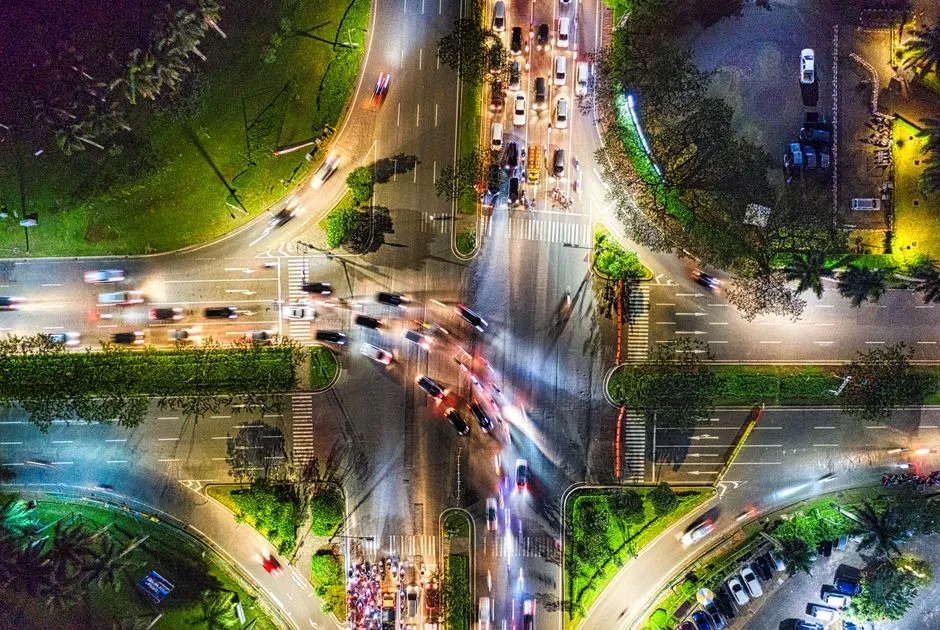
Quick answer: Real-time route recalculation leverages live traffic data, weather conditions, and unexpected events to dynamically adjust delivery routes as they unfold, directly helping delivery software avoid traffic bottlenecks. This proactive adaptation minimizes delays, reduces fuel consumption, and significantly enhances overall delivery efficiency and customer satisfaction for businesses operating in 2026 and beyond.
Key Takeaways
- Real-time route recalculation dynamically adjusts delivery paths using live data feeds.
- It proactively bypasses traffic jams, road closures, and unforeseen delays.
- The technology significantly cuts fuel costs and driver idle time.
- Improved punctuality leads to higher customer satisfaction and brand loyalty.
- Modern delivery software integrates AI and machine learning for superior recalculation accuracy.
- Implementing this system provides a measurable competitive advantage in logistics.
Modern logistics is always changing. And because of that, delivery software needs real-time route recalculation. Seriously, it’s not just some fancy extra; it’s a must-have. This powerful tool helps businesses deal with all the unexpected challenges on urban and rural roads, making sure everything gets delivered on time.
Being able to change routes on the fly? That’s how you dodge expensive delays and keep things running smoothly. Traditional, fixed route planning just can’t keep up with how fast deliveries move today, nor with the constant changes on our roads.
What is Real-Time Route Recalculation and How Does it Work?
So, what is real-time route recalculation? It’s when your delivery software constantly watches a driver’s trip and everything else happening around them. If something changes or gets in the way, the system instantly tweaks the rest of the route. This smart process pulls together GPS, vehicle telematics, and lots of outside info to keep everything running super efficiently.
At its heart, this system just sucks up data, all the time. Your delivery software grabs live traffic updates from places like Waze or Google Maps, plus incident reports, construction alerts, and even weather forecasts. All this info together means the system can spot trouble spots well before a driver gets stuck there.
When it sees a problem, the software’s smart algorithms jump into action, figuring out other ways to go. It looks at road types, speed limits, vehicle restrictions, and how a change might affect arrival times. Then, it tells the driver the best new path, usually right on their mobile app, with clear turn-by-turn directions.
So, this instant adaptation makes sure drivers are always on the quickest route. That means no wasted time, no burning extra fuel, and no upset customers. By 2026, this tech will be absolutely foundational for smooth delivery operations.
But this system isn’t just reacting to what’s happening now. It’s really good at predicting too. Machine learning looks at old traffic patterns and guesses where traffic jams will pop up next. So, it can actually reroute drivers ahead of time, often getting around problems before they even truly start.
Say there’s an accident on a planned route, for instance. The system won’t just wait for your driver to hit it. Nope. It immediately gives them another way to go, usually one that’s already updated, completely bypassing the jam. This smooth process cuts down on headaches and keeps deliveries moving on time.
Why is Real-Time Route Recalculation Essential for Delivery Operations?
The biggest win from real-time route recalculation? It seriously boosts how well you operate and how happy your customers are. With everyone expecting same-day or next-day deliveries these days, hitting those promised delivery windows is absolutely critical.
Traffic jams, closed roads, unexpected incidents — they happen every single day. They can completely mess up even the best-planned routes. If you don’t have dynamic recalculation, your drivers risk getting stuck, facing big delays, and missing appointments. And that directly costs you money and hurts your reputation.
Imagine a fleet without this tech. A highway suddenly closes. That could hold up multiple vehicles for hours, sending ripples through the whole day’s schedule. Every single delay means more driver pay, more fuel burned, and probably some late penalties too.

Customers these days also expect transparency and accuracy. So, real-time updates on delivery status, like new arrival times, really build trust and help manage what folks expect. Software with real-time recalculation can actually tell customers about changes automatically, which just makes the whole delivery experience better.
Customer service aside, the money side of things is huge. Shorter routes mean less mileage, which directly cuts down on fuel costs. Less time sitting in traffic means drivers can make more deliveries per shift, boosting their productivity. These savings add up fast, really padding a company’s profits by the end of 2026.
How Does it Mitigate Traffic Bottlenecks and Unexpected Delays?
Real-time route recalculation spots and gets around traffic jams before they start, thanks to a constant flow of data. It chews through info way faster than any human driver could, suggesting alternate routes well before traffic turns into a real nightmare. This quick reaction time is absolutely vital for it to work.
The system doesn’t just look at traffic right now, by the way. It also uses predictive models, built on historical data for different times and days. So, it can intelligently reroute drivers, actually anticipating future slowdowns instead of just reacting to what’s happening in the moment.
Unexpected delays – things like road accidents, a broken-down vehicle, or sudden construction – get spotted instantly. The software then immediately re-optimizes that driver’s route, figuring out the quickest way to get them back on track or to their next stop. This instant change cuts down on the domino effect a single problem can cause.
Say a road floods unexpectedly because of heavy rain. The system will see that impassable section. It’ll then guide the driver around it, maybe adding a few minutes to the trip, but definitely saving them hours stuck or having to turn back. And that kind of adaptability is just essential for dependable logistics.
What Key Technologies Power Real-Time Route Recalculation?
The whole thing with real-time route recalculation really comes down to a few key technologies all playing nicely together. We’re talking solid GPS tracking, smart telematics systems, powerful mapping APIs, and of course, Artificial Intelligence (AI) packed with Machine Learning (ML) algorithms.
GPS tracking pinpoints exactly where each vehicle is, sending that info straight back to the main system. Telematics takes it even further, gathering data on things like speed, braking, acceleration, and how the engine’s doing. All this helps us understand driver behavior and vehicle performance, which can then influence how routes are chosen.

High-tech mapping APIs from companies like Google, HERE, or TomTom are absolutely vital. These APIs feed in current traffic conditions, road closures, speed limits, and points of interest. Basically, they’re the foundation for seeing routes clearly and spotting problems.
AI and machine learning? Those are probably the biggest advantages. ML algorithms gobble up huge amounts of past and live data to find patterns, guess traffic flow, and pinpoint travel times. They’re always learning, always making their recalculation suggestions sharper and more accurate.
For instance, an AI might figure out that a certain intersection always gets slammed with traffic every Tuesday from 4 PM to 6 PM, even if there’s no active incident. So, it can reroute drivers ahead of time during those hours, totally bypassing that expected jam. This kind of predictive ability? It’s a huge advantage.
And cloud computing infrastructure backs all this up, handling the massive processing power these systems need. It allows for super-fast data analysis and instant communication between dispatch and drivers out there. This flexible setup means even huge fleets get the benefit of constant route improvements.
What are the Benefits of Implementing Real-Time Route Recalculation?
Putting real-time route recalculation into practice brings tons of clear benefits for any business doing deliveries or field service. These perks go from simply saving money to making customers much happier and building a really tough operation.
First off, you’ll see a big drop in operating costs. When you avoid traffic and fine-tune routes, you burn way less fuel. Less time sitting idle in jams means less wear and tear on vehicles, making them last longer and cutting down on maintenance bills. Driver overtime shrinks too, so your labor costs go down.
Second, customers get way happier. Accurate arrival times and getting told about any delays ahead of time really builds trust and makes the delivery feel better. People love getting their stuff on time and knowing what’s up if something unavoidable changes. And that means more repeat business and stronger brand loyalty.

Third, your drivers get more done, and they’re generally happier. They spend less time stuck in traffic, which really cuts down on stress and frustration. So, they can knock out more deliveries faster, making them more efficient and often increasing their earnings. A calmer work environment means you keep your good drivers longer.
Fourth, your business gets a serious leg up on the competition. Companies that use these smart real-time systems can offer quicker, more dependable, and more flexible delivery choices than anyone else. That tech advantage can really make you stand out in a busy market.
And finally, safety and compliance get a boost. Optimized routes can include safety stuff, like staying away from tricky turns or poorly lit spots. Plus, for regulations, having exact tracking and accurate records of routes and delivery times is super important for audits and just being transparent about how you operate.
How Does Real-Time Recalculation Impact Driver Productivity and Fuel Efficiency?
The effect of real-time route recalculation on driver productivity and fuel efficiency is just huge, and you can definitely measure it. By always steering drivers clear of traffic and putting them on the best possible routes, the system makes every single mile count.
For productivity, less time stuck in traffic means more time actually driving and more deliveries finished in a regular shift. Drivers aren’t just sitting there, waiting, or trying to manually figure out complicated detours. This immediate boost in efficiency can let drivers hit 10-15% more stops each day, though that depends on how many stops there are and how bad traffic usually is.
Now, about saving fuel: dodging stop-and-go traffic is absolutely key. All that constant braking and speeding up in jams burns way more fuel than cruising at a steady pace on a clear road. Real-time rerouting cuts down on those fuel-guzzling scenarios, and you’ll definitely see the savings.
Industry numbers from 2025 show that companies using advanced real-time routing solutions saw average fuel savings of 15-20%. For a big fleet, that could easily mean hundreds of thousands of dollars saved each year, directly boosting profits. So yeah, investing in this kind of software really makes sense.
Plus, less driving also means lower vehicle maintenance costs. Fewer miles mean less wear on tires, brakes, and engines. That stretches out the life of your fleet vehicles, cutting down even more on overall operating expenses for any business planning for 2026 and beyond.
Frequently Asked Questions
What data sources does real-time recalculation use?
It typically uses live traffic feeds from public and private sources, GPS vehicle location data, weather forecasts, incident reports, and historical traffic patterns.
Can real-time route recalculation integrate with existing delivery software?
Yes, most modern delivery management systems offer APIs or built-in integrations that allow seamless incorporation of real-time recalculation features into existing platforms.
How quickly can a route be recalculated?
Recalculations occur almost instantaneously, often within seconds of a new event or deviation being detected, ensuring minimal disruption to the driver’s journey.
Is this technology suitable for all types of delivery businesses?
Absolutely, from small local couriers to large enterprise logistics companies, any business that relies on timely and efficient vehicle movement benefits significantly from real-time route recalculation.
Does real-time recalculation account for vehicle-specific restrictions?
Yes, advanced systems can factor in vehicle height, weight, width, and hazmat restrictions, ensuring that recalculated routes are always compliant and safe for the specific vehicle in use.
How does real-time recalculation improve customer communication?
It enables automatic updates to customers regarding adjusted estimated times of arrival (ETAs) due to unforeseen delays or faster-than-expected progress, enhancing transparency and satisfaction.