Quick answer: The profound impact of automated route optimization on last-mile delivery significantly reduces fuel consumption by calculating the most efficient routes, minimizing mileage, and decreasing idle times. This technology empowers businesses to cut operational costs, enhance delivery speed, and improve overall fleet efficiency, directly translating into substantial savings on fuel expenses starting in 2026.
Key Takeaways
- Automated route optimization directly lowers fuel costs by reducing total mileage and optimizing routes.
- Real-time traffic data and dynamic rerouting capabilities minimize delays and unnecessary consumption.
- The software improves vehicle utilization and driver productivity, indirectly contributing to fuel efficiency.
- Beyond fuel, it enhances customer satisfaction through more accurate delivery times.
- Successful implementation requires careful data integration and driver training.
- Future developments in AI will further amplify the efficiency gains from route optimization.
The impact of automated route optimization is truly changing last-mile delivery. It offers a key solution for businesses struggling with rising operational costs. Last-mile delivery, which is the final leg of the journey from a hub to the customer’s door, is notoriously inefficient and expensive. In fact, it often accounts for over 50% of total shipping costs, and fuel is a primary expense.
Traditional manual routing? Often it’s just inefficient. That leads to longer routes, increased fuel consumption, and higher labor costs. But modern automated systems use smart algorithms and live data to find the very best delivery paths. This isn’t just about being efficient; it’s about making a real, measurable dent in one of the most unpredictable costs: fuel.
What’s the Impact of Automated Route Optimization on Fuel Efficiency?
Automated route optimization software completely changes how you plan and run routes. And that means direct, big fuel savings. The software looks at tons of factors all at once, identifying the shortest, fastest, most fuel-efficient routes. No human dispatcher could ever do such a complex calculation manually.
How does dynamic routing cut down on mileage?
Dynamic routing is a key part of automated optimization. It lets fleets change routes on the fly, reacting to live conditions. Instead of fixed, pre-planned paths, these systems constantly watch traffic, weather, and even new orders coming in. So, vehicles stay on the best path, dodging expensive detours and traffic jams.
Say a road closes unexpectedly, or a new high-priority order pops up. The system can instantly re-sequence stops and recalculate routes for all affected vehicles. This constant fine-tuning stops drivers from racking up useless miles. Fewer miles means less fuel burned. And that makes a real, noticeable difference to operational budgets.
Live traffic data: Why it matters.
Getting accurate, live traffic data is absolutely critical for squeezing out every bit of fuel efficiency. Automated route optimization platforms hook up to live traffic feeds. They chew through current road conditions, accident reports, and even past traffic trends. That lets them guess where traffic will build up and suggest other routes to avoid holdups.
Sidestepping traffic jams means less time idling. And idling’s a huge fuel-waster. Cars burn fuel even when they’re not moving, and in cities, those long idle times can really add up. So, by routing around expected traffic bottlenecks, the system keeps vehicles moving smoothly towards their destinations, saving both time and fuel.
How Does Route Optimization Software Directly Slash Fuel Consumption?
It’s not just about cutting miles. Route optimization software uses a few direct ways to slash fuel use. They tackle those everyday inefficiencies you often see in traditional delivery. And all those improvements together lead to some serious savings.
Cutting idle time and pointless detours.
Automated systems build routes that cut down on wasted vehicle time, like too much idling. They give precise turn-by-turn directions and the best order for stops. So drivers spend less time hunting for addresses or waiting around for no reason. Every minute saved idling means less fuel burned.
Plus, the accurate mapping and GPS built into these platforms get rid of needless detours from driver mistakes or not knowing an area. Drivers stick to those optimized paths. This makes sure every mile driven has a clear, efficient purpose, directly cutting how much fuel each delivery costs.
Optimizing loads for fewer trips.
Good route optimization also thinks about how much a vehicle can carry. The software can smartly bundle deliveries by location, weight, and size. This makes sure your vehicles are always working at their absolute best. So, you get fewer half-empty trucks making extra trips.
Pack more deliveries into each trip, and businesses can either have fewer trucks out there or shrink their whole fleet. That creates a ripple effect of fuel savings. Fewer trips mean fewer total miles and less fuel bought overall. You can really see the direct impact of automated route optimization on your bottom line.

Beyond Fuel: What Else Does Automated Routing Help With?
Sure, cutting fuel costs is a big deal. But the impact of automated route optimization goes way beyond just saving money. It really improves so many parts of your logistics, building a delivery service that’s more efficient, productive, and focused on the customer.
Boosting driver productivity and morale.
Give drivers well-planned, sensible routes, and their daily jobs get less stressful and way more efficient. Clear instructions and smart stop sequences cut down on decision fatigue and that annoying frustration of dealing with sudden problems. That directly boosts what drivers can get done, letting them finish more deliveries faster.
Better productivity usually means happier drivers who stick around longer. Their work just becomes smoother, less chaotic. Happy, efficient drivers are gold. They help your operations succeed and cut down on those labor costs that come with people leaving all the time.
Happier customers with precise ETAs.
Everyone expects things instantly now. So, customers want accurate, on-time delivery info. Automated route optimization gives really precise estimated times of arrival (ETAs). It figures in live traffic and how far deliveries have progressed. That kind of transparency makes customers a lot happier.
Companies can send proactive updates to customers. That means fewer calls to customer service and more trust. When customers know exactly when their package will show up, they can plan their day better. And that builds a positive brand image and gets them coming back.
Less wear and tear on vehicles.
Plan the most efficient routes, cut down on needless miles, and automated optimization means less wear and tear on your vehicles too. Shorter distances put less stress on engines, tires, brakes, and all those other key parts. That makes your fleet vehicles last longer and brings down maintenance costs.
You can also predict preventative maintenance schedules much better. That’s because you’ll have actual mileage and usage patterns from those optimized routes. Being proactive with fleet management saves cash on surprise repairs. And it keeps your vehicles running great for longer.
What Should You Think About When Setting Up Automated Route Optimization?
Putting an automated route optimization system in place means careful planning if you want to get the most out of it. It’s not just slapping on some software. You’ve got to integrate it smoothly into your current work and make sure people actually use it.
Data integration and accuracy: It’s everything.
How well any route optimization software works really depends on the quality and accuracy of the data it gets. That includes customer addresses, delivery time windows, vehicle specs, driver schedules, and even past delivery data. Bad or missing data? You’ll get bad routes, and all those benefits vanish.
Companies have to make sure their data systems can easily connect with the optimization platform. Often, that means clean data entry, standard address formats, and strong API connections. Spending time on clean data at the start pays off big time in how accurate your optimization is.
Scalability for future growth.
As your business grows, your logistics needs will change. So, pick a route optimization solution that can scale. It needs to handle more deliveries, more vehicles, and tougher routing as you grow. Cloud-based solutions often come with built-in scalability. They let businesses grow operations without needing huge infrastructure overhauls.
Thinking about future growth makes sure your investment in route optimization stays useful and profitable for a long time. A scalable system can handle new markets, bigger orders, and changing delivery demands without you having to rip it all out and start over.
Getting people to use it and training them.
Even the fanciest software is useless if drivers and dispatchers don’t want to use it or haven’t been trained right. You need thorough training programs. That makes sure everyone understands how to run the system, read the optimized routes, and give feedback. Get drivers involved in putting the system in. That can build ownership and cut down on resistance to change.
Be clear about the benefits – less stress, clearer directions, more efficient days. That can get everyone excited to use it, making sure the system really works to its full potential.
What’s Next for Automated Route Optimization in Logistics?
Logistics keeps changing, fast. And automated route optimization is right at the cutting edge of that shift. Look ahead to 2026 and beyond. You’ll see several trends pointing to an even bigger impact on how efficient, sustainable, and innovative we can be.
AI and Machine Learning will make it even smarter.
Artificial Intelligence (AI) and Machine Learning (ML) will keep making route optimization even better. These technologies let systems learn from past deliveries, how drivers behave, and live conditions. So, they make more and more accurate predictions and optimizations. For instance, AI can predict traffic much more accurately. Or it can find the best delivery times based on when customers have been available in the past.
ML algorithms will help optimization software get more proactive. They’ll anticipate delays before they even happen and suggest reroutes automatically. This constant learning will push efficiency further than ever, cutting costs even more and making service levels better.
Integrating with autonomous vehicles.
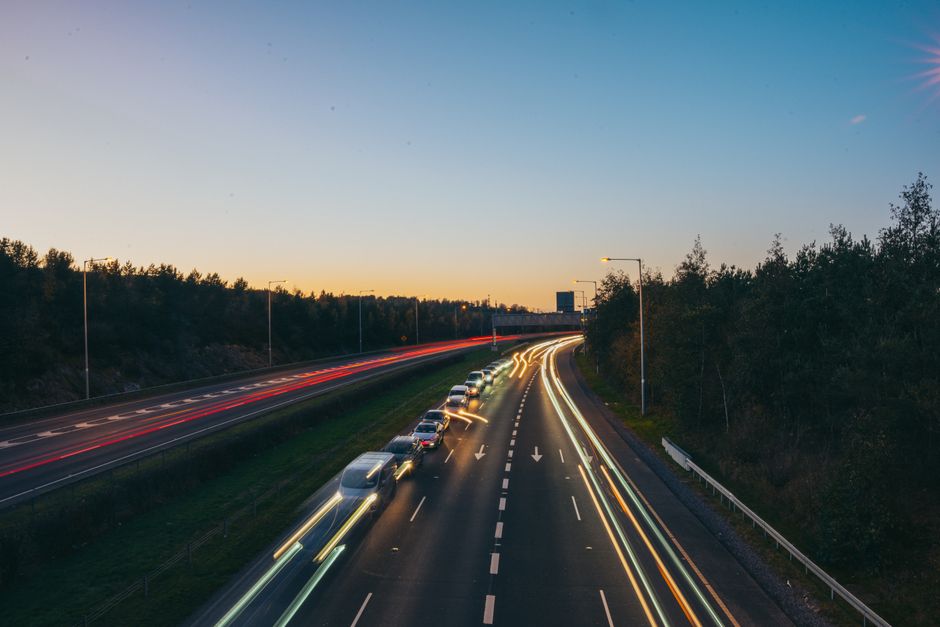
It’s still early days, but in the long run, automated route optimization will link up with self-driving delivery vehicles and drones. These systems won’t just plan great routes for human drivers. They’ll also handle the intricate dance of robotic deliveries.
Once they’re common, self-driving vehicles will completely depend on advanced optimization algorithms. They’ll use them to navigate, dodge obstacles, and finish deliveries all on their own. This partnership will mean unheard-of efficiency, round-the-clock operations, and a massive drop in labor and fuel costs.
Hitting sustainability goals and cutting carbon.
Environmental worries are only getting bigger. So, the impact of automated route optimization will be crucial for hitting sustainability targets. Constantly figuring out the most fuel-efficient routes means businesses can drastically cut their carbon emissions. This isn’t just about saving money, though. It’s about being a responsible company.
Lots of customers and regulators by 2026 will care about eco-friendly operations. Companies that use route optimization can proudly show off their smaller environmental footprint. That makes their brand look better and helps them meet green logistics rules. This double win—saving money and being good to the environment—makes optimization a must-have tool for any business looking to the future.

The impact of automated route optimization on slashing last-mile fuel costs is clearly huge and touches so many areas. It gives a real edge to businesses pushing for efficiency, lower costs, and amazing customer service in today’s tough market. Technology just keeps getting better. So, these systems will only become more capable and beneficial, making them a must-have investment for any modern logistics operation.
Frequently Asked Questions
How quickly can businesses see ROI from route optimization?
Most businesses usually see their money back (ROI) within 3 to 6 months after putting automated route optimization software to work. Exactly how long it takes depends on your fleet size, how inefficient you were to start with, and how big the implementation is.
Is automated route optimization only for large fleets?
Nope, automated route optimization helps fleets of all sizes. That’s from small businesses with just a few vehicles to huge companies. Lots of solutions offer flexible pricing and features. So, they’re accessible and valuable for all sorts of operational needs.
What data is needed for effective route optimization?
For route optimization to really work, you need customer addresses, delivery time windows, vehicle capacities, driver availability, and live traffic info. Past data, like average stop times and regular traffic patterns, also makes it more accurate.
Does route optimization account for driver breaks and regulations?
Yes, absolutely. Advanced route optimization software can be set up to follow driver break rules, hours-of-service regulations, and other specific industry guidelines. This makes sure routes are not just efficient, but also compliant and safe.
Can route optimization adapt to sudden changes?
Totally. Modern automated route optimization systems are built with dynamic rerouting. They can adapt instantly to unexpected stuff like traffic accidents, urgent new orders, or customer cancellations, recalculating the best paths on the fly.