Quick answer: Managing direct store delivery receiving effectively involves a systematic approach to vendor check-in, precise physical verification of goods, and rigorous invoice auditing at the back door to prevent losses and maintain inventory accuracy. Implementing robust procedures and using technology helps make sure products are received correctly, discrepancies are identified promptly, and financial integrity is upheld across all operations.
Key Takeaways
- Direct Store Delivery (DSD) receiving directly hits inventory, cash flow, and loss prevention, making efficient management absolutely vital.
- Good DSD processes include getting ready before arrival, thorough vendor check-in, accurate physical receiving, and immediate back-door invoice auditing.
- Technology like mobile scanning and automated reconciliation software significantly streamlines DSD operations and boosts accuracy.
- Proactive invoice auditing at the point of delivery is crucial to catch discrepancies in quantity, pricing, and promotional allowances before they impact profitability.
- Good practices such as clear Standard Operating Procedures (SOPs), comprehensive staff training, and strong vendor compliance programs really matter for success.
- Looking ahead to 2026 and beyond, we’ll likely see more AI, blockchain, and robotics adopted to further optimize DSD receiving.
Managing direct store delivery receiving is a big deal for any retail or food service business. It hits everything: inventory control, loss prevention, and your bottom line. This isn’t just some nitpicky task. When you pair it with thorough invoice auditing right at the back door, you make sure you get what you paid for and nothing less.
Good DSD management makes things run smoother. It cuts down on expensive mistakes. And it protects your finances by catching problems before they blow up.
Why is Managing Direct Store Delivery Receiving So Critical?
So, why is managing direct store delivery receiving so important? Well, DSD vendors often bypass your central warehouse, delivering goods straight to individual store locations. This setup is great for fresh stuff and getting things fast for certain items, but it does throw up some tricky challenges for inventory accuracy and financial control.
DSD products, like fresh produce, baked goods, or snacks, are usually fast-movers. If you don’t receive them right, your shelves might be empty. And even a few miscounts or damaged items can quickly make customers unhappy and cost you sales.
Plus, if you’re not paying attention, you could end up with the wrong amounts or damaged products. That means shrinkage and messed-up inventory counts. Good receiving practices are your first defense here, protecting your profits and keeping things running smoothly.
What are the Key Steps in Effective Direct Store Delivery Receiving?
So, what goes into effective direct store delivery receiving? It’s a series of steps, really, starting well before the delivery truck even shows up. Every step here is vital to keep things accurate, stop losses, and make sure your supply chain hums.
First off, you prepare for arrival. That means scheduling deliveries, making sure the dock is clear, and having trained folks ready to go. Good scheduling stops everything from getting jammed up and keeps inspections from being rushed.
When the truck gets there, checking in the vendor is your next big step. Your receiving team confirms who the vendor is and checks their delivery manifest against what you had scheduled. This way, only authorized deliveries get through.
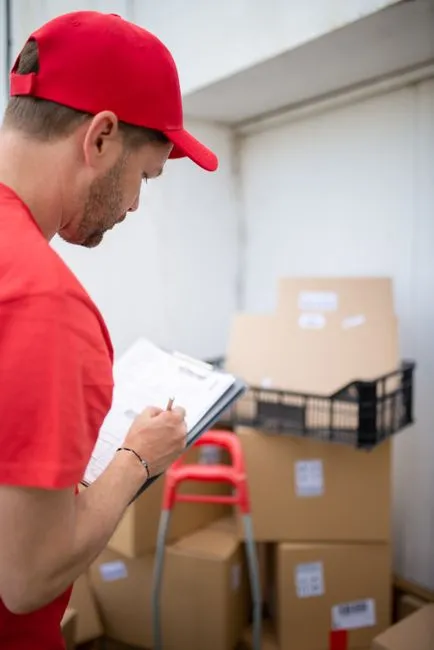
Then comes the actual physical receiving. You’ve got to count everything carefully, look for damage or spoilage, and check product temperatures if needed. And comparing what you physically have against the vendor’s invoice or manifest? That’s a must-do.
Right after you’ve checked everything physically, you audit the invoice right there at the back door. This means comparing the physical count and condition line-by-line against the invoice. See any issues? Note them and sort them out with the driver before they head off.
Finally, once you’ve accepted the goods, they go to their storage spots. This helps with good inventory rotation and makes sure things are ready for sale fast. Every single step here helps make your DSD receiving accurate and smooth.

How Can Technology Streamline DSD Receiving?
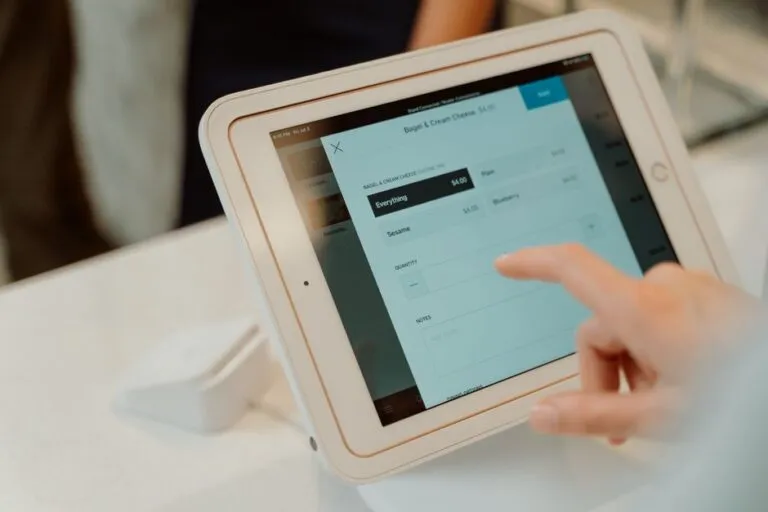
Technology really amps up how efficient and accurate DSD receiving operations can be. Think mobile scanners and handheld terminals. Your receiving staff can quickly scan barcodes, confirm product info, and log quantities right then and there.
Automated proof-of-delivery systems capture digital signatures and time stamps, creating a permanent record of every transaction. So, no more stacks of paper, and way better accountability. Plus, these systems can plug straight into your inventory management software, updating stock levels instantly.
Connecting all this with your existing inventory and accounting systems is huge. This smooth data flow cuts down on manual entry mistakes and gives you immediate insight into what’s coming in. And it means faster reconciliation and easier dispute resolution.
What Are Common Challenges in DSD Receiving?
Businesses often hit a few snags when they’re managing direct store delivery receiving. Damaged goods, shorts (not enough delivered), or overages (too much delivered) are common headaches. They directly affect your profits and how accurate your inventory is.
Then there are invoice problems, like wrong pricing or promotions not being applied. Miss these during the back-door audit, and you’re overpaying. And let’s not forget vendors who don’t play by the rules – late deliveries, incomplete paperwork – that just makes everything harder.
Many stores, especially busy ones, just don’t have much receiving space. That can cause backups and force hurried, mistake-filled inspections. And finally, if your staff isn’t properly trained on receiving and auditing, you’re pretty much guaranteeing these challenges will pop up.
Auditing DSD Invoices: Preventing Profit Loss at the Back Door
Auditing DSD invoices right at the back door? That’s a super important way to stop losing money. This quick check stops money from leaking out because of differences between what you ordered, what came, and what the invoice says.
Catching errors quickly means before products even hit the shelf. You can sort things out with the driver right then, often getting immediate corrections or credit memos. This proactive approach saves a ton of time and hassle compared to trying to fix things after the delivery’s long gone.
You’ll often find things like wrong quantities, incorrect prices for certain items, or promotions that weren’t applied. Every single one of these errors, no matter how small, eats into your profit margins over time if you don’t fix it.
Good auditing means comparing the physical count against the invoice details, line by line. Your receiving staff absolutely needs to feel comfortable questioning anything that’s off. And digital tools, like mobile apps connected to purchase orders, can really speed up this whole verification process.
If you let DSD invoice errors slide, they can pile up, costing you big money by year-end. So, a solid back-door auditing process isn’t just good; it’s essential for smart inventory and financial management.

What Digital Tools Support Invoice Auditing?
Digital tools have totally changed the game for DSD invoice auditing. Electronic Data Interchange (EDI) systems, for instance, let businesses get invoices electronically. That means faster, more accurate data processing and fewer manual entry mistakes.
Automated invoice reconciliation software compares digital invoices to your purchase orders and receiving records. It automatically flags any differences – quantity, price, terms – speeding up the auditing process dramatically.
What’s more, data analytics platforms can dig into DSD invoice data over time. They can pinpoint recurring problems with certain vendors, product types, or delivery slots. That kind of insight helps a lot with vendor negotiations and making ongoing improvements.
Implementing Best Practices for Managing Direct Store Delivery Receiving
Successfully managing direct store delivery receiving really hinges on setting up and sticking to the best practices. They give you a solid framework for efficiency, accuracy, and accountability through every step of receiving.
Developing clear Standard Operating Procedures (SOPs) is absolutely fundamental. These detailed guides lay out every single step, from scheduling and check-in to physical checks and invoice auditing. SOPs make sure things are consistent, no matter who’s doing the job.
Putting strong vendor compliance programs in place is also super important. You should clearly tell DSD vendors what you expect: delivery times, paperwork needed, product quality standards. If they don’t comply, there should be consequences.
Thorough staff training is another bedrock principle. Your receiving team needs deep training on SOPs, loss prevention, and how to actually use any tech you’ve got. Regular refreshers keep them sharp.
Finally, regularly reviewing how your DSD receiving process performs and routinely auditing DSD invoices helps you find spots to get better. And building a culture of continuous improvement keeps the whole process strong and able to adapt as things change.

How Does Vendor Relationship Management Impact DSD?
How you manage vendor relationships really affects how well your DSD operations succeed. When you have open communication, built on trust and mutual responsibility, you’ll see fewer errors and quicker problem-solving.
Setting up preferred vendor agreements can make processes even smoother. These often cover things like specific delivery times, standardized paperwork, and clear rules for dealing with discrepancies. That really cuts down on confusion.
Regularly giving vendors feedback is key. Share performance data, talk about where things could improve. That helps both of you run better. Strong relationships encourage working together, not fighting, when problems pop up.
What Future Trends Will Shape DSD Receiving in 2026 and Beyond?
The world of DSD receiving is going to change a lot by 2026 and beyond. Technology and new supply chain demands are pushing it. So, businesses need to get ready to adapt to these upcoming trends.
Artificial intelligence (AI) and machine learning (ML) will have a bigger hand in predicting things. AI can predict delivery volumes, fine-tune receiving schedules, and even spot potential vendor issues before they even happen. That kind of proactive approach just makes everything more efficient.
Blockchain tech will bring better transparency and traceability across the whole supply chain. For DSD, that means a permanent record of where products came from, temperature logs, and delivery confirmations. That cuts down on fraud and arguments a lot.
Robotics and automation, especially in bigger receiving docks or warehouses dealing with DSD items, could help unload, sort, and even put things away initially. Automated guided vehicles (AGVs) could shuttle goods to storage, letting your staff focus on inspections and audits.
Better real-time data integration? That’s going to become standard. Smooth connections between DSD vendor systems, store receiving apps, and ERP platforms will give you unmatched visibility and control over incoming inventory. And that means you can make decisions way faster.
Finally, sustainability in logistics will become a bigger deal. DSD operations might focus more and more on optimizing delivery routes, using electric vehicles, and trying out eco-friendly packaging. That lines up with bigger corporate responsibility goals for 2026 and beyond.

Frequently Asked Questions
What is Direct Store Delivery (DSD)?
Direct Store Delivery (DSD) is a distribution method where vendors deliver products directly to retail stores, bypassing a retailer’s distribution center. It’s often used for perishable goods, snacks, or beverages.
Why is back-door invoice auditing important for DSD?
Back-door invoice auditing is super important because it lets you immediately check delivered goods against the invoice right when you receive them. This catches discrepancies like incorrect quantities or pricing before the vendor leaves and prevents financial loss.
How often should DSD receiving staff be trained?
DSD receiving staff should get comprehensive initial training, and then go through refresher sessions at least once a year, or whenever new procedures, technologies, or vendor requirements come out.
Can small businesses implement effective DSD receiving processes?
Yes, small businesses can absolutely put effective DSD receiving processes in place. They can do this by setting clear manual SOPs, assigning specific receiving roles, and using basic digital tools like spreadsheets or simple mobile apps for tracking and verification.
What is the role of communication in DSD management?
Communication is paramount in DSD management. Clear and consistent communication with DSD vendors helps set expectations, resolve issues quickly, and build stronger, more reliable supply chain partnerships.
What are the biggest risks of poor DSD receiving?
The biggest risks of poor DSD receiving include a lot of inventory shrinkage, losing money from bad invoices, rotten or damaged goods ending up on shelves, and inefficient operations that make customers unhappy and drive up labor costs.