
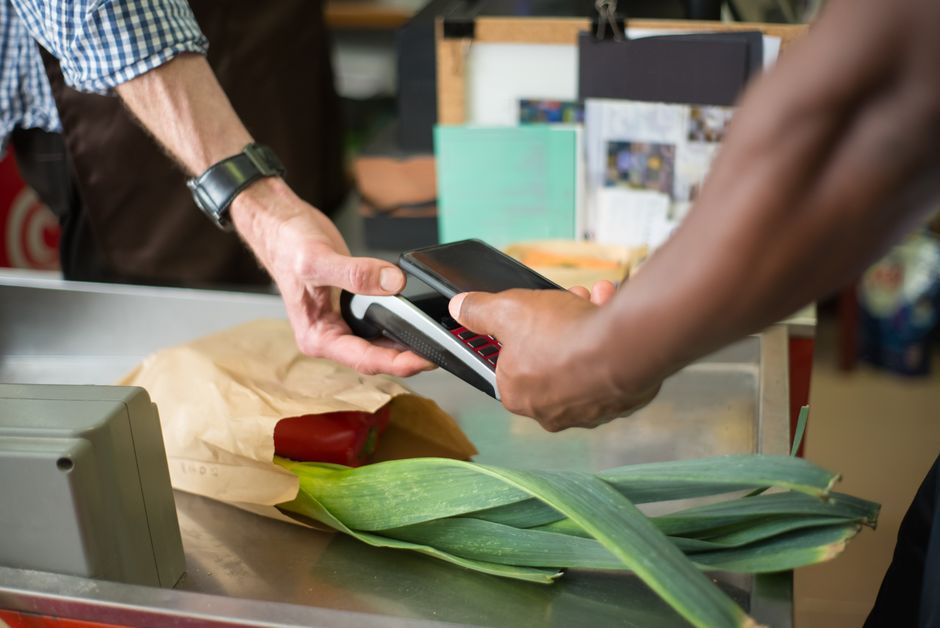
Quick answer: Contactless payment terminals use Near Field Communication (NFC) to make transactions fast and secure. They really speed up checkouts in stores. Customers just tap their card or phone, and that’s it. No swiping, no inserting, no signing. It makes paying easier for everyone — shoppers and businesses alike.
Key Takeaways
- Contactless payment terminals use NFC tech for quick data swaps between devices.
- You just tap your card, phone, or watch; no old-school payment steps needed.
- Things like tokenization and dynamic cryptograms keep your financial info safe.
- Businesses get shorter lines, run smoother, and keep customers happier.
- By 2030, over 85% of transactions globally will likely be contactless, all thanks to how easy and secure they are.
- Expect future contactless payments to fold in biometrics and smart AI for fraud checks.
How do contactless payment terminals work?
So, how do contactless payment terminals actually work? Well, it all comes down to Near Field Communication (NFC). Think of NFC as a super short-range wireless tech that lets two devices talk to each other when they’re really close – just a few centimeters apart. It’s the core of today’s tap-to-pay systems, completely changing how we buy stuff in stores.
When you tap your card, phone, or even a wearable device against one of these terminals, the tiny NFC chips inside both items swap encrypted payment info. This happens almost instantly. So you get a quick, secure transaction without anything actually touching.
What is NFC technology and how does it enable contactless payments?
NFC isn’t entirely new; it’s a specific kind of radio-frequency identification (RFID). But it’s really good at creating a secure, low-power link to move data over tiny distances. It lets things like the store’s point-of-sale (POS) terminal and your payment card talk wirelessly, just by being close enough to “touch.”
And that close-up communication is key for contactless payments. See, it stops anyone from grabbing your data if they’re too far away, and it makes sure your payment goes through super fast and smooth. The tech right inside a contactless payment terminal essentially acts as a listener, figuring out the encrypted data sent from your payment method.
How do secure transactions occur with these terminals?
Of course, security is super important for anything money-related. And contactless payment terminals? They’re actually built with tons of protection. Here’s how it works: when you tap your device, your actual card number doesn’t get sent directly. Instead, the system creates a unique, encrypted “token” just for that one transaction.
This whole process is called tokenization. It swaps out your real, sensitive card details for a random string of numbers. That makes it incredibly tough for fraudsters to snatch and use your data. Plus, every single contactless transaction creates something called a dynamic cryptogram – it’s a one-time-use code that adds even more security and guards against skimming or counterfeiting.
Why are contactless payment terminals faster than traditional methods?
So, why are these contactless payment terminals so much quicker than the old ways? Simple: they get rid of a bunch of annoying steps. That whole ‘tap-and-go’ thing means your transaction is done in mere seconds, way faster than shoving in a chip card or swiping a magnetic stripe.
Think about it. You don’t have to stand around waiting for a chip card to process. You usually don’t sign a receipt for smaller buys, and often, you won’t even need to punch in a PIN. Cutting out those steps directly means shorter lines and a smoother flow of people through checkout, especially when things get busy.
How do they improve customer experience?
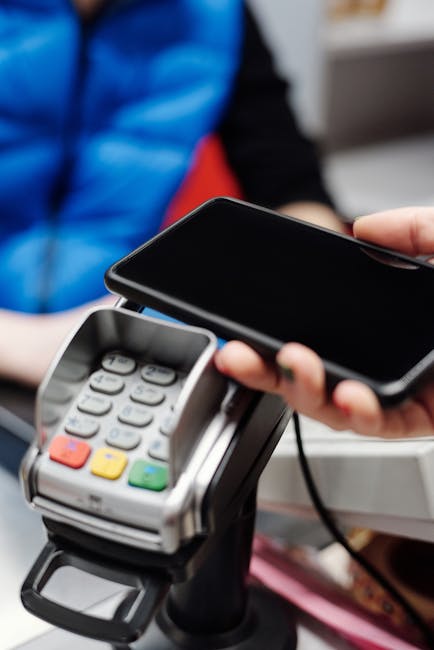
You know, the speed and sheer convenience you get from contactless payment terminals really make shopping better. People just love tapping their device and moving right along, no fuss. That’s super true in places where speed matters, like coffee shops, grocery stores, or any quick-service spot.
But it’s not just about speed. These days, not having to physically touch a terminal or deal with cash feels a lot cleaner, and that’s a big deal for many. This smooth, easy interaction makes customers happier, which means they’ll likely come back. And that’s a win for retailers’ brand image.
What operational benefits do businesses gain?
Businesses don’t just get happier customers, though that’s certainly a perk. These payment terminals cut down the time staff spend on each sale, freeing them up to help more shoppers or tackle other important jobs. That bump in efficiency can really save on labor costs and let them serve more people overall.
And then there’s speed. Faster transactions mean fewer people giving up on a purchase because the line’s too long – that’s a direct sales boost. Plus, since everything’s digital, businesses can reconcile their books way faster, cutting down on those pesky human errors from counting cash or typing in data by hand.
What are the key advantages of implementing contactless payment terminals?
Look, putting in contactless payment terminals brings a ton of upside for any business wanting to get modern and keep up with what customers expect. Seriously, from super secure transactions to just running things better overall, the perks are pretty hard to ignore in our digital world.
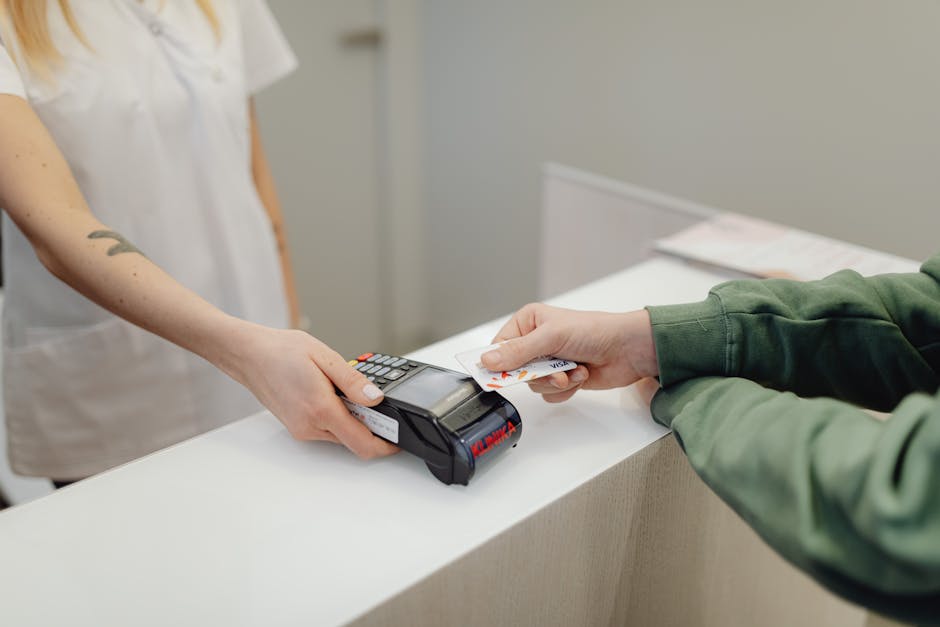
They don’t just make it easier for people who prefer digital payments; they also show customers you’re a forward-thinking business that cares about them. And integrating these terminals with your existing point-of-sale systems? It’s usually a pretty smooth switch for most merchants.
Are there any potential challenges for businesses adopting them?
Sure, there are tons of benefits, but businesses thinking about adding contactless payment terminals might hit a few bumps at first. The big one? That upfront cost. You might need to upgrade your current POS hardware or buy brand new terminals. But honestly, the savings you’ll see down the line and the extra sales usually make that initial spend well worth it.
Then there’s training your staff. You’ll want to make sure they know how to help customers and fix little problems. Plus, for some really small businesses, getting everything integrated can seem a bit scary without the right help. So, good training and solid vendor support? They’re your best bet for getting past those hurdles.
What future trends are expected for contactless payment technology?
The world of contactless payment tech just keeps changing, doesn’t it? We’re seeing some pretty cool innovations on the horizon, all designed to make things even easier and safer. By 2028, for instance, experts figure we’ll see a big jump in biometric payments. Think fingerprint or facial recognition swapping out your usual card or device tap.
And wearables like smart rings and watches? They’re going to become a much bigger way to pay with a tap. Also, artificial intelligence (AI) will be a huge player in spotting fraud right as it happens, making transactions safer and quicker still. All these improvements point to a future where paying is practically invisible and super secure.
How will mobile wallets continue to evolve?
Mobile wallets, you know, like Apple Pay and Google Pay, are leading the charge in how contactless payments are changing. They’re already doing way more than just letting you pay. By 2027, the prediction is these platforms will really blend with loyalty programs, digital IDs, and even your public transit pass. That’ll create a single, all-in-one digital identity and payment hub.
And your experience using them? It’s going to get even more personal, with offers popping up based on your location and super smooth connections to online shopping. As smartphones get smarter, mobile wallets will use better security features and slicker interfaces. They’ll just cement their spot as the go-to payment method for millions worldwide.
Frequently Asked Questions
How secure are contactless payment terminals?
They’re really secure. Contactless payment terminals use high-level encryption, tokenization, and those dynamic cryptograms for every single transaction. This often makes them safer than old-school swipe or chip-and-PIN methods because your sensitive card data is never out in the open or saved anywhere.
Can I use my phone with all contactless terminals?
Yep! If your smartphone has NFC (think Apple Pay, Google Pay, or Samsung Pay), you can use it with pretty much any modern contactless payment terminal out there. Just make sure the terminal shows that familiar universal contactless symbol.
What’s the maximum transaction limit for contactless payments?
That limit, for contactless payments without a PIN, changes depending on where you are and your bank. It usually falls somewhere between $50 and $250. For bigger purchases, though, you might still need a PIN for extra security, even if you’re paying contactlessly.

Do contactless payments cost businesses more?
Generally, the fees for processing contactless payments are about the same as what you’d pay for regular chip card transactions. Sure, you might have to spend a bit upfront on the right hardware, but businesses usually find that the operational efficiencies save them money in the long run.
How can a business install contactless payment terminals?
A business can set up contactless payment terminals in a couple of ways. They could upgrade their current point-of-sale (POS) systems, or they might buy brand-new, NFC-ready terminals from a payment processor or hardware supplier. Getting them integrated usually means some software updates and setting things up correctly with the business’s existing payment setup.