


Quick answer: Smart inventory valuation methods leverage advanced software and real-time data to provide highly accurate, up-to-the-minute assessments of inventory value, directly enhancing the precision of a company’s balance sheet and financial reporting. These modern approaches move beyond traditional accounting methods by integrating technologies like AI and IoT to offer dynamic, reliable insights into asset valuation and cost of goods sold (COGS).
Key Takeaways
- Smart methods use AI, machine learning, and IoT for real-time tracking and valuing inventory.
- They make balance sheets and Cost of Goods Sold (COGS) calculations much more accurate.
- Modern software automates complex valuation, cutting down on human errors.
- Businesses get better insights for big decisions on pricing, buying, and selling.
- These methods boost compliance with accounting rules and simplify audits with clear data.
- Adopting smart valuation helps reduce risks like old or overstocked items, leading to better profits.
Why Smart Inventory Valuation Methods Are Essential for Today’s Businesses
Sure, traditional inventory valuation methods — like FIFO (First-In, First-Out), LIFO (Last-In, First-Out), and weighted-average — have been around forever. But let’s be real, in today’s tricky markets and tangled supply chains, those old ways often miss the mark. They just can’t keep up with the true, constantly shifting value of your stock, and that means your financial statements can easily get skewed.
So, smart inventory valuation methods step in. They fix these issues by bringing in advanced technology and real-time data. We’re talking about moving past just historical costs to get a much clearer, more current financial picture. This change isn’t just nice to have; it’s vital for businesses that deal with fast-moving inventory, unpredictable costs, or perishable goods. If you’re not valuing things quickly, your financial health can look totally different from reality.
What’s Wrong with Traditional Inventory Valuation?
Traditional methods usually rely on counts done periodically and costs from the past. That means there’s a big delay in information. Your balance sheet might not actually show what your inventory is worth right now, or what your goods truly cost when you sold them. And these kinds of misalignments? They can lead to all sorts of problems: bad pricing, wrong profit numbers, and even poor decisions about what to buy.
Consider this: during times when prices are soaring or plummeting, FIFO and LIFO can paint wildly different pictures of your profits and inventory value. That kind of uncertainty leaves everyone guessing about your company’s actual performance. Modern software solutions? They offer a dynamic way out of that mess.

What Technologies Power Smart Inventory Valuation Methods?
At its heart, smart inventory valuation methods work because they’ve got advanced tech built right in. These tools automatically collect, process, and analyze data, totally changing how companies see and manage their inventory. This tech isn’t just some accounting add-on; it becomes a strategic lever for your whole operation.
Artificial Intelligence (AI) and Machine Learning (ML), for instance, play a huge part. They can predict future inventory needs and how values might shift. And then there’s the Internet of Things (IoT), which gives you real-time tracking and tells you what condition your items are in. Cloud-based platforms then pull all this data together, making it easy to access and act on, no matter where you are.
How Does AI Make Inventory Costing Smarter?
AI algorithms can chew through huge amounts of data. We’re talking historical sales, market trends, supplier prices, and even broader economic signals. This predictive power helps you forecast demand and figure out the best pricing strategies. And that, in turn, impacts how you value your inventory on paper.
Say AI spots a pattern that hints at a coming spike in demand for one of your products. It tells you. Then you can proactively adjust that product’s valuation. This predictive foresight really cuts down the risk of having outdated inventory. And it makes sure your inventory costing for financial reports, especially in 2026 and beyond, is spot on.
What Role Does IoT Play in Real-time Valuation?
IoT devices, like RFID tags and smart sensors, constantly feed you data. They tell you where your inventory is, where it’s going, and what condition it’s in. This information is absolutely vital for valuing your goods accurately, especially if they’re sensitive to things like temperature or have a short shelf life.
Knowing the exact state and location of every item helps you reduce losses and makes your inventory records far more precise. That real-time visibility means your balance sheets show the most current, verifiable asset values. And that’s key for transparent financial statements.
How Do Smart Methods Improve Balance Sheet Accuracy and Financial Reporting?
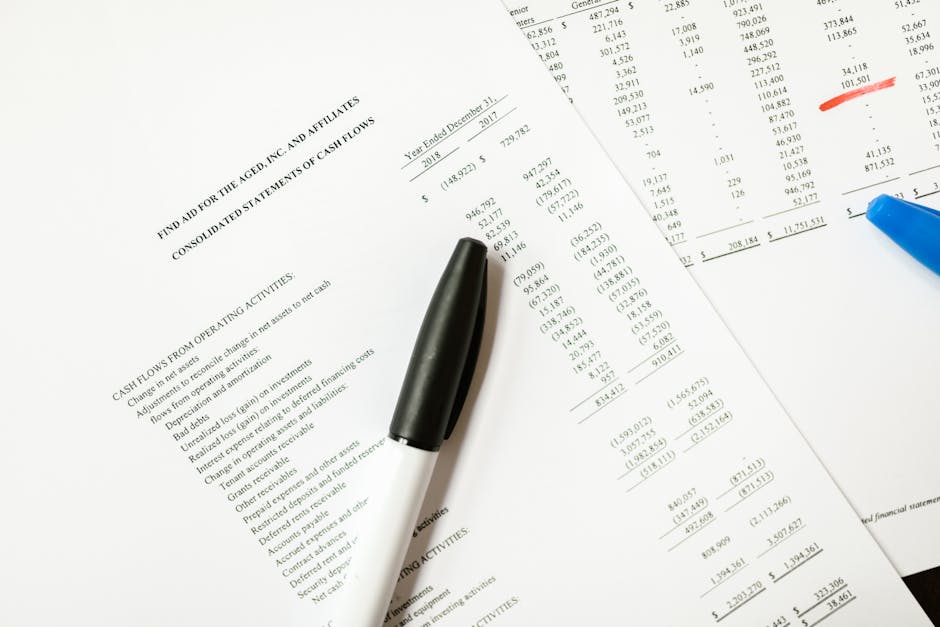
Look, the main reason to use smart inventory valuation methods is to make your financial statements, especially your balance sheet, way more reliable. By giving you a clearer picture of your inventory assets, these methods ensure your financial reports truly reflect your company’s economic standing. That kind of precision is incredibly valuable for investors, lenders, and your own management team.
When balance sheets are accurate, your financial reporting earns trust. And that trust helps you allocate capital better. If smart systems constantly update and verify inventory values, your financial statements become a powerful tool, not just for strategic planning, but for talking to the outside world, too.
What’s the Impact on Cost of Goods Sold (COGS)?
Accurate inventory valuation directly means accurate Cost of Goods Sold (COGS). When you correctly assess the value of inventory at every step, the expense you record for sold items is also correct. This directly affects your gross profit, and, as a result, your net income.
If your COGS is wrong, you might be overstating or understating your profitability. That paints a misleading financial picture. Smart methods ensure the actual cost of items leaving your inventory is precisely calculated. That gives you a solid base for profit analysis and tax reporting.
How Do They Help You Make Better Financial Decisions?
With real-time, accurate inventory data, your management team can make better decisions about pricing, purchasing, and production. Really understanding the true cost and value of your inventory helps you set competitive prices, buy the right quantities, and cut down on holding costs. This proactive approach minimizes financial risks and helps you jump on market opportunities.
For example, if your smart systems flag a rapid increase in the cost of a certain raw material, management can adjust future purchases or product pricing right away. This kind of flexibility is a big sign of businesses that truly leverage advanced inventory valuation.
Implementing Smart Inventory Valuation in Your Operations
Moving to smart inventory valuation methods isn’t something you do overnight. You need a structured approach, starting with a good hard look at your current processes. It’s not just about getting new tech; it’s also about refining your workflows and training your people. Yes, there’s an initial investment, but the long-term gains in accuracy and efficiency quickly pay that back.
Careful planning means a smooth setup. It keeps disruptions minimal while you get the most out of these advanced systems. And choosing the right software partner? That’s a huge step. Their expertise can guide you through integrating these complex technologies successfully.

What Steps Go Into Switching to Smart Methods?
First off, you’ll need a full audit of your current inventory management and valuation practices. That helps you pinpoint problems and figure out where you can improve. Next, you’ve got to pick an ERP or inventory management system that can actually handle advanced analytics and capture data in real time. That’s essential.
Data integration is a key phase. This means linking all your different operational systems with the valuation software. Finally, make sure your staff gets thorough training on new processes and how to use the software. That’s how you ensure everyone adopts it well and gets the most out of your smart valuation tools.
What Challenges Might Pop Up During Implementation?
One common snag is making sure all your inventory touchpoints consistently feed high-quality data. If your data’s poor, even the fanciest valuation systems won’t work right. Another hurdle is the upfront cost for new software and hardware; you’ll definitely need a solid business case to get that approved.
And then there’s employee resistance. People are often used to the old ways. So, strong change management, with clear communication and thorough training, is absolutely crucial. You’ll need it to get past these challenges and ensure a successful rollout by 2026.
What Future Trends Will Shape Inventory Valuation?
The story of smart inventory valuation methods isn’t over. Several new trends are coming, and they’re set to totally change the game again. These advancements promise even more automation, better predictions, and deeper integration with the wider supply chain. Businesses that stay on top of these trends will keep a serious competitive edge. Expect these innovations to become standard by 2030.
For example, greater integration with blockchain technology could mean unchangeable records of where inventory came from and where it’s moved. That boosts transparency and trust. And AI will keep advancing, letting us build hyper-personalized valuation models that adapt to unique business situations and market conditions in real-time.
How Will Advanced AI Make Valuation Models Even Better?
Future AI models won’t just predict what might happen; they’ll tell you what to do about it. We’re talking prescriptive analytics. The system won’t just guess; it’ll recommend the best actions for managing and valuing your inventory. And these models will learn non-stop, adapting to new data and getting more and more accurate.
Expect AI to pull in even more outside information, like geopolitical events or crazy weather patterns. It’ll give you a full risk assessment for your inventory values. This kind of foresight will bring incredible precision to financial reporting and how you plan for the future.
Will Blockchain Affect Inventory Provenance and Valuation?
Blockchain technology offers a decentralized, transparent, and unchangeable ledger for tracking assets all through the supply chain. While it’s not a valuation method itself, it can verify an item’s authenticity, origin, and transaction history. That indirectly makes valuation much more accurate. You get an undeniable audit trail.
This added transparency can cut down on fraud, confirm ethical sourcing, and provide solid cost data. All of that helps you get a more reliable inventory valuation. Integrating blockchain with your current smart systems will create a powerful partnership for financial integrity in the years ahead.
Frequently Asked Questions
What are smart inventory valuation methods?
Smart inventory valuation methods are advanced techniques that use modern software, AI, IoT, and real-time data to accurately determine the current value of a company’s inventory, moving beyond traditional accounting assumptions for greater precision.
How do these methods improve balance sheet accuracy?
By leveraging real-time tracking and predictive analytics, smart methods provide an up-to-the-minute assessment of inventory value, ensuring that the balance sheet reflects the most current and verifiable asset data, thereby reducing discrepancies and enhancing financial integrity.
Can smart inventory valuation help reduce inventory write-offs?
Yes, absolutely. Through advanced forecasting and real-time monitoring of inventory conditions, smart methods help identify slow-moving or at-risk stock earlier, allowing businesses to take proactive measures like promotions or reallocations, thereby minimizing write-offs due to obsolescence or damage.
Are smart inventory valuation methods suitable for all business sizes?
While often associated with large enterprises due to initial investment costs, scalable cloud-based solutions are making smart inventory valuation methods increasingly accessible to small and medium-sized businesses. The benefits of accuracy and efficiency can be realized across various scales.
What is the typical ROI for implementing smart inventory valuation software?
The Return on Investment (ROI) can vary, but businesses typically see significant returns from reduced carrying costs, minimized write-offs, improved purchasing decisions, and enhanced financial reporting accuracy. Many companies report recouping their investment within 1-3 years through operational efficiencies and better decision-making.
How do smart methods comply with accounting standards like IFRS or GAAP?
Smart methods do not replace accounting standards but rather provide more accurate, real-time data inputs for them. They assist in consistently applying chosen valuation principles (like FIFO or weighted-average) to ensure compliance, offering robust audit trails and enhanced transparency for external reporting.