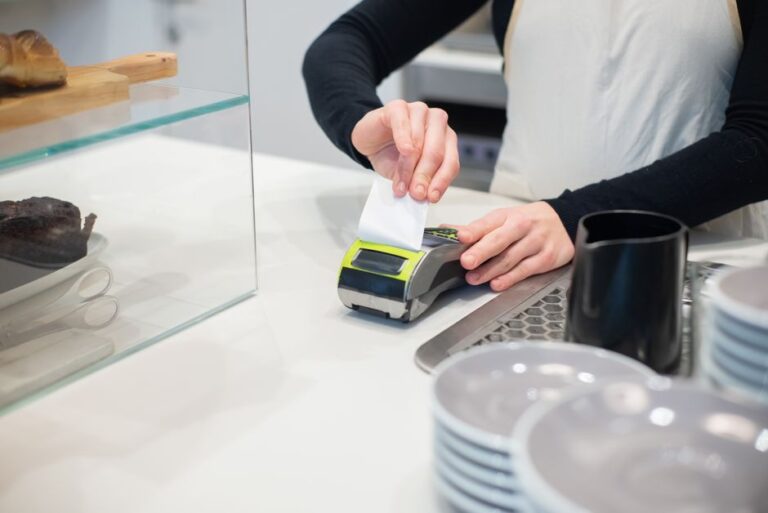


Quick answer: Just put real-time margin alerts inside your POS system, and it’ll instantly flag any transaction that dips below your set profit thresholds. That lets your wholesale business jump in right away to fix things. This isn’t just about spotting problems; it stops money from draining away, fine-tunes your pricing, and really keeps those vital profit margins safe on every single sale.
Key Takeaways
- Real-time margin alerts stop profit loss dead by flagging low-margin sales the moment they happen.
- POS integration means data gets captured instantly and you get actionable notifications right at the point of sale.
- Suddenly, you can tweak pricing on the fly and negotiate better, all thanks to those instant margin insights.
- Automated alerts cut down on human errors and just make everything run smoother.
- Wholesale distributors end up with more profit and a healthier balance sheet.
- The data from these alerts feeds into smarter sales and product plans for the long haul.
Wholesale distribution? It’s a tough world, running on razor-thin margins. Every single sale could mean profit or loss, and often, it all boils down to tricky pricing, discounts, and operating costs. Get information too late in this game, and you’re in real trouble. So, understanding what each sale really means for your money, right away? That’s not just helpful; it’s essential if you want to survive and grow.
And that’s exactly where the power of real-time margin alerts inside your POS system comes in — it’s indispensable, really. These integrated tools give your sales teams an instant financial snapshot. They can make smart decisions and protect profits right there, on the spot. So, by flagging transactions that might hurt your bottom line, these alerts flip the script: instead of just reacting to problems, you’re actively protecting your profits.
What Are Real-Time Margin Alerts and Why Do They Matter?
Okay, so what are real-time margin alerts? They’re basically automatic pings that pop up in your Point of Sale (POS) system if a transaction’s calculated profit margin dips below a level you’ve already set. This kind of heads-up is super important for wholesale businesses, especially since so many deal with big volumes and really complex pricing. That instant notification means you spot potential profit loss the second it happens, not weeks later when someone finally reviews the books. That’s a huge difference.
These alerts give an immediate warning, stopping your sales team from accidentally selling products at prices that won’t make money. They factor in everything: cost of goods, any discounts you’ve negotiated, freight charges, and other variables too. Without a system like this, businesses just bleed money. You’ll see your overall profits for fiscal year 2026 disappear bit by bit.
How Do Real-Time Margin Alerts Inside Your POS System Work?
So, how exactly do you get these real-time margin alerts into your POS system? It involves a few processes that all connect, making sure everything runs smoothly and you get instant feedback. Basically, it all hinges on having accurate data synced up and clear business rules set beforehand. If you understand this workflow, you’ll get the most out of it.
Data Synchronization: The Foundation of Accuracy
The whole alert system lives or dies by good data management. Your POS just has to connect perfectly with your inventory, CRM, and accounting systems. This way, you always have accurate, current cost data, pricing tailored for each customer, and all your past sales info right there. Use old cost numbers, for example, and you might get false alarms — or worse, you’ll miss those low-margin sales entirely.
So, when a sales person scans an item or punches in quantities, the POS instantly grabs the newest cost data from your inventory. At the same time, it pulls any special customer pricing, discount levels, or contract deals from your CRM. This base layer of data? It makes sure your margin calculations are always spot on and make sense.
Defining Profitability Thresholds: Setting Your Boundaries
Before these alerts can even work, you need to set clear profitability thresholds right inside your POS system. Think of them as your absolute minimum acceptable gross margin percentages, either for single products or whole transactions. Most businesses don’t just use one threshold, though. They’ll set different ones based on product type, who the customer is, or even seasonal demand. Say, a popular core product might have a slightly lower acceptable margin than some niche item that doesn’t move as fast.
And these thresholds aren’t set in stone. You can tweak them as market conditions change, supplier costs shift, or your business strategy evolves. That flexibility to fine-tune these numbers ensures your alert system always matches your current financial goals and how you actually operate, not just for 2027 but for years to come.

Automated Calculation: Instant Financial Analysis
So, while you’re building a transaction, your POS system is silently, instantly crunching the numbers for the gross profit margin. It takes the proposed selling price, then subtracts the actual cost of goods sold, plus any other direct costs tied to that specific sale. This all goes on behind the scenes; your sales associate or customer won’t even notice a delay.
And that speed is absolutely key. It means the system can check profitability before you finalize the sale. That instant analysis is exactly what separates real-time alerts from those old-school reports that only show you margin problems after the deal’s already done.
Triggering Alerts: Immediate Notification
What if a line item or the whole transaction drops below that set margin? The system instantly fires off an alert. This can show up in a few ways: maybe a visual pop-up on the POS screen, a little chime you can hear, or even an email/SMS straight to a supervisor. The whole point is to let the sales person know there’s a potential problem, but without totally messing up their sales process.
Usually, the alert gives you specific details: the exact margin percentage, how much profit you might lose, and sometimes even suggestions on what to do next. This detailed info really helps the sales associate deal with the situation properly, instead of them just thinking, “Oh, there’s a problem.”
Intervention and Resolution: Safeguarding Every Sale
When an alert pops up, the sales person – or a supervisor if needed – can jump in right away. Maybe they’ll adjust the selling price, rethink discounts, or suggest different products. Sometimes, it means talking to the customer to find a price that works for both sides, but still hits your company’s margin goals.
Your system can also be set up to need a manager’s approval for any sale below a really critical margin. That’s an important extra layer of control, stopping accidental or unauthorized sales that would just eat into your profits. So, by using real-time margin alerts inside your POS, wholesale businesses truly make sure every single transaction actually adds to the bottom line.

So, What’s the Real Deal with Real-Time Margin Alerts Inside Your POS in Wholesale?
Look, putting real-time margin alerts in place gives wholesale businesses a massive leg up on the competition. It’s not just about stopping bad sales, either. The benefits reach way further, touching everything from how efficiently you operate, to your big-picture decisions, and your business’s overall financial health.
Preventing Revenue Leakage and Maximizing Profitability
The biggest, most direct win? You immediately stop sales from happening with margins that are too low. Catching these problems right when a transaction is happening means businesses don’t bleed hundreds or thousands of small losses that really add up over time. And that directly translates to higher overall profits, ensuring all your sales efforts actually pay off. This kind of quick action seriously boosts your net profit margins for the upcoming 2027 fiscal year.
Empowering Sales Teams with Actionable Data
Sales people are usually just focused on closing deals and hitting their volume targets. But real-time alerts give them crucial financial context without making them do any complex math. They get to see the instant impact of any discount or price tweak. And that lets them negotiate much better and truly understand how they’re helping the company’s bottom line. It turns your sales staff into smart profit defenders.
Optimizing Pricing Strategies Dynamically
Get instant feedback on your margins, and suddenly your business has amazing insights into its pricing. If specific products keep triggering those low-margin alerts, that’s a clear sign you need to re-evaluate costs, supplier deals, or your base pricing. On the flip side, finding products that always give you high margins? That can help you figure out what to promote more or expand. This ongoing feedback loop means you’re always fine-tuning your pricing, ready for 2028 and beyond.
Reducing Manual Errors and Operational Inefficiencies
Just relying on people to manually check margins, or waiting until after a sale to analyze things? That’s asking for human error and it’s just plain inefficient. Automated real-time alerts get rid of those risks, making sure every transaction is consistent and accurate. And that frees up your team’s valuable time. They can then focus on bigger, more impactful things, like building customer relationships and planning sales strategy.

Enhancing Customer Relationships Through Transparency
While you’re still protecting your margins, the system can also be set up to give sales people options for keeping customers happy. Say a big order triggers a low-margin alert. The associate can then talk directly with the customer about adjusting bulk pricing or maybe offering alternative product bundles. This kind of transparency really builds trust and leads to stronger, longer-lasting B2B relationships. Customers appreciate it when you’re clear about pricing and what they’re getting for their money.
Providing Strategic Insights for Inventory and Purchasing
The data you get from margin alerts isn’t just for making quick sales decisions, either. If you look at the combined alert data, you’ll start seeing trends in product profitability. It really highlights items that are always tough to sell for a decent margin, or those where costs are just shooting up. This kind of intelligence is huge for your purchasing teams. It helps them make smarter calls on negotiating with suppliers, setting inventory levels, and figuring out your product mix for the rest of 2026 and well into the future.
For instance, let’s say a certain product SKU keeps triggering alerts because its acquisition costs are too high. Your purchasing team can then go look for other suppliers or push for better deals. But on the flip side, if some products consistently sell with really strong margins, maybe you should stock more of them or focus your marketing there. This smart feedback loop? It’s a key benefit you get from using these systems.

Frequently Asked Questions
What is the typical setup time for real-time margin alerts inside a POS?
How long does it usually take to set up real-time margin alerts inside your POS? Well, that depends on how complex your current POS and ERP systems are. But typically, you can get a basic integration and setup done in about 2-4 weeks. If you’re looking for a more thorough rollout, that could take 2-3 months, probably by late 2026.
Can different margin thresholds be set for different customer types?
Absolutely! Advanced POS systems that have real-time margin alerts built right in let you get really specific. You can set different acceptable margins for different types of customers, various product categories, or even down to individual SKUs.
What happens if a transaction triggers a real-time margin alert?
If a transaction triggers an alert, your POS system will usually show a notification to the sales person or ask for a manager’s approval to continue. This means you need to act fast, maybe by tweaking the price, using different discounts, or getting the OK to go ahead with that lower-margin sale.
Are real-time margin alerts suitable for all types of wholesale businesses?
Yep, real-time margin alerts are super helpful for pretty much any wholesale business. They’re especially good for companies dealing with complicated pricing, tons of transactions, or if you just need to keep a really tight grip on profits across a big, varied product list – doesn’t matter what industry you’re in.
How do these alerts help with supplier negotiations?
These alerts show you which products consistently give you low margins because their costs are just too high. That gives you solid, concrete data to back you up when you’re negotiating with suppliers. You can then really push for better pricing or start looking for other sourcing options more effectively.
Will real-time margin alerts slow down the checkout process?
Nope, not at all! A properly set-up real-time margin alert system is built to work instantly, behind the scenes. It won’t cause any noticeable delays when you’re checking out. The alerts pop up and show immediately, so your sales stay efficient.