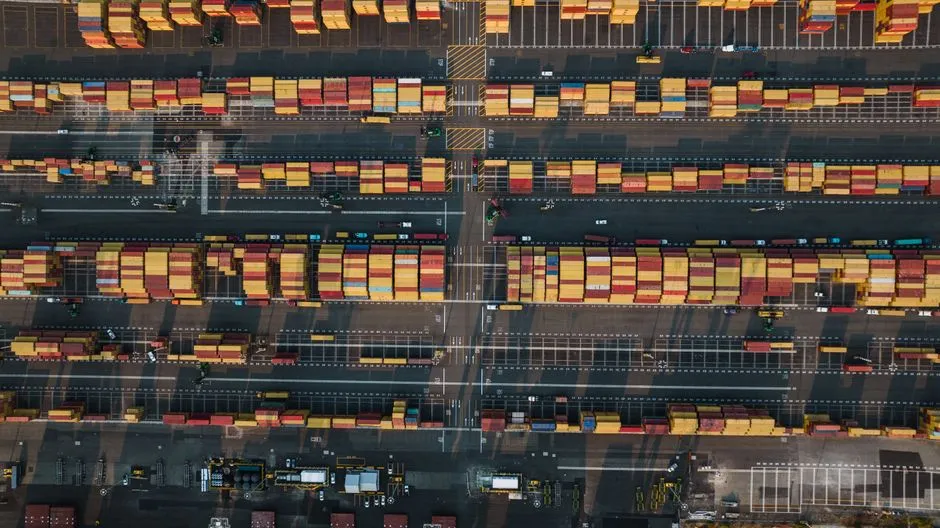
Quick answer: Modern logistics hubs depend on advanced Yard Management Software (YMS) to achieve operational excellence, streamline trailer movements, and ensure real-time visibility across complex yard operations. This technology is critical for reducing costs, improving efficiency, and enhancing security in the fast-paced world of logistics.
Key Takeaways
- YMS provides real-time visibility into trailer locations and statuses, eliminating blind spots and manual tracking errors.
- Automation of gate processes and spot assignments significantly reduces truck turnaround times and labor costs.
- Advanced YMS integrates with existing Transport Management Systems (TMS) and Warehouse Management Systems (WMS) for holistic supply chain management.
- Implementing YMS leads to substantial financial savings by minimizing detention fees, demurrage charges, and optimizing trailer utilization.
- The future of YMS involves AI, IoT, and predictive analytics to further enhance yard efficiency and adaptability.
Supply chains are complicated. And modern logistics hubs depend on advanced yard management software to keep trailers moving smoothly. Think about the sheer volume of goods flowing through distribution centers, manufacturing plants, or cross-dock facilities — they just need precise control. Without a solid system, yards quickly fill up, causing expensive delays and frustrating bottlenecks.
So, Yard Management Software (YMS) acts like a central nervous system for these busy places. It takes your whole yard – everything from when a truck rolls in to when a trailer gets assigned a dock – and makes it digital. It tracks and optimizes every single trailer movement. Frankly, this isn’t some fancy extra anymore; it’s a necessity for any logistics operation that wants to stay competitive.
Why Modern Logistics Hubs Depend on Advanced YMS for Efficiency
Look, how efficient a logistics hub is directly affects its bottom line and its reputation. Manual ways of managing trailers? They’re just slow, error-prone, and they don’t give you the real-time data you need to make good decisions. But advanced YMS changes all that.
YMS automates crucial yard tasks. It gives your team up-to-the-minute info on where trailers are, what’s inside them, and their status. This kind of visibility slashes search times, stops things from getting lost, and makes sure trailers hit the right docks fast. And because you can watch every asset live, you can manage things proactively, not just react to problems as they pop up.
What challenges does YMS tackle in a logistics yard?
So, what are the big headaches YMS fixes? Well, congestion and wasted space are huge problems in busy yards. YMS tackles this by smartly assigning parking spots and guiding drivers. It stops those bottlenecks at gates and dock areas dead. It just makes things flow better, getting trucks in and out as quickly as possible.
Then there’s the issue of not really knowing what trailers you have or what’s in them. Without YMS, it’s tough to tell which ones are ready, loaded, or just waiting to leave. This confusion wastes time and cuts down on productivity for everyone – yard staff and drivers.
How Does Advanced YMS Optimize Yard Operations?
Optimizing yard operations means tackling things from a few different angles. And YMS gives you the tools to hit every one. From the minute a truck drives through the gate until it pulls away, every step gets managed with data and precision.
How does real-time visibility really boost yard productivity?
Real-time visibility is absolutely key to running a yard well. Advanced YMS uses things like GPS, RFID, and other tracking tech to give you a live, accurate map of the whole place. Operators can see exactly where every trailer, every driver, and every bit of yard equipment is, right now.
This means dispatchers can make instant calls about moving trailers, assigning dock doors, and telling drivers what to do. It gets rid of those endless manual yard checks and constant radio chatter. And that really speeds things up, cutting down on human error.
What’s automated gate management’s role?
Automated gate management smooths out how trucks get in and out. YMS can hook up with gate cameras, RFID readers, and self-service kiosks to quickly process vehicles. This cuts down on gate wait times, which, let’s be honest, are often a huge pain for drivers and a big reason yards get backed up.
The system automatically checks appointments, verifies driver info, and sends drivers to their assigned parking or dock spots. Not only does this make things more efficient, but it also boosts security. It controls who comes and goes and keeps a digital record of every entry and exit.
How do smart parking and spot assignment make things flow better?
Smart parking and spot assignment make sure trailers land in the best possible spots based on what’s next for them – maybe they’re loading, unloading, or just waiting to ship out. YMS looks at things like the trailer type, what’s loaded, and if docks are open to pick the perfect spot.
This stops random parking, which can cause traffic jams and make finding specific trailers a nightmare. When drivers get clear directions to exact spots, traffic flows better. And you use your yard space way more efficiently, so you can handle more stuff.
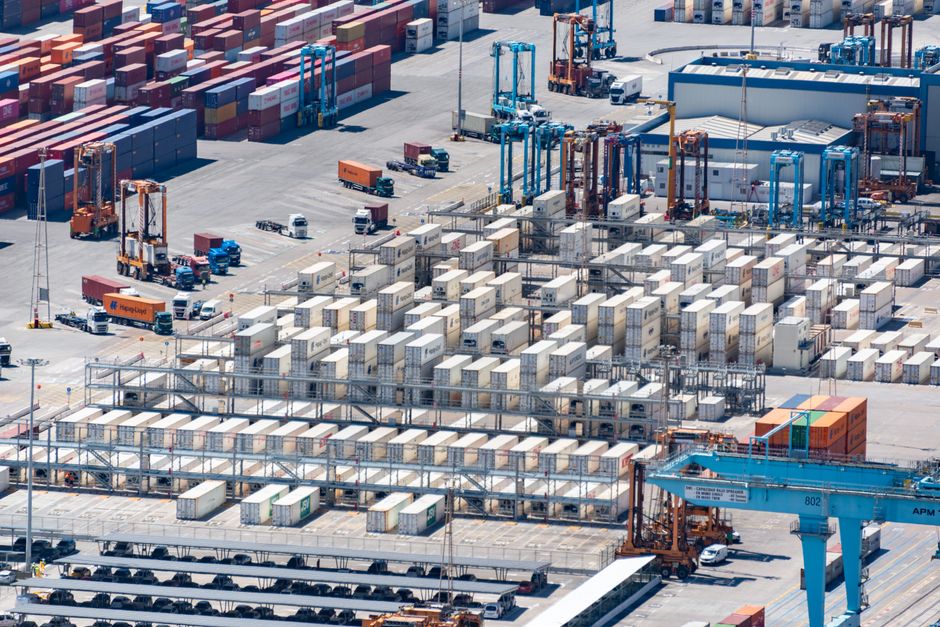
Why Modern Logistics Hubs Depend on YMS for Security and Compliance
Security and compliance are non-negotiable in logistics, especially when you’re dealing with high-value goods or sensitive shipments. Modern logistics hubs depend on YMS to keep standards high in both these areas.
How does YMS make your yard more secure?
YMS keeps a full digital record of every trailer move: when it entered, when it left, who was driving, and where it went. That audit trail is priceless if you ever need to investigate something or hold someone accountable. And if it ties into your CCTV, you can even visually confirm events when YMS sends an alert.
Plus, by controlling gate access and tracking every asset, YMS actually discourages theft and stops unauthorized folks from getting in. You can set up real-time alerts for odd movements or security breaches, meaning your security team can jump on it fast.
What compliance benefits do you get with YMS?
Keeping up with transportation regulations, driver hours of service (HOS) rules, and environmental standards is non-negotiable. YMS helps hubs stay compliant by tracking driver wait times, making sure records are accurate for audits, and handling specific requirements for hazardous materials. This means fewer penalties and smoother operations.
The system can also enforce your own internal policies, making sure all yard activities stick to company standards and safety rules. This proactive way of handling compliance really protects your business from potential legal and financial problems.

What Key Features Define a Robust Yard Management System?
A really strong YMS isn’t just about basic tracking. It offers a whole suite of features designed to handle every complicated part of your yard. These features are why modern logistics hubs depend on these systems so heavily.
Why are YMS integration capabilities so important?
Look, seamless integration with your other supply chain systems – like your Transport Management Systems (TMS) and Warehouse Management Systems (WMS) – is a must-have. This kind of connection creates a unified data flow. It stops data from getting stuck in different departments and makes sure everyone’s working with consistent, current information.
When YMS, TMS, and WMS talk to each other well, businesses can really optimize their whole process, from scheduling freight right through to final delivery. Say your WMS tells YMS a truck’s ready for loading; YMS can then dispatch a yard driver. That kind of teamwork boosts efficiency across your entire logistics network.
How do analytics and reporting actually make your yard perform better?
Advanced YMS comes with powerful reporting and analytics tools. They give you serious insights into how your yard is performing. You can track and analyze Key Performance Indicators (KPIs) – things like average dwell time, gate-to-door times, and how well you’re using your trailers. This data helps you pinpoint bottlenecks, see if operational changes are actually working, and even forecast future demand.
With these detailed reports, managers can make decisions based on real data. That means they can keep improving yard efficiency, allocate resources better, and cut down on operational costs. And predictive analytics? They can even spot congestion or resource shortages before they become real problems.
Why are mobile access and scalability so important?
Mobile accessibility lets your yard staff, drivers, and supervisors get to vital YMS features from any device, no matter where they are in the yard. So, real-time updates and task management can happen on the fly. That means quicker responses and less dependence on static terminals or paper instructions.
Scalability just means your YMS can grow and change right along with your business. When operations get bigger, you add more trailers, or open new facilities, the YMS has to handle that extra volume and complexity without slowing down. A scalable solution protects your initial investment and helps you grow long-term.
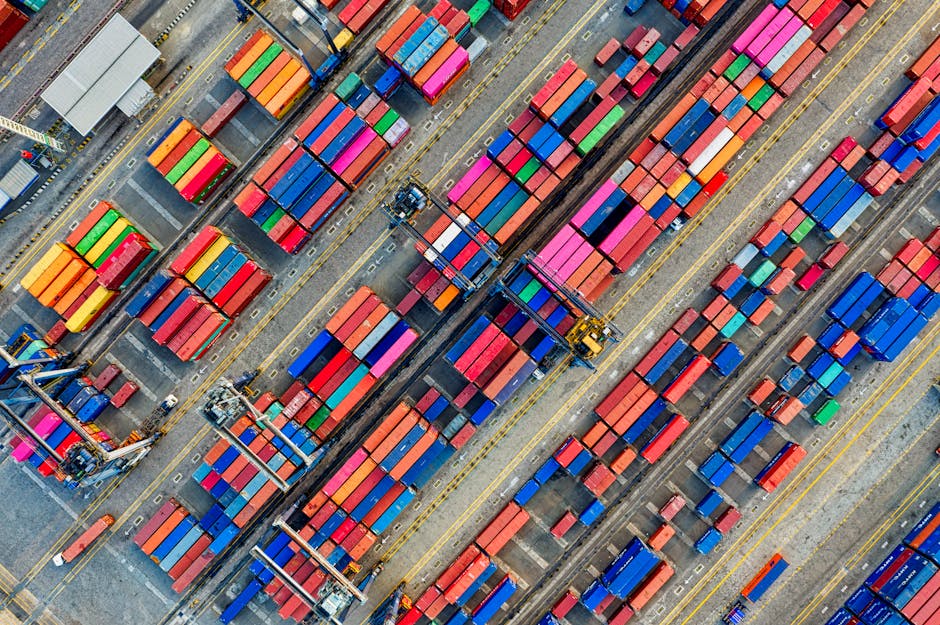
What Future Trends Are Shaping YMS in 2026 and Beyond?
YMS keeps evolving. Technology keeps advancing, and global supply chains just keep demanding more. By 2026 and beyond, a few big trends are set to really redefine how we manage yards.
How will AI and machine learning change YMS?
Artificial intelligence (AI) and machine learning (ML) are going to shake up YMS in a big way. AI algorithms will soon be able to predict the best trailer movements, analyze traffic to stop congestion, and even automate dock assignments using real-time and historical data. This takes YMS from just reacting to problems to actively predicting and prescribing solutions.
Machine learning will let systems learn from how your yard has operated in the past. They’ll constantly fine-tune their recommendations and get more efficient over time. This makes your yard operations tougher and better able to adapt when things change.
How will IoT and sensor tech affect yard visibility?
The Internet of Things (IoT), paired with advanced sensor technology, will bring incredible detail and automation to yard management. Sensors on trailers, dock doors, and yard equipment will constantly send data right into your YMS.
We’re talking environmental conditions, trailer load status, how healthy your equipment is, and super-accurate location tracking. IoT integration will cut down manual work even more and feed richer data directly to AI for smarter decisions.
When can we expect autonomous yard equipment to link up with YMS?
Autonomous yard equipment – think self-driving yard trucks and robotic forklifts – is already getting tested. And you’ll see it more and more by 2026 and beyond. YMS will be key to managing these automated vehicles: assigning tasks, directing their routes, and making sure they operate safely within the yard.
This integration will mean big cuts in labor costs, longer operational hours, and better safety in the yard. The YMS will essentially become the traffic cop and taskmaster for a fleet that’s getting more and more automated.
Frequently Asked Questions
What is Yard Management Software (YMS)?
Yard Management Software (YMS) is a technological solution designed to manage and optimize the movement and positioning of vehicles, especially trailers, within the confines of a shipping yard, distribution center, or manufacturing facility.
How does YMS save money for logistics hubs?
YMS saves money by reducing vehicle detention and demurrage fees, optimizing trailer utilization, decreasing fuel consumption from unnecessary yard movements, improving labor efficiency, and minimizing the risk of costly errors and security incidents.
Can YMS integrate with existing systems like TMS and WMS?
Yes, robust YMS solutions are specifically designed to integrate seamlessly with other core logistics systems, including Transport Management Systems (TMS) for freight scheduling and Warehouse Management Systems (WMS) for inventory and warehouse operations, creating a unified operational view.
What is the typical Return on Investment (ROI) for implementing YMS?
The ROI for YMS implementation can vary, but many companies report significant returns within 12-24 months due to reduced operational costs, improved efficiency, and enhanced asset utilization. Savings on detention fees alone often justify the investment.
Is YMS only for large logistics operations?
While often associated with large operations, YMS is increasingly scalable and beneficial for businesses of all sizes facing yard congestion or inefficiencies. Even medium-sized hubs can see substantial improvements in efficiency and cost savings through YMS adoption.