Quick answer: Real-time warehouse putaway algorithms look at what’s coming in, where you’ve got room, and then tell you exactly where to put everything right away. This way, you make the most of every inch of vertical pallet rack space. They cut down on wasted trips and place items intelligently, all based on live data.
Key Takeaways
- Putaway algorithms use data and automation to find the best storage spots immediately.
- They seriously boost how much vertical rack space you can use, finding the perfect slots.
- You save money: less driving around, quicker picking.
- But you’ll need a strong WMS. AI/ML often helps them predict future needs.
- Expect better inventory counts, faster order shipping, and higher warehouse output.
- This tech will keep your warehouse competitive well past 2026.
Real-time warehouse putaway algorithms are changing everything. They help warehouses manage inventory better, especially making sure you use every bit of vertical space in your pallet racks. These systems don’t just follow old, fixed rules. Instead, they use live data to quickly decide the best place for new stuff. That means you squeeze more into your space, which helps your operations and bottom line.
Moving from manual or batch putaway to these real-time systems is a big step. Warehouses are always under pressure to handle more items, ship faster, and cut costs. Intelligent putaway is key to hitting those tough goals and staying competitive.
What are Real-Time Warehouse Putaway Algorithms?
So, what are real-time warehouse putaway algorithms? They’re basically smart computer programs. They figure out the best spot for new goods the moment they hit your warehouse door. Forget old, fixed rules or zones. These algorithms chew through live data – current inventory, open spaces, how you pick, even what equipment is free – and make decisions right then. It’s instant.
These systems run on pretty clever logic, usually with AI and machine learning built in. They look at everything: item size, weight, how fast it sells (we call that velocity), any special handling needed (like cold storage or hazardous stuff), and what racks are currently full or empty. Their main job? Cut down on how far people have to walk during putaway, make picking easier later, and, big one, squeeze every last bit of space out of your vertical pallet racks.
Think about traditional putaway. You often end up with empty spots right next to packed ones. Or items sitting far from where they’d be easiest to pick. Real-time algorithms fix that. They treat your warehouse like a giant, always-changing puzzle. They find the best possible home for each item, balancing immediate needs with what makes sense for the long run.
How Do Real-Time Warehouse Putaway Algorithms Optimize Vertical Space?
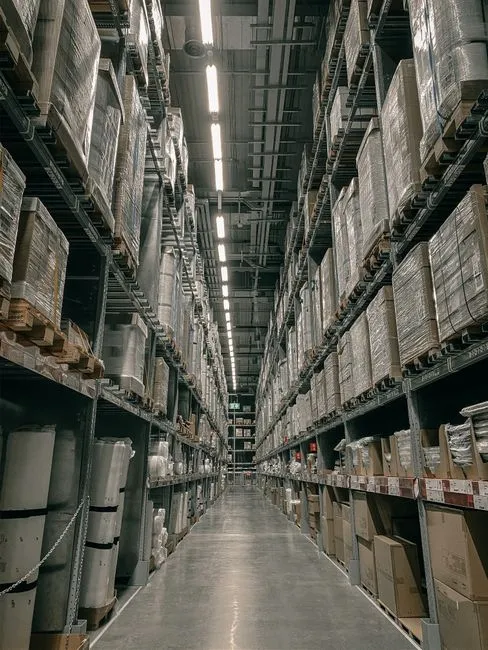
These algorithms are amazing at making the most of your vertical space. They make super-detailed, data-driven decisions that older methods just can’t touch. They check every single slot available, from the floor right up to the very top of your pallet racks. This includes knowing height limits and what equipment can reach what spot. It means you use every shelf, every layer. No need to spread out horizontally when you’ve got vertical room.
Often, these algorithms spot “honeycombing”—you know, those small, awkward gaps left in half-empty racks? They’ll find an item that fits perfectly and fill it. They can also group similar items, or things that work together, into vertical stacks. This stops you from needing to build out sideways. And because the system knows the exact size of incoming inventory and every rack slot, it matches items to the tightest possible space. So, no more wasted air above or between pallets.

They even factor in your equipment. Got specialized lift trucks or AS/RS? The algorithm will tell you to put deeper or higher storage items there. This smart planning ensures your easy-to-reach, lower-level spots stay open for fast-moving goods. Slower sellers or bulk items? Those get pushed to higher, less-accessed vertical positions. It’s a layered approach that maximizes space and keeps things flowing.
What Specific Strategies Do Algorithms Use for Rack Optimization?
Algorithms use a few clever tricks to get your vertical racks just right. One big one is dynamic slotting. This means an item doesn’t have a forever home. Its location shifts based on how fast it’s selling, its size, and available space. If an item suddenly gets popular, the algorithm might suggest moving it to an easier-to-reach vertical slot. If it slows down, it can go higher.
Then there’s cubic optimization. This isn’t just about the footprint of a pallet. The algorithm actually calculates an item’s total cubic volume and finds the smallest possible space for it within a rack. This could mean stacking smaller items on multiple levels within one pallet spot, if that works. Or it could be about placing things precisely to avoid leaving big vertical gaps. And they’ll group product families too. If items are often picked together, the system tries to put them vertically close, even if they’re on different rack levels. That cuts down on picker travel time.
What Benefits Do Real-Time Putaway Algorithms Offer Beyond Space Optimization?
Maximizing vertical space is a huge win, but real-time warehouse putaway algorithms give you so much more. One big plus is cutting labor costs. These systems give workers exact instructions on where to put things. No more guessing. No more wasted time looking around. That means faster putaway and better use of your team. They spend less time figuring things out and more time actually doing the job.
And your inventory accuracy goes way up. The system tells you exactly where every item is and updates records instantly. This slashes discrepancies. You won’t need to do physical counts as often. It also stops those frustrating stockouts or “phantom” inventory issues that mess up order fulfillment. Better accuracy means happier customers and lower carrying costs.

They also help you ship orders faster and move more product overall. By optimizing putaway for future picking—often putting fast-moving items in super-easy-to-reach spots—your pickers can get orders done quicker. This speed is vital. You’ve got tighter delivery windows to hit and more orders to process. This tech keeps your warehouse competitive and ready for the demands of 2026 and beyond.
How Do Algorithms Impact Picking Efficiency and Workforce Productivity?
Picking efficiency sees a huge boost. Real-time putaway algorithms actually think about “pick path optimization” during putaway. They don’t just place items for space. They place them to cut down on how far a picker has to travel for commonly ordered combinations of goods. That means less walking across the warehouse floor. And walking often takes up the most time in picking labor.
For your team’s productivity? These systems give crystal-clear instructions. Usually, these show up on handheld devices or through voice picking tech. This guidance means new employees learn faster. It also cuts down on mistakes. Streamline putaway, make picking more efficient, and watch your workforce get a measurable bump in output. They can handle higher volumes without you needing to hire more people.
How are Real-Time Warehouse Putaway Algorithms Implemented?
Implementing real-time warehouse putaway algorithms isn’t a small task. It’s a big project, usually with a few key steps. First, you need a solid Warehouse Management System (WMS). It has to handle data coming in and going out in real-time. This WMS also needs to talk nicely with all your other warehouse tech: scanners, automated material handling equipment (MHE), and even those little IoT sensors that tell you if a spot’s open.
The first part is always about data. You’ll collect and analyze tons of it. That means detailed info on every single product (SKU): its size, weight, any special handling. You’ll also need historical sales and picking data to see how fast things move. Plus, a super-accurate map of your warehouse layout, including all rack types, sizes, and how much they can hold. This data all goes into the algorithm’s learning models. That’s how it figures out the best optimization strategies for your facility.

Next up: configuring and testing. Here, you fine-tune the algorithms for your warehouse’s specific rules and goals. You might set different parameters for different product types. Or maybe you decide to prioritize space savings over travel time for certain items. Then you simulate various scenarios. Pilot programs are absolutely essential. You need to test the system live, catch any bugs, and train your staff before a full launch. And you can’t just set it and forget it. Ongoing monitoring and tweaks are key to keep the algorithm working perfectly as things change.
What Technologies Support Algorithm Implementation?
So, what tech makes these algorithms work? You definitely need advanced barcode scanning or RFID. This is crucial for instantly and accurately identifying new inventory. It ensures the algorithm always knows exactly what just arrived. Data analytics platforms are also huge; they crunch all the massive amounts of data your warehouse creates, turning it into useful insights for the algorithm.
Integration with automated storage and retrieval systems (AS/RS), robots, and conveyors is another piece. This lets the algorithm’s decisions get carried out with very little human help. It means maximum speed and accuracy. Cloud computing gives you the power and flexibility to run these complex algorithms and handle all that data in real-time. Finally, warehouse staff need easy ways to use the system. Think user-friendly interfaces on mobile devices or control panels that give clear instructions.
What are the Future Trends for Real-Time Putaway Algorithms?
Real-time warehouse putaway algorithms are always getting smarter. We’re seeing some really cool trends coming up. For one, AI and Machine Learning (ML) are getting even more deeply integrated. That means algorithms won’t just react to what’s happening now. They’ll actually predict future demand. They’ll optimize putaway spots to get ready for upcoming order surges, making things even smoother well past 2026.
Another big trend is more robots! Autonomous mobile robots (AMRs) and automated guided vehicles (AGVs) are showing up more often in putaway. As these robots become common, real-time algorithms will be the brains behind them. They’ll direct the robots, assign tasks, and tell them exactly where to store things, all without human hands. It’s a powerful partnership between smart software and robotic hardware, pushing automation and throughput to new heights.
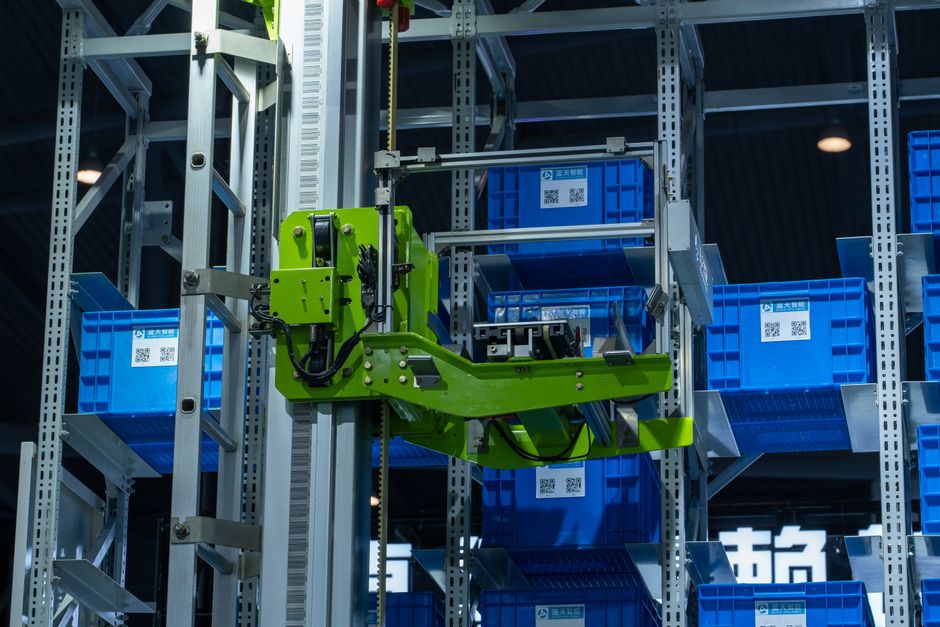
And then there’s the “dark warehouse” concept—fully automated facilities. These are becoming more common. In these places, real-time putaway algorithms become the central nervous system. They’ll manage every single part of placing and retrieving inventory with minimal, or even no, human presence. This means warehouses can run 24/7. They’ll use every bit of vertical space. It’s truly changing what’s possible in logistics and warehousing.
Frequently Asked Questions
What is dynamic slotting in the context of putaway algorithms?
Dynamic slotting means an item’s storage location isn’t permanent. It can change. The algorithms let this happen. They’ll re-optimize space based on things like demand, the season, or how much stock you have.
Can real-time putaway algorithms work with existing warehouse infrastructure?
Absolutely. Lots of these algorithms are built to plug right into your current Warehouse Management Systems (WMS). They can adapt to different racking types, too. You’ll get the best results, though, if you have strong data connections throughout your system.
How do these algorithms handle unexpected inventory surges?
That’s what they’re built for! Real-time algorithms immediately find and assign the best available space when a surge hits. Even if that means using temporary overflow spots or less-than-ideal locations for a bit, they’ll figure it out and re-optimize everything later.
What data is crucial for effective real-time putaway?
You need lots of data. Think SKU dimensions, weight, how fast it sells (velocity), any special handling instructions. You also need current inventory levels, the exact size of your empty slots, and live operational data from your equipment and staff.
Are real-time putaway algorithms suitable for small warehouses?
Yes, they are! While you often hear about them in big facilities, smaller warehouses can also really benefit. They help maximize limited space and streamline operations. Plus, simpler versions of this tech are becoming much easier to get your hands on.