Quick answer: Integrated time clocks, particularly those using biometric scanners, are your best bet against buddy punching. They confirm an employee’s unique physical traits when they clock in and out. So, you get accurate timekeeping, smoother payroll, and a much more accountable workforce across your whole business. That’s vital for 2026 and beyond.
Key Takeaways
- Integrated time clocks stop buddy punching dead in its tracks. How? By needing unique biometric verification.
- Think fingerprints, facial recognition, or retina scans. These systems use them for super secure authentication.
- No more buddy punching means real money saved, thanks to accurate payroll.
- They also make everything run smoother and keep employees more accountable. It’s a win-win.
- Modern time clocks? They’re cloud-based, so your data’s safe and always accessible, plus they link right up with your HRIS.
- Put these in place, and you’re guarding your business against compliance headaches and audit issues.
What is Buddy Punching and Why is it a Problem?
So, what’s buddy punching? It’s when one employee clocks in or out for a coworker who isn’t there – a simple form of time theft, really. And it directly hits a company’s profits.
But it’s more than just a little dishonesty. It creates a domino effect: financial losses, low morale. Businesses end up with higher labor costs, billing issues on projects, and even legal trouble.
Experts predict that if we don’t stop it, buddy punching could be costing businesses billions every year by 2026. It destroys trust in teams, too, making punctual, hard-working employees feel totally unfair.
You’ve got to spot buddy punching and deal with it. It’s key to keeping your workplace healthy, productive, and financially stable. Let it slide, and the habit spreads, slowly eroding your timekeeping system’s credibility.
How Integrated Time Clocks Stop Buddy Punching Effectively
Integrated time clocks offer a clear solution to that pesky buddy punching problem. These systems ditch easily manipulated stuff like paper timesheets or basic punch cards. Instead, they use advanced verification tech.
They need a unique identifier from every employee. This makes sure only the right person can record their hours. And that core change completely cuts off the chance of one employee fraudulently clocking in for another.
The whole idea here is foolproof authentication right when someone enters and leaves. This proactive approach stops time theft before it even happens, rather than trying to catch it later.
Businesses that use these systems quickly notice payroll discrepancies drop. Plus, their overall time management gets way more accurate. Honestly, the investment usually pays for itself fast through saved labor costs.
What Biometrics Do These Time Clocks Use?
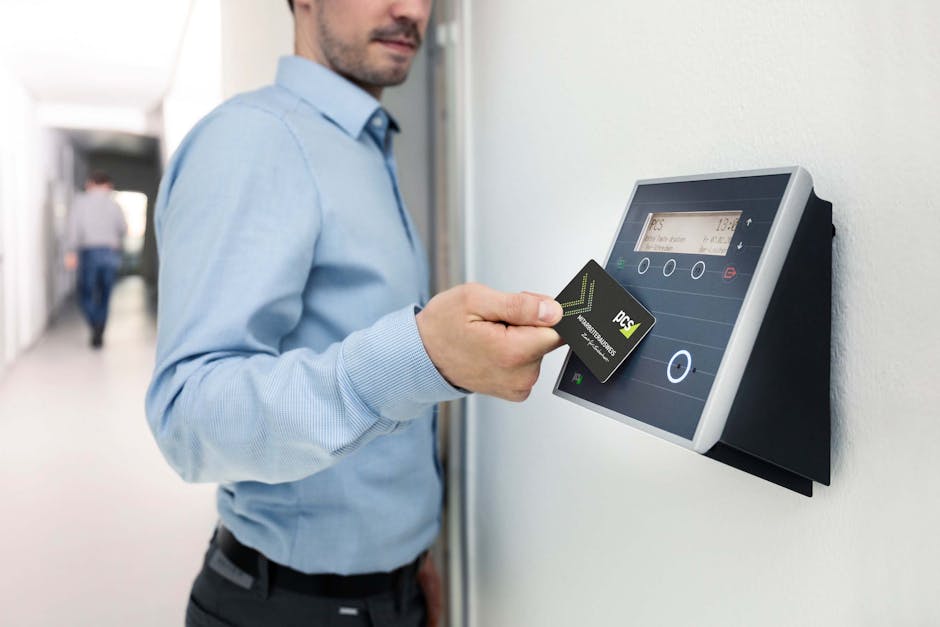
Biometric technology is at the heart of why modern integrated time clocks work so well. These systems use unique biological traits to confirm someone’s identity. That makes it practically impossible for anyone unauthorized to clock in.
Fingerprint scanning is a common type. It captures the distinct patterns on an employee’s finger. It’s fast, reliable, and most industries are already on board with it.
Facial recognition technology is another popular biometric option. It analyzes specific facial features – like the distance between your eyes or the shape of your nose – to confirm who you are. Often, it even works if you’re wearing glasses or your appearance changes a little.
Iris or retina scanning is less common but super secure. These map the unique patterns in the human eye. They offer incredible accuracy, but they might need more specialized hardware.
Voice recognition and vein pattern recognition are also popping up in some of these time clock systems. Every biometric method has its own strengths when it comes to security, speed, and how easy it is to use.

The Unmatched Advantages of Biometric Integrated Time Clocks
Biometric integrated time clocks give you a whole lot more than just a way to stop buddy punching. They fundamentally change how businesses handle their workforce time and attendance.
One major plus is just how accurate your timekeeping becomes. These systems record exact clock-in and clock-out times, getting rid of human error or anyone messing with timesheets on purpose.
That accuracy directly means big savings on payroll. Businesses don’t pay for hours not worked anymore. So, those labor costs that often go unnoticed with less secure timekeeping methods? They shrink.
Another key benefit is that employees become much more accountable. Knowing their presence is uniquely verified encourages them to be punctual. It really builds a culture of responsibility among your staff.
And these systems simplify audits, too. They help ensure you’re compliant with labor laws. Having accurate, undeniable records is priceless when you need to show you’re following wage and hour regulations. That protects your business from expensive disputes and fines.
How Do Integrated Time Clocks Improve Payroll Accuracy?
Integrated time clocks send verified attendance data straight into payroll systems. This drastically improves accuracy. That automated process cuts down on manual data entry errors, which are often a huge source of payroll mistakes.
Each employee’s unique biometric scan confirms their exact start and end times. This data then gets sent securely, often in real-time, to the payroll software for calculation.
Overtime, breaks, and holiday hours get tracked precisely. That means employees are paid correctly for every single minute they work. It really lowers the risk of overpaying or underpaying, which can annoy employees or cost you money.
Plus, automation frees up your HR and payroll staff from all that tedious data entry. They can focus on more important, strategic tasks. It also creates a clear, auditable trail, giving you solid proof for any discrepancies.
Seamless Integration and Data Management with Modern Systems
Modern integrated time clocks are built to work smoothly with your existing business tools. Their ability to integrate with different software platforms is a huge part of their value.
Cloud-based solutions are a hallmark of today’s systems. This means your time and attendance data lives securely in the cloud, accessible from anywhere you have an internet connection. Your data gets backed up automatically, too, safeguarding it from local hardware failures.
Integration with Human Resources Information Systems (HRIS) is super important. These systems automatically update employee records: attendance data, vacation accruals, performance metrics. This unified approach gets rid of data silos and keeps things consistent across all your HR functions.
Connecting with payroll software automates wage calculation and processing. That direct link from clock-in to paycheck significantly reduces administrative work and minimizes potential errors.
Some advanced systems even hook up with project management tools. This lets you get precise labor costing per project. You gain granular insights into how you’re using resources and how profitable certain projects really are.

What Data Security Measures Do Integrated Time Clocks Employ?
Data security is absolutely critical for time clock systems, especially since they handle sensitive biometric information. Good, reputable systems put strong measures in place to protect employee privacy and data integrity.
Encryption is a fundamental security layer. It scrambles data during transmission and storage. This makes it unreadable to anyone unauthorized, even if they somehow intercept it.
Biometric data usually gets stored as an encrypted template, not an actual image of a fingerprint or face. This template is a mathematical representation, so you can’t reconstruct the original biometric feature from it.
Access controls ensure only authorized staff can see or change time and attendance records. Role-based permissions limit exactly what each user can do and view within the system.
Regular security audits, adherence to data protection rules (like GDPR or CCPA), and secure cloud infrastructure providers all further protect sensitive information. Businesses should definitely ask about these safeguards when they’re picking a system.

Choosing the Right Integrated Time Clocks for Your Business
Picking the perfect integrated time clock system means carefully looking at several things specific to your business. The right choice will boost efficiency, shore up security, and support your unique operational needs.
First, think about your company’s size and how much you plan to grow. Scalable solutions are a must for businesses expecting to expand. They let the system grow with your workforce without needing a complete overhaul.
Consider your workforce and where they work. For example, a construction site might need rugged, weather-resistant fingerprint scanners. But an office could prefer facial recognition for its sheer convenience.
And yes, budget matters. While high-end systems offer all the bells and whistles, plenty of affordable options provide excellent security and functionality. The return you get from stopping buddy punching often makes the initial cost totally worth it.
Finally, prioritize systems that integrate well. Make sure the time clock you choose can seamlessly connect with your existing HRIS, payroll software, or other business management platforms. That’s how you get the most out of it and avoid data silos.
What Features Should I Look for in an Integrated Time Clock System?
When you’re checking out these systems, a few key features really stand out as essential for top performance and value. Focusing on these will ensure you pick a solution that truly fits your needs.
Look for robust biometric authentication options. Think fingerprint, facial, or vein scanning – anything that effectively prevents buddy punching. The more secure the authentication, the less you have to worry.
Cloud-based data storage and management? They’re crucial. This means easy access, reliable data backup, and the ability to manage things remotely. Administrators can keep an eye on time and attendance from anywhere.
Seamless integration with your current HR and payroll software is non-negotiable. This automation cuts down on manual data entry, minimizes errors, and streamlines administrative tasks big time.
Reporting and analytics features are vital. They give you insights into labor costs, overtime trends, and how punctual employees really are. Customizable reports help you make smarter decisions.
And last but not least, it needs to be user-friendly for both employees and administrators. An intuitive interface means quick adoption and less training time. So, the transition is smooth and efficient for everyone.
Frequently Asked Questions
What is buddy punching?
Buddy punching is a form of time theft where one employee clocks in or out for a colleague who isn’t present, falsely inflating their work hours.
How do integrated time clocks prevent buddy punching?
Integrated time clocks use unique personal identifiers, like fingerprints or facial scans, to verify an employee’s identity, ensuring only the actual person can record their attendance.
Are biometric time clocks legal?
Yes, biometric time clocks are generally legal. But businesses absolutely must comply with specific data privacy regulations in their jurisdiction concerning the collection and storage of biometric data.
Can employees bypass biometric time clocks?
Modern biometric time clocks are designed with advanced security features that make them extremely hard to bypass. They use sophisticated algorithms to detect any attempts at spoofing.
What are the main benefits of using integrated time clocks?
The biggest benefits include eliminating buddy punching, improving payroll accuracy, cutting down labor costs, boosting employee accountability, and streamlining your HR and payroll processes.
How long does it take to implement integrated time clocks?
Implementation time varies depending on how complex the system is and how many employees you have. But for 2026, many cloud-based solutions can be up and running within a few days to a few weeks.