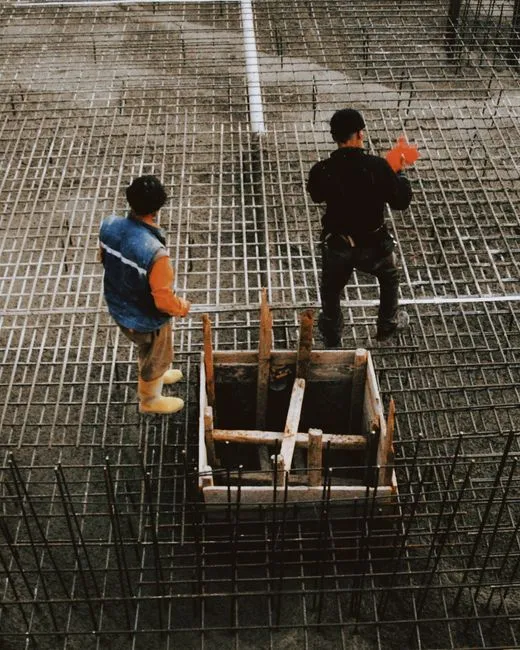
Quick answer: Keeping a tight grip on subcontractor compliance is essential for cutting risk, sticking to project timelines, and staying financially stable in construction. Using advanced construction management tools lets general contractors centralize documents, automate verification, and efficiently track critical items like insurance certificates, safety protocols, and lien waivers. This stops costly disputes and delays right in their tracks.
Key Takeaways
- Getting ahead on subcontractor compliance management slashes financial and legal risks in construction.
- Construction management software brings all insurance, licensing, and safety document tracking into one automated hub.
- Smart lien waiver management inside these tools protects general contractors from mechanics’ liens and payment squabbles.
- Digital platforms boost transparency, accountability, and give you real-time eyes on all subcontractor activities.
- By 2026, integrated compliance solutions will be a real differentiator for construction firms that want to succeed.
- Expect future trends like AI-driven risk checks and blockchain for ironclad compliance records.
Why Managing Subcontractor Compliance is So Critical for Your Construction Projects
Managing subcontractor compliance isn’t just another item on your to-do list; it’s fundamental to getting any construction project done right. Skimp on compliance oversight, and you’re looking at hefty financial penalties, project holdups, legal battles, and a bruised reputation. Every construction project, by its nature, involves many different players, and each one brings unique risks you simply have to manage carefully.
Subcontractor compliance means everyone sticks to their contract, follows regulations, meets safety standards, and has the right insurance. Overlook any of these, and you could find yourself liable for accidents, shoddy work, or even a subcontractor going belly up. So, a proactive approach doesn’t just protect the project; it protects you, the general contractor, and everyone involved.
What Goes Into Managing Subcontractor Compliance Effectively?
Solid subcontractor compliance management involves several critical stages and processes that never really stop. All these pieces ensure that every subcontractor on your project meets your criteria and plays by the rules. But miss just one, and you’re opening yourself up to major risks and potential liabilities.
How Does Pre-qualification and Vetting Protect Your Project?
Pre-qualification and vetting are your first and most vital steps when choosing reliable subcontractors. This is where you thoroughly check out a subcontractor’s financial health, their track record, what they can actually do, and how they’ve handled past project requirements. You’ll typically look at their financial statements, talk to their references, review safety records, and check for any past lawsuits. This all helps you figure out if they’re a good fit.
A deep vetting process helps you spot potential red flags before you even award a contract. This due diligence ensures you only bring qualified, dependable partners onto your project. That’ll minimize the risk of performance problems or financial trouble down the road. Investing the time upfront in careful vetting saves you a ton of time and money later by preventing expensive rework and disputes.
Why Are Clear Contracts and Scope Definition Absolutely Essential?
Clear, precise contracts are the legal backbone of any relationship you have with a subcontractor. These documents absolutely must spell out the work scope, deliverables, timelines, payment terms, insurance needs, and how you’ll resolve disputes. Any fuzziness in your contracts is a common source of conflict and project delays.
A detailed scope definition means both sides truly understand what’s expected and who’s responsible for what. This clarity stops scope creep, cuts down on misunderstandings, and gives you a solid framework for judging performance and handling any non-compliance. And well-written contracts also include penalties if someone doesn’t hold up their end, plus ways to end things early if you need to.
How Does Checking Insurance and Licensing Cut Down on Risk?
Verifying insurance and licensing is paramount for sidestepping financial and legal risks. You, the general contractor, must make sure all subcontractors carry enough general liability, workers’ compensation, and professional liability insurance, just like the contract and law demand. Outdated or skimpy insurance can leave you exposed if there are accidents or damages.
Checking their licenses confirms subcontractors can legally do their specific trade in your project’s area. This avoids potential fines, project shutdowns, and legal headaches from unlicensed work. You’ve got to regularly keep an eye on expiration dates for both insurance certificates and licenses, ensuring continuous compliance throughout the entire project.

Why Are Safety Protocols and Training So Important for Everyone?
Strict safety protocols and thorough training programs aren’t optional on any construction site. General contractors often bear responsibility for the overall safety of the project, including whatever their subcontractors do. So, making sure subcontractors have solid safety plans and properly train their workers is absolutely vital for preventing accidents.
Compliance here means checking safety certifications, reviewing accident rates, and maybe even requiring them to attend site-specific safety orientations. Documenting all these efforts shows you did your due diligence and helps create a safer workplace for everyone. Proactive safety measures save lives, reduce your legal liabilities, and stop costly project interruptions.
How Do Lien Waivers Protect General Contractors?
Lien waivers are critical legal documents that shield general contractors and property owners from mechanics’ liens. A mechanics’ lien basically puts a hold on the property’s title for the benefit of anyone who supplied labor or materials to improve it. If you don’t get proper lien waivers, a subcontractor or material supplier who hasn’t been paid by their direct contractor could slap a lien on your project, even if you, the general contractor, already paid the direct contractor.
Generally, there are four types of lien waivers: conditional upon payment, unconditional upon payment, partial, and final. Typically, you’d collect conditional lien waivers before you make a payment; these then become unconditional once the payment clears. Getting these waivers at every payment step (that’s partial) and when the project finishes (that’s final) makes sure payment obligations are met and lien rights are given up. Tracking and collecting these documents properly is crucial for your financial security and for dodging expensive legal disputes.
Why is Following Regulations Non-Negotiable?
Sticking to the multitude of local, state, and federal regulations is complex, but it’s not something you can skip in construction. This means complying with environmental protection laws (EPA), occupational safety and health administration standards (OSHA), building codes, and labor laws. Subcontractors have to show they understand and are committed to these regulatory frameworks.
Fail to comply, and you’re looking at severe fines, project stoppages, and even criminal charges. General contractors must ensure subcontractors have permits, licenses, and follow all environmental impact mitigation plans. Regular checks and audits of subcontractor practices against current regulations are vital to keep your project fully compliant and avoid legal trouble.
How Construction Management Tools Smooth Out Managing Subcontractor Compliance
Modern construction management tools have truly changed how general contractors handle subcontractor compliance. These platforms give you integrated solutions that automate many tasks that used to be manual, time-consuming, and prone to errors. By centralizing data and streamlining your workflows, these tools make everything more efficient and cut down your overall risk exposure.
How Do These Tools Give You Centralized Documentation & Digital Records?
Construction management tools offer one secure spot for all your subcontractor documents. We’re talking contracts, insurance certificates, licenses, safety plans, project specs, and communication logs. Digital records mean no more paper piles, lower storage costs, and way less chance of losing important papers.
A centralized system makes sure every project stakeholder can get to the very latest version of any document. Version control features stop confusion from outdated information. And that instant access makes audits quicker, decision-making faster, and seriously improves transparency for the whole project team.

What Are the Perks of Automated Reminders & Alerts?
One of the best features these tools offer is their ability to shoot out automated reminders and alerts for critical compliance deadlines. This includes notifications for insurance policies about to expire, licenses needing renewal soon, or safety reports that are overdue. These proactive alerts close compliance gaps and keep everyone continuously on track.
Automation means you don’t have to manually track dates anymore, and it prevents human error. Project managers get timely warnings, letting them follow up with subcontractors well ahead of time. This ensures all needed documents are updated and submitted before they lapse, stopping potential project delays or legal headaches.
How Do Integrated Payment & Lien Waiver Tracking Boost Efficiency?
Having integrated payment and lien waiver tracking modules right inside your construction management software offers huge benefits. These systems link payment applications directly to collecting the matching lien waivers. This integration ensures you don’t release any payment until you have the proper lien documentation in hand.
The tools can track the status of each lien waiver—whether it’s conditional, unconditional, partial, or final—and tie it to specific payment milestones. This automation really minimizes the chance of forgetting a required waiver, protecting you, the general contractor, from future mechanics’ liens. Plus, it gives you a clear audit trail for all financial transactions and their associated compliance documents.
What Does Real-time Performance Monitoring Actually Do?
Construction management tools let you monitor subcontractor performance in real-time, against the metrics and compliance rules you’ve agreed upon. Dashboards and reports give you immediate insights into a subcontractor’s progress, their safety record, and how well they’re sticking to quality standards. This continuous oversight helps you spot potential problems early.
By tracking key performance indicators, you can step in proactively if a subcontractor is falling behind or not meeting compliance standards. This data-driven approach encourages accountability and lets you take corrective action fast, before small issues blow up into major project roadblocks. It also supports fair and objective performance evaluations.
Why Are Audit Trails & Reporting So Essential?
Comprehensive audit trails and strong reporting capabilities are absolutely indispensable features in advanced construction management tools. Every action, every document upload, every approval, and every communication tied to subcontractor compliance gets meticulously logged. This creates an unchangeable record of everything that happened.
If a dispute, regulatory audit, or legal challenge comes up, these detailed audit trails provide irrefutable proof of your compliance efforts. The reporting features allow you to instantly generate customizable reports on any aspect of subcontractor compliance. That gives you valuable insights into overall project risk and performance. And this transparency is crucial for protecting your interests as the general contractor.

Which Features Should You Prioritize in a Compliance Management Module?
When you’re picking a construction management tool to help with managing subcontractor compliance, certain features are absolutely paramount. The right tool shouldn’t just automate tasks; it needs to give you actionable insights and comprehensive protection. Focus on these features, and you’ll invest in a solution that truly boosts your compliance strategy for 2026 and beyond.
What’s the Deal with Document Management and Version Control?
A top-notch compliance module must offer robust document management, and that includes strict version control. This means every document—from contracts to insurance certificates—is stored securely. And older versions? They’re archived, not simply overwritten. The system should always clearly show you the currently active version of any document.
Version control prevents confusion and makes sure everyone’s always working with the most current info. It’s crucial for your legal defense, proving that specific documents were valid and in force at certain times. This feature dramatically cuts down on errors that come from using outdated forms or policies.
How Do Customizable Workflows Make Compliance More Efficient?
Customizable workflows are vital because every general contractor and every project can have unique compliance needs. A good compliance module lets you define and automate your specific approval processes for bringing on new subcontractors, submitting documents, and collecting lien waivers. This flexibility means the software works for your operations, not the other way around.
Tailored workflows ensure all the necessary checks and approvals happen in the right order. They eliminate manual bottlenecks and standardize your compliance procedures across all projects and teams. That leads to greater efficiency, fewer missed steps, and consistent adherence to both your internal policies and external regulations.
Why is Seamless Integration with Other Systems So Important?
The effectiveness of a compliance management module really gets a boost if it can seamlessly integrate with your other core construction management systems. This includes your project management, accounting, and ERP software. Integration stops data from getting stuck in silos and removes the need for manual data entry between different platforms.
When systems are integrated, compliance data can automatically flow into financial reports or project schedules, giving you a full picture of your project’s health. For example, payment approvals can link directly to lien waiver collection, or your scheduling software can trigger reminders for upcoming compliance audits. This interconnectedness optimizes operations and boosts data accuracy.
What Are the Benefits of Mobile Accessibility?
On a dynamic construction site, having mobile access to your compliance module is just indispensable. Field teams need to pull up and upload compliance documents, check subcontractor certifications, or verify safety protocols right from their phones or tablets. That immediate access to information on-site is a real game-changer.
Mobile access improves real-time data capture, letting you immediately report issues or confirm compliance. It empowers superintendents and project managers to make smart decisions without having to head back to the office, significantly boosting responsiveness and operational efficiency. This feature ensures compliance isn’t just an office chore; it’s a fully integrated part of how you run things in the field.

How Do Strong Reporting and Analytics Help You Make Better Decisions?
A powerful compliance module delivers robust reporting and analytics. These features do way more than just store data; they give you deep insights into compliance performance, risk trends, and how reliable your subcontractors actually are. Customizable dashboards can show key metrics like compliance rates, common deficiencies, or upcoming expiry dates.
These analytical tools let you spot systemic problems, predict potential risks, and make strategic decisions based on hard data. For instance, reports might flag subcontractors with recurring compliance issues, prompting you to rethink their future involvement. By 2026, this level of insight will transform compliance from a reactive necessity into a proactive strategic advantage for your operations.
What’s Next for Subcontractor Compliance in 2026 and Beyond?
The world of subcontractor compliance keeps changing, driven by new tech and increasing regulatory demands. By 2026, several big trends will dramatically reshape how general contractors handle their subcontractor relationships, pushing us toward more automation, greater transparency, and predictive risk management.
How Will AI and Machine Learning Change Risk Management?
Artificial Intelligence (AI) and Machine Learning (ML) are set to totally revolutionize compliance by allowing for predictive risk assessment. These technologies can churn through huge amounts of data—subcontractor performance, historical compliance records, and outside market indicators—to spot patterns and forecast potential compliance failures before they happen. This is so much more than simple automation.
AI-driven systems will be able to flag subcontractors with higher risk profiles, suggest proactive steps, or even help make dynamic changes to contracts. For example, an AI might detect unusual payment patterns or an uptick in safety incidents from a subcontractor, prompting an early review. This shift from just fixing problems to actually preventing them will significantly improve project stability by 2026.
What Role Will Blockchain Play in Secure Tracking?
Blockchain technology offers an unchangeable and transparent record for tracking compliance documents and payment processes. Its decentralized, cryptographic nature makes it perfect for securing sensitive information like contracts, insurance certificates, and lien waivers. Every transaction and document submission creates a verifiable block that nobody can alter.
This level of security and transparency could totally eliminate arguments over document validity and payment status. By 2026, blockchain might even power “smart contracts” that automatically trigger payments or document requests once specific compliance conditions are met. This will streamline auditing and build much greater trust among everyone involved in a project.
Why Will Integrated Platforms Become Even More Essential?
The move toward fully integrated construction management platforms will speed up, making disconnected systems a thing of the past. General contractors will increasingly demand solutions that seamlessly link compliance modules with project scheduling, financial management, supply chain logistics, and communication tools. This creates one unified ecosystem for all project data.
Integrated platforms give you a single source of truth, cutting down on duplicate data and errors. They enable real-time information flow across all project functions, letting compliance issues immediately reflect in schedules or budget forecasts. This holistic approach will be absolutely critical for managing complex, large-scale construction projects effectively by 2026.
How Will ESG Compliance Affect Who You Pick as Subcontractors?
Environmental, Social, and Governance (ESG) compliance will become a much bigger deal when selecting and evaluating subcontractors. As corporate social responsibility grows in importance, general contractors will increasingly look for subcontractors who show a strong commitment to sustainability, ethical labor practices, and transparent governance. This goes beyond just basic regulatory compliance.
Compliance management tools will evolve to include ESG tracking features, letting contractors assess and monitor how well subcontractors stick to environmental impact targets, fair wage policies, and diversity initiatives. This trend reflects a broader industry shift toward more responsible and sustainable construction practices, significantly influencing supply chain decisions well into 2026.
Frequently Asked Questions
What is subcontractor compliance in construction?
Subcontractor compliance in construction simply means a subcontractor follows all the contract obligations, legal rules, safety standards, and insurance requirements laid out by you, the general contractor, and the authorities. It ensures everyone operates within agreed limits and legal boundaries.
Why are lien waivers important for general contractors?
Lien waivers are crucial for general contractors because they legally protect you from mechanics’ liens filed by subcontractors or suppliers who claim they haven’t been paid. Collecting the right lien waivers at every payment stage ensures that payment obligations are acknowledged and lien rights are given up, safeguarding both the project owner and the general contractor from having to pay twice or dealing with legal disputes.
How can technology improve compliance management?
Technology, specifically construction management software, makes compliance management much better. It centralizes documents, automates reminders for key deadlines, streamlines how you collect and track lien waivers, and offers real-time performance monitoring and audit trails. This automation cuts down on manual work, minimizes errors, and generally boosts transparency and risk reduction.
What’s the difference between a conditional and unconditional lien waiver?
A conditional lien waiver only becomes effective once you actually receive payment. So, the lien rights are waived only after the check clears or funds are transferred. But an unconditional lien waiver? That one’s effective immediately upon signing, regardless of whether payment has actually been received. That makes it riskier for the party giving up their lien rights.
How often should subcontractor compliance documents be reviewed?
You should review subcontractor compliance documents, like insurance certificates and licenses, regularly—typically once a year, or right away if there’s any renewal or change in their status. During a project, it’s smart to check critical documents at key milestones or if problems pop up. Automated reminders are ideal for continuous monitoring.
What are the risks of poor subcontractor compliance?
Poor subcontractor compliance can bring serious risks, including expensive project delays, financial penalties, legal battles, higher liability for accidents, uninsurable losses, a damaged reputation, and ultimately, project failure. It exposes the general contractor to liabilities you might not be ready for.