

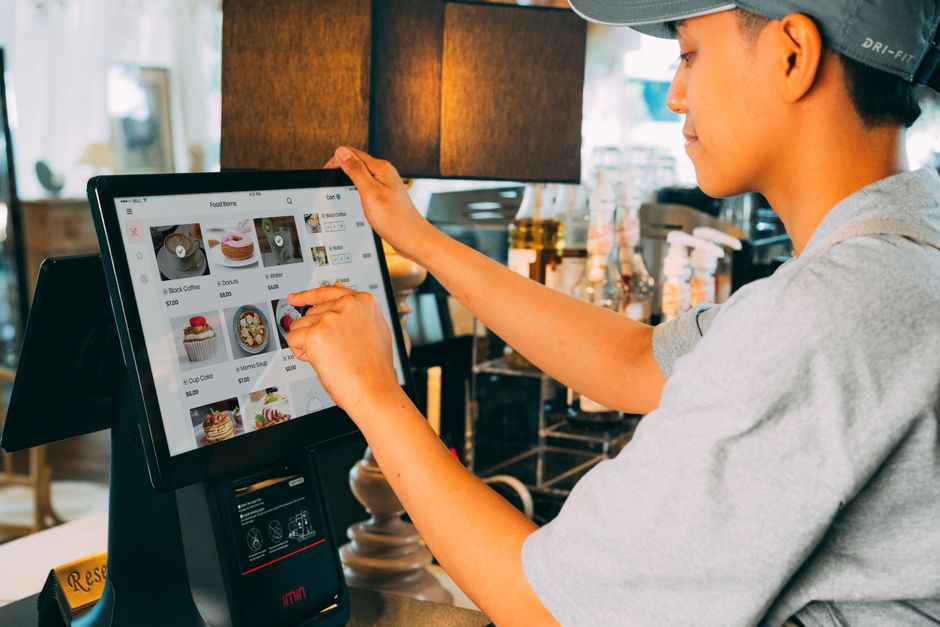
Quick answer: Retail POS software needs embedded e-commerce synchronization to eliminate data silos, streamline operations, and provide a unified customer experience across all sales channels. This integration ensures real-time inventory updates, consistent pricing, and centralized customer data, which are critical for retail success in 2026 and beyond.
Key Takeaways
- Disconnected POS and e-commerce systems lead to operational inefficiencies and poor customer experiences.
- Embedded e-commerce synchronization centralizes inventory, customer data, and sales across all channels.
- Real-time data flow is essential for accurate stock levels, personalized marketing, and efficient order fulfillment.
- Unified platforms significantly reduce manual data entry and minimize errors, saving time and resources.
- Customers expect a consistent brand experience, whether shopping online, in-store, or via mobile.
- Adopting an integrated solution improves scalability, analytics, and overall business agility.
Shoppers today expect a smooth, consistent experience no matter where they buy – online, in-store, everywhere. But too many retailers still run separate systems for their physical stores and e-commerce sites. And frankly, that old way of doing things just isn’t cutting it anymore.
For any modern business, making sure your retail POS software needs embedded e-commerce isn’t just a nice-to-have; it’s essential. Seriously, it’s what you need to survive and grow. This deep integration wipes out frustrating problems, makes everything run smoother, and really ups your customer satisfaction.
What Challenges Does Current Retail POS Software Present Without Embedded E-Commerce?
Run a retail business with separate POS and e-commerce systems? You’re basically creating a ton of headaches. These fragmented setups create ‘data silos’ – islands of information that don’t talk to each other. So, it’s really hard to get a complete picture of sales, what’s in stock, or what your customers are actually doing. That disconnect? It hurts your profits and stops customers from coming back.
Think about all the manual data entry. Many retailers without integrated solutions spend ages just trying to get their numbers straight. Your staff wastes hours moving data from one system to another. That costs you money in labor, and honestly, it just begs for mistakes. All that wasted effort pulls you away from actually running and growing your business.
Inventory Inaccuracies and Stockouts
Disconnected systems mean bad inventory data. It’s one of the biggest problems out there. Say someone buys something in your store; if that sale doesn’t show up online right away, you might sell the same item twice. Or, you could end up with too much stock because your records are all messed up. Either way, you get angry customers and missed sales.
Without embedded synchronization, forget real-time inventory updates. Your customer buys an item online, then gets an email saying, ‘Oops, actually, we don’t have it.’ That’s a quick way to lose their trust and make your brand look bad. And your stores could be sitting on stock online customers want, but you can’t fulfill those orders because the systems don’t talk.
Fragmented Customer Experiences
Then there’s the customer experience. If it’s a mess, you’ve got a big problem. Shoppers want to start looking for something online, maybe check if it’s in stock at their local store, then just pick it up. Or buy online and return it easily in person. But without all your data connected, none of that happens. It’s just not possible.
Customer profiles usually sit in separate places, too. So, their purchase history, what they like, loyalty points – it’s all scattered. That means you can’t really personalize your marketing, and your staff can’t easily recommend things they might genuinely like. It just makes the whole shopping trip worse. By 2026, customers won’t just want personalized experiences; they’ll expect them. Not a fancy extra anymore.

Why Retail POS Software Needs Embedded E-Commerce for Seamless Operations?
Look, if you want to succeed in retail today, you absolutely need one thing: a single platform that brings your POS and e-commerce together from day one. That’s what embedded e-commerce does. It makes everything run smoother, cleans up your data, and honestly, creates a much better experience for everyone – customers and your team. This completely changes how you do business.
An integrated system means every single sale, online or in your store, updates one central database immediately. No more typing things in twice. This cuts down on mistakes and frees your staff up to actually help customers or work on bigger-picture stuff. And let me tell you, the efficiency boost? It’s huge. You’ll see better productivity and save a lot of money.
Unified Inventory Management
When your retail POS software needs embedded e-commerce synchronization, your inventory is always spot on, everywhere you sell. Make a sale in the store? That item comes off the online count instantly. No more selling something you don’t have. This real-time view helps you keep just the right amount of stock, cuts down on storage costs, and stops you from running out of popular items.
This kind of accuracy also opens up cool new options, like ‘buy online, pick up in-store’ (BOPIS) or shipping directly from your physical store. Customers expect speed and convenience these days. And when you deliver that, you’ll see more sales and happier customers.
Centralized Customer Data
A single, unified customer database means you get the full picture of every single shopper. Every interaction, every purchase, what they like, their loyalty points – it all goes into one profile. This gives you amazing data. And with that, you can send truly personalized marketing, suggest things they’ll actually want, and give them great service every single time, no matter how they reach out.
When you understand how customers shop across all your channels, you can really dial in your engagement strategy. Your sales associates can pull up a customer’s online history right there in the store, helping them provide top-notch service. And your online site can use what they bought in-store to suggest other stuff they might like. So, you build stronger relationships, and people stick with you for years.
What Specific Advantages Emerge When Retail POS Software Needs Embedded E-Commerce Integration?
The perks of an out-of-the-box embedded e-commerce solution go way past just syncing your data. They really change how you can do business and give you a huge leg up on the competition. Companies that jump on this integrated model are just better set up to react to market shifts, grow smoothly, and seriously crank up their profits.
This kind of integration makes a real omnichannel strategy possible. Customers can just glide between shopping online, on their phone, or right there in your physical store. That smooth, connected experience? It’s exactly what today’s shoppers want, and what successful retailers are giving them. When all your info flows together, your operations just hum, and you can see what’s coming next.
Enhanced Operational Efficiency
Automation? That’s a huge win when your POS and e-commerce are integrated. Think about it: order syncing, inventory updates, keeping customer data straight – it all just happens automatically. Less manual work, fewer mistakes. This efficiency means orders get processed faster, you can fulfill them quicker, and returns are a breeze.
Your employees get accurate, real-time info right at their fingertips. That makes them way more productive and much better at helping customers. Cut down on all that boring administrative work, and suddenly your team has more time to focus on selling, connecting with customers, and planning for the future. And that? That’s a direct boost to your profits.
Improved Reporting and Analytics
When all your sales and customer data lives in one spot, your reports and analytics become incredibly powerful. You can pull together complete reports that cover every single sales channel, giving you a crystal-clear picture of how your business is really doing. This connected data lets you dig deep into things like what products are hot, when your busiest times are, and who your customers actually are.
Better analytics means you can make much smarter decisions. We’re talking everything from planning inventory and marketing budgets to staffing up and developing new products. Knowing how you’re doing across all your channels helps you spot opportunities to grow and areas you need to fix. That’s absolutely vital if you want to keep succeeding past 2026.
Scalability and Future-Proofing
An embedded e-commerce solution gives you a rock-solid base that can really grow with you. As your business gets bigger, adding new product lines, more sales channels, or even launching new stores? It all becomes much, much simpler. That unified setup handles more transactions and customer data without needing complicated integrations or system overhauls later.
This way, you’re future-proofed. It means you’re totally ready to jump on new tech and pivot when customer trends change. Invest in one of these truly integrated systems now, and you’ll sidestep all the expensive, messy problems that pop up when you try to stitch separate systems together later. You’ll solidify your spot in the market for ages.
How Can Businesses Transition to an Embedded E-commerce POS Solution?
Moving to an embedded e-commerce POS solution isn’t something you just jump into. It needs good planning. But trust me, the long-term gains are totally worth the initial headache. The main thing? Pick a platform with all the features you need and one that’s actually easy to set up, designed to keep things running smoothly during the switch.
First, take a hard look at your current systems. Where are the problems? What’s causing you grief? After that, really dig into vendors who get integration, who offer solutions built specifically for this. Look for ones with a solid history and great support. If you’re a bigger company, maybe roll it out in phases; that can make the transition much easier.
Selecting the Right Platform
When you’re picking a new platform, put solutions first that were built from scratch to work together. Seriously, the retail POS software needs embedded e-commerce functionality as its main deal, not some bolted-on extra. Check for real-time inventory syncing, customer profiles all in one place, powerful reporting, and the ability to grow with you.
Think about how easy it’ll be for your team to use. Is it secure? Does it play nicely with other key business tools you’ve already got? And definitely ask for a demo. Watch it handle real-world, cross-channel situations – that’s how you’ll really know if it’s right before you make a final decision.
Data Migration and Training
Getting your data over correctly is absolutely critical for a smooth switch. You’ll want to work hand-in-hand with your vendor to make sure all your old product, customer, and sales data gets moved to the new system accurately. This stops you from losing any important history and keeps your business running without a hitch.
Training your staff – everyone who’ll touch the new system – is just as important. Set up hands-on sessions, give them clear instructions, make sure everyone feels good about using it and knows their way around the new platform. If your team isn’t on board, you won’t get the most out of it. Their buy-in is everything.
Frequently Asked Questions
What does “embedded e-commerce synchronization” mean for retail POS?
It means that your physical store’s point-of-sale system and your online store (e-commerce) are built into a single platform, sharing all data, such as inventory, sales, and customer information, in real-time without needing separate integrations or manual transfers.
Why is real-time inventory synchronization so important?
Real-time inventory synchronization prevents overselling products online that are out of stock in-store, avoids stockouts, and enables advanced fulfillment options like “buy online, pick up in-store,” crucial for meeting modern customer expectations for convenience and accuracy.
How does an integrated system improve the customer experience?
An integrated system creates a unified customer profile, allowing for consistent pricing, promotions, and personalized experiences across all channels. Customers can seamlessly shop online or in-store, knowing their purchase history and loyalty points are always accessible.
Will an embedded e-commerce solution reduce operational costs?
Yes, by automating data synchronization and reducing manual data entry, integrated systems significantly cut down on labor costs, minimize errors, and streamline processes like order fulfillment and returns, leading to greater operational efficiency and cost savings.
Is it difficult to transition from separate systems to an embedded solution?
While any system migration requires planning, choosing a vendor that specializes in natively integrated POS and e-commerce solutions can simplify the process. Proper data migration and comprehensive staff training are key to a smooth and successful transition.
How does this impact business growth and scalability?
An embedded e-commerce solution provides a robust and scalable foundation that easily accommodates business growth, new sales channels, and increased transaction volumes without complex integrations. This future-proof approach allows retailers to adapt quickly to market demands and expand their operations efficiently.