Quick answer: Growing distribution centers are implementing Autonomous Mobile Robot (AMR) Warehouse Management Systems (WMS) to address escalating demands for speed, accuracy, and scalability in modern logistics. This advanced integration automates critical tasks, optimizes inventory flow, and significantly enhances operational efficiency, positioning facilities for sustained growth and profitability in an increasingly competitive market.
Key Takeaways
- AMR WMS integration automates material handling, cutting down on manual labor and human error.
- These systems boost inventory accuracy thanks to constant, real-time tracking and smart storage setups.
- Scalability is a huge plus; centers can quickly adjust to changing order volumes and demand.
- Operational costs drop significantly by optimizing robot paths, saving energy, and using space better.
- AMR WMS makes warehouses safer. Robots handle the boring or dangerous jobs in busy environments.
- The data AMR WMS collects helps facilities make smarter, proactive decisions about operations.
Global commerce has shifted dramatically. Consumers and businesses want deliveries faster and more accurate than ever, pushing logistics and warehousing to be incredibly efficient.
And that pressure means growing distribution centers are adopting AMR WMS integration fast. This powerful combination really is the next big step in making supply chains work better.
What Challenges Do Growing Distribution Centers Face?
Modern distribution centers wrestle with plenty of tough operational problems. There’s the labor shortage, rising operating costs, and that constant demand for same-day or next-day delivery. That’s just for starters.
Plus, managing complicated inventory, getting every order right, and making the most of warehouse space gets harder as facilities grow. These issues can really hurt profits and make it tough to meet customer expectations.
Why is Labor Scarcity a Major Concern by 2026?
By 2026, labor scarcity will still be a huge problem across logistics. Demand for skilled warehouse workers often outstrips supply, which pushes up wages and creates operational bottlenecks.
This shortage directly impacts productivity. It can also stop a distribution center from scaling up efficiently during peak seasons. But automation offers a real solution to this ongoing struggle.

How Does AMR WMS Integration Revolutionize Operations?
AMR WMS integration brings together the physical capabilities of Autonomous Mobile Robots with the smart thinking of a Warehouse Management System. AMRs handle tasks like picking, sorting, and moving goods. Meanwhile, the WMS directs their every move and manages all that inventory data.
This teamwork creates an incredibly efficient, automated workflow. It cuts down on human intervention and maximizes how much work gets done. Basically, it changes everything about how products move through a facility.
Does AMR WMS Enhance Operational Efficiency and Speed?
Oh yes, AMR WMS integration absolutely boosts operational efficiency and speed. AMRs can run constantly, 24/7, without breaks or getting tired. That means much higher processing rates than any manual operation could achieve.
Their smart navigation algorithms find the best paths, cutting down travel times and clearing bottlenecks in the warehouse. That translates directly into faster order fulfillment and happier customers.
Can AMR WMS Improve Inventory Accuracy and Visibility?
You bet. AMR WMS integration dramatically improves inventory accuracy and visibility. They talk directly to the WMS, giving real-time updates on where everything is and how it’s moving.
This constant stream of data pretty much eliminates the errors you get with manual tracking. It cuts down discrepancies and makes overall stock management so much better. And accurate inventory data? That’s essential for forecasting and making sure you don’t run out of stock.
Maximizing ROI: Why AMR WMS Integration is Crucial
Sure, the first investment in AMR WMS technology might seem like a lot. But the return on investment (ROI) is pretty compelling. You’ll see big savings from less labor cost, fewer errors, and optimized energy use.
Facilities that bring these systems on board often see their money back in just a few years. So this long-term financial gain makes AMR WMS a smart strategic move for any distribution center looking to the future.
How Does AMR WMS Reduce Operational Costs?
AMR WMS integration slashes operational costs in a bunch of ways. When you automate repetitive tasks, you just don’t need as much manual labor. That means lower wage expenses and all the benefits that go with them.
But that’s not all. Optimized routes and energy-efficient robots lead to lower utility bills. And less product damage, plus better inventory management, all add up to significant savings across the board.
What Role Does Scalability Play in AMR WMS Adoption?
Scalability is a key reason why distribution centers are opting for AMR WMS. Think about it: order volumes jump around, especially during peak holiday seasons. Traditional manual systems really struggle to adapt quickly without costing a fortune.
AMR systems, though, are easy to scale up or down. Just add or reconfigure robots as you need them. This flexibility means distribution centers can handle demand efficiently, without overspending on permanent infrastructure or temporary staff.
Are AMR WMS Systems Enhancing Worker Safety?
Yes, AMR WMS systems are absolutely making distribution centers safer for workers. When robots handle heavy or awkward items, employees face far less risk of strains, sprains, and other common workplace injuries.
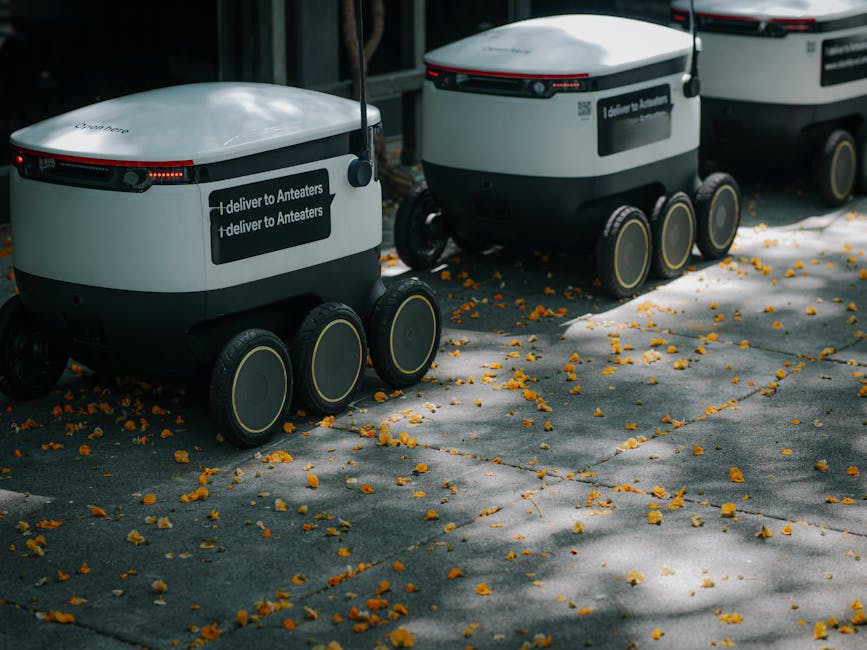
AMRs come packed with advanced sensors and safety protocols. They can spot and avoid obstacles, including people. So, you end up with a safer, more productive space where human staff can focus on more important, higher-value work.
Do AMRs and WMS Integration Create New Job Roles?
They do, in fact. AMRs and WMS integration often create new, more skilled job roles. While some traditional manual tasks might go away, there’s a bigger need for technicians to keep the robots running and programmed.
You’ll also see new roles in data analysis, system optimization, and advanced WMS management pop up. This shift lets human workers do more engaging, mentally stimulating jobs, which can actually boost job satisfaction and career growth.

What are the Key Considerations for AMR WMS Integration?
Getting AMR WMS integration right needs careful planning and execution. It’s not just about buying robots; it means thinking about the whole system design, software integration, and how you’ll train your workforce.
Facilities really need to look at their current setup, find out where the bottlenecks are, and pick solutions that fit their specific needs and future growth plans. Often, rolling it out in phases gives the best results.
How Does Data Analytics Drive AMR WMS Optimization?
Data analytics is fundamental to making AMR WMS work its best. The WMS collects tons of data: robot movements, picking rates, inventory levels, order fulfillment times.
Analyzing this data helps managers spot problems, predict when maintenance is needed, and keep refining their operational strategies. This data-driven approach ensures the system always runs at peak performance, adapting to changing demands by early 2027.
Is Customization Essential for Effective AMR WMS Deployment?
Customization is often essential for effective AMR WMS deployment. Standard, off-the-shelf solutions are a good starting point, but most distribution centers have unique layouts, different inventory, and specific ways of working.
Tailoring the AMR WMS to these exact requirements guarantees maximum efficiency and smooth integration with what you already have. This might mean custom software modules, specific robot setups, or specialized picking logic.
What Does the Future Hold for AMR WMS in Logistics?
The future for AMR WMS in logistics looks incredibly bright. We’re expecting even smarter robots, with better collaboration between different robot types and more advanced decision-making capabilities.
Integrating artificial intelligence (AI) and machine learning (ML) will make prediction models and adaptive routing even sharper. These systems will become even more autonomous and efficient. By 2030, AMR WMS could be a standard, not just a competitive edge.
Will Cloud-Based WMS Further Accelerate AMR Adoption?
Yes, cloud-based WMS solutions should definitely speed up AMR adoption. Cloud platforms offer more flexibility, scalability, and accessibility. That makes WMS implementation easier and cheaper for a broader range of businesses.
Being able to seamlessly integrate AMRs with a cloud WMS allows for remote management, simpler updates, and strong data security. This lowers the entry bar for many distribution centers trying to modernize their operations.
Frequently Asked Questions
What is an Autonomous Mobile Robot (AMR) WMS?
An AMR WMS is a combined system. It uses Autonomous Mobile Robots for the physical job of moving things, and a Warehouse Management System for smart coordination, tracking inventory, and controlling operations.
How do AMRs navigate in a distribution center?
AMRs get around using a mix of onboard sensors—things like LiDAR, cameras, and ultrasonic detectors. They also use internal maps of the facility and instructions from the WMS. Unlike older Automated Guided Vehicles (AGVs), they can sense and actively avoid obstacles.
What specific benefits do growing distribution centers gain from AMR WMS integration?
Growing distribution centers get several big benefits from AMR WMS integration: more throughput, better inventory accuracy, enhanced scalability, significant cost savings, improved worker safety, and really valuable data insights.
Is AMR WMS suitable for all sizes of distribution centers?
People often link AMR WMS with big facilities, but these solutions are becoming more scalable and modular. That means they’re a good fit for a wider range of distribution center sizes and types, even those with fluctuating demands.
How long does it take to implement an AMR WMS?
The time it takes to implement an AMR WMS really varies. It depends on the facility’s size, how complicated things are, and how much customization is needed. It could be a few months for smaller, standard setups, or over a year for huge, highly customized integrations.