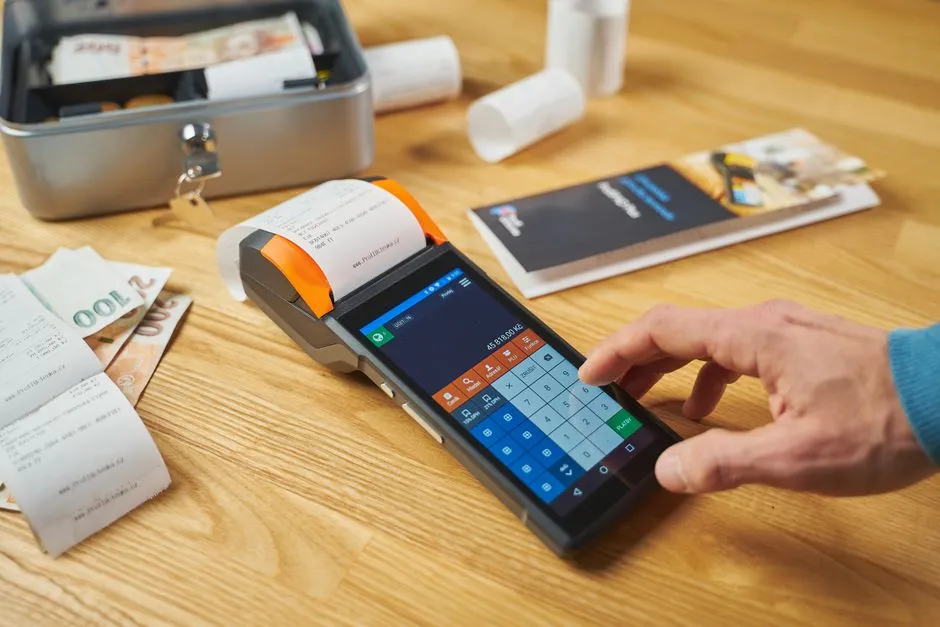
Quick answer: Effectively managing complex customer layaway plans and split scheduled payments is crucial for modern retailers seeking to enhance customer satisfaction and sales, primarily achieved through robust Point-of-Sale (POS) systems that automate tracking, payment collection, and inventory management, ensuring seamless financial flexibility for buyers and operational efficiency for businesses in 2026.
Key Takeaways
- Integrated POS systems are essential for automating the entire layaway and split payment process.
- Clear policies and communication with customers prevent misunderstandings and build trust.
- Real-time inventory tracking for layaway items is critical to avoid stock discrepancies.
- Advanced reporting tools provide insights into payment plan performance and customer behavior.
- Compliance with consumer protection laws regarding layaway plans is non-negotiable.
- Offering flexible payment options significantly boosts sales and broadens customer reach.
The retail world changes fast. So, managing complex customer layaway plans well has become a real game-changer for businesses. More and more, retailers are looking for smart ways to offer flexible payment solutions. This directly impacts how loyal customers stay and how much sales grow. Layaway plans, of course, let customers snag items they want by paying for them in smaller chunks over time.
Why Flexible Payment Options Really Matter to Retailers
Flexible payment options aren’t just a nice perk anymore; they’re a must-have for retailers hoping to grow. By 2026, customers will expect buying to feel more personal. And letting them pay in installments makes things way more accessible. It opens up sales to a much bigger group, including folks who might not have all the cash for a big purchase right away.
Offering layaway and split payments puts customers in charge. It gives them financial wiggle room and the confidence to commit to those pricier items. That, in turn, means more sales for you and happier customers.
But there’s another benefit. These plans can really set your business apart from the competition. When customers compare stores, having adaptable payment options can be the deciding factor. That kind of edge is vital in a market overflowing with choices and evolving customer expectations.
What Makes a Layaway Plan “Complex”? And How Do Split Payments Fit In?
A complex layaway plan goes way beyond just a simple, fixed-term agreement. It brings in all sorts of customer-specific adjustments. Think dynamic payment schedules, multiple items on layaway with different rules, or even links to loyalty programs. Split scheduled payments? They’re similar, breaking down a total purchase into several smaller, pre-set installments.
So, where does the “complex” part come from? It’s about handling all those varied terms, keeping tabs on each customer’s payment progress, and making sure your inventory stays accurate. Say a customer wants to put several things on layaway, each with its own deposit and payment frequency. Or maybe they’re using a split payment plan that only gives them a discount after they hit certain payment milestones. It gets tricky fast.
These systems also have to handle partial refunds, cancellations, and product exchanges smoothly. And if you can modify existing plans or even combine a customer’s multiple plans? That’s another layer of complexity. But retailers need to manage these situations without a hitch. It’s how you keep customers happy and your operations running cleanly.

How Can POS Systems Really Help with Managing Complex Customer Layaway Plans?
A good, solid Point-of-Sale (POS) system is the absolute core for efficiently managing complex customer layaway plans. Modern POS platforms automate so many of the tasks that used to be manual and prone to mistakes. They become the central spot for all your layaway and split payment work.
The system needs to let you easily start new layaway agreements. It should grab all the customer info and product details you need. That includes setting specific payment schedules, minimum deposits, and cancellation rules. And when it’s automated, everything stays consistent, and you don’t have to spend as much time training staff.
What’s more, advanced POS systems track each layaway item in real-time. This stops accidental sales of reserved stock and keeps your inventory counts spot-on. Clerks can quickly check a customer’s payment history and what they still owe. That makes collecting payments a breeze.
A well-integrated POS also makes reporting simple. You get thorough data on how layaway sales are doing, who’s defaulting, and what your revenue might look like. That data is priceless for fine-tuning your policies and sharpening your sales strategies, especially looking ahead to 2026.
What Features Should Your POS Absolutely Have for Layaways?
When you’re picking a POS system for managing complex customer layaway plans, some features are non-negotiable. First off, look for flexible payment schedule customization. That means you can set up plans with different down payments, weekly, bi-weekly, or monthly installments, and even adjust how long they run.
Second, real-time inventory reservation is critical. The system must immediately mark items on layaway as reserved. This stops them from being accidentally sold to other customers. It keeps your stock accurate and prevents frustrating experiences for everyone.
Third, comprehensive customer account management is a must. The POS should store detailed customer profiles. This includes contact info, purchase history, and all their active and past layaway plans. It makes communication easy and lets you offer truly personalized service.
Fourth, strong reporting and analytics are vital. Getting data on layaway performance, default rates, and which items are popular on layaway helps you fine-tune your business strategies. And detailed reports help with financial forecasts and planning your inventory.
Finally, find a system that connects smoothly with other retail functions, like managing returns and loyalty programs. This creates a complete approach to customer service and keeps your operations running efficiently.

What Are the Best Ways to Set Up Layaway Policies?
You’ve got to create clear, straightforward layaway policies. That’s how you avoid misunderstandings and build trust with your customers. Every retailer should spell out their terms and conditions explicitly. These policies need to cover every single part of the layaway agreement.
First, be very clear about the initial deposit. State the exact percentage or fixed amount needed to start a layaway plan. This stops confusion at the point of sale and sets clear expectations for the customer.
Second, specify the payment schedule and how long the plan lasts. Customers need to know when and how often payments are due, and the total time they have for the layaway. Being upfront about these timelines helps them budget effectively.
Third, explain your cancellation and refund policy with precision. Tell them about any fees if they cancel or if deposits aren’t refundable. Transparency here is key. It prevents disputes and keeps your customer relationships positive.
Fourth, detail any return or exchange policies for items bought on layaway. These might be different from regular sales, so you need to communicate them clearly. Just make sure your policies also follow local consumer protection laws.
And finally, think about a late payment policy. Outline what happens if a customer misses a payment. Include any grace periods or if the plan might get canceled. This manages expectations and gives you a plan for dealing with defaults.
How Can You Make Split Scheduled Payments Easier for Customers?
Making split scheduled payments simple really improves the customer experience. And it often encourages bigger purchases. The whole idea is to make the process as easy as possible for everyone involved. Automation helps a lot here.
Start by offering flexible payment options right at checkout. Show clearly how many installments are available. A good POS system should hook right into these options, automatically figuring out payment amounts and schedules. That cuts down on manual errors and speeds up transactions.
Send customers automated payment reminders, perhaps by email or text. Those timely nudges reduce late payments and defaults, which helps your cash flow. Customers really appreciate getting a reminder instead of trying to remember dates themselves.
Let customers manage their payment plans through an online portal or a dedicated app. This self-service option gives them control. They can check their payment history, see upcoming installments, or even pay early. That kind of freedom really boosts satisfaction.
And make sure it integrates seamlessly with different payment methods. Accepting credit cards, debit cards, and other payment services for installments opens it up to a wider audience. The easier it is for customers to pay, the more likely they are to finish their plans.
What Are the Benefits of Integrating Layaway and Split Payments with Inventory Management?
Hooking up your layaway and split payment functions directly to your inventory management system brings loads of operational benefits. This connection is super important for keeping stock levels accurate and stopping you from overselling. When an item goes on layaway, the inventory system immediately flags it as reserved.
This real-time update means your staff can’t accidentally sell something already promised to a customer. It prevents those frustrating moments when a customer comes to pick up their layaway, only to find it’s gone. Accurate inventory really builds customer trust and keeps your operations honest.
Plus, integrated systems give you better insight into how quickly your inventory sells. You can see which items often go on layaway or get bought through split payments. That helps with future buying decisions. This data leads to smarter stock replenishment plans.
The system also automates moving items from “reserved” to “sold” once that final payment clears. This cuts down on manual adjustments and the chance for human error. Basically, effective integration makes managing complex customer layaway plans and your inventory a truly smooth process.
How Do Reporting and Analytics Improve Layaway and Split Payment Management?
Strong reporting and analytics are absolutely essential for making your layaway and split payment plans better. These tools give you incredibly valuable insights into how your finances are doing, what your customers are up to, and how efficiently you’re running things. If you don’t have good data, you’re just guessing.
Detailed reports can show you exactly how much revenue layaway sales bring in compared to regular purchases. They can also point out which products people put on layaway most often. This helps you decide what to order in the future. Knowing this helps businesses really fine-tune what they offer to meet customer demand.
Analytics can track how many payment plans go bad. This helps you spot potential issues with your policies or how you talk to customers. By understanding why plans fall through, you can tweak your terms or improve your follow-up. That proactive approach saves you money.
And these tools can even predict future revenue from active layaway plans. This helps a lot with financial planning and managing your cash flow. Businesses can forecast when big payments are coming in, which helps them handle their money better. That kind of foresight is incredibly important for making smart financial decisions in 2026.
Ultimately, detailed reporting lets retailers constantly improve their layaway and split payment strategies. They can see what’s working, what needs fixing, and how to get the most out of offering these flexible payment options. This data-driven way of doing things is key to lasting success.
Frequently Asked Questions
What is the typical down payment for a layaway plan?
The typical down payment for a layaway plan varies by retailer and product, but commonly ranges from 10% to 25% of the item’s total price, securing the item for the customer.
Can layaway plans be canceled, and are there fees?
Yes, layaway plans can usually be canceled, but retailers often impose a cancellation fee or make the initial deposit non-refundable, as outlined in their specific policy to cover administrative costs and lost sales opportunities.
How long do customers typically have to complete a layaway plan?
Customers typically have between 30 and 90 days to complete a layaway plan, though some retailers may offer longer terms, especially for higher-value items, all clearly defined in their policy.
Are split scheduled payments the same as layaway plans?
No, split scheduled payments are not the same as layaway plans; while both involve installments, layaway means the customer receives the item only after the final payment, whereas with split payments, the customer typically takes the item immediately and continues to pay.
What happens if a customer misses a payment on a layaway plan?
If a customer misses a payment on a layaway plan, retailers typically have a grace period before the plan is canceled, potentially leading to the forfeiture of past payments or the imposition of a small fee, as stated in their terms.
Do all retail stores offer layaway plans or split payments?
No, not all retail stores offer layaway plans or split payments; these options are business decisions based on inventory, cash flow, and target customer demographics, so availability varies widely.