

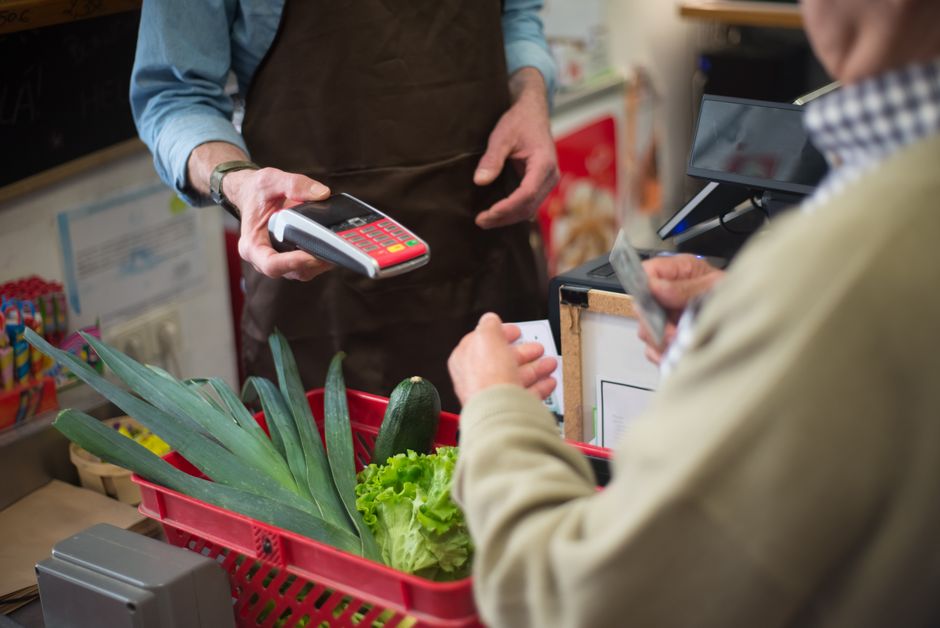
Quick answer: Advanced point of sale software is essential for modern businesses because it provides the flexibility customers demand, particularly through robust support for split payments and layaway options. These features directly enhance customer satisfaction, streamline financial operations, and significantly broaden a retailer’s market reach by accommodating diverse purchasing behaviors and financial situations in 2026.
Key Takeaways
- Flexible split payments enable customers to combine multiple payment methods for a single transaction, improving convenience.
- Layaway programs allow customers to reserve items with an initial deposit and pay over time, boosting sales for high-value goods.
- Integrated advanced point of sale software automates the management of these complex payment types, reducing manual errors.
- Supporting these options expands a business’s customer base and fosters greater customer loyalty.
- Modern POS systems with these features contribute to enhanced operational efficiency and clearer financial reporting.
- Adopting these capabilities is crucial for remaining competitive in the evolving retail landscape of 2026 and beyond.
In 2026, retail’s a tough game. Businesses need sharp solutions, and advanced point of sale software leads the way. A good POS system doesn’t just process sales; it seamlessly handles what customers expect now: flexible split payments and full-on layaway options. Those aren’t just ‘nice-to-haves’ anymore. They’re fundamental if you want to boost sales and keep customers happy.
Why Flexible Split Payments Are a Must-Have for Retailers in 2026
Flexible split payments matter because they solve a common customer problem: how to divvy up a purchase across different payment methods or people. That convenience cuts friction at the register. It stops lost sales and makes shopping a lot better for everyone.
Think about friends grabbing dinner, or families out shopping. Split payments erase awkward calculations and make transactions super simple. Everybody pays their exact share, no fuss. And that easy transaction? It makes customers feel great about your business.
How Do Split Payments Enhance Customer Experience?
Split payments really bump up the customer experience. They offer huge convenience and zap away reasons not to buy. Picture this: a customer wants a pricey item. They’ve got a gift card and a credit card. A system that handles both without a hitch? That quickly erases frustration and speeds up checkout.
Plus, it helps customers manage their money better. Maybe they’ll combine store credit with a debit card. Or even use a couple of credit cards to avoid maxing out one. That kind of flexibility shows you’re customer-focused, building trust and loyalty.
Today’s customers expect personalization and convenience, period. And an advanced point of sale software that handles all sorts of split payment setups? It nails those expectations, making every checkout smooth and satisfying.

What Operational Benefits Do Split Payments Offer?
Beyond just happy customers, split payments bring big operational perks. They slash the chances of manual errors. You know, when staff try to finagle complex transactions with workarounds or separate purchases? That gets messy, and a good system prevents it.
Automated split payment processing means transactions zip by. So, queue times shrink, and you get more customers through, especially when it’s busy. This efficiency boosts staff productivity big time. They can actually focus on helping people, instead of wrestling with payment puzzles.
Accurate transaction data? That’s another huge plus. When the system correctly splits and records payments, reconciliation gets way simpler. You get more precise financial reports, and you spend less time on end-of-day closeouts or chasing down discrepancies.
Addressing Diverse Payment Preferences
Today’s shoppers use way more payment methods than they ever did. We’re talking traditional cards, mobile wallets, tap-to-pay, even ‘buy now, pay later’ plans. It’s a diverse landscape. So, your advanced point of sale software needs to be agile enough to handle all of it.
Split payments make sure your business is never held back by how a customer wants to pay. Is it digital currency mixed with store credit? Or a partial cash payment and a card? The system should handle it smoothly. That opens you up to more customers and makes your business truly accessible.
In 2026, businesses that don’t roll with these diverse preferences? They risk losing a big chunk of their market. Offering flexible payment options really sets you apart in a busy market. It shows you’re modern and you care about your customers.
How Does Advanced Point of Sale Software Empower Layaway Programs?
Advanced point of sale software really supercharges layaway. It takes what could be a clunky process and makes it organized, automated, and totally customer-friendly. Layaway’s a key buying option for folks without immediate cash, or who’d rather pay over time without piling up debt or interest.
When you streamline the whole layaway journey — from that first deposit to the final pickup — businesses can offer this great service without adding a ton of extra work. It’s especially good for stores selling pricey stuff, seasonal items, or custom-made products where customers might just need a little more time to save up.
What is Layaway and Why is it Still Relevant?
Okay, so what is layaway? It’s when a customer puts a deposit on an item. The store then holds onto it until the full price is paid off in chunks. Only after all the payments are made does the customer actually get to take it home. It’s not like financing or credit. You don’t pay interest, and you don’t get the item until you’ve paid every penny.
Layaway’s still super relevant in 2026, especially since it tackles financial access and tight budgets for so many shoppers. It lets people lock down what they want — particularly during shaky economic times or holiday rushes — without needing all the cash upfront. And for businesses? That can turn what might’ve been a lost sale into guaranteed income.
Retailers, listen up: layaway opens doors to sales from customers who just can’t afford certain things all at once. Plus, it brings them back to your store again and again to make payments, building stronger relationships.

Streamlining Layaway Management
Trying to manage layaway by hand? That’s complex and ripe for mistakes. You’re tracking deposits, payment schedules, inventory holds… it’s a lot. But an advanced point of sale software automates all those tasks. Suddenly, layaway management is efficient and simple.
The system should track every layaway deal: the items, the deposit, payment history, what’s left to pay. It can even send automated reminders about upcoming payments, which bumps up collection rates and cuts down on defaults. Staff can then quickly check a customer’s layaway status, process payments, and handle pickups with zero fuss.
And inventory management? It’s smoothly integrated. So, layaway items are clearly marked ‘held’ and won’t accidentally get sold to someone else. This automation frees up your staff and seriously cuts down on the paperwork layaway used to create.
Mitigating Risk with Integrated Layaway
An integrated layaway system helps manage the risks that come with delayed payments. You can set up crystal-clear policies right in the software about cancellation fees or losing deposits. That brings transparency for both you and your customers.
The system keeps a detailed paper trail of every transaction, payment, and message tied to each layaway contract. This transparency protects your business if disputes pop up. Plus, it makes sure you’re playing by consumer protection rules. It’s a solid setup for handling what could otherwise be a pretty risky situation.
And because it’s automated, you practically eliminate the chance of human error — no more miscalculated balances or lost records. This boosts financial accuracy and slashes potential losses from simple administrative oversights.

Beyond Basic Transactions: The Full Potential of Advanced Point of Sale Software
Here’s the thing: advanced point of sale software does way more than just process sales. Integrate it well, and it becomes your retail operation’s central nervous system. It’ll pump invaluable insights and efficiencies right through your entire business.
Supporting flexible split payments and layaway shows just how capable a POS system is at handling complex money matters. These features often signal a wider set of tools meant to fine-tune your retail operations and keep customers engaged.
What Features Complement Split Payments and Layaway?
A really good advanced point of sale software doesn’t stop there. It bundles in other features that make split payments and layaway even better. For starters, robust inventory management is key. It tracks products in real-time, whether they’re on the shelf, heading your way, or tucked aside for layaway.
Customer relationship management (CRM) features are just as vital. They let businesses track purchase history, customer preferences, and even layaway progress. That means you can do personalized marketing and offer much better service. Plus, detailed reports and analytics give you deep insights into sales trends, which payment methods people use, and how well your layaway programs are actually performing.
Connecting with accounting software? That simplifies bookkeeping, automatically reconciling transactions and giving you a crystal-clear financial overview. And employee management tools, like time tracking and sales performance data, streamline operations even further. It all adds up to a complete business solution.
Integrating with E-commerce and Omnichannel Strategies
By 2026, an omnichannel strategy isn’t just an option for retailers — it’s a must. Your advanced point of sale software has to integrate smoothly with your e-commerce platform. That creates one seamless experience for customers, whether they’re online or in your physical store. This integration means consistent inventory, consistent pricing, and consistent customer data, no matter the channel.
Say a customer starts a layaway in your store, but then they make payments online through their customer portal. Or the other way around. Split payments? You could use them for online purchases just as easily as for in-person transactions. This unified approach smashes silos, giving customers one consistent brand experience. That drives satisfaction and makes your operations run super smoothly.
An integrated system also lets you offer services like ‘buy online, pick up in-store’ (BOPIS) or ‘return in-store for online purchases.’ It really blurs the lines between physical and digital shopping. And that kind of flexibility? It’s exactly what modern consumers expect from any business that’s truly forward-thinking.
Ensuring Security and Compliance in 2026
Listen, data security and compliance are absolutely non-negotiable for any advanced point of sale software. Especially when you’re dealing with money transactions like split payments and layaway. Your systems have to stick to the newest industry standards — think PCI DSS compliance — to keep sensitive customer payment info safe.
Encryption, tokenization, and secure data storage? Those are the basic building blocks of any reliable POS system. And you’ll need regular security updates and patches to fend off new threats. Plus, the software should make it easy to follow all local and national consumer protection laws around layaway contracts and payment processing.
Businesses that trust secure, compliant POS systems can operate with serious confidence. They know their customer data is safe, and their financial practices are rock solid. That builds huge trust with consumers and shields your business’s reputation in a world that’s always scrutinizing.
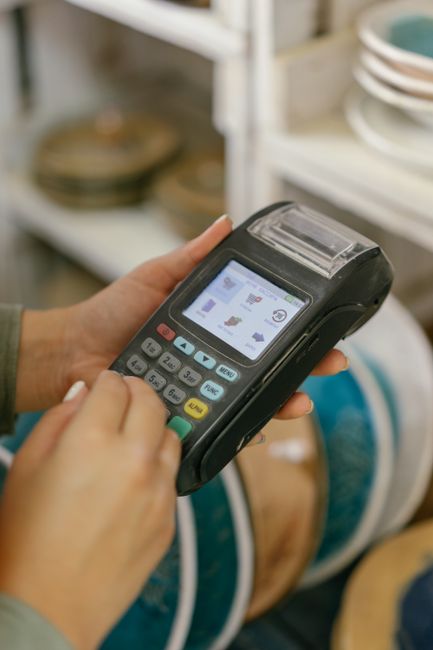
Choosing the Right Advanced Point of Sale Software: Key Considerations
Picking the perfect advanced point of sale software means really thinking about your business’s unique needs and where you want to go. This isn’t just a purchase; it’s an investment that hits every part of your operation, from how you talk to customers to your financial reports.
Sure, prioritizing systems that clearly handle flexible split payments and layaway is a key first move. But other things like scalability, how easy it is to use, and vendor support are just as critical for long-term success. You need a thorough evaluation to make sure your chosen POS system truly becomes an asset.
Scalability and Future-Proofing Your Investment
Your POS system has to be scalable. It needs to grow right along with your business, no total overhauls needed. Sales jump? New stores open? Product lines get bigger? The software should handle all those changes without breaking a sweat. And cloud-based solutions? They usually offer much better scalability than old-school, on-premise systems.
Future-proofing also means picking a vendor who’s truly committed to constant innovation and updates. The retail tech world changes fast. So, your advanced point of sale software needs regular boosts with new features and security fixes to stay competitive in 2026 and beyond.
User-Friendliness and Staff Training
Look, even the fanciest advanced point of sale software is useless if your staff can’t figure it out. An intuitive interface slashes training time, cuts down on errors, and makes employees happier. Crystal-clear, logical workflows for split payments, layaway, and daily transactions? Those are non-negotiable.
Before you commit, demand demos. Let your staff actually play with the interface. And comprehensive training resources — whether that’s in-person, online tutorials, or just good old user manuals — are super important. They make sure everyone adopts the software smoothly and uses its full potential.
Vendor Support and Long-Term Partnership
Your POS vendor isn’t just someone you buy from once. It’s a long-term partnership. So, top-notch customer support is key for troubleshooting, getting help with new features, and snagging expert guidance. Responsive support channels — think 24/7 helpdesks, live chat, or even a dedicated account manager — are incredibly valuable.
Always check the vendor’s reputation, their service level agreements (SLAs), and customer testimonials. Those will give you a real peek into the quality of support they offer. A reliable vendor won’t just hand you powerful advanced point of sale software; they’ll also make sure your business can squeeze every drop of potential out of it, thanks to ongoing help.
Frequently Asked Questions
Can all types of businesses benefit from split payments and layaway?
Absolutely! Businesses across all sorts of sectors can benefit — retail, hospitality, service industries, you name it. Split payments work great for restaurants, group bookings, and really any situation where folks are sharing a bill. And layaway? It’s super effective for retail shops selling pricier items or specialty goods.
Are there any legal considerations for offering layaway programs?
You bet. Businesses must know about and follow consumer protection laws for layaway contracts. That includes clear terms on deposits, payment schedules, cancellation policies, and when refunds apply. A good advanced point of sale software can really help you stay on top of those legal requirements.
How do split payments differ from “buy now, pay later” (BNPL) services?
Alright, here’s the difference: Split payments let customers break up one purchase using a few existing payment methods right at the register. Think two credit cards, or cash plus a gift card. BNPL services, on the other hand, are like short-term loans from a third-party lender. They let customers pay in installments (often interest-free) after the purchase. So, you get the item immediately, but someone else is handling the debt.
What is the typical timeframe for a layaway plan?
Layaway plans really vary. It all depends on the store and how much the item costs, but usually, it’s anywhere from 30 days up to a year. A good advanced point of sale software should let businesses tweak these timeframes to perfectly match their products and what their customers need.
Does implementing these features require special hardware?
Nope, not usually. Most features in advanced point of sale software — like split payments and layaway — are all about the software itself. But you’ll always want to double-check that your current POS hardware (think payment terminals or barcode scanners) plays nice with the new software. That’s just smart business.