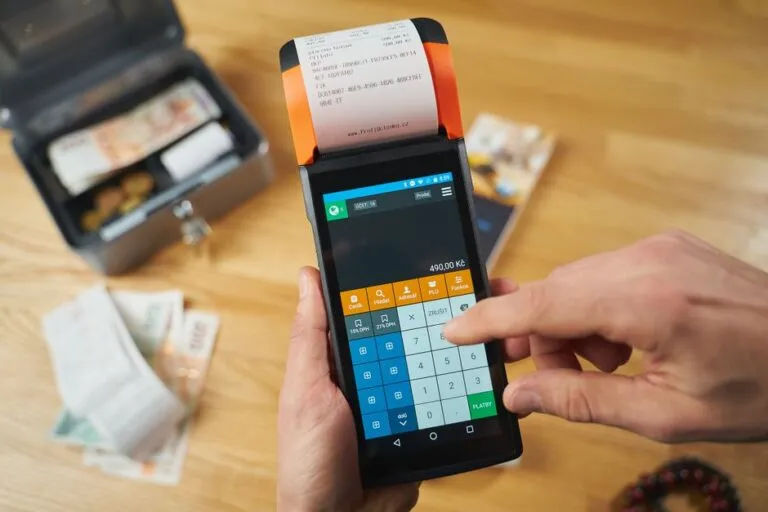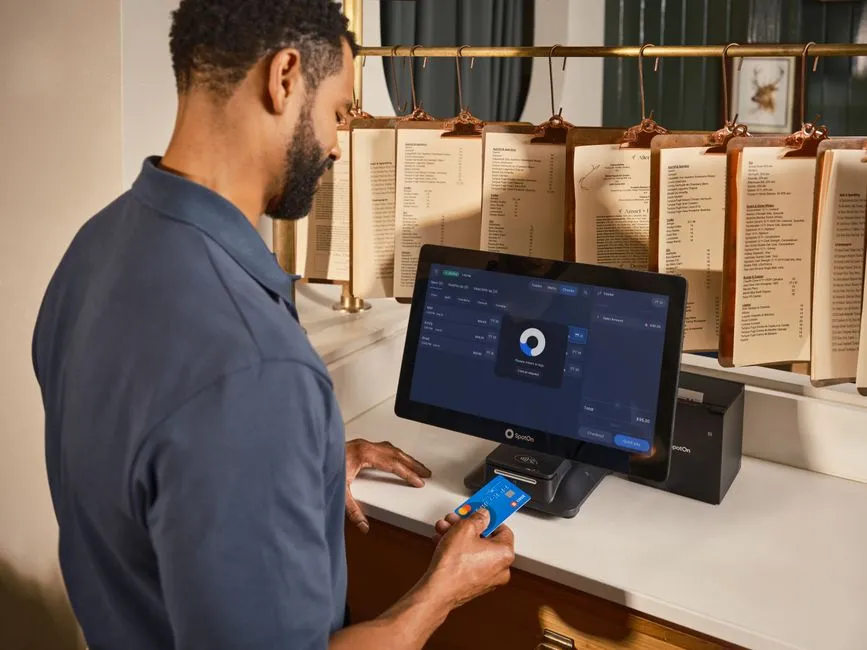
Quick answer: Modern point of sale software is critical for businesses aiming to thrive in 2026 and beyond because it streamlines operations and significantly enhances the customer experience, particularly through embedded contactless split-tender options. These advanced features meet evolving consumer preferences for speed, security, and flexibility, ensuring transactions are seamless and efficient.
Key Takeaways
- Contactless payments are now a baseline expectation for consumers, driving the need for integrated solutions.
- Embedded split-tender functionality allows customers to easily combine multiple payment methods for a single transaction.
- Enhanced security features, including tokenization and encryption, are integral to modern POS systems, reducing fraud risk.
- Operational efficiency is significantly boosted through faster transaction times and reduced manual errors.
- Investing in modern point of sale software future-proofs businesses against evolving payment technologies and consumer demands.
- Improved customer satisfaction and loyalty are direct results of offering convenient and flexible payment experiences.
Why Is Modern Point of Sale Software Essential for Today’s Businesses?
By 2026, things in retail and hospitality are all about speed, convenience, and security. And that means your POS isn’t just a cash register anymore; it’s really the central nervous system for your whole business. These sophisticated systems pull everything together: inventory, customer management (CRM), and payment processing. It’s one unified platform.
Businesses that don’t adapt? Well, they’re just going to fall behind. Customers expect transactions to be super smooth and they want lots of ways to pay. Frankly, old POS systems just can’t keep up. That means lost sales and unhappy, disloyal customers.
What Defines Modern Point of Sale Software in 2026?
What makes modern point of sale software modern by 2026? Think cloud-based systems, mobile access, and solid API integrations. Cloud solutions give you real-time data from anywhere. That means you can make smarter calls and manage your inventory way better. And mobile POS (or mPOS)? It lets you do transactions on the fly — great for pop-up shops or when your restaurant floor is buzzing.
Plus, these modern systems really put user experience first, both for your team and your customers. We’re talking intuitive interfaces and super-fast processing. That kind of efficiency doesn’t just look good; it directly boosts your profits and keeps everything running smoothly.

How Has Contactless Payment Transformed Consumer Expectations?
Contactless payments have totally changed what customers expect. Just tapping a card or phone? It’s become the way people prefer to pay. It’s fast, and hey, people feel it’s cleaner. If your business doesn’t offer easy contactless options, many customers will see you as behind the times or just plain inconvenient.
This trend has really picked up speed since 2024. Customers now actively look for places that have quick, secure tap-to-pay. So, if you want to stay competitive and bring in new people, you’ve just got to meet that expectation.
What are the Advantages of Embedded Contactless Options?
When you bake contactless options right into your current POS system, you get some big perks. For one, transactions happen way faster. That means you can serve more customers when things get busy. And that speed? It directly means more sales and shorter lines.
Then there’s security. These integrated systems keep all your payment data in one secure spot. So you get a big boost in safety and a much lower risk of data breaches, especially compared to dealing with separate terminals. Plus, that smooth integration simplifies your end-of-day reconciliation. No more headaches there.
Why Is Split-Tender Functionality a Must-Have in 2026?
Split-tender is all about letting customers pay for one thing using a mix of payment methods. Think two credit cards, maybe a gift card plus cash, or even different digital wallets. It’s perfect for those common situations: a group dinner, friends splitting a purchase, or someone just trying to use up the last bit on a gift card. Without it, transactions get messy. Your staff ends up doing manual calculations or trying awkward workarounds.
By 2026, customers just expect this kind of flexibility. Seriously. If you don’t offer it, you’re looking at frustrated customers and a pretty bad impression of your business. It’s a simple feature, but it really makes the whole buying experience so much better.
How Does Contactless Split-Tender Enhance Customer Experience?
When you put contactless tech together with split-tender options? That’s when convenience goes through the roof for your customers. Picture a group splitting a dinner bill: everyone just taps their own card or phone for their share. No passing around plastic, no waiting for multiple transactions. This is where modern point of sale software really stands out.
This whole smooth process cuts down on friction at the checkout. Transactions are faster, less stressful. Customers really appreciate that ease and efficiency. And what does that mean for you? Happier customers, more repeat business. It just melts away those common annoyances and makes the whole interaction a lot nicer.
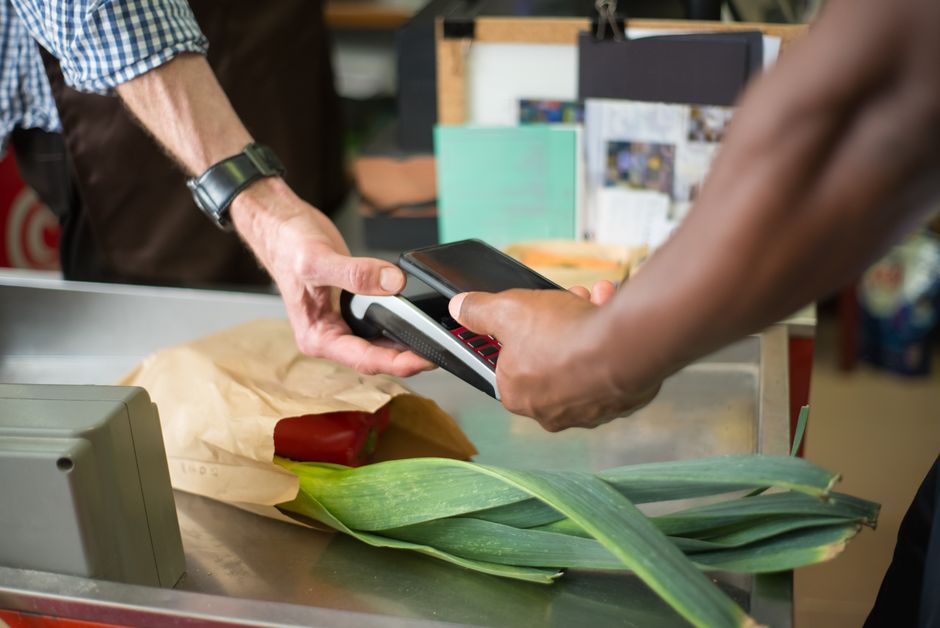
What Are the Key Security Advantages of Modern Point of Sale Software?
Security in payment processing? It’s absolutely vital. Especially with cyber threats getting smarter all the time. Modern point of sale software actually builds in serious security features, all designed to guard your customers’ sensitive data. These systems don’t just stop at basic encryption; they give you really comprehensive data protection.
Sure, you’ve got to comply with industry standards like PCI DSS — that’s just a starting point. But the top POS systems add even more layers of security. This kind of proactive thinking protects both your business and your customers from a whole lot of potential financial trouble and damage to your reputation.
How Do Tokenization and Encryption Protect Transactions?
Tokenization is a big one. It’s where your sensitive card data gets swapped out for a unique, harmless identifier—a token. So this token handles the transaction, but your actual card number never gets exposed. And if there’s ever a data breach? All they get is that useless token, not your customer’s financial details. Pretty smart, right?
Encryption, on the flip side, just scrambles all that data into an unreadable mess while it’s traveling. Modern POS systems use what’s called end-to-end encryption. That means your data is encrypted the second it’s put in, and it stays encrypted until it safely hits the payment processor. Put tokenization and encryption together, and you’ve got a seriously tough defense against data theft. So, transactions with these sophisticated systems become incredibly secure.
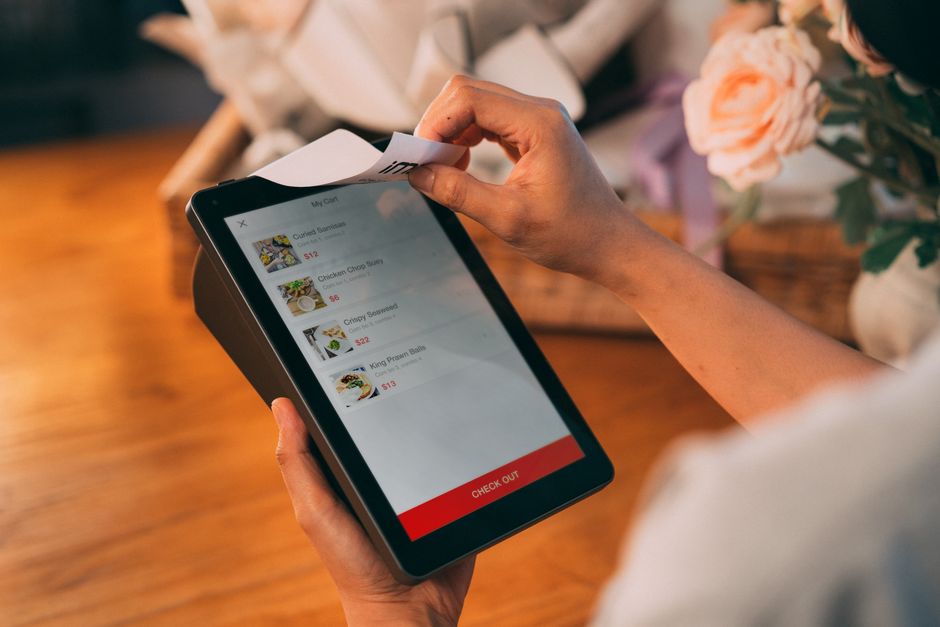
What Operational Efficiencies Does Embedded Contactless Split-Tender Provide?
Okay, so besides making customers happy, baking contactless and split-tender options into your modern POS system also makes your operations way more efficient. Faster transactions? That means shorter lines, which directly affects how you use your staff and how smoothly your store runs. Your team can handle more customers in less time, boosting productivity big time.
You’ll also see way fewer manual errors. When customers handle their own split payments with a quick tap, your staff isn’t fumbling with calculations or processing a bunch of separate payments. That drastically cuts down on mistakes. This accuracy saves you time and sidesteps those annoying reconciliation headaches at the end of a shift.
How Does Modern POS Streamline End-of-Day Processes?
These integrated POS systems automate a ton of those backend tasks that used to be manual and take ages. Reconciling sales, different payment types, even inventory? It’s pretty much instant now. Every single transaction—split-tender, contactless, whatever—gets recorded and categorized automatically.
This automation gives you real-time data on sales trends, peak hours, and what products are hot. Managers can pull up accurate reports with just a few clicks. No more spending hours trying to cross-reference a bunch of different systems. This kind of insight? It’s golden for strategic planning, especially looking towards 2026 and beyond.

Looking Ahead: The Future of Payment Processing with Modern POS
Payment tech isn’t slowing down anytime soon. So businesses really need to grab POS solutions that are not just current, but also flexible enough for whatever new innovations come next. Taking this forward-thinking approach? It’s how you stay relevant and ensure your business lasts in a market that’s always changing.
How Can Businesses Future-Proof Their Payment Infrastructure?
Want to future-proof your payment setup? Focus on POS systems that are built for the cloud and driven by APIs. Cloud-native platforms get automatic, regular updates. That means you’ll always have the newest features and security fixes. And API-driven systems? They let you easily hook up new third-party apps and services, keeping you super flexible.
Also, pick a vendor that’s got a solid history of innovation and constantly developing their tech. That partnership makes sure your POS solution actually evolves with the market. It protects your initial investment, and it keeps your business right at the cutting edge of payment technology.
Frequently Asked Questions
What is “split-tender” in point of sale?
Split-tender refers to the ability for a customer to pay for a single transaction using more than one payment method, such as a combination of credit cards, gift cards, cash, or digital wallets.
Why are contactless payments important for businesses in 2026?
Contactless payments are important because they offer speed, convenience, and perceived hygiene benefits, aligning with modern consumer expectations for quick and secure transactions.
How does modern point of sale software improve transaction security?
Modern point of sale software improves transaction security through advanced features like end-to-end encryption and tokenization, which protect sensitive payment data from breaches and fraud.
Can all POS systems handle contactless split-tender?
No, not all POS systems can handle contactless split-tender. This advanced functionality requires modern point of sale software specifically designed with integrated contactless readers and flexible payment processing capabilities.
What are the operational benefits of integrated payment options?
Integrated payment options lead to operational benefits such as faster transaction times, reduced manual errors, streamlined end-of-day reconciliation, and real-time sales data reporting, all contributing to increased efficiency.
How long does it take to implement a new modern POS system?
The implementation time for a new modern point of sale system varies based on business size and complexity, typically ranging from a few days for small businesses to several weeks or months for larger, multi-location enterprises.