Quick answer: Modern POS tap-to-pay on phones makes transactions super easy. It turns regular smartphones and tablets into secure payment terminals. This clever tech lets businesses—any size, really—take contactless payments, like credit cards and mobile wallets, right through a simple app. No need for special hardware. That saves a ton of money and makes things way more convenient for customers, especially by 2026.
Key Takeaways
- SoftPOS tech literally turns your standard phone into a secure payment terminal.
- Businesses can accept tap-to-pay cards and mobile wallets without buying extra gear.
- Seriously strong security, like EMV, encryption, and tokenization, keeps transactions safe.
- Merchants get big benefits: lower costs and much more flexibility.
- Lots of businesses can use this, from retail shops to folks working on the go.
- People are adopting this fast. We expect it to keep growing into 2027 and beyond, because customers love contactless payments.
Things are changing fast in how we handle payments. Businesses are always trying to find smarter ways to run things and give customers a better experience. And a huge leap here is how modern POS terminals handle tap-to-pay right on your everyday phone. It’s offering flexibility and cost savings we’ve never really seen before.
This whole “Tap-to-Phone” or “SoftPOS” thing means you don’t need clunky, expensive old-school point-of-sale hardware anymore. Instead, businesses can just use the phones and tablets they already have to take secure, contactless payments.
What is Tap-to-Phone Technology and How Does It Work?
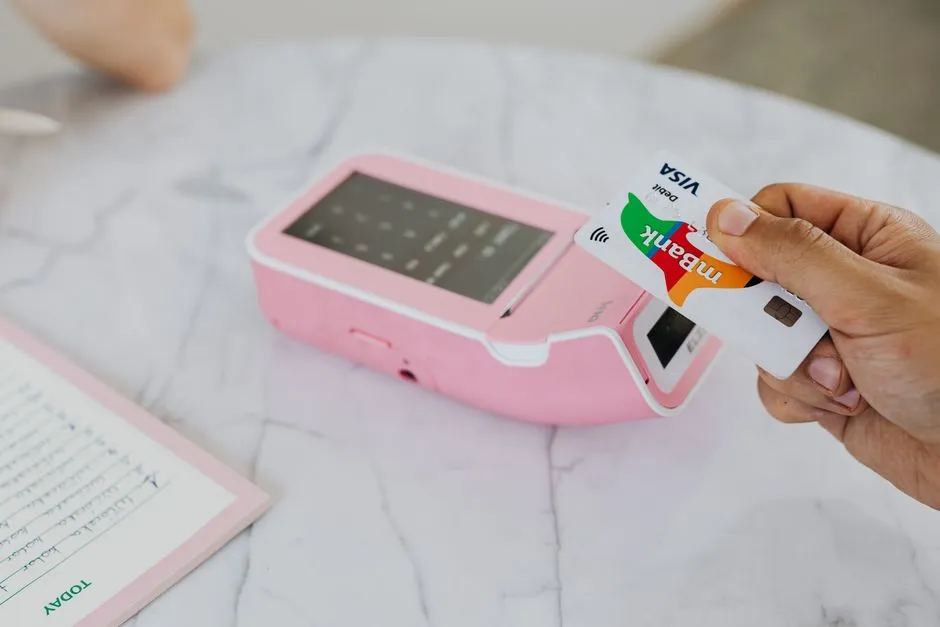
Okay, so Tap-to-Phone technology lets a merchant take contactless payments just by using a standard smartphone or tablet. It’s pretty cool, really. It turns a regular, off-the-shelf device into a secure payment terminal.
The magic behind it is Near Field Communication (NFC), which most modern phones already have built-in. When a customer taps their contactless card, phone, or even a smart watch onto the merchant’s NFC-enabled phone, all that transaction data zips across securely.
Special SoftPOS apps handle all the heavy lifting. They process the payment, often hooking up with existing payment gateways or merchant accounts. And for both the person selling and the person buying, it feels pretty much like using a traditional POS terminal, but it’s so much simpler and more portable.
This tech is catching on quickly. Businesses want agile, affordable ways to take payments, and this delivers, especially as we head into 2026.
How do modern POS tap-to-pay on phones enhance business operations?
Modern POS tap-to-pay on phones really steps up a business’s game. It brings unmatched flexibility and efficiency. Merchants don’t have to buy dedicated, proprietary POS hardware for every single spot where they take money anymore. That’s a huge deal.
Now, any authorized employee with a smartphone can become a payment point. This means shorter lines and smoother customer flow. It’s especially great for businesses with sales teams out in the field, pop-up shops, or seasonal events.
The freedom to take payments anywhere lets staff close sales on the spot. That makes customers happier and boosts your conversion rates. Plus, many SoftPOS apps can fold in inventory management and sales reporting, giving you a full picture of how your business is doing.
What are the core benefits of using off-the-shelf phones for payments?
Using regular phones for payments brings a bunch of big advantages to businesses. First off, it dramatically cuts hardware costs. You don’t have to shell out for expensive, single-purpose POS devices. Instead, you just use the smartphones or tablets you already own, or buy new ones for way less.
Second, you get fantastic mobility. Sales can happen anywhere—from a customer’s table at a restaurant to a stall at an outdoor market. That’s ultimate convenience. Third, getting set up is usually super quick and easy; just download an app and activate your merchant account.
And finally, standard phones get regular software updates. This keeps your payment system fresh with the newest security and features. So, you get continuous improvements without having to buy new hardware.

What Security Measures Protect Transactions When devices handle tap-to-pay on phones?
Security is absolutely critical when devices handle tap-to-pay on phones, and there are serious measures in place to protect sensitive transaction data. It all starts with EMV chip technology. Every transaction gets a unique, one-time code, making it incredibly tough for scammers to clone cards.
But wait, there’s more. All data is encrypted the second you tap your card until it reaches the payment processor. This keeps it completely unreadable to anyone who shouldn’t see it. Tokenization adds yet another layer of protection. It replaces actual card numbers with a unique, random token for each transaction, so your real card details never sit on the merchant’s device.
And of course, every SoftPOS solution must comply with PCI DSS (Payment Card Industry Data Security Standard). This makes sure handling, processing, and storing card data meets the toughest industry rules. Smart fraud detection systems also constantly watch transactions for anything fishy, protecting you in real time.
How does PIN on Glass ensure secure PIN entry?
PIN on Glass is a really important security feature. It lets customers type their Personal Identification Number (PIN) directly onto the merchant’s smartphone screen. This technology solves a big problem: how do you take PIN-verified debit transactions on a device that doesn’t have a physical keypad?
Special software ensures the PIN pad on the screen is randomized. It also blocks screen recording or keylogging attempts. The PIN data gets encrypted instantly when you type it in. It’s never stored on the phone, instead, it goes straight to the payment processor in a highly secured way.
This tech has gone through tough certification processes from payment networks. They make sure it meets the same strict security standards as traditional PIN pads. It’s a key part of why SoftPOS solutions can handle high-value transactions that need PIN verification, even in 2026.
What are the Use Cases and Market Adoption Trends for tap-to-phone systems?
Tap-to-phone systems are super versatile, serving a huge range of industries and business types. Small and medium-sized businesses (SMBs) get a massive boost from the low startup cost and flexibility. It means they can take card payments without a huge upfront investment.
Businesses on the move, like food trucks, taxis, and field service technicians, can process payments right then and there. That makes them more efficient and customers happier. Retailers can use SoftPOS to bust long lines during busy times, giving customers a smooth checkout experience anywhere in the store.
Restaurants and cafes use it for tableside payments, which speeds up service and cuts down on mistakes. Market adoption is definitely on an upward swing. Analysts think SoftPOS solutions will make up a big chunk of all new payment terminals put out there by 2027.
And you know what’s really driving this quick adoption? Customers just prefer contactless payments these days. Concerns about health and sheer convenience have really pushed things along.
Which industries are rapidly adopting Tap-to-Phone solutions?
Loads of industries are quickly jumping on Tap-to-Phone solutions because of their clear advantages. Retail, especially small boutiques and pop-up shops, finds it perfect. It’s so portable and keeps overhead low.
Service businesses, like salons, spas, and home repair services, love being able to process payments right at the service point. Restaurants and cafes are using SoftPOS for ordering and payment at the table. This cuts down on wait times and makes customers happier.
Event organizers and vendors at festivals or markets use it to handle tons of transactions efficiently, all without needing complex setups. Even bigger companies are checking out SoftPOS for specific needs, like backing up their regular checkouts during busy periods or for employees who are always on the go.
How do devices using tap-to-pay on phones compare to traditional POS systems?
When you stack up devices using tap-to-pay on phones against traditional POS systems, you notice some big differences. Traditional POS systems usually demand dedicated hardware: a terminal, a card reader, maybe even a separate PIN pad. That means big upfront costs and ongoing maintenance.
SoftPOS, on the other hand, just uses your existing smartphone or one you can easily get. This drastically cuts hardware costs and gives you much more mobility. Traditional systems can be tough and full of features, but they might not be agile or portable enough for certain business models.
While traditional systems have proven their reliability, SoftPOS matches that with certified security protocols. Plus, you get the convenience of taking payments anywhere you have a phone signal. Modern SoftPOS options are often cloud-based too, giving you real-time reports and updates. So, for many businesses, it’s a very strong alternative.

What are the Challenges and Future Outlook for devices handling tap-to-pay on phones?
Even with all its perks, devices handling tap-to-pay on phones do face some challenges. We’ll need to sort these out for wider adoption. A big one is getting merchants informed and trusting the system. Some businesses might be a bit nervous about taking payments on a regular smartphone, maybe thinking it’s less secure or just being unfamiliar with it.
Battery life can be a headache, too. If you’re using a phone as a dedicated terminal in a really busy place, it might run out of juice fast. And sometimes, integrating these systems with super complex existing inventory or CRM systems can be trickier than with dedicated POS hardware.
But the future looks incredibly bright. Continued improvements in mobile tech, even stronger security features, and broader acceptance from payment networks will just keep pushing growth. Experts predict that by 2028, SoftPOS will be a standard option from most major payment providers worldwide.
Payments, business management, and our everyday mobile devices are all coming together. That means a future where almost any smart device could become a secure payment terminal.
What technological advancements will shape the future of SoftPOS?
Oh, technological advancements are going to totally transform the future of SoftPOS. Better NFC chips, for one, will improve transaction speed and make things more reliable. And guess what? Artificial intelligence (AI) and machine learning (ML) are coming. They’ll make fraud detection even smarter, keeping transactions super secure.
Smartphones will get better battery optimization, solving those worries about devices running out of power during long use. We’ll also see more robust, user-friendly SoftPOS apps. These will pack in comprehensive business management features, like advanced analytics and customer loyalty programs—that’s going to be key.
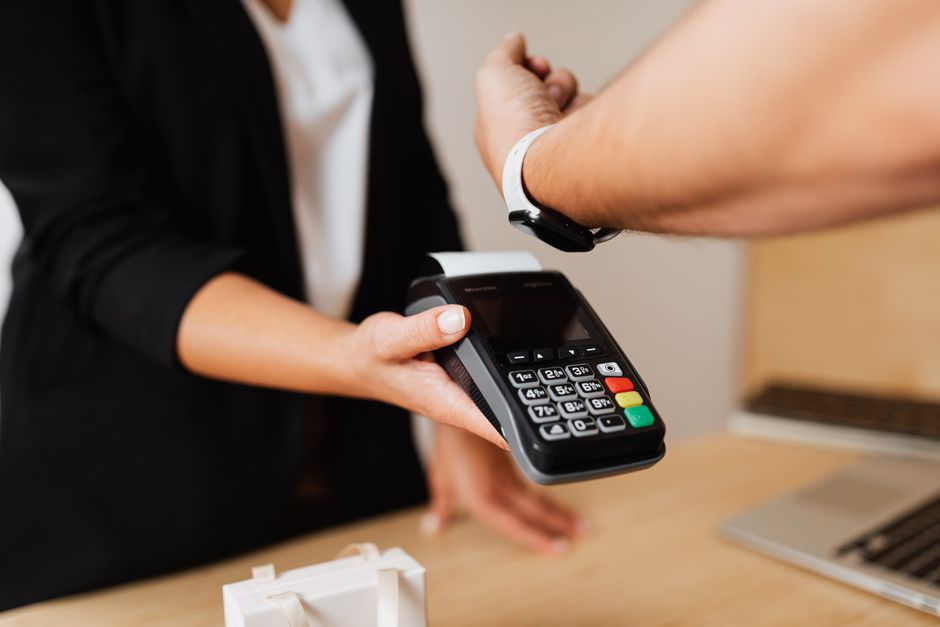
Plus, payment standards and cryptography are always evolving. This will ensure SoftPOS solutions stay ahead of the curve in secure payment processing. Expect to see seamless integration with wearables and other IoT devices for an even more connected payment ecosystem by 2027.
Frequently Asked Questions
Can any smartphone be used as a SoftPOS terminal for tap-to-pay?
Most modern smartphones that have NFC capabilities and are running an up-to-date operating system (iOS or Android) can be used as a SoftPOS terminal. You just need the right app and a merchant account.
Is tap-to-pay on phones as secure as traditional terminals?
Yep, absolutely. Modern SoftPOS solutions are built to meet the exact same tough security standards as traditional payment terminals. That includes EMV, encryption, tokenization, and PCI DSS compliance.
Do I need an internet connection to process payments with a SoftPOS app?
Yes, you do. A live internet connection (Wi-Fi or mobile data) is necessary for SoftPOS apps to send transaction data securely to the payment processor and check card details in real time.
What types of cards and payments can SoftPOS solutions accept?
SoftPOS solutions can handle all the main contactless credit and debit cards—Visa, Mastercard, American Express, Discover, you name it. They also accept mobile wallet payments like Apple Pay, Google Pay, and Samsung Pay.
How expensive is it to set up tap-to-pay on phones for my business?
Setting up SoftPOS is usually very affordable. Most of the cost comes from software subscription fees and transaction processing charges. There’s little to no upfront hardware investment, beyond the smartphone itself.
Are there transaction limits for tap-to-pay on phones?
Transaction limits for SoftPOS solutions are typically set by the payment processor and card network rules. It’s similar to traditional terminals and can depend on security protocols, like whether a PIN verification is needed.