
Quick answer: Understanding how modern POS systems track core deposit and recycling surcharges is crucial for businesses managing regulated product returns. These advanced systems integrate specific functionalities to accurately record, differentiate, and report these charges at the point of sale, streamlining compliance and financial reconciliation for environmental initiatives effectively by 2026.
Key Takeaways
- Modern Point of Sale (POS) systems are indispensable for businesses navigating complex deposit and recycling fee regulations.
- They automate the precise identification and application of varying surcharge types, such as beverage container deposits and e-waste fees.
- Accurate tracking by POS systems ensures continuous regulatory compliance and significantly prevents revenue discrepancies or losses.
- Seamless integration with inventory management and accounting modules provides comprehensive financial oversight and data integrity.
- Real-time reporting and analytics capabilities within POS platforms aid in swift reconciliation and support informed strategic business decisions.
What Are Core Deposit and Recycling Surcharges, and Why Do They Matter?
Core deposit and recycling surcharges aren’t optional. They’re fees tacked onto certain products right at the checkout, meant to get people to dispose of things responsibly and boost circular economy efforts. Retailers usually collect these charges, then send them off to government bodies or specific organizations that manage recycling. You’ve got to track them precisely. Why? Because it keeps you compliant, keeps your finances straight, and helps meet environmental goals.
Mess up how you apply, track, or send in these surcharges, and you could face hefty fines, audits, or even a damaged reputation. Nobody wants that. But get it right, and you ensure the costs of recycling and proper disposal are spread out fairly. By 2026, lots of places are adding even more products to this list, so having a good POS system isn’t just nice to have; it’s essential.
Understanding Deposit Return Schemes (DRS)
DRS, or Deposit Return Schemes, work like this: you buy a drink, and a small, refundable deposit gets added to the price. You pay it. Then, when you bring that empty bottle, jar, or can back to a special collection point, you get your money back. It’s a simple system, and it really gets more plastic bottles, glass, and aluminum recycled.
Retailers, though, have a job to do. They’ve got to charge that deposit correctly, log the sale, and process refunds when folks bring things back. Your POS system has to tell the difference between the product price and the deposit itself. That’s how you get your tax right and keep your books clean. Plus, it needs a solid way to track all those returned items so you can accurately balance your deposit obligations.
Navigating Environmental Handling Fees (EHFs)
Environmental Handling Fees (EHFs) are different. You might also hear them called recycling fees. These aren’t refundable. They get added to new products to help pay for collecting, recycling, and safely getting rid of them down the line. Think electronics, tires, batteries, or some hazardous stuff. You pay an EHF once, and you don’t get it back.
Businesses have to figure out EHFs precisely. It depends on the product type, its weight, or what it’s made of. And the rules? They swing wildly from one region or product category to the next. So, a good POS system doesn’t just make sure these tricky rules get applied right at checkout. It automates the whole thing. That cuts down on mistakes and keeps you in line with all those different environmental laws, no matter where you sell.
How Modern POS Systems Track These Specific Surcharges
Today’s Point of Sale (POS) systems aren’t just for ringing up sales. They’re built to handle all the tricky details of core deposit and recycling surcharges. We’re talking smart software and solid database connections that turn your POS into the main control center for staying compliant. That’s super important for any business working across different areas with their own, often-changing environmental rules. So it keeps things running smoothly and legally.
So, how modern POS systems track these fees? It’s all about baking specific rules right into the product catalog. When a product gets scanned, the system instantly knows if there’s a surcharge or deposit needed. It slaps on the right amount, every time, without anyone having to manually do it. That cuts down on mistakes big time and speeds up the checkout. Getting that right automatically is key for accurate books and happy customers.

Configuring Product-Specific Surcharges
Setting up product-specific surcharges in your POS means you’ll create specific rules tied to individual items (SKUs) or entire product groups. Every rule lays out the surcharge type – maybe it’s a deposit or an EHF – the exact amount, and which laws apply. For example, a beverage bottle SKU could get a $0.10 deposit, but an electronic gadget might have an EHF that changes depending on its category.
Often, these setups include when a surcharge change actually kicks in. That gives businesses time to get ready for new rules. You can program the system to automatically start applying new rates from a specific date. So, no accidental non-compliant sales. This kind of precise control makes sure every single transaction is charged correctly, based on today’s rules, cutting way down on business risks.
Automated Surcharge Application and Calculation
Automated surcharge application is just a must-have for any POS dealing with regulated products. When a cashier scans something, the POS pulls up all its related surcharges from the database, instantly. Then it crunches the total. The customer receipt will clearly show the product price separate from the surcharge. That’s super important for building consumer trust, by the way.
But it doesn’t stop there. The system also tackles tricky situations like promotions or bundles, making sure surcharges hit the right parts of the deal. If someone returns an item, the POS can automatically calculate and handle the deposit refund, even checking the original sale if it needs to. All this automation means no more manual math. That seriously cuts down on human mistakes and speeds up every single transaction.
Real-time Reporting and Analytics
You need real-time reports to actually manage surcharges well. Modern POS systems give you instant access to all your collected deposit and EHF data, sorted by product, date, and even store location. So, with these reports, you can keep a close eye on what you owe and get ready to send payments off to those regulatory groups.
Your analytics dashboards can point out trends in how you’re collecting surcharges. They’ll help you spot any odd discrepancies and even predict what you might owe down the line. That kind of data is gold for planning operations, managing inventory, and making smart business choices. And by using those real-time insights, businesses can fine-tune their compliance plans, staying ahead of the game with their environmental duties.
The Technology Behind How Modern POS Systems Track Complex Fees
When it comes to tracking core deposits and recycling surcharges, it’s not simple. It actually leans on some pretty smart tech built into today’s POS systems. These systems pull together a bunch of different parts to make sure everything’s accurate, compliant, and efficient. This tech setup lets businesses handle all sorts of changing regulations, effortlessly. It seriously cuts down on the paperwork for collecting and sending in those surcharges. And it guarantees every transaction follows the rules.

But what’s really at the heart of how modern POS systems track these complicated fees? It’s their powerful backend. That’s where you find huge product databases and all those detailed rule sets. This whole setup lets the system whip through transactions while slapping on the right surcharges, all at the same time. You’ve got slick data management and smart computing working hand-in-hand to get you perfect results right at the register.
Database Integration for Surcharge Rules
Today’s POS systems use really well-integrated databases. They hold everything you need to know about products and their surcharges: the category, what it’s made of, size, and the exact deposit or EHF. The database even stores rules specific to certain areas, so the right surcharge always applies, no matter where your store is located.
These databases are built for speed. That means the system can instantly grab and apply the right fees during a sale. And with a central database, every store location stays consistent. Plus, it makes updates super easy when rules change. This kind of integration is absolutely key to staying compliant and avoiding any mix-ups with surcharge collection.
API Connectivity for Regulatory Updates
API connectivity is huge for keeping POS systems current on deposit and EHF rules. APIs let your POS talk directly to outside databases or government sites that publish official surcharge rates. Think of it as an automated shortcut for sharing information.
Forget manual updates; those are just asking for mistakes and delays. API integration lets surcharge data sync up in real-time. Say a state government changes its bottle deposit scheme. Your POS system can get and apply those new rules automatically, often overnight. That’s a proactive way to make sure your business always runs on the newest, most accurate info. And that just strengthens your compliance.
User Interface and Workflow Design
Modern POS systems? Their user interface (UI) and workflow are built for easy use, even when surcharges get complicated. Cashiers can clearly see the item price, the surcharge, and the total right there on their screen. That transparency means fewer mistakes. And it makes answering customer questions about those charges a lot simpler, too.
Workflows are set up to walk staff through sales and returns, asking for key info or actions about surcharges. Let’s say someone’s making a return. The system might ask for confirmation that they’ve actually brought back the physical container before it issues a deposit refund. This kind of intuitive design cuts down on training time. And it boosts how efficiently you operate, making sure every fee is applied the same way, every time.
Implementing and Optimizing Your POS for Surcharge Management
Getting your POS system set up and running its best for core deposit and recycling surcharges takes some real thought and careful work. You’re not just installing software. You’ve got to customize it for your business’s exact needs and make sure every single staff member knows how to use it inside and out. Do it right, and you’ll have a smooth switch, get the most out of the new system, and steer clear of any compliance headaches.
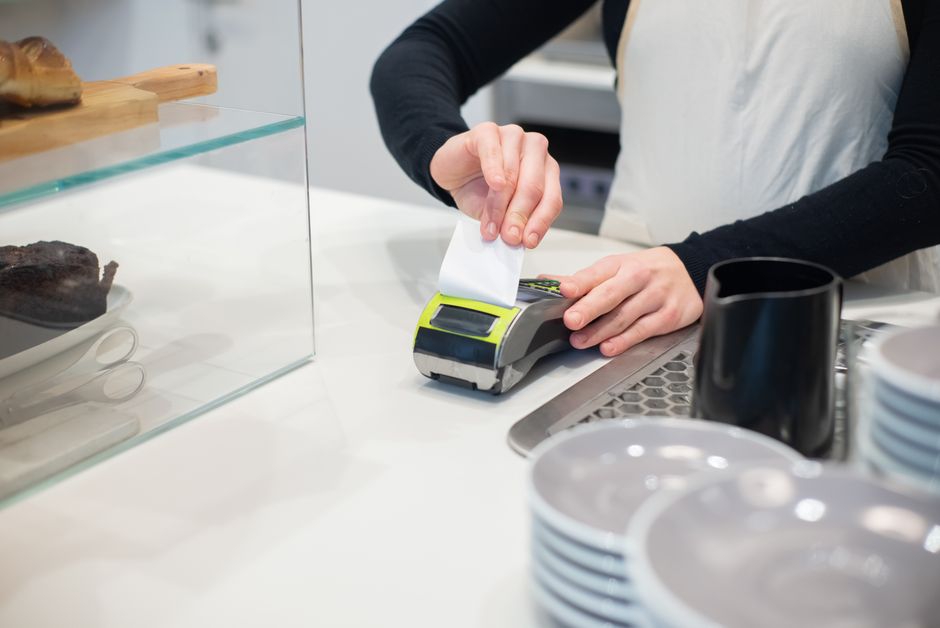
Businesses really need to look at the specific rules in their operating areas and adjust their POS setup to match. Taking that proactive step helps you dodge potential fines. And it keeps your reputation solid for being environmentally responsible. Plus, by continually fine-tuning the system, you make sure it stays nimble and can adapt to new laws or shifts in how you do business.
Initial Setup and Data Migration
First off, you’ll define every product that needs a deposit or an EHF, then set up all those surcharge rules right in your POS. This usually means digging through your current product data to find every regulated item. If you’re moving data from older systems, you’ve got to be super careful. You want all that surcharge info to be totally accurate and complete.
It’s key to link every product SKU to the right surcharge category and amount, especially thinking about any regional differences. And you’ve just got to test the whole setup thoroughly with some sample transactions before you go live. That way, you stop errors that could mean wrong charges, compliance problems, or financial messes once the system’s fully up and running.
Staff Training and User Adoption
Look, good staff training is absolutely crucial if you want any new POS system to stick, especially with complicated surcharges. Your training should teach them how to ring up sales with deposits and EHFs, manage returns, and answer customer questions about these fees. Clear, to-the-point materials and plenty of hands-on practice really help.
Make sure all your cashiers and customer service reps get why these surcharges exist and how the POS handles them. That just makes things run smoother and improves service. Well-trained staff can confidently explain the charges to customers. And that builds transparency and trust. Plus, ongoing refresher training keeps everyone current on new rules or system upgrades.
Continuous Auditing and Compliance Checks
Even with an automated system, you can’t just set it and forget it. Ongoing audits and compliance checks are a must. Businesses ought to regularly look over their sales reports to confirm surcharges are always getting applied and collected the right way. These audits can flag any setup mistakes or places where staff might need a bit more training.
Every now and then, double-check your collected surcharge data against the actual rules. That confirms you’re still compliant. And use your POS system’s reports to create those reconciliation documents for payments to stewardship groups; it really streamlines things. This kind of proactive oversight helps stop problems before they get big. So you keep your money accurate and your business on the right side of the law.
Future Trends in POS Surcharge Tracking and Compliance
Environmental rules and what customers expect keep changing. That means POS systems have to keep getting smarter. So, as we look to 2027 and beyond, a few big trends will really change how businesses handle core deposit and recycling surcharges. These new ideas are all about making surcharge tracking easier, clearer, and much more intelligent. Businesses that jump on these advancements? They’ll definitely get an edge.

Everyone wants more sustainability and accountability these days, and that’s pushing for even smarter solutions. Future POS systems won’t just track today’s fees. They’ll actually anticipate upcoming regulatory changes and give you insights before you need them. This kind of forward thinking is crucial if you want to stay compliant in a global market that just keeps getting more complicated.
AI and Machine Learning for Predictive Compliance
Artificial Intelligence (AI) and Machine Learning (ML) are about to totally shake up surcharge tracking. They’ll bring us ‘predictive compliance.’ AI can chew through huge amounts of data – regulatory shifts, product sales, regional quirks – to forecast what compliance rules are coming next. For instance, an AI system could tell a business about an upcoming change to e-waste fees in a certain area months ahead of time.
ML models can also spot strange patterns in surcharge collection. They’ll flag potential errors or even fraud way better than any manual audit could. This ability to predict lets businesses adjust their POS setups, supply chain, and pricing before problems hit. It changes compliance from something you just react to into a real strategic plus, cutting risks and making operations smoother.
Blockchain for Transparent Tracking
Blockchain tech could be a game-changer for making surcharge management transparent and traceable. Every single surcharge transaction, from when it’s collected to when it’s sent in, could be recorded as a permanent, unchangeable block on a shared ledger. That gives everyone involved – retailers, regulators, and stewardship groups – access to an audit trail you simply can’t tamper with.
Using blockchain could seriously cut down on arguments and make audits a breeze. It’d make sure money collected for environmental projects gets accounted for and used exactly as it should. And that kind of transparency? It just builds more trust with customers and everyone else involved. It gives you undeniable proof that you’re compliant and handling environmental funds responsibly.
Enhanced Data Visualization
Future POS systems are going to have even fancier data visualization tools. They’ll show you surcharge data in ways that are super easy to understand. Interactive dashboards will let businesses quickly get their heads around complex stuff, like how surcharge collection differs by region, what seasonal trends look like, or how well they’re complying. These aren’t just going to be simple charts; they’ll give you real, practical insights.
Picture a global map, right? It highlights where EHF collection is high but recycling rates are low, giving you a clear snapshot of environmental impact. Better data visualization will help businesses make faster, smarter decisions about their sustainability work, how they adjust operations, and plan inventory. It’s turning raw numbers into smart strategy, pushing for constant improvement.
Frequently Asked Questions
What is a core deposit in the context of retail?
A core deposit is a refundable fee charged at the point of sale for certain products, like car batteries or beverage containers, which incentivizes the return of the used item for recycling or re-manufacturing. Consumers get this deposit back upon returning the used product.
How do recycling surcharges differ from sales tax?
Recycling surcharges are specific fees designated to cover the cost of collecting, processing, and recycling certain products, like electronics or tires, and are often remitted to environmental agencies. Sales tax is a broader government levy on goods and services, and it may or may not apply to the recycling surcharge itself, depending on local regulations.
Can POS systems manage different surcharge rates for different locations?
Yes, modern POS systems are designed to manage varying surcharge rates based on geographic location, allowing businesses to comply with diverse state, provincial, or municipal regulations. The system applies the correct rate automatically based on the store’s configured location.
Are businesses required to show surcharges separately on receipts?
Many jurisdictions mandate that core deposits and recycling surcharges be displayed as separate line items on customer receipts to ensure transparency. Modern POS systems are typically configured to comply with this requirement automatically.
How often are surcharge regulations updated, and how do POS systems handle this?
Surcharge regulations can be updated annually or as needed by legislative bodies. Modern POS systems often use API integrations or centralized database updates to receive and implement these changes automatically or with minimal manual input, ensuring ongoing compliance.