

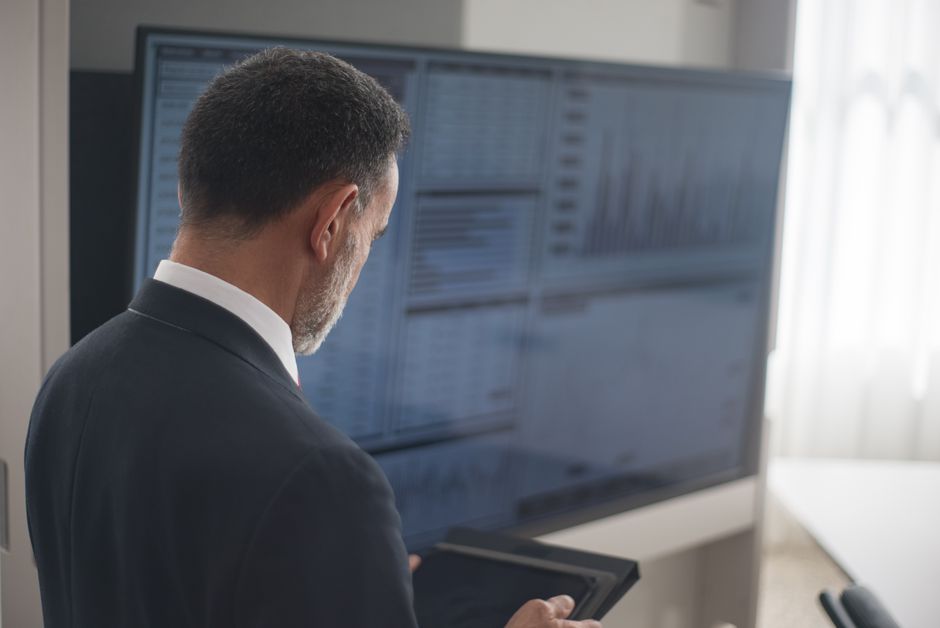
Quick answer: The strategic role of real-time dashboards is to provide executives with immediate, actionable insights into key performance indicators, enabling swift, data-driven decision-making. These dynamic tools are crucial for monitoring current operational health, identifying emerging trends, and ensuring alignment with strategic objectives, thereby enhancing overall executive performance and organizational agility in 2026 and beyond.
Key Takeaways
- Real-time dashboards provide immediate access to critical business performance metrics.
- They empower executives to make proactive, data-driven decisions that impact strategic direction.
- Effective dashboards visualize complex data into easily digestible, actionable insights.
- Successful implementation requires robust data integration and clear KPI definition.
- Monitoring financial, operational, customer, and employee performance in real-time is vital.
- The future of executive monitoring heavily relies on advanced, AI-powered real-time analytics.
Why is the Strategic Role of Real-Time Dashboards Essential for Today’s Leaders?
Real-time dashboards? For today’s executive leaders, they’re absolutely essential. The strategic role of real-time dashboards gives you a live look at what’s happening in your company, letting you act right now instead of just reviewing old reports.
Seriously, in our super competitive market, waiting around for data means you’re missing chances or not seeing problems until they blow up. But real-time dashboards? They make sure you always have the latest info, period.

How Real-Time Dashboards Sharpen Executive Decision-Making
Real-time dashboards totally change how executives make decisions. They give you instant visibility into important numbers. And that immediate data access? It lets leaders spot performance issues or new opportunities the second they pop up, not weeks down the road.
They turn complex data into easy-to-read charts and graphs, so patterns and trends jump out at you. So, executives can quickly get what current performance means and respond fast and smartly to market changes or operational snags.
What Makes a Real-Time Dashboard Actually Work?
A good real-time dashboard needs a few key things to actually be useful and make a difference. These pieces all work together, giving you a full, actionable picture of how things are going.
First off, you need solid data integration. I mean, it’s got to pull info from all over – your CRM, ERP, finance systems, marketing platforms, you name it. And listen, clean, accurate data is super important too. Because bad data? That leads to bad insights and even worse decisions.
Next, you’ve got to pick clear, well-defined Key Performance Indicators (KPIs) and put them front and center. These KPIs should tie right back to your strategic goals, giving you a sharp focus on what really counts for the business.
And finally, you absolutely need intuitive data visualization. That’s how you turn complicated numbers into something you can actually understand. Interactive stuff lets executives dig into details or filter data for a custom view, which really helps when you’re exploring the numbers.
What Important Areas Can Real-Time Dashboards Monitor?
Real-time dashboards are fantastic for keeping tabs on tons of important performance areas throughout your company. They’re so comprehensive; executives can keep a big-picture view, but also dive right into how specific departments are doing.
Usually, they track things like financial performance, how efficient operations are, customer experience numbers, and how productive your employees are. And this wide oversight? It makes sure every part of the business lines up with those big strategic goals.
Monitoring Financial Performance in Real-Time: You Need This
For executive oversight, real-time financial dashboards aren’t just nice-to-haves; they’re a strategic necessity. They give you instant insight into revenue streams, how expenses are tracking, cash flow, and profit margins. You get a live financial snapshot.
So, this instant visibility lets executives catch budget overruns, check sales performance right now, and manage cash with way more precision. It means you can make financial adjustments proactively, putting resources where they’re needed best and cutting down financial risks before they get out of hand.
Boosting Operational Efficiency with Live Data
Real-time dashboards give operational efficiency a huge boost. These tools keep an eye on key operational numbers like production output, how your supply chain is moving, service delivery times, and how you’re using resources.
With live data, executives can spot bottlenecks, follow process performance, and nail down improvement areas instantly. So, you solve problems faster, cut down on waste, and make your business processes way smoother.
Making Customers Happier with Constant Monitoring
Customer experience (CX) and satisfaction are directly tied to real-time monitoring. Dashboards can track things like how fast customer support responds, Net Promoter Scores (NPS), how many customers you’re losing, and website engagement – all in real-time.
And executives get an immediate sense of how customers feel and the quality of service. That means you can jump in quickly to fix customer problems, make interactions more personal, and proactively tweak your strategies to build loyalty and grow the business.
Watching Employee Performance and Engagement with Dynamic Dashboards
Real-time dashboards aren’t just for business; they’re super helpful for HR, too. They give you insights into how employees are performing and how engaged they are. You can track things like project completion rates, team productivity, how training is going, and how well internal communication is working.
This live assessment helps HR leaders and executives spot high-performing teams, figure out who needs training, and deal with engagement issues right away. It means a much more nimble, responsive way to manage your workforce, which really helps your whole organization stay healthy.
Challenges and Best Practices for Setting Up Real-Time Dashboards
Look, putting real-time dashboards in place is great, but it’s not without its challenges. Companies have to navigate these. Getting past those hurdles successfully just means careful planning and sticking to what works.
You’ll often run into problems like messy data, or how complicated it is to integrate different systems. And there’s always the risk of showing too many numbers and just overwhelming everyone. Plus, if the dashboards aren’t easy to use or don’t actually help executives, people might not bother using them.
Tackling Data Integration for Smooth Real-Time Reports
Dealing with complex data integration is absolutely key if you want smooth real-time reporting. Companies often struggle with data stuck in different silos, inconsistent formats, and data refreshing at different speeds across systems.
So, what works? Invest in solid ETL (Extract, Transform, Load) processes or modern data integration platforms that can link up all those different data sources. And getting a single, reliable source of truth for your key metrics? That’s essential for consistent, trustworthy data across all your dashboards.
Keeping Data Secure and Governed in Real-Time Dashboards
Making sure your data is secure and well-governed is paramount for any real-time dashboard setup, especially with sensitive executive data floating around. Unauthorized access or breaches could totally trash your reputation and cost you a fortune.
You’ve got to put strong access controls, encryption, and regular security audits in place. And sticking to data privacy rules like GDPR and CCPA, plus setting up clear policies for data ownership and use? Those are huge parts of a robust governance plan for 2026 and way beyond.
What’s Next for the Strategic Role of Real-Time Dashboards?
The strategic role of real-time dashboards is always changing, pushed forward by new tech and what businesses need. A few big future trends are really going to shake up how they’re designed, what they can do, and how useful they are for executives.
Bringing in AI and machine learning will seriously upgrade dashboards. They won’t just be reporting tools anymore; they’ll be platforms that predict and even tell you what to do. Plus, expect better interactivity and custom views to become standard, tailor-made for each executive.
AI and Predictive Analytics Are Coming to Executive Dashboards
AI and predictive analytics are really changing executive dashboards. These technologies mean dashboards can do more than just show you current numbers; they can actually predict future trends and flag potential risks or opportunities.
Dashboards powered by AI? They can automatically spot weird patterns, suggest fixes, and even help you put resources in the best place based on predictive models. This totally makes executive monitoring a way more proactive and strategic job by 2028.
Making Dashboards More Interactive and Personal for Executives
In the future, dashboards will really focus on making things more interactive and personal for executives. Customizing the dashboard experience for each executive’s job and preferences? That’ll make them much more likely to use it and get value from it.
Features like asking questions in plain language, custom data views, and the ability to drill down will all get way smarter. Executives will just ask specific questions and instantly get clear, visual answers, no tech person needed.

How Real-Time Dashboards Build Business Agility and a Competitive Edge
Real-time dashboards really push business agility and give you a competitive edge. The market changes fast, right? So, being able to react quickly and confidently is a huge differentiator. And dashboards? They give you exactly the insights you need to do that.
With instant access to performance data, executives can quickly see how strategic plans are doing, watch what competitors are up to, and change direction, all in real-time. This dynamic ability helps companies stay ahead, grab opportunities that disappear fast, and deal with threats before they fully hit.
Say sales for a product line suddenly drop. You’d see that instantly, right? That means marketing can launch targeted campaigns or sales can tweak their approach within hours. Or say a new service suddenly gets huge customer interest. You can jump on that fast, rerouting resources to scale up and meet demand.
This constant feedback loop lets executives build a culture where everyone responds quickly and keeps trying to improve. So the strategic role of real-time dashboards isn’t just about looking at numbers. It’s about building a flexible, responsive company that can outsmart competitors and keep growing strong well into 2027 and beyond.
Frequently Asked Questions
What is the primary benefit of real-time dashboards for executives?
The primary benefit is immediate access to actionable insights, enabling faster, data-driven decisions that align with strategic objectives and enhance organizational agility.
How often should real-time dashboards be updated?
Real-time dashboards should ideally update instantaneously or with minimal latency (seconds to a few minutes), depending on the criticality and source of the data, to provide the most current view of performance.
Can real-time dashboards integrate data from all business systems?
Yes, modern real-time dashboards are designed to integrate data from a wide variety of business systems, including ERP, CRM, marketing automation, and financial software, often through APIs or data warehousing solutions.
Are real-time dashboards only for large enterprises?
No, while often associated with large enterprises, real-time dashboards are increasingly accessible and beneficial for businesses of all sizes, offering scalable solutions that cater to various operational and executive needs.
What is the difference between a real-time dashboard and a standard dashboard?
A real-time dashboard displays data as it is collected, offering immediate, up-to-the-minute insights, whereas a standard dashboard typically presents historical data that is refreshed periodically (e.g., daily, weekly, or monthly).
What makes a real-time dashboard strategic for executive monitoring?
A real-time dashboard is strategic because it moves beyond mere reporting to empower proactive decision-making, allowing executives to course-correct, exploit opportunities, and optimize performance instantly based on current business conditions.