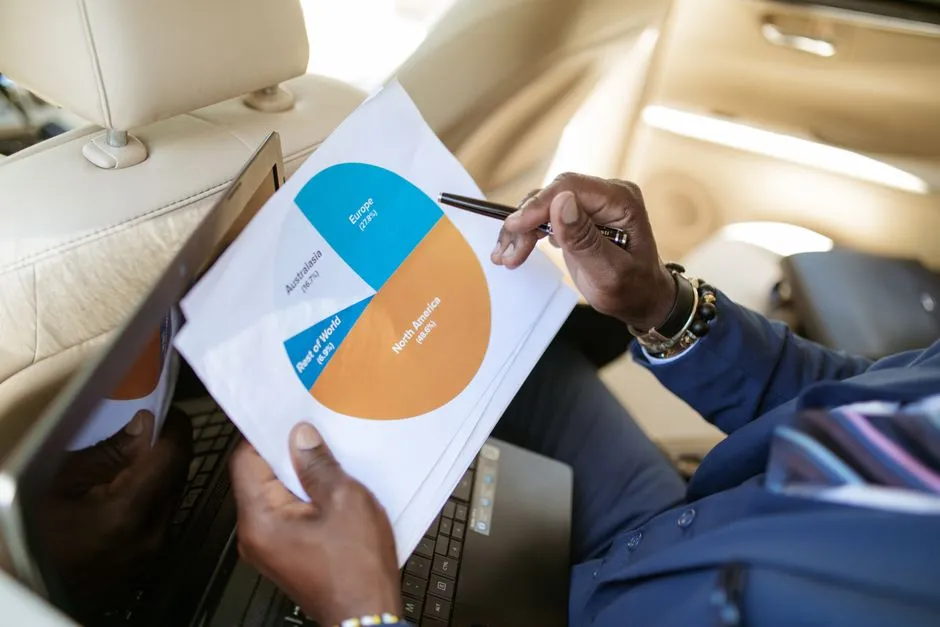
Quick answer: The strategic value of executive scorecards, particularly when integrated with real-time Enterprise Resource Planning (ERP) data feeds, is undeniable. They give senior leadership immediate, accurate, and comprehensive insights into organizational performance, enabling proactive and data-driven strategic decision-making. These scorecards transform raw operational data into a concise, visual representation of key performance indicators (KPIs), fostering agility and competitive advantage in dynamic market conditions.
Key Takeaways
- Scorecards give you a whole, real-time picture of how your organization’s performing against its strategic goals.
- And linking them to ERP data? That guarantees accurate, consistent, and timely data for those critical decisions.
- They let leaders spot trends, nail down issues, and grab opportunities way faster than old-school reports ever could.
- This strategic value also means better accountability, smarter resource allocation, and snappier operations.
- Using real-time data helps build a proactive management culture. You’re not just fixing problems; you’re anticipating them.
- But effective scorecards? They demand you pick KPIs carefully, making sure they line up exactly with your big business goals.
The strategic value of executive scorecards, particularly those powered by real-time ERP data feeds, truly transforms how smart your organization can be and how quickly you can make decisions. Look, in the super competitive global market of 2026, getting accurate performance numbers right away isn’t just nice to have. It’s absolutely essential.
Think of executive scorecards as your high-level dashboard. They give you a comprehensive, at-a-glance view of your organization’s health and how it’s tracking toward its strategic goals. But when these scorecards draw their fuel directly from a real-time Enterprise Resource Planning (ERP) system? Their power multiplies, big time.
What is the Strategic Value of Executive Scorecards?
So, what’s the strategic value of executive scorecards really all about? Well, it’s pretty complex, but it boils down to this: they translate a mountain of data into clear, actionable insights for senior management. They give everyone a single, unified view of performance, cutting right through all the noise you get from super detailed operational reports.
Old reporting methods often bury information in separate silos or deliver it way too late. That makes it tough for leaders to really get the strategic impact of daily operations. But executive scorecards fix this. They curate just the critical KPIs, serving them up in a way that’s easy to digest and immediately highlights trends, risks, and opportunities.
How do Scorecards Support Strategic Decision-Making?
How do scorecards actually help with strategic decisions? They give you a real-time pulse of the business, plain and simple. Let’s say a scorecard suddenly shows customer satisfaction scores dropping, right alongside a jump in product returns. That immediately tells leadership to investigate and fix things.
They help build a data-driven culture, making sure strategic choices come from solid evidence, not just gut feelings. And by tracking progress against objectives, executives can quickly pivot strategies if the market shifts or internal performance goes off course.
What are the Key Components of an Effective Executive Scorecard?
So, what makes an executive scorecard effective? It’s usually built from several key components, each chosen carefully to mirror your strategic priorities. We’re talking financial indicators, customer satisfaction numbers, operational efficiency measures, and benchmarks for employee performance or innovation.
Picking the right KPIs? That’s huge. They’ve got to be SMART: Specific, Measurable, Achievable, Relevant, and Time-bound. If you pick irrelevant or too many KPIs, you’ll actually dilute the scorecard’s strategic value and just create information overload, not clarity.
How Do Real-Time ERP Data Feeds Enhance the Strategic Value of Executive Scorecards?
Real-time ERP data feeds, they’re the engine behind truly effective executive scorecards. They just keep feeding you accurate, current information, non-stop. ERP systems pull data from every corner of your organization — finance, HR, supply chain, manufacturing, sales — and dump it all into one integrated platform.
Plugging scorecards straight into these real-time feeds cuts out all that manual data gathering. It slashes the chance of errors and makes sure the info executives act on is the freshest available. This kind of immediacy? It’s absolutely crucial for staying agile and competitive.

Why is Real-Time Data Crucial for Executive Scorecards?
So, why is real-time data so critical for these scorecards? Because it lets leaders react to changes as they’re happening, not days or weeks down the line. Picture this: it’s Q3 2026, and supply chain disruptions mess up manufacturing schedules. With real-time ERP data, your executive scorecard immediately flags those problems.
Without that real-time link, you might not even notice these critical delays until your monthly or quarterly reviews. By then? Significant financial or operational damage could have already piled up. But the ability to jump in fast? That can save millions and keep your market position secure.
What are the Benefits of ERP Integration for Scorecard Accuracy?
Integrating with an ERP system gives scorecard accuracy a huge boost. It uses a single, undeniable source of truth. So, data consistency is a given because every metric comes straight from the same operational database. That wipes out discrepancies that often crop up when you’re dealing with separate systems or manual data entry.
This kind of data integrity builds real confidence in what the scorecard shows. It lets executives make bold decisions, knowing they’re based on verified facts. And hey, cutting down on all that data reconciliation work? That frees up valuable analytical resources, too.
Getting the Most Strategic Value from Executive Scorecards
Putting executive scorecards into practice for maximum strategic value isn’t just about picking some software. It means taking a thoughtful approach, a real strategic process that aligns your tech with your business objectives and organizational culture.
When you implement these successfully, you’ll prioritize clear objective setting, get all your stakeholders engaged, and roll it out in phases. The goal? Build a tool that’s not just powerful with data, but also intuitive and genuinely helpful for the people who actually use it.

What Steps are Involved in Developing Effective Scorecards?
So, how do you build effective scorecards? You start by pinpointing your organization’s big strategic goals and objectives for 2027 and well beyond. Then, you pull specific KPIs right from those goals, metrics that directly measure your progress.
Next up, you identify and integrate your data sources — mostly your ERP system — making sure the data is clean and automated. The user interface? Its design really focuses on clarity, great visualization, and easy interpretation. That often means a few rounds of tweaks based on executive feedback.
How can Organizations Ensure Scorecard Adoption and Usage?
How do you get people to actually use the scorecard? You’ll need a solid change management strategy. That means thorough training for executives on how to read the data and act on it. Plus, you’ve got to communicate clearly what the scorecard’s for and what it offers.
Leadership buy-in is absolutely key. When senior executives actively use the scorecard, bringing it up in discussions and decisions, that sends a clear message to everyone else: ‘This thing’s important!’ And that encourages wider engagement.
Advanced Analytics and Predictive Capabilities of Modern Scorecards
The value of executive scorecards keeps growing. Why? Because advancements in analytics and AI keep adding powerful predictive capabilities. Modern scorecards aren’t just reporting old data anymore; they’re forecasting future trends and potential outcomes.
They tap into machine learning algorithms, sifting through huge ERP data sets. This lets these advanced scorecards spot subtle patterns and correlations that human analysts could easily miss. So, you get truly forward-looking insights.

How do Advanced Analytics Enhance Strategic Foresight?
How do advanced analytics sharpen your strategic foresight? They offer predictive models for all sorts of business scenarios. Say, for instance, a scorecard forecasts potential revenue shortfalls. It bases this on current sales pipeline data and historical conversion rates. That lets management proactively tweak marketing strategies.
Or, it could predict inventory shortages because of expected demand spikes or supply chain bottlenecks. That means you can adjust procurement and logistics right away. This foresight helps you minimize risks and grab opportunities in Q4 2027.
What Role Does AI Play in Optimizing Executive Scorecards?
AI actually helps optimize executive scorecards quite a bit. It automates finding weird data anomalies and even suggests actionable insights. An AI-powered scorecard can flag unusual shifts in KPIs and might even point you toward potential root causes. That saves executives a ton of time figuring things out.
Plus, AI can personalize scorecard views. It tailors them based on each executive’s role and priorities. That way, every leader gets just the most relevant info and isn’t swamped by data that doesn’t apply to their specific strategic area.
The Future of Executive Scorecards: Integration and Automation
Looking ahead, executive scorecards will only get more valuable. Why? Deeper integration and even more automation. We’re heading towards hyper-personalized, self-adjusting scorecards that can predict what info you need and deliver insights all on their own.
And being able to connect with an even wider range of outside data sources, not just the ERP? That’ll give you a far more holistic view of the market, the competitive landscape, and all those geopolitical factors that hit business strategy in 2028.
How Will Scorecards Evolve with Emerging Technologies?
How will scorecards change with new tech? They’ll start using things like natural language processing (NLP), letting executives query data just by talking to it, making information retrieval super intuitive. And augmented reality (AR)? That could totally change how we visualize scorecards, creating immersive data environments.
We might even see blockchain technology come into play, making sure the underlying data’s integrity and transparency are immutable. That’ll cement trust in scorecard accuracy even more, especially for highly regulated industries.

What are the Next Steps for Organizations Leveraging Scorecards?
What should organizations do next if they’re using scorecards? They should absolutely prioritize continuous improvement and expanding their capabilities. That means regularly reviewing and refining KPIs to ensure they still line up with changing strategic objectives. And hey, start exploring those advanced features like predictive analytics.
Plus, investing in solid data governance frameworks and locking down the security of real-time data feeds will be critical. That’s how you keep the high strategic value of executive scorecards going strong into the next decade.
Frequently Asked Questions
What is an executive scorecard?
An executive scorecard is basically a high-level visual report. It summarizes how an organization’s performing against its strategic objectives using key performance indicators (KPIs). The whole point? Give senior leaders a quick, comprehensive overview.
How do executive scorecards differ from traditional business reports?
How are executive scorecards different from regular business reports? Well, scorecards zero in on strategic, high-level KPIs, usually presented visually. And they’re typically updated in real-time or pretty close to it. Traditional reports, though, they’re often super detailed, operational, and only come out now and then.
Why is real-time ERP data essential for executive scorecards?
Why do executive scorecards absolutely need real-time ERP data? Simple. It gives you immediate, accurate, and consistent info from one single source. That lets executives make timely, informed decisions based on the most current operational realities.
Can executive scorecards help improve organizational accountability?
Yes, executive scorecards absolutely boost organizational accountability. They clearly define performance targets and then consistently track progress against them. That makes it totally clear where objectives are being met, or where you need to step in and fix something.
What challenges might arise when implementing an executive scorecard?
What kinds of challenges might pop up when you’re implementing an executive scorecard? You might struggle with picking the right KPIs, making sure data quality and integration are solid, getting executives on board, managing changes throughout the organization, and designing an interface that’s both informative and easy to understand.
How often should executive scorecards be reviewed by leadership?
How often should leaders look at executive scorecards? Ideally, at least weekly. That keeps them aware of ongoing performance and lets them make quick strategic adjustments. But hey, the exact frequency can depend on how fast your business moves and what kind of KPIs you’re tracking.