

Enterprise Resource Planning Explained: How ERP Connects Every Department
Quick answer: Enterprise resource planning explained, or ERP, is a comprehensive software system that integrates and manages a company’s core business processes across departments. It centralizes data and operations, enabling seamless communication and improved decision-making for enhanced organizational efficiency.
Key Takeaways
- ERP systems centralize critical business functions like finance, HR, manufacturing, and supply chain into a single, unified platform.
- The primary goal of ERP is to improve operational efficiency, data visibility, and strategic decision-making across an enterprise.
- Modern ERP solutions leverage cloud technology, AI, and machine learning to offer advanced analytics and predictive capabilities in 2026.
- Implementing ERP can lead to significant benefits, including cost reduction, enhanced productivity, better customer service, and regulatory compliance.
- Successful ERP adoption requires careful planning, customization, and user training to overcome potential implementation challenges.
What Exactly is Enterprise Resource Planning Explained?
At its core, ERP refers to a big software package that pulls everything together. It lets companies run their main business processes – everything from managing money and people to making products and handling their supply chain – all from one spot. ERP truly is the central nervous system for any modern business.
The real point of ERP? It smashes through those data silos that usually keep departments apart. You don’t have separate systems doing their own thing anymore. Instead, an ERP solution gives everyone a shared database and a consistent way to look at things. This integration makes sure all your info is accurate, current, and easy for authorized staff to get to. Businesses in 2026 depend on this unified setup to stay nimble and competitive.

How Does ERP Connect Departments and Streamline Operations?
An ERP system essentially acts as a bridge between all your departments, putting everything on one common platform. Take a sales order, for example. When a customer places an order, the ERP doesn’t just record it. It instantly updates inventory levels, kicks off production schedules, creates the invoice, and even tracks the customer’s payment. Poof! No more manual data entry, way fewer errors.
Let’s look at finance: ERP gives you real-time insight into cash flow, accounts payable, and accounts receivable. This just makes financial reporting and compliance so much simpler. Over in HR, it handles payroll, benefits, and employee records with ease. Manufacturing folks get optimized production planning, better quality control, and smarter materials management. And supply chain? Procurement, inventory tracking, and logistics all get smoother. It’s a huge upgrade.
This whole interconnected setup really speeds things up. Information just flows, stopping those frustrating delays and miscommunications. So, decision-makers get all the real-time data they need, letting them make much smarter, strategic choices. What you end up with is an ERP system taking all your scattered processes and turning them into one smooth, efficient operation.
What are the Key Benefits of Implementing Modern ERP Systems in 2026?
Putting a modern ERP system in place brings tons of upsides for businesses. First off, it really cranks up operational efficiency. It does this by automating all those routine tasks and standardizing your processes. And that means serious time and money saved across the board.
But that’s not all. ERP gives you incredible insight into your data. Since everything lives in one central spot, your executives can pull up real-time analytics and detailed reports whenever they need them. This clearer picture drives better forecasting, smarter resource allocation, and sharper strategic planning. For businesses in 2026, that’s a huge competitive advantage.
Plus, ERP systems are productivity boosters. They zap redundant data entry and manual errors. So, your employees can actually spend their time on more important, higher-value work instead of getting bogged down in admin. Customer service gets a lift too, because sales and support teams instantly know customer histories, order statuses, and what products are available.
Compliance and risk management also get a lot tougher with ERP. These systems often pack in features that help businesses hit regulatory standards and keep internal controls super tight. Oh, and scalability is a big one. As your company grows, your ERP can just adapt to handle more volume and complexity without you needing to rip everything out and start over.

How Does ERP Improve Financial Management and Reporting?
ERP totally transforms how you manage your money. It does this by pulling all your financial data into one place. We’re talking general ledger, accounts payable, accounts receivable, fixed assets, payroll – all integrated into a single system. That means no more manual reconciliation, fewer mistakes, and just one reliable source for all your financial info.
So, with ERP, financial reports are suddenly more accurate and much faster. You get dashboards and custom reports that show you your company’s financial health in real-time. This lets you budget better, forecast smarter, and easily meet accounting standards like IFRS or GAAP – a must-have for public companies by 2026. Oh, and audit trails? They’re generated automatically, making both internal and external audits a breeze.
Can Enterprise Resource Planning Enhance Supply Chain Efficiency?
Absolutely! ERP really helps fine-tune your entire supply chain. It gives you a crystal-clear view of everything, from buying materials and managing inventory right through to logistics and getting products out the door. This big-picture perspective means companies can spot bottlenecks quickly and make sure materials flow smoothly.
ERP systems are great for handling supplier relationships, automating purchasing, and tracking inventory levels super precisely. They can even hook up with warehouse management systems (WMS) and transportation management systems (TMS) to make things even slicker. What you get? Lower inventory costs, quicker deliveries, and happier customers. And with predictive analytics, a standard feature in 2026 ERPs, you can forecast demand way more accurately, avoiding those frustrating stockouts or wasteful overstocking.
What are the Different Types of Enterprise Resource Planning Solutions Available?
The world of ERP offers all sorts of solutions, designed for different business needs and sizes. Knowing these types is key to picking the right system. Usually, the main differences come down to how they’re deployed and which industry they’re built for.
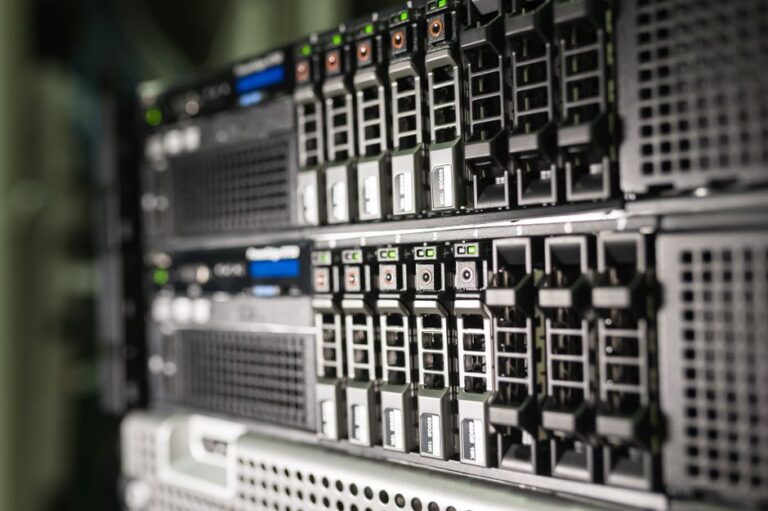
On-Premise ERP: Back in the day, ERP systems lived on a company’s own servers and infrastructure. This model still gives businesses total control over their data and customization. But, you’re looking at a big upfront investment in hardware, software licenses, and IT staff just for maintenance and upgrades. Plenty of older systems still run this way.
Cloud ERP: This is the modern way. The ERP software sits on a vendor’s servers and you access it over the internet, like a service (SaaS). Cloud ERP means lower upfront costs, quicker setup, automatic updates, and easy scalability. It’s super popular in 2026 because of its flexibility and how it takes the IT burden off your shoulders. You can find these cloud solutions as public, private, or hybrid clouds.
Hybrid ERP: A hybrid approach mixes things up, combining bits of both on-premise and cloud solutions. Maybe a company keeps sensitive data or specific modules in-house while using cloud services for other features. It’s flexible, sure, but it can also make integration and management a bit more complex.
Industry-Specific ERP: Lots of ERP vendors now sell systems pre-built for specific industries – think manufacturing, retail, healthcare, or professional services. We call these “vertical ERPs.” They come packed with special functions and compliance features already in place. This cuts down on how much you need to customize them and speeds up implementation. An industry-focused enterprise resource planning explained system can address unique industry challenges more effectively.

Challenges and Considerations When Implementing ERP Systems
Okay, so ERP definitely brings big advantages, but getting one implemented isn’t always smooth sailing. One of the biggest obstacles? The initial price tag. ERP systems demand a hefty investment, covering software licenses, hardware (if you’re going on-premise), implementation services, training for your team, and then ongoing maintenance. You’ve really got to budget wisely for both what you’ll spend now and what you’ll spend later.
Then there’s the sheer complexity. These ERP projects can be huge, often forcing you to completely rethink and re-engineer your core business processes. That usually means a big organizational change, and frankly, people often resist. Employees used to the old ways might push back, making adoption tough. So, thorough planning, strong support from leadership, and solid user training are absolutely crucial for it to work.
And let’s not forget data migration. Moving all that historical data from your old, disparate systems into a new ERP? That can be incredibly complex, chew up a lot of time, and easily lead to errors. You’ve got to ensure data quality and integrity during this stage. Plus, you need to find a careful balance with customization. Sure, tailoring an ERP to your specific needs is important. But over-customizing can quickly mean higher costs, upgrade nightmares, and maintenance headaches down the road.

The Future of Enterprise Resource Planning Explained: Trends for 2026 and Beyond
So, what’s next for ERP? It’s a constantly shifting landscape, largely shaped by new tech and what businesses need to do. A few big trends are really pushing what ERP systems will look like in 2026 and well after that.
Artificial Intelligence (AI) and Machine Learning (ML): These aren’t just buzzwords anymore; they’re getting built right into ERP. They’ll automate tasks, give you smart predictions, and suggest actions. Imagine AI optimizing your inventory, forecasting sales with amazing accuracy, or even balancing your financial books automatically. ML algorithms will pick out patterns in huge datasets, making your operations smoother and your decisions sharper.
Internet of Things (IoT) Integration: ERP systems are increasingly hooking up with IoT devices. That means real-time data pouring in from sensors on your machinery, vehicles, and products. You’ll get instant insights into how your assets are performing, where your supply chain is at, and how customers actually use your stuff. This lets you do proactive maintenance and deliver better service.
Predictive Analytics and Business Intelligence: Modern ERP platforms aren’t just telling you what happened anymore. They’re telling you what will happen. Businesses can get ahead, anticipating future trends, spotting potential risks, and making truly data-driven strategic moves. The improved business intelligence tools inside ERPs will show you richer visuals and make data exploration super easy for everyone.
Mobile ERP and User Experience (UX): With teams spread out globally, being able to access ERP on your phone or tablet is just standard now. Users need to get to critical data and do their work from any device, anywhere. And frankly, vendors are putting a lot of effort into making interfaces intuitive and personalized. That means better adoption and higher productivity. A slick UX cuts down on training time and keeps users happy.
Sustainability and ESG Reporting: Businesses are under more and more pressure to be green, socially responsible, and well-governed (that’s ESG). So, ERP systems are adding features to track and report on all sorts of sustainability metrics. This includes things like carbon footprint tracking, how much resource you’re consuming, and ensuring an ethical supply chain. It’s becoming a fundamental part of running a responsible enterprise.
Frequently Asked Questions
What is the main purpose of an ERP system?
The main purpose of an ERP system is to integrate core business processes across an organization into a single, unified system, enhancing efficiency, data visibility, and informed decision-making.
Is ERP only for large enterprises?
No, while traditionally associated with large corporations, ERP solutions are now available and scalable for businesses of all sizes, including small and medium-sized enterprises (SMEs), with cloud-based options making them more accessible.
How long does ERP implementation take?
ERP implementation timelines vary widely depending on the size of the organization, the complexity of its processes, the scope of the system, and customization needs. It can range from a few months for smaller businesses to several years for large, complex enterprises.
What are the key modules in a typical ERP system?
Typical ERP systems include modules for financial management, human resources, manufacturing, supply chain management, customer relationship management (CRM), and project management, all integrated to share data.
Can an ERP system integrate with existing software?
Yes, most modern ERP systems are designed with integration capabilities and APIs to connect with other business-critical software, such as specialized CRM tools, e-commerce platforms, or legacy applications, to create a more comprehensive ecosystem.
How does ERP help in decision-making?
ERP helps in decision-making by providing real-time, consolidated data from across the organization. This allows managers to access accurate information, generate detailed reports, analyze trends, and make more strategic and informed choices.