
Quick answer: Modern retail POS systems are no longer just for processing transactions; they’re essential platforms that need to integrate built-in customer loyalty engines. That’s how you drive repeat business and boost customer engagement. This integration lets retailers seamlessly collect customer data, deliver personalized rewards, and build long-term relationships. That directly impacts sales and builds brand advocates starting in 2026 and beyond.
Key Takeaways
- Integrated loyalty engines within POS systems are critical for modern retail success.
- These systems enable real-time data collection and personalized customer interactions.
- Seamless loyalty program enrollment and redemption improve the customer experience.
- Retailers gain valuable insights into purchasing behaviors, enhancing marketing strategies.
- Operational efficiencies are significantly boosted by unifying sales and loyalty data.
- Future loyalty trends like AI-powered personalization are built upon integrated POS foundations.
Just processing sales? That’s not enough anymore. Modern retail POS systems have become central hubs for customer interaction and relationship building. Customers expect more than just a quick sale. So, integrated customer loyalty engines aren’t just a nice-to-have; they’re a must for any business wanting to thrive starting in 2026.
Why are Modern Retail POS Systems Crucial for Loyalty?
Retail point-of-sale (POS) systems are the main technology that handles sales. But they’ve grown way beyond that. Now they’re essential for grabbing crucial customer data right at the moment of sale. No direct link to loyalty programs? Then a lot of that data just sits there, fragmented or completely unused. That really gets in the way of building good customer relationships.
How Do POS Systems Fuel Customer Engagement?
Integrated POS systems help you recognize customers in real-time. A customer buys something, and their loyalty profile? It’s instantly there, updated. That means instant rewards, personalized offers based on what they’ve bought before, and smooth communication. Every interaction feels personal and valued.
Picture this: a customer earns points that are instantly visible on their receipt or through an integrated app. That instant feedback reinforces good habits. It encourages them to come back. A simple sale becomes just one step in a much bigger, ongoing relationship.
What is the Role of Data in Loyalty Programs?
Data makes loyalty programs work. Period. Modern retail POS systems are perfectly set up to grab all sorts of detailed transaction data: how often someone buys, their average spend, what products they love, even return habits. This mountain of data lets retailers split their customers into groups and really tailor loyalty strategies.
Say you want to find your best customers, or folks who might leave. It’s suddenly simple. Got that insight? Then you can run targeted campaigns right from the POS. That means relevance, and it really boosts impact. But without integrated data, loyalty programs just turn into bland, ‘everyone gets the same’ promotions that don’t do much.
What Specific Loyalty Features Should Modern Retail POS Systems Offer?
The loyalty engine within a POS system needs to be tough and easy to use. It should make things better for both customers and your team, not harder. The right features? They turn a simple transaction tool into a powerful way to build relationships.
Personalized Rewards and Offers
Any good integrated loyalty system has to offer truly personalized rewards. That’s a top feature. It’s not just about “spend X, get Y” anymore. We’re talking discounts on things they buy often, birthday treats, or early access to new products – all based on what that specific person likes. The system should learn. And it needs to adapt.
Think about it: a customer who frequently buys coffee might get a specific discount on their next latte, rather than a generic store-wide coupon. That kind of personalization makes customers feel seen, understood, and valued. It massively increases the chances they’ll come back, and probably spend more.
Multi-Channel Program Integration
Customers connect with brands everywhere: in the store, online, through apps, on social media. So, a modern POS system needs to make sure loyalty benefits are consistent and easy to get, no matter where someone interacts. Points earned in-store? They should work online. And vice-versa.
That seamless integration stops customers from getting frustrated. It also shows the brand really cares about a consistent experience. It just makes the customer’s journey easier. They’ll engage with your brand wherever they like, instead of being stuck with separate loyalty programs for each channel.
Seamless Enrollment and Redemption
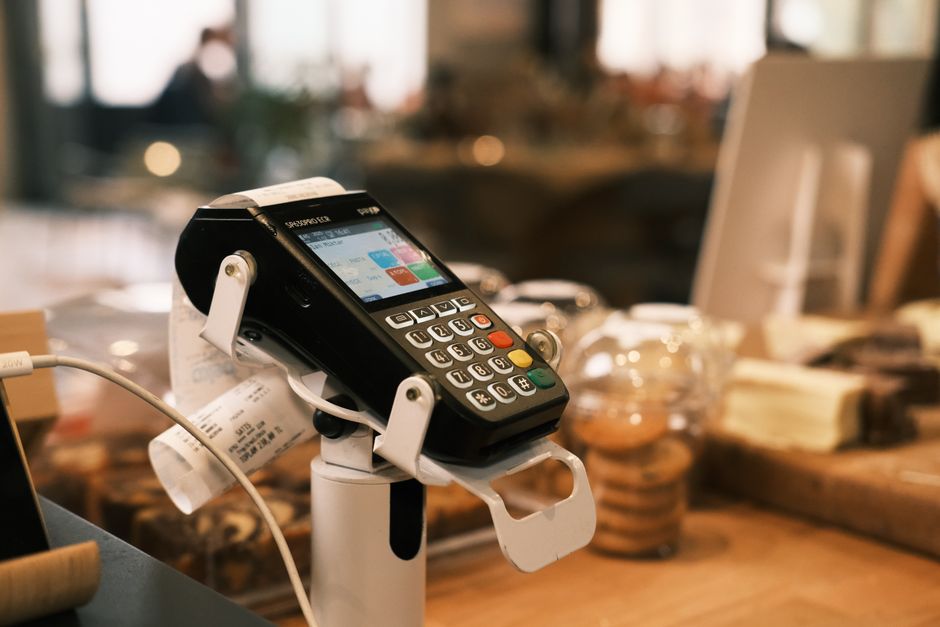
Want a successful loyalty program? Make it dead simple for customers to join and use their rewards. Modern retail POS systems let customers sign up super fast at checkout, usually just needing an email or phone number. And redeeming those rewards? That should be just as easy. Either it’s automatic, or it takes barely any input from the customer or cashier.
This smooth process means more people join, and they’re happier. But long lines or tricky ways to use rewards? Those kill customer interest fast, and totally ruin the whole loyalty effort. Checkout efficiency? It’s everything.
How Do Built-In Loyalty Engines Benefit Retailers?
Beyond just making customers happy, retailers see some serious, measurable benefits. Stick a loyalty engine into your POS system, and it directly hits your key business numbers, boosting growth and profits. And yeah, these systems deliver a clear ROI.
Driving Repeat Purchases and Increased Lifetime Value
A strong loyalty program’s main job? Getting people to buy again and again. Loyal customers shop more often. And they usually spend more each time. Reward those behaviors, and retailers can really push up customer lifetime value (CLV).
Studies always show it: keeping existing customers costs less than finding new ones. A built-in loyalty engine gives you the tools to care for those relationships, turning casual buyers into real brand fans who bring in steady cash over time. That kind of sustainable growth? It’s absolutely vital for long-term success.

Enhancing Customer Data Collection and Insights
An integrated loyalty engine is a goldmine. For customer data, that is. Link a transaction to a loyalty ID, and you build a full profile: buying habits, product likes, how engaged they are. This isn’t just basic sales numbers. It’s deep insight into what makes each customer tick.
Retailers can use these insights to fine-tune products, get inventory just right, and launch super-targeted marketing campaigns. Figure out who your best customers are, and what makes them buy? That lets you plan your business way more strategically. That intelligence? It’s invaluable if you want to stay ahead of the competition in 2026.
Streamlining Operations and Reducing Friction
Running loyalty programs manually, or with separate systems? That just adds complexity and opens the door for errors. But a built-in loyalty engine streamlines everything. It automates reward math, redemption, and customer data updates. That means less work for your staff, and quicker checkouts.
Plus, unified data means less time spent reconciling things. You get a much clearer picture of how the program’s doing. This efficiency frees up resources. You can put them toward other critical parts of the business, boosting overall productivity and customer service. Ultimately, this integration helps modern retail POS systems run as smoothly as they can.
What are the Challenges of Implementing Loyalty Programs Without Integrated POS?
Try running a loyalty program separately from your POS? You’ll hit a bunch of challenges that can totally wipe out any good it was supposed to do. These problems usually mean frustrated customers, bad data, and big operational headaches.
Data Silos and Inconsistent Customer Experiences
Loyalty data in one system, transaction data in another? Yep, you’ll get data silos. Always. That makes it super hard to see the full picture of any customer. Information doesn’t sync in real-time. So, rewards get delayed, or offers come that have nothing to do with what someone just bought.
Customers might see different loyalty points online versus in the store. That just causes confusion and chips away at their trust. An inconsistent experience? That kills the loyalty program’s value and can easily push customers away. But a fragmented approach? It just won’t deliver the smooth, personalized experiences customers will expect in 2026.
Manual Processes and Operational Inefficiencies
Running a separate loyalty program often means a lot of manual data entry, reconciling numbers, and troubleshooting problems. That takes ages for your team. And it’s ripe for human error. Manually calculating points, checking redemptions, or updating profiles? That slows down checkout. It pulls staff away from helping customers.
These inefficiencies mean higher costs. And a less happy experience for everyone involved – customers and staff. Modern retail POS systems are supposed to automate and streamline things. But a separate loyalty program? It just works against that whole idea. So, it becomes a burden. Not a benefit.
What Trends Shape the Future of Retail Loyalty?
Retail tech keeps moving fast. And loyalty programs? They’re leading the charge on innovation. Future trends will only cement this: you’ll absolutely need deeply integrated, smart loyalty engines inside your POS.
AI-Powered Personalization in 2027 and Beyond
AI is going to totally shake up loyalty programs. It’ll bring hyper-personalization on a scale we’ve never seen. AI algorithms, loaded with all that rich POS data, will predict what customers need, suggest the right products, and deliver dynamic offers instantly. This kind of predictive power will shift loyalty from just reacting with rewards to actively engaging customers.
Picture a POS system that, looking at your buying patterns and even outside stuff like the local weather, suggests a personalized deal for something you’ll probably need. That smarts, especially starting in 2027, will set the best retailers apart. And it’s only possible with a rock-solid, integrated data foundation, the kind advanced modern retail POS systems provide.
Gamification and Experiential Rewards
Expect future loyalty programs to lean heavily into gamification. Earning and redeeming points? It’ll feel more like a fun game. Challenges, badges, leaderboards, surprise rewards – you get the idea. These things hit on psychological triggers, making the whole loyalty journey way more interactive and enjoyable.
Beyond just discounts, expect to see more experiential rewards: exclusive event access, personalized shopping trips, early product drops. These unique perks build deeper emotional ties with the brand. An integrated POS system will be key for tracking progress, handling those unique rewards, and keeping the customer experience smooth and exciting.

Frequently Asked Questions
What is a customer loyalty engine in the context of a POS system?
A customer loyalty engine is a piece of software built right into a point-of-sale system. It handles your loyalty programs, tracks points or rewards for customers, and makes personalized offers and redemptions happen at checkout.
How does an integrated loyalty engine improve the customer experience?
It makes the customer experience better by offering super-easy enrollment, instant rewards, quick redemptions, and personalized offers using real-time purchase data. So, every interaction feels efficient and valued.
Can any retail business benefit from a POS system with a built-in loyalty engine?
Absolutely. Any business, big or small – from a tiny boutique to a massive chain – can get huge benefits from an integrated loyalty engine. It drives repeat sales, boosts your customer data, and smooths out operations, no matter your size.
What data does an integrated loyalty engine typically collect?
It gathers all sorts of transaction data: purchase history, how often someone buys, their average spend, favorite products, even demographics. Everything’s tied to a unique loyalty ID for a full customer profile.
Is it difficult to implement a loyalty program through a modern POS system?
Not usually, with modern retail POS systems. The functionality is built right in, so it’s generally pretty straightforward. That cuts down on the hassle compared to trying to integrate separate, third-party loyalty platforms.
What are the future prospects for loyalty programs in retail?
We’re looking at advanced AI-powered personalization, way more gamification, and a big move towards experiential rewards. All that will lean heavily on the strong data and capabilities of integrated POS systems.