
Quick answer: Dynamic surge pricing engines, integrated within entertainment Point of Sale (POS) systems, optimize ticket revenue by automatically adjusting prices in real-time based on demand, inventory, and various market factors. These sophisticated systems ensure that ticket prices accurately reflect current market value, maximizing profitability for venues and event organizers while managing capacity efficiently.
Key Takeaways
- Dynamic surge pricing engines leverage real-time data to adjust ticket prices instantly for entertainment events.
- Integration with POS systems allows for seamless price updates, inventory management, and transaction processing.
- Venues can significantly increase revenue by capturing maximum value during peak demand and stimulating sales during off-peak times.
- Factors like historical sales, current demand, competitor pricing, and external events influence pricing algorithms.
- Careful implementation, including transparent communication, is crucial to maintain positive customer perception and trust.
- The future of dynamic pricing will be shaped by advanced AI, hyper-personalization, and evolving regulatory landscapes in 2026 and beyond.
What Are Dynamic Surge Pricing Engines, and How Do They Work?
Dynamic surge pricing engines have completely changed how entertainment venues handle ticket sales. These systems automatically change ticket prices for events, reacting to lots of different factors. It’s way beyond simple fixed prices. And this automation means every ticket gets sold at the best possible price, right when it’s sold, even now in 2026.
What is dynamic pricing, really? It’s just flexible pricing. You set prices based on what the market wants right now. For places like concert halls or stadiums, this means ticket prices can shift by the minute. They reflect demand instantly. It’s a big move away from static, fixed prices, letting venues react fast to market changes.
So, how do these engines work? They’re built on tricky algorithms and serious data analysis. They constantly pull in tons of data: old sales records, how fast tickets are selling now, how many seats are left, and even outside market hints. All this gets crunched to guess demand and then automatically suggest – or make – price changes.
It all starts with a base price and some rules you set up in the system. As tickets sell, or say, if suddenly loads of people search for an event online, the algorithm takes another look. If demand blows past supply, prices jump. That’s the “surge” part. But if sales are dragging, prices might drop to get people buying. That fills seats and brings in money.
Why Dynamic Surge Pricing Engines Are Essential for Entertainment Venues
Look, for entertainment venues, putting dynamic surge pricing engines in place isn’t just about making more money. It’s about staying alive and growing in a really tough market. These smart tools offer financial perks that old-school fixed pricing just can’t touch. When venues adjust prices intelligently, they grab more value from popular events.
A big win here? Maxing out revenue. Think about a concert everyone wants to see, or a big sports game. Early tickets might fly off the shelves. That tells you demand is high. So, a dynamic pricing engine slowly bumps up prices for later tickets. This ensures the venue gets top dollar for every seat during peak demand. It stops them from missing out on money when things are hot.
But these engines aren’t just for surges. They’re great at handling demand shifts for all sorts of events, all the time. Got a Wednesday show that’s not selling well at first? Prices can drop to get people in, filling seats that would’ve been empty. This flexibility spreads attendance out better. It helps venues run closer to full capacity all through their event calendar.
And don’t forget optimizing seats. Every empty seat at a live event is money gone. Dynamic pricing helps cut that loss with real-time tweaks. Doesn’t matter if it’s a play, a festival, or a game; selling as many tickets as possible for the best price is key for making money and staying in business way past 2026.

What Data Points Drive Dynamic Ticket Prices?
Good dynamic ticket pricing needs a steady stream of all sorts of useful data. The more complete and accurate that data is, the smarter and more profitable the pricing decisions get. This information helps the engine make those real-time adjustments.
Old sales data is a huge starting point. We’re talking about how similar events did before, what sells best on certain days of the week, seasonal highs and lows, and how popular a specific artist or team usually is. Looking at all this helps set up initial pricing and guess basic demand.
But real-time demand and how fast tickets are selling? Those probably matter most right now. Are tickets flying out? How many folks are looking at the event page right now? Any sudden jumps in online searches? These live signals tell us what people want immediately, and they often kick off price changes. Slow sales? Price might go down. A sudden rush of interest? Prices could go up.
Competitor prices also make a big difference, especially where lots of venues offer similar entertainment. The engine can watch what other places charge for similar events. This keeps the venue competitive while still making the most money. Too high and people leave; too low and you lose out.
Things like an artist’s fame, how important a sports match is, or how well-received a play was — these event specifics get thrown into the mix. Even the day of the week, time, and where the seats are influence prices. Premium seats usually cost more, naturally. But even those prices can change based on how much people want tickets for the whole event.
Last but not least, outside factors. Local weather forecasts, big holidays, other events happening nearby—they all hit demand. A sunny day? Great for an outdoor festival. Heavy rain? Not so much. And a huge local sports final the same night might pull people away from a concert. All these bits get factored in to really dial in the pricing.
How Do POS Systems Work with Dynamic Pricing?
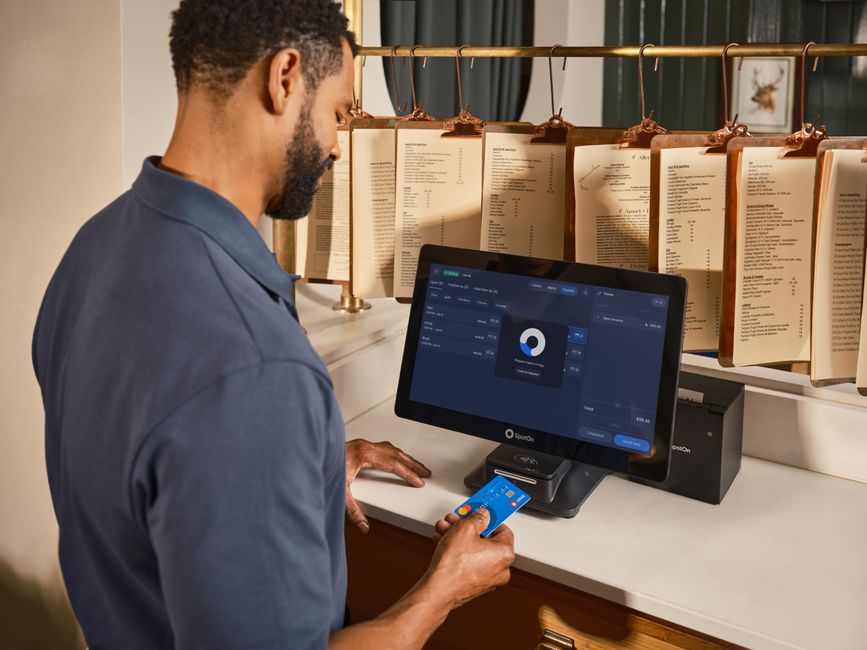
It’s absolutely key that dynamic pricing engines work smoothly with Point of Sale (POS) systems in entertainment venues. This partnership makes sure price changes show up instantly everywhere customers buy tickets — online, on apps, at the box office. Your POS is basically the brain for all transactions, so this link-up is vital.
At its simplest, integration means transactions just flow. If a dynamic pricing engine tweaks a ticket price, that new price immediately goes to the POS. So, a customer buying online, on their phone, or even from someone at the counter always sees and pays the latest, best price. No more mix-ups, just accuracy.
Good inventory management is another big part of this integration. Sell a ticket through the POS? The inventory count updates everywhere instantly. This real-time info goes straight back to the dynamic pricing engine, giving it exact numbers for what’s left. And that’s critical. Inventory levels often trigger price changes – less supply usually means higher prices.
Plus, POS systems already give you detailed sales reports and analytics. But hook them up with dynamic pricing, and those reports get even smarter. Venues can really dig into how different price changes affected how many tickets sold, how much each ticket brought in, and overall profit. This feedback loop is essential for making pricing strategies better and boosting event revenue far into 2026.
And it’s not just tech stuff. Integration affects customers too. A system that works well together gives customers a smooth, consistent buying experience. They won’t hit old prices or availability problems, which means they’re happier and less likely to ditch their purchase. Staff love it too. They get easy-to-use screens showing current prices, no manual fuss needed.
What are the Benefits of a POS System with Integrated Dynamic Pricing?
When you bring a POS system and dynamic pricing together, you get tons of perks. It seriously cranks up how efficiently you run things and makes buying tickets better for customers. This combo tidies up workflows and gives venues a real edge with smarter, data-backed decisions.
Better operational efficiency is a huge plus. Doing price changes by hand? That takes ages and invites mistakes. But with integrated systems, prices change automatically. This frees up your staff to help customers and do other important work. Plus, automation keeps pricing consistent everywhere you sell tickets.
Customers get a better experience, partly from transparency and fair pricing. Sure, “surge” pricing can sometimes get a bad rap. But if you do it right, it actually makes things fairer. Early birds often snag the best deals, and people who wait pay more. A lot of folks see that as how markets should work. It also means tickets are still available for super popular events, even if they cost more at the last minute.
Getting real-time insights into how things are performing? That’s priceless. The data from your POS and dynamic pricing engine gives you a complete picture of sales, demand, and how much money you’re making. This lets venue managers make quick, smart calls about marketing, staffing, and planning future events. It really helps fine-tune everything they do.
Key Considerations for Implementing Dynamic Surge Pricing Engines
Sure, dynamic surge pricing engines offer obvious benefits. But you’ve gotta think through some critical things to make them work well. It’s super important to balance making money with keeping customers happy, especially when you’re rolling out flexible pricing.
Ethical questions and how customers see things? Those are top of mind. Dynamic pricing, especially that “surge” part, can sometimes rub people the wrong way if they feel ripped off. Venues need to handle this with care. Prices have to feel fair and make sense, not like you’re taking advantage. Being clear about it builds and keeps trust.
So, openness and good communication are vital. Venues should explain exactly how their pricing works, making it clear that prices can shift with demand. If customers understand why dynamic pricing exists – that it offers flexibility and helps manage popular events, instead of just feeling like price gouging – they’ll get it. And offering different price levels or early-bird deals can also make those higher last-minute prices easier to swallow.
Then there’s the tech side. It’s a big deal. To use dynamic pricing engines, you need strong, scalable POS systems. They’ve got to handle data in real-time and push out quick price updates. That means solid internet, secure data storage, and the ability to link up with all your sales channels – online, mobile, box office. Older systems might need big upgrades or even replacing to truly handle these advanced features.
And finally, getting your staff on board and trained is a must for a smooth switch. The people who deal with customers directly need to get how the dynamic pricing system works, why you’re using it, and how to explain its good points (or handle worries) well. Their confidence and understanding really make a difference in how customers feel. Good training makes sure everyone can manage the new pricing system.

How Can Venues Mitigate Negative Customer Reactions?
Look, you’ve gotta head off negative customer reactions to dynamic pricing. It’s absolutely vital for keeping customers happy and loyal in the long run. Luckily, venues have a few ways to make sure pricing feels fair.
First off, clear policy communication is key. Tell customers upfront: “Prices change with demand.” That sets expectations. You can do this on your website’s FAQ, in your ticket terms, or even with signs at the box office. When you explain the reason for the pricing, people tend to understand it better.
Give people options with tiered pricing strategies. Instead of one price that bounces around, venues could offer different price levels, each with its own perks. Think early bird discounts, fancy premium packages, or last-minute deals. This lets customers pick a price that fits their wallet and how urgently they need a ticket. It gives them some control.
And loyalty programs? They’re a great way to reward your regulars. Give them discount codes, early ticket access, or special bundles. These can help balance out any downsides people feel about surge pricing. These programs show you value them, building goodwill and making sure your loyal fans still feel appreciated, even if general admission prices are shifting.
What Future Trends Will Impact Dynamic Pricing in Entertainment?
Dynamic pricing in entertainment keeps changing, and some big trends are going to really shape its future from 2026 onwards. These new developments will make pricing even smarter and more reactive.
AI and machine learning are going to totally change dynamic pricing engines. These technologies will allow for super detailed demand predictions. We’re talking about subtle hints from social media, news, even what individual users browse online. AI won’t just follow rules anymore; it’ll predict market shifts before they even happen.
Personalized pricing is another big one. Imagine instead of one shifting price for everyone, AI systems could offer different prices to different customers. It might depend on their past buying habits, how loyal they are, or even what the system thinks they’re willing to pay. Yeah, that brings up ethical questions. But the tech to do it is getting better, promising highly tailored deals.
Subscription models and bundled experiences are also going to play into dynamic pricing. Venues might sell season passes or flexible packages, but specific events within those could still have dynamically priced extras or premium seats. Tying these models together will need complex algorithms to balance what subscribers get with what each event brings in.
Lastly, expect more government scrutiny on dynamic pricing. As these systems pop up more and get smarter, governments and consumer watchdogs might bring in rules. They’ll want to ensure fairness, transparency, and stop predatory pricing. Venues will need to keep up with these changes and adjust their strategies.

Frequently Asked Questions
What is dynamic pricing in entertainment?
Dynamic pricing in entertainment refers to the strategy of adjusting ticket prices in real-time based on fluctuating demand, inventory, and other market factors. It aims to maximize revenue by selling tickets at their optimal market value at any given moment.
How do dynamic surge pricing engines help venues?
Dynamic surge pricing engines help venues by maximizing revenue, optimizing seat utilization, and responding to market demand fluctuations more effectively. They automate price adjustments, ensuring tickets are sold at the best possible price.
Are dynamic surge pricing engines fair to customers?
While perceptions vary, dynamic surge pricing engines can be fair by allowing early buyers to secure lower prices and ensuring availability for high-demand events. Transparency and clear communication from venues are crucial for positive customer perception.
What data is used for dynamic pricing?
Dynamic pricing uses historical sales data, real-time demand and sales velocity, competitor pricing, event-specific characteristics, and external factors like weather or holidays to inform price adjustments.
What are the challenges of implementing dynamic pricing?
Challenges include potential negative customer perception, the need for robust technological infrastructure, ensuring transparency in pricing, and requiring comprehensive staff training to manage customer inquiries effectively.