

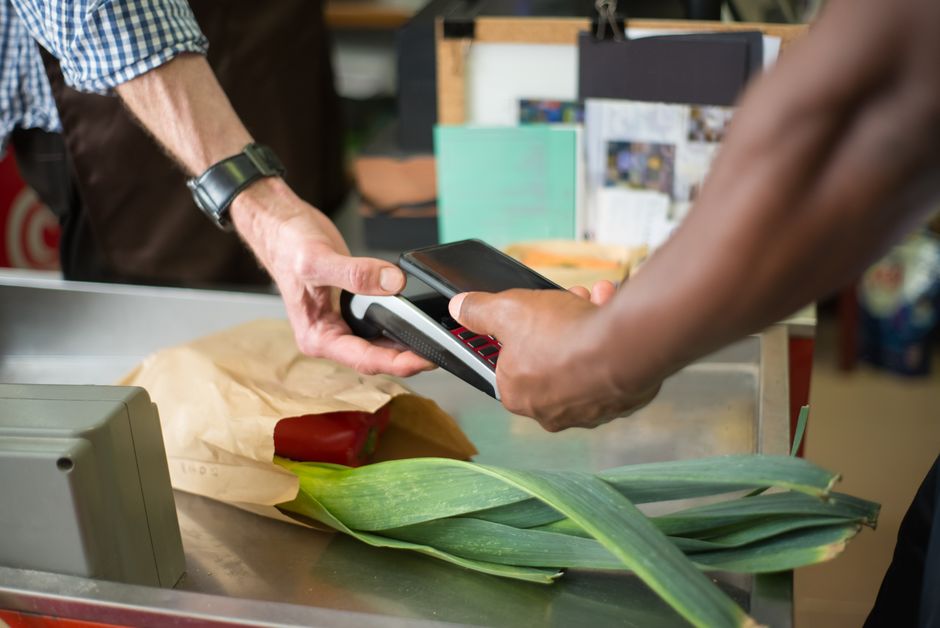
Quick answer: Want to really boost your profit margins? Then you’ve gotta get how dynamic pricing engines in POS systems work. These smart systems automatically tweak product prices, right now, based on tons of stuff: demand, how much stock you’ve got, what competitors are doing, and even who the customer is. And that means more money coming in and better sales all around.
Key Takeaways
- Dynamic pricing engines utilize real-time data to automate price adjustments, moving beyond static pricing models.
- They integrate seamlessly with modern Point of Sale (POS) systems, enabling immediate price updates across all channels.
- These engines optimize revenue by matching prices to current market conditions, demand fluctuations, and inventory availability.
- Businesses benefit from improved profit margins, enhanced competitive positioning, and personalized customer experiences.
- Successful implementation requires careful consideration of data integration, ethical implications, and staff training.
What exactly are dynamic pricing engines in POS systems?
Dynamic pricing engines are smart software that automatically changes prices for your stuff. They use clever math and live data to figure out the best price, reacting right away when the market shifts. And when you hook them up to your modern Point of Sale (POS) system, businesses can run their pricing strategies super fast and accurately.
Think of your POS system as the brain for sales, stock, and customer info within your store or service setup. By putting dynamic pricing right into it, you make sure all your sales channels – whether it’s your brick-and-mortar store, your website, or mobile app – always show the absolute best, most up-to-date prices. Instantaneously, too.
How do they differ from static pricing?
Static pricing? That’s just slapping a fixed price on something and keeping it there, no matter what’s happening outside. It’s easy, sure, but you often leave money on the table. You miss chances to make more or avoid losses. Dynamic pricing? That’s completely different. It’s truly fluid, always ready to react.
Prices can change every hour, every day, or even for each individual sale. Think about it: the system looks at everything – supply and demand, what your rivals are doing, even who’s buying – to make its call. This flexibility helps businesses pull in the most profit, plain and simple. You can sell things for the highest price the market will allow right then, or smartly drop prices to get people buying and clear out extra stock fast before it becomes a real burden.
What components make up a dynamic pricing engine?
So, what actually makes up one of these dynamic pricing engines? Well, it’s a few key pieces working together. Right at the heart is a powerful brain, often packed with artificial intelligence (AI) and machine learning (ML). This brain crunches huge amounts of data to spot pricing chances and potential problems.
What kind of data? Think past sales figures, how much stock you have right now, what your competitors charge, website visitor trends, local events, even the weather forecast, and info from your customer loyalty programs. You set the rules, of course – they guide the AI, giving you control even while it makes tiny price tweaks automatically. And finally, there are the connectors. These link the engine to your POS system, your online store, and other business software (like ERP tools), making sure price changes happen smoothly everywhere.

How do dynamic pricing engines in POS systems boost profit margins?
Okay, so the big reason for using dynamic pricing engines in POS systems? It’s all about making more money. And they do this in a few really smart ways. By tweaking prices intelligently, businesses can bring in more cash per sale, cut down on losses from stuff that doesn’t sell, and just use their resources better.
These aren’t just for putting things on sale. Instead, they’re constantly fine-tuning. They look at so many different things to find that sweet spot where you sell plenty and hit your profit goals. That kind of exact pricing control? It’s not just a tweak; it makes a truly huge difference for your profit margins, helping you hit those financial goals with precision.
Optimizing real-time inventory and demand?
Dynamic pricing engines are brilliant at matching prices with your current stock levels and how much people actually want something. Say a product is flying off the shelves, but you’ve only got a little bit left. The engine can automatically bump up the price, letting you grab that premium value. But if you’re drowning in stock and nobody’s buying? Prices can drop strategically, getting those sales moving and stopping stuff from just sitting there getting old.
This kind of live adjustment keeps your storage costs low. And it means you won’t have to slash prices later, losing big chunks of profit. Think about fresh produce stores in 2026, for example – they could use this to clear out perishable items just before they spoil.
Enhancing customer segmentation and personalization?
These modern dynamic pricing engines can actually group customers. They look at things like what you’ve bought before, how loyal you are, what you’ve browsed online, and even how much you seem willing to pay. This opens the door to personalized pricing. So, different people might see different prices for the exact same thing.
Imagine a loyal customer getting a little discount – that just makes them feel even better about sticking around. But a brand-new shopper? They might see a slightly higher price if their online activity suggests they’re not so fussed about cost. This kind of personalization not only gets more people to buy and makes customers happier, but it also squeezes the most profit out of every single sale.
Adapting to competitor pricing strategies?
Look, you’ve got to stay competitive. And dynamic pricing engines constantly watch what your rivals are charging, everywhere they sell. If a competitor drops their price on something similar, your engine can instantly tweak yours to stay in the game. That stops you from losing sales.
On the flip side, if a competitor ups their price? The system can spot that chance for you to raise yours too, without giving up market share. That’s pure margin boost right there. This forward-thinking strategy means businesses never get left behind or miss a beat in a busy marketplace.
Reducing waste and markdowns?
Traditional retail usually ends up just slashing prices across the board to get rid of seasonal or extra stock. But that really eats into profits. Dynamic pricing helps cut that out. It predicts the best pricing moves throughout a product’s entire life.
So, it might slowly lower prices as demand fades. Or, it could even strategically raise them for things that are super popular. The idea is to avoid those huge, last-minute sales. This smart approach to managing products drastically cuts down on wasted perishable goods. And it means fewer desperate markdowns for other items too. All of it adds up to better overall profitability.
What are the core benefits for businesses in 2026 and beyond?
Sure, dynamic pricing can give your profits an instant lift. But when you really get it set up right, it brings a whole lot more long-term perks. Businesses that use these smart systems are building themselves up for steady growth and staying tough in a market that’s always shifting. We’re talking benefits that touch everything: how efficiently you run, your relationships with customers, and how quickly you can pivot.
Increased Revenue and Profitability
The clearest win? You’ll just make way more money. Period. By setting the absolute best price for every single sale, businesses can cash in when demand is high and avoid losing out when it’s low. This super accurate pricing means every item sells for as much as it possibly can. And over time, that adds up to serious financial muscle.
Improved Customer Satisfaction
You might think dynamic pricing is just about boosting profits, but it can actually make customers happier too. When you get personalized offers, like loyalty discounts or a special sale on something you’ve been eyeing, that makes shopping feel a lot more personal and interesting. Plus, if your everyday stuff is priced fairly, people will trust you more and keep coming back. Customers really like feeling valued and getting offers that actually matter to them.
Enhanced Competitive Edge
Businesses using dynamic pricing engines get a huge leg up on the competition. They can react to market shifts and what rivals are doing way faster than anyone still pricing things by hand. This flexibility lets them grab opportunities, protect their slice of the market, and decide if they want to lead on price or value in their industry.
No more playing catch-up. Being proactive, not just reacting, that’s what’ll win in 2026’s super-competitive landscape.
Data-Driven Decision Making
Dynamic pricing systems churn out a ton of info about what pricing works, how customers react, and what’s trending. This super detailed look lets businesses make smarter strategic choices, not just about prices, but everything else too.
Knowing how different prices hit sales numbers, affect customer groups, and move your stock gives you priceless insight. That helps with everything from developing new products to planning marketing campaigns and managing inventory. Moving towards a strategy based on solid data? That’s just smart business for the future.
What challenges might businesses face implementing dynamic pricing?
Sure, dynamic pricing brings huge benefits. But getting it up and running isn’t always smooth sailing. Businesses really need to think through these challenges to make sure their setup is both successful and fair. Tackling these issues head-on? That’s crucial if you want to get everything you can out of a dynamic pricing strategy.
Data integration complexities
Connecting a dynamic pricing engine to your current POS systems, ERPs, CRM platforms, and online stores? That can get tricky. All that data needs to zip between every system flawlessly and precisely for the engine to work right. Old systems, different ways data’s formatted, and messy data itself can all create big headaches during integration. You’ll often need a deep dive into your IT setup and a step-by-step rollout plan to make it happen.
Ethical considerations and customer perception
Dynamic pricing can sometimes make customers wary, especially if you’re not upfront and fair about it. Imagine someone finding out another person paid less for the exact same item – that really hurts trust and loyalty. So, businesses need clear pricing rules and have to think hard about whether their pricing looks discriminatory. Being open about why prices might shift, like for seasonal demand or limited stock, really helps manage what customers expect.
Staff training and system adoption
Whenever you roll out new tech, you’ve got to train your team properly and make sure they actually use it. Everyone, from the folks on the sales floor to the managers, needs to get how the dynamic pricing system works, what its reports mean, and how to talk about price changes with customers. If people resist the change or just don’t get it, the system won’t work as well as it should. So, thorough training and clear internal chatter are absolutely key for an easy switch.

How can businesses select the right dynamic pricing engine?
Picking the best dynamic pricing engine? That’s a huge strategic call, one that can really make or break your business. You’ve got to do your homework, weighing each option against your exact needs, what tech you already have, and where you want to be down the road. A thoughtful selection process makes sure the tech you choose slots right into your day-to-day operations.
Evaluate integration capabilities
Here’s the big one: how well does the dynamic pricing engine connect with your current POS and other business software? A truly smooth hook-up means fewer headaches, accurate data, and prices that update everywhere you sell, right when they need to. Look for vendors who’ve got a solid history of integrating with systems like yours. And don’t forget to ask about their APIs and how they swap data.
Consider scalability and AI features
Your business isn’t going to stand still, right? So your pricing needs won’t either. Pick an engine that can grow with you, handling more data and bigger product lists. Plus, take a good look at how smart its AI and machine learning features really are. Can it predict things well? Can it juggle tricky pricing rules and situations? The best solutions will come with powerful AI that’s ready to handle whatever the market throws your way.
Prioritize vendor support and analytics
Top-notch vendor support is a must for fixing issues, keeping things optimized, and getting trained. Ask about their service agreements, how you can get help, and what training materials they offer. And don’t just stop there – check out the engine’s analytics and reporting tools. You need clear dashboards and insights you can actually do something with. That’s how you keep tabs on performance, spot trends, and always make your pricing strategy better. Knowing ‘why’ a price moved is just as big a deal as the move itself.
Frequently Asked Questions
What types of businesses benefit most from dynamic pricing engines?
Businesses with prices that constantly jump around, perishable stock, fierce competition, or a wide variety of products – like online stores, airlines, hotels, event spots, and grocers selling fresh produce – they really get the most out of dynamic pricing.
Is dynamic pricing only for large enterprises?
Not at all! Historically, yes, it was mostly big companies. But now, thanks to cloud-based and modular options, dynamic pricing is getting much more affordable and available for small and medium-sized businesses (SMBs) too.
How quickly can a business see results after implementing a dynamic pricing engine?
Many businesses say they start seeing good bumps in revenue and profit margins within just a few weeks to a few months of getting everything fully set up. And it just keeps getting better as the AI models learn and fine-tune over time.
Can dynamic pricing harm customer loyalty?
It definitely can if you’re not transparent or fair about it. But when you use it smartly, with personalized touches, loyalty programs, and honest communication, dynamic pricing can actually make customers happier and build stronger bonds with them.
What is the typical cost of a dynamic pricing engine integration?
Costs are all over the map. It totally depends on how complex the solution is, how many things you need to connect it to, and who the vendor is. You might pay a few hundred bucks a month for basic cloud services, or tens of thousands for big, custom enterprise setups, often with an upfront setup fee.