

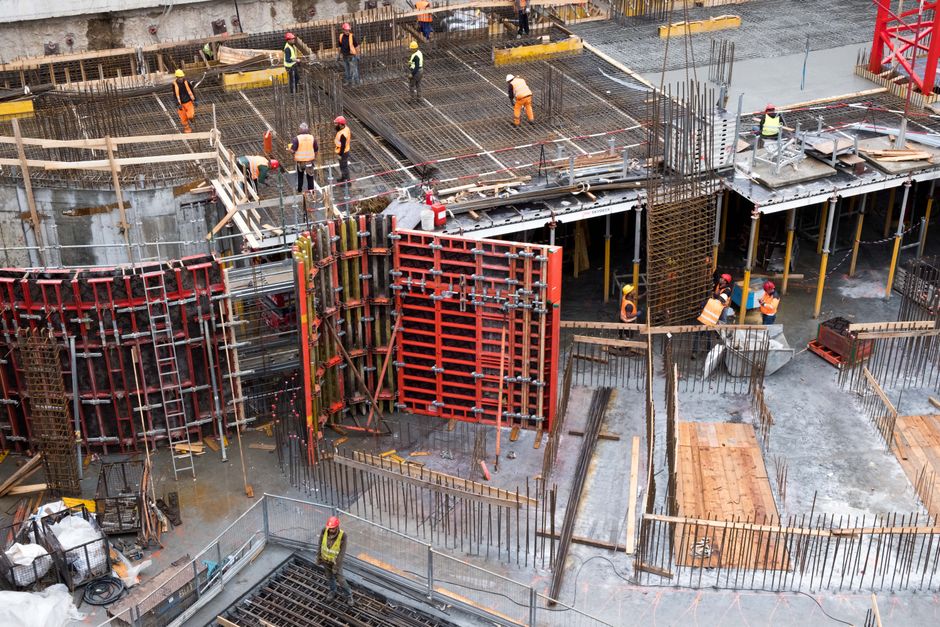
Quick answer: Getting centralized safety software installed really boosts worker protection on construction sites. It tidies up hazard spotting, incident reporting, and makes sure safety rules are actually followed. This all-in-one approach means consistent safety standards across every job, less paperwork for everyone, and it catches risks early, before they cause trouble.
Key Takeaways
- Centralized safety software pulls all safety data and processes onto one platform.
- You get real-time incident reports and analysis, meaning faster fixes and better prevention.
- Automated checks and clear audit trails make meeting regulations surprisingly easy.
- Better communication helps everyone on site build a proactive safety mindset.
- These systems can even predict risks, so you can deal with them upfront.
- Training management gets efficient, ensuring every worker is certified and ready to go.
Construction sites are tough, high-risk places. And traditional, piecemeal safety methods? They often lead to confusion, slow incident responses, and inconsistent safety rules. That’s where centralized safety software comes in. It’s essential, truly changing how companies handle risk and keep their people safe.
A single system gives you a complete picture of safety performance across all your projects. It moves beyond just reacting to problems. Instead, it lets you plan ahead, minimize dangers, and encourage everyone to be vigilant. By bringing all data and workflows together, safety managers get the insights they need to make smart, quick decisions.
What Challenges Does Construction Safety Still Face?
Construction still struggles with maintaining strong safety standards. A lot of that comes down to old-school, paper-based processes. Fragmented systems mean critical information gets lost or delayed, which makes it harder to deal with immediate hazards. Plus, the sheer amount of rules, permits, and training requirements? It’s a paperwork nightmare.
Inconsistent enforcement across different sites is another big issue. Without a standard way of doing things, safety protocols can vary, often leading to avoidable accidents. These problems really highlight why we need a more integrated, efficient safety management solution, now.
The industry keeps seeing higher incident rates than many other sectors. This reality means we need smarter solutions to protect workers and keep projects running. Adopting advanced tech isn’t just nice to have anymore; it’s absolutely necessary for safety.
How Centralized Safety Software Actually Works
At its heart, centralized safety software ties together all sorts of safety tasks into one easy-to-access platform. This means everything: hazard assessments, incident reports, training records, compliance documents. The software becomes the main place for all your safety-related data.
You can instantly gather and analyze data from various sources, like mobile devices out on site. This real-time information flow lets you see potential problems or non-compliance right away. Automated alerts and custom dashboards keep everyone informed and proactive.
The system usually has different modules for different safety needs, and they all talk to each other. For example, if someone reports an incident, the system can automatically trigger corrective actions, update risk assessments, and even schedule new training for the people involved. This seamless connection means you’re tackling safety from every angle.

Making Incident Reporting and Management Simple
One of the most important things this software does is make incident reporting straightforward. Workers can report hazards, near misses, or actual incidents right from their phones, often adding photos or videos. This is usually way faster and more accurate than filling out paper forms.
Once reported, the system can automatically send the incident to the right person for investigation and follow-up. Dashboards show the live status of all open incidents, so nothing gets forgotten. This quick response capability is vital for lessening the impact of accidents and stopping them from happening again.
And the software really helps with thorough investigations. It lets you dig into the root cause, track what actions were taken to fix things, and document all the key details for audits. This full-picture approach helps organizations learn from every event.
Keeping Up with Regulations, Easily
Construction faces heavy regulation, and keeping compliant can be a headache. Centralized safety software helps automate compliance checks by building regulatory requirements right into your workflows. This makes sure all your safety procedures match up with OSHA, EPA, and other local rules.
The system can flag potential compliance gaps before they turn into violations. It keeps a comprehensive record of all safety activities, from inspections to completed trainings, which makes external audits much smoother. This verifiable record proves you’re serious about safety and doing your due diligence.
When regulations change, you can quickly update the software, and those changes spread across all relevant documents and procedures. This flexibility helps companies adapt to new laws without a massive manual overhaul. It really cuts down on the risk of fines and legal trouble.
What You Gain From Adopting Centralized Safety Software
Bringing in centralized safety software gives you a lot of advantages. It deeply impacts how efficient you are, how safe your workers are, and even your bottom line. These systems aren’t just about meeting compliance; they actually give you a competitive edge in a tough industry.
First off, they hugely improve the safety culture in your company. When safety data is out in the open and easy to get to, everyone feels more accountable and gets more involved. This shared responsibility is what you need for truly safe workplaces.
Beyond safety, these systems save you money. Fewer incidents mean fewer worker’s comp claims, lower insurance rates, and less downtime from accidents. Plus, the efficiency you get from automated processes frees up valuable resources.
Better Communication, Stronger Teamwork
Good communication is the bedrock of any successful safety program. Centralized platforms smash through communication barriers, giving everyone one place for all safety announcements, alerts, and feedback. This means everyone — from the folks on site to senior management — is always on the same page.
Teams can work together on incident investigations, risk assessments, and safety plan development, all within the system. This collaborative setup helps share knowledge and makes sure everyone applies the best practices consistently across projects. It stops the confusion you often get with different communication methods.
And mobile access to the software empowers workers on site. They can report issues instantly, pull up safety data sheets, or review job hazard analyses right from their devices. That immediate access to information improves decision-making and makes everyone more responsive in critical situations.
Smarter Data Analysis, Better Risk Prediction
All that data collected by centralized safety software? It’s a powerful tool for predicting future problems. By looking at past incidents, near misses, and inspection results, the system can spot patterns and highlight areas where risks are higher. This lets you step in proactively, before accidents even happen.
Customizable reports and dashboards give you clear, actionable insights into safety performance trends. Safety managers can pinpoint high-risk tasks, equipment, or locations and put resources where they’ll do the most good. For instance, if certain equipment keeps popping up in near-miss reports, you can plan preventative maintenance or update operating procedures.
This data-driven approach shifts safety management from just putting out fires to strategic risk management. Companies can constantly fine-tune their safety programs based on solid evidence, leading to ongoing improvements in worker protection and efficiency well into 2027 and beyond.
Implementing Centralized Safety Software on Your Construction Site
Getting centralized safety software up and running successfully needs careful planning, and you should do it in stages. It’s not just about installing a program; it’s about bringing in a new way of working that touches every part of safety on your sites. Start by clearly understanding your company’s specific safety challenges.
Picking the right software vendor is crucial. Look for solutions made just for construction, with strong mobile features and easy integration with your existing systems. Think about scalability too, so the software can grow with your company’s needs over the next five years.
Run pilot programs on just one project site. This helps you fine-tune processes and get feedback from users before you roll it out everywhere. That way, you can make adjustments and ensure the system actually meets the day-to-day demands of your operations without messing up critical workflows.

Training and Getting Everyone On Board
Any new software only works if people actually use it. So, you need solid training programs. They’re essential to make sure everyone, from field workers to project managers, knows how to really use the centralized safety software. Training should be practical, hands-on, and custom-made for different roles.
Highlight the benefits for the end-users: simpler reporting, easier access to safety info, and ultimately, a safer place to work. Find some internal champions who can support their colleagues and advocate for the new system; that can really boost adoption rates.
Ongoing support and ways to give feedback are also vital. Regular check-ins, refresher training, and a clear channel for reporting problems or suggesting improvements will keep people engaged and ensure the software keeps getting better with user needs. This consistent effort guarantees long-term success.
Connecting with Your Other Systems
For the best results, your centralized safety software should ideally connect with your other key business systems. That could mean project management software, HR systems, or your enterprise resource planning (ERP) platforms. These connections create a smooth flow of information across your whole organization.
For example, new hires in the HR system could automatically get enrolled in relevant safety training modules within the safety software. Project schedules from your project management system could then inform risk assessments for upcoming tasks. This connectivity stops you from entering the same data twice and makes your data more accurate.
Sure, integration can be tricky. But many modern safety software solutions offer APIs (Application Programming Interfaces) that help them link up with other platforms. Working closely with your IT teams and software vendors will ensure a smooth, effective integration, really unleashing the full power of your safety data.

The Future of Construction Safety with Centralized Software
Centralized safety software keeps pushing the boundaries of what’s possible in construction safety. Looking ahead to 2028 and beyond, we expect even more advanced features. Think advanced AI and machine learning giving us much deeper insights into risk factors.
Integration with IoT devices — things like wearable sensors and smart equipment — will provide real-time environmental data and even worker biometrics. This means managers get alerts about immediate hazards or fatigue. Digital twins of construction sites will let us plan safety virtually and run simulations, spotting potential risks before any actual work even starts.
The main goal stays the same: build a construction environment where accidents are rare and worker well-being is top priority. Centralized safety software isn’t just a tool; it’s a core piece of this safer, more efficient future for the construction industry.
Frequently Asked Questions
What is the primary goal of centralized safety software in construction?
The main goal is to bring all safety management processes and data together onto one platform. This helps manage risks better, ensures you meet regulations, and improves overall worker safety across every construction project.
How does centralized safety software improve incident response times?
It makes response times faster because workers can report incidents immediately using mobile devices. It also sends automatic notifications to the right people and tracks investigations and corrective actions in real time.
Can this software help with regulatory compliance?
Absolutely. The software bakes regulatory requirements into your workflows, automates compliance checks, and keeps full audit trails. This really simplifies meeting standards like OSHA.
Is training required for employees to use centralized safety software?
Yes, definitely. Comprehensive, custom training for all users is critical. It ensures everyone adopts the system properly and uses its features effectively, getting the most safety benefits from it.
What kind of data analytics can be performed with centralized safety software?
The software can analyze trends in incidents, near misses, and inspections. It can pinpoint high-risk areas and offer predictive insights to help you proactively manage and prevent future hazards.
How does centralized safety software benefit smaller construction companies?
Smaller companies get a lot out of it. They gain access to enterprise-level safety management without huge IT costs, streamline processes, reduce risks, and actually get a competitive edge.