

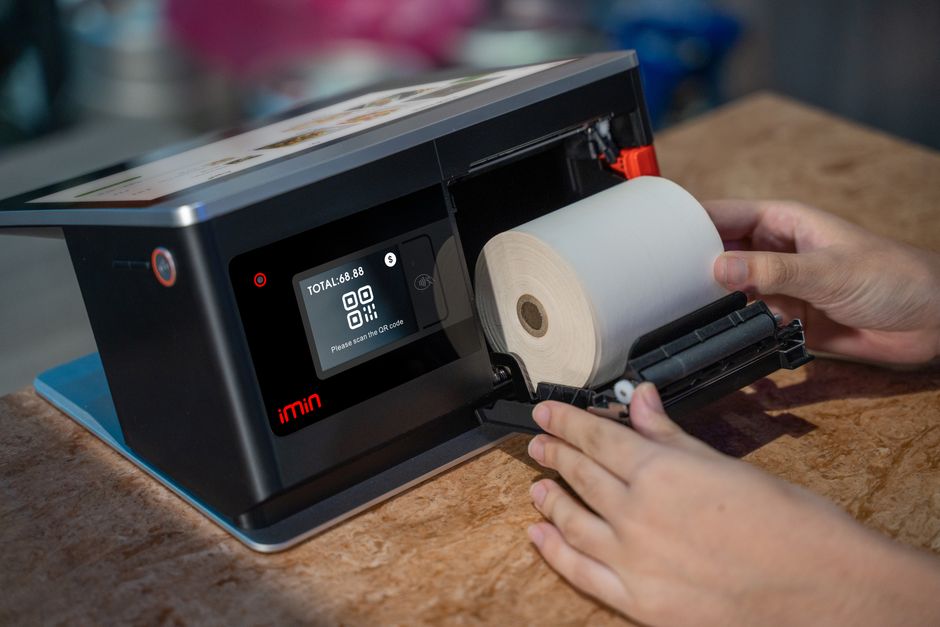
Quick answer: Smart Kiosk POS Systems are revolutionizing fast-casual dining by directly increasing average order value through personalized recommendations, strategic upselling prompts, and an engaging visual menu experience. These systems empower customers to customize orders and discover new offerings effortlessly, leading to larger and more satisfying purchases.
Key Takeaways
- Kiosks can significantly boost what customers spend per visit in fast-casual restaurants.
- Digital menus and smart, AI-driven recommendations are big drivers for upselling and cross-selling.
- Personalization through these systems encourages customers to explore and add more items to their orders.
- Smart menu design and A/B testing on kiosks help optimize product placement, driving impulse buys.
- Beyond just higher order values, kiosks also make operations smoother, make customers happier, and give you tons of useful data.
- Look for even more AI, voice ordering, and loyalty program tie-ins from 2027 onward.
What are Smart Kiosk POS Systems and Why Do They Matter in 2026?
Smart Kiosk POS Systems are self-service terminals. They come loaded with smart software, letting customers browse menus, place orders, and pay all on their own. And they usually link right up with your existing point-of-sale setup, so everything flows smoothly from order to pickup. By 2026, they’ve become incredibly important, mostly because people just expect faster, more convenient, and more customized service when they eat out.
But these aren’t just basic ordering machines anymore. Modern kiosks use artificial intelligence (AI) and data to really understand what customers like. Think of them as a digital host, guiding diners through their meal choices. People want quick, hassle-free service, and with labor costs rising, smart kiosks aren’t just nice-to-haves; they’re essential for restaurants to grow and thrive.
How Do Smart Kiosk POS Systems Boost Average Order Value?
For most restaurant owners, the big draw of Smart Kiosk POS Systems is how they reliably get customers to spend more money per visit. Lots of things contribute to this, really turning the ordering process into a major sales opportunity. When customers can engage directly with the menu, these systems become powerful selling tools.
Do Digital Menus Drive Upselling and Cross-Selling?
You bet they do. Digital menus on kiosks are great at upselling and cross-selling in fast-casual spots. Unlike those old, static paper menus, kiosks offer dynamic, eye-catching interfaces. They can really show off premium items, meal deals, and tempting add-ons. High-quality photos and detailed descriptions make food look incredible, and that encourages people to spend a bit more. Say a customer orders a burger. The kiosk might then visually prompt them to upgrade to a fancy patty or suggest a combo with fries and a drink.
And because there’s no cashier watching, customers don’t feel rushed. They can take their time browsing, checking out options and modifications without any pressure. So, they often end up discovering and adding more to their order than they ever would have with a human taking it down.
How Does Personalization Influence Customer Spending?
Personalization is a huge factor in getting customers to spend more with Smart Kiosk POS Systems. If a customer is part of your loyalty program, the kiosk can remember their past orders and preferences. Then, it offers suggestions tailored just for them. For example, if someone always orders a certain sandwich, the kiosk might pop up with a new side dish or a premium drink that pairs perfectly with it.
AI algorithms crunch a ton of data, serving up relevant upsells and cross-sells at just the right moment during the ordering process. This targeted approach feels less like a sales pitch and more like a genuinely helpful recommendation. People are much more likely to say yes to suggestions that fit their known tastes. And that means bigger tabs.
Can Impulse Purchases Be Increased Through Strategic Placement?
Absolutely, strategic item placement on kiosk screens significantly boosts impulse purchases. Kiosks are fantastic at presenting those last-minute add-ons like desserts, extra sauces, or small snack items right before a customer checks out. This “point-of-sale” prompting works even better digitally; it’s consistent, and those visuals really stand out.
Restaurants can carefully design their kiosk menu flow to guide customers toward high-margin items or popular combos. Maybe after picking a main dish, a prompt for a “premium dessert” or a “limited-time drink special” appears. And with just a tap, it’s added. That low friction easily turns a snap decision into more revenue.
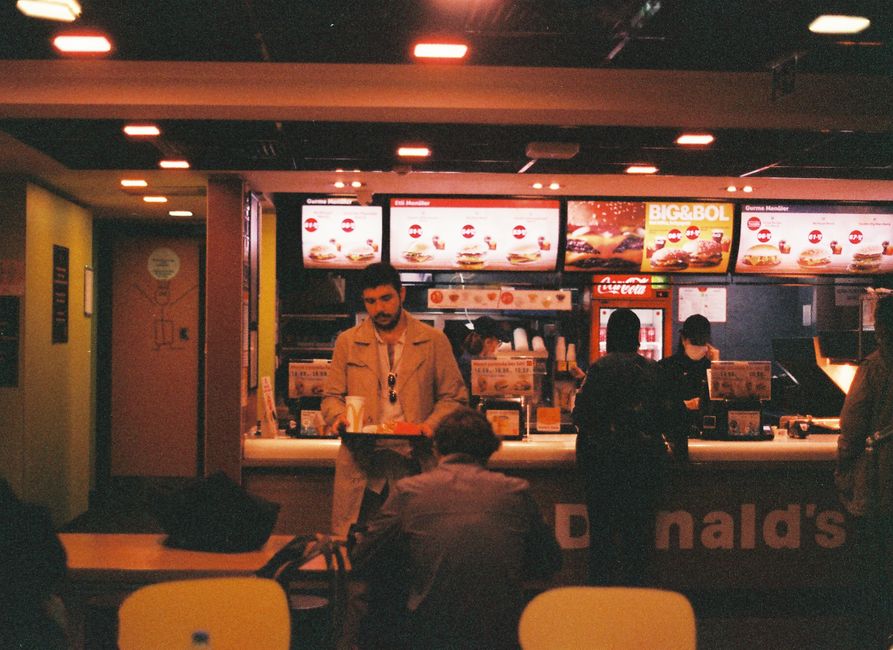
Optimizing Kiosks for Maximum AOV
Just putting in Smart Kiosk POS Systems isn’t enough, though. You only get their full power for increasing average order value with careful optimization. This means a smart plan for design, using your data, and always looking for ways to improve. Boosting AOV takes more than just automation; it needs intelligent implementation.
What Design Principles Maximize Kiosk Effectiveness?
Good kiosk design always puts user-friendliness, visual appeal, and clear calls to action first. Menus should be super easy to navigate, letting customers move through categories and customization options without a second thought. And great food photos are a must — people eat with their eyes, after all.
Clear, short descriptions also help customers understand what they’re getting and why it’s worth it. Crucially, your upsell and cross-sell prompts need to stand out visually, but they also have to fit naturally into the flow. Don’t make them intrusive. A well-designed interface cuts down on decision fatigue and encourages exploration, which leads to bigger orders.
How Can Data Analytics Inform Menu Engineering?
Data analytics gives you incredible insights for fine-tuning your kiosk menus. These systems track every customer interaction: what they looked at, what they added, what they took away. This rich data shows you popular pairings, which upsells really work, and even items that nobody ever seems to notice.
Restaurants can use this info to smartly place high-margin items, build more attractive bundles, and adjust prices. For example, if data shows customers always add guacamole to a certain burrito, the kiosk can proactively suggest it, or even make a combo deal. This data-driven approach means your menu is always evolving to make the most profit.
Why is A/B Testing Crucial for Kiosk Menus?
A/B testing is vital for constantly improving and maximizing AOV on kiosk menus. This is where you show different versions of menu layouts, item placements, or promotions to various groups of customers. For instance, one kiosk might offer a dessert upsell with a “buy one get one half off” deal, while another just shows a simple “add dessert” button.
Then, by comparing the sales data from these different versions, restaurants can see exactly which strategies are best at boosting average order value. A/B testing allows you to endlessly tweak pricing strategies, promotional messages, and how things are visually arranged. It makes sure your kiosk is always performing its best. This scientific approach removes all the guesswork from optimizing your menu.
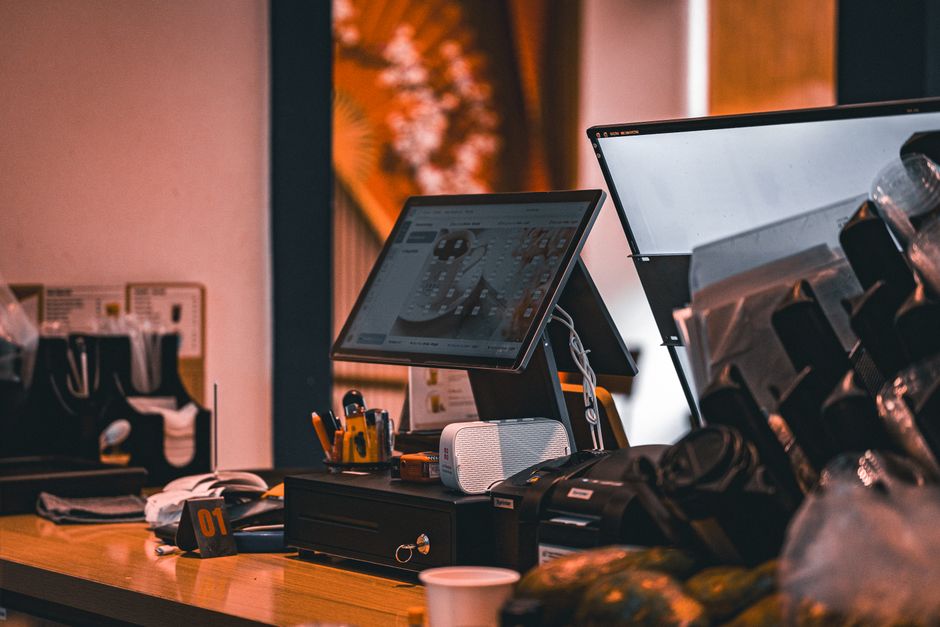
Beyond AOV: More Benefits of Smart Kiosks
While increasing average order value is definitely a big plus, Smart Kiosk POS Systems offer a whole lot of other advantages. They really help with the overall success and efficiency of fast-casual restaurants. These systems are truly versatile tools that smooth out operations and make the customer’s journey better.
How Do Kiosks Improve Operational Efficiency?
Kiosks dramatically boost operational efficiency by taking care of the order-taking process. This means your front-of-house staff aren’t bogged down; they can focus on cooking, getting food out, and helping customers at their tables. And you’ll see fewer order mistakes, since customers are putting in their choices directly.
Service gets faster too, which cuts down on wait times and lets you turn over tables quicker. In 2026, with labor shortages still a challenge, kiosks offer a dependable and consistent workforce. Optimizing staff this way directly impacts your restaurant’s bottom line: lower operating costs and higher throughput.
Do Kiosks Enhance Customer Experience and Satisfaction?
Yes, kiosks definitely make the customer experience better and leave them more satisfied. People really appreciate being in control of their orders. They can customize items just how they like, double-check everything, and pay securely without feeling rushed or misunderstood. And shorter waits plus accurate orders directly lead to a great dining experience.
Kiosks also work for different kinds of customers – like those who prefer less chitchat, or folks who need a bit more time to decide. This flexibility and efficiency often mean higher satisfaction scores and more repeat business. A smoother, more accurate ordering process simply translates to happier patrons.
What Role Do Kiosks Play in Data Collection for Growth?
Smart Kiosk POS Systems are incredible data collection machines, giving you unparalleled insights into what your customers do and what’s selling. Every order, every customization, every time someone interacts with the menu — it all creates valuable data. You can then analyze this information to pinpoint your busiest ordering times, see which menu items are most popular, and figure out which promotions actually work.
But it’s not just about tweaking the menu. This data helps with inventory management, staffing decisions, and even targeted marketing campaigns. Really understanding customer preferences at a detailed level lets restaurants make smart choices for future growth and new menu items. By 2026, data-driven decisions are absolutely crucial if you want to stay competitive.
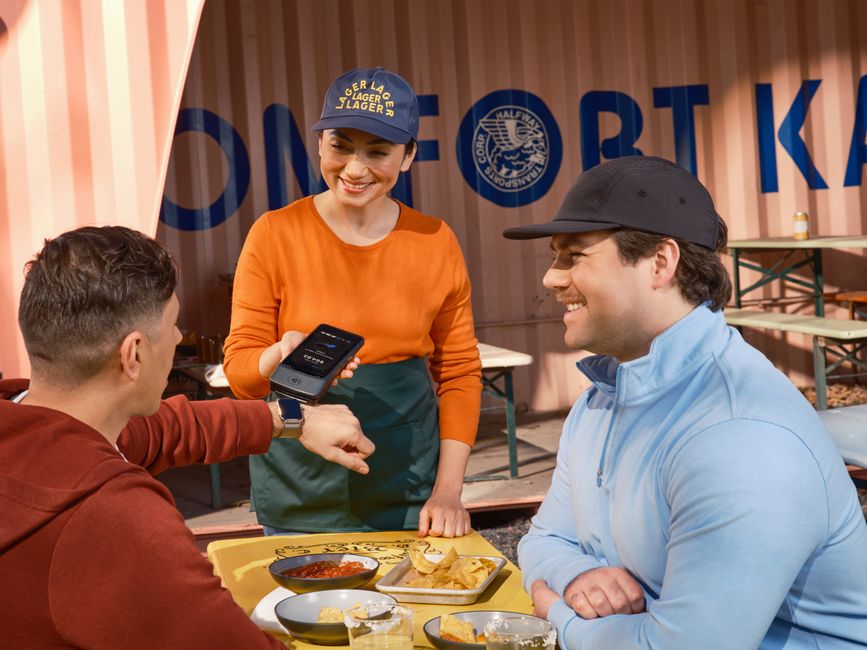
Future Trends: Smart Kiosks in 2027 and Beyond
The story of Smart Kiosk POS Systems is far from over. As we look toward 2027 and beyond, expect even more advanced features. They’ll just keep making the customer experience better and operations smoother. These innovations will further cement the kiosk’s important role in fast-casual dining.
Enhanced AI integration, for example, will lead to personalization that’s even smarter. It’ll be able to guess what customers want based on way more contextual clues, like the time of day, the weather, or even local events. And voice ordering is becoming more common; it’s just another convenient way to interact. You might also see biometric payment options become standard, making checkout even quicker.
Deeper ties with loyalty programs will mean seamless rewards and exclusive deals right there at the kiosk. That’s great for building stronger customer relationships. Plus, kiosks will probably take on a bigger role in handling delivery and pickup orders. They’ll become central hubs for just about every part of order fulfillment. All these advancements promise a dining experience that’s both more intuitive and more integrated.
Frequently Asked Questions
What is the main benefit of Smart Kiosk POS Systems for restaurants?
The biggest benefit is a significant jump in average order value. This comes from really effective upselling, cross-selling, and personalized recommendations.
Are Smart Kiosk POS Systems only for large restaurant chains?
Nope. Smart Kiosk POS Systems are getting much more affordable and helpful for independent fast-casual restaurants too. There are scalable solutions for all sorts of business sizes now.
How do kiosks improve order accuracy?
Kiosks make orders more accurate because customers type in their own orders directly. That cuts down on the miscommunication errors that can happen with a human order-taker.
Can Smart Kiosk POS Systems integrate with existing POS software?
Yes, most modern Smart Kiosk POS Systems are built to connect smoothly with your current point-of-sale (POS) software, ensuring a good operational flow.
What type of customer prefers using a self-service kiosk?
Customers who value speed, convenience, a bit of privacy, and control over their ordering experience usually love using self-service kiosks.
Do kiosks replace human staff in fast-casual restaurants?
Kiosks generally help redeploy staff rather than completely replacing them. They free up employees to focus on things like cooking, customer service, and other more valuable tasks.