
Quick answer: Centralized asset tracking software significantly enhances security by providing real-time visibility and control over commercial equipment. This advanced technology deters theft through continuous monitoring, geofencing alerts, and robust recovery capabilities, ultimately safeguarding valuable assets and reducing financial losses for businesses in 2026 and beyond.
Key Takeaways
- This software offers real-time location monitoring for all your commercial equipment.
- Geofencing creates virtual boundaries, sending instant alerts if something moves without permission.
- Integrated sensors and remote controls boost security, detecting tampering and letting you shut things down.
- Detailed historical data helps police investigations and makes recovering stolen items much easier.
- Put these systems in place, and you’ll see fewer thefts and lower operational costs.
- So, adopting this tech strategically is key for keeping assets safe and operations humming in today’s business world.
Look, keeping your commercial equipment safe from theft is a big deal for any business. That’s where a good asset tracking system comes in handy. It’s a smart piece of tech, giving you one central spot to monitor, manage, and secure all sorts of stuff – heavy machinery, construction tools, you name it. It doesn’t just show you where everything is; it gives you serious control. And that control? It turns into a real deterrent for thieves and a massive help if something does go missing.
What is Centralized Asset Tracking Software and How Does it Work?
So, what exactly is this kind of software? Simply put, it’s a complete system that watches over your physical assets – their location, what they’re doing, and how often they’re used – all from one dashboard. It usually works by attaching GPS, RFID, or IoT sensors to your gear. These sensors then send data wirelessly to a main server. That way, you get a real-time snapshot of your whole inventory, no matter where your equipment happens to be.
At its heart, the system collects data, sends it over, and then shows it to you. GPS trackers pinpoint exact locations. But RFID tags? They’re great for keeping tabs on inventory within smaller areas, like a busy warehouse. And IoT sensors go even further; they can watch things like engine hours, fuel levels, or if something gets hit hard. All these bits of info then flow into the central software, ready for you to check out on your computer or phone.
What Key Components Make Up a Robust Tracking System?
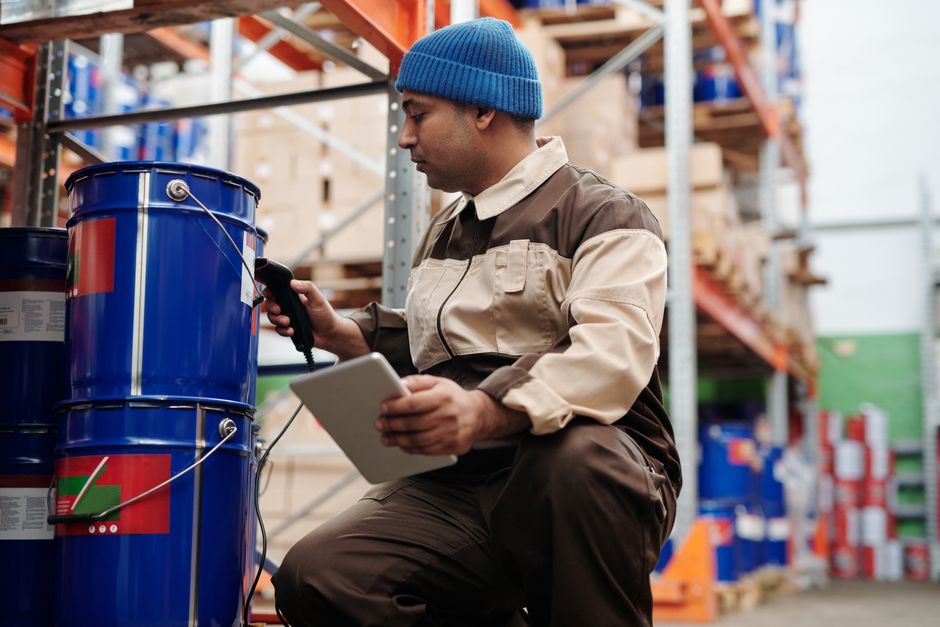
A really solid tracking system brings together a few important pieces to give you top-to-bottom protection. You’ve got your GPS trackers for exact location data. Then there are telematics units; they pull diagnostic and usage info straight from your vehicles and machines. And don’t forget RFID tags and barcodes – they’re super important for managing assets indoors or doing fast inventory checks.
But it’s not just about the hardware. The software platform itself is key. It needs to be easy to use, so you can see your data, run reports, and manage alerts without a headache. It also helps if it can talk to your existing systems, like ERP or fleet management platforms – that really makes it more useful. And, of course, rock-solid cloud infrastructure is a must for keeping your data safe and always available.
How Does Centralized Asset Tracking Software Deter Theft Effectively?
This type of asset tracking system doesn’t just help you recover stolen goods; it actually stops theft before it even happens, making your stuff way less appealing to criminals. Just seeing those tracking devices? That’s often enough to make a would-be thief think twice. Plus, the system sends immediate alerts and keeps an eye on things constantly, which makes trying to steal equipment a very risky business.
Real-time location monitoring might be the biggest anti-theft weapon here. If someone moves an asset without permission, the system pings you right away. That quick detection is super important, because the first few hours after a theft are usually your best shot at getting your stuff back. Companies can get security or the police involved fast, often catching thieves before they can hide or get rid of the stolen items.
Can Geofencing Prevent Unauthorized Movement?
Absolutely! Geofencing is a seriously powerful tool in these tracking systems, actively shutting down unauthorized movement. Here’s how it works: you set up virtual boundaries around places like your job sites, storage yards, or even just a parking area. If a tracked asset crosses one of those invisible lines – coming in or going out – the system automatically sends an alert.
You can set these alerts to hit multiple people – via text, email, or in-app messages. This lets folks act fast, whether they’re just confirming a planned move or escalating a possible theft. Say a piece of construction equipment rolls off a job site after hours. A geofence alert will instantly tell management. They can then react quickly, maybe stopping the theft entirely.
Beyond Deterrence: Advanced Theft Prevention Features
Real-time tracking and geofencing? Those are essential. But today’s asset tracking systems offer even more sophisticated features. They really beef up your ability to prevent theft and get your stuff back. We’re talking about more than just watching; these tools give you proactive control and deep forensic details. They use top-notch tech to make assets not just easy to track, but also much harder to steal.
So, what are these fancy features? Things like remote disabling, sensors that spot odd behavior, and detailed historical data logs. Each one builds on your security, forming a tough, multi-layered defense against smarter thieves. And you can set up these tools to perfectly match your operations and how much risk you’re willing to take, getting the most bang for your protective buck.
Do Remote Shutdown Capabilities Aid in Asset Recovery?
You bet. Remote shutdown is a huge deal; it really helps get stolen assets back. Why? Because it stops thieves from using or moving the equipment any further. Certain advanced tracking systems let authorized folks remotely shut down an engine or specific functions on a machine. That just strands the stolen asset right where it is, making it useless to the thief.
This function is priceless. It keeps thieves from hauling equipment far away or using it themselves, which makes it way easier for the cops to find and retrieve. Basically, it turns what they thought was a successful theft into a total headache for them. That often means they just abandon the equipment, and you get it back quickly. So, yes, remote control adds a big layer of security and confidence to recovery.

How Do Integrated Sensors Enhance Security?
Integrated sensors really pump up your security. They give you way more detail than just location, so you can spot tampering or suspicious activity early. For example, accelerometers can pick up on weird vibrations or sudden moves – maybe someone’s trying to tow something without permission, or they’re just being rough with it. And tilt sensors? They’ll tell you if an asset is getting loaded onto another vehicle when it shouldn’t be.
You can even use door sensors on containers or sheds. Combine those with environmental sensors, and you’ll get alerts for unauthorized access or unusual conditions that could signal a theft is about to happen. All these alerts, pouring into your central tracking system, paint a full picture of what’s going on with your asset. This proactive watch lets you tackle threats before a full-on theft, stopping losses dead in their tracks.
Implementation and Benefits: Maximizing Your Investment with Centralized Asset Tracking Software
Putting in a good asset tracking system? That’s a smart move. It pays off big time, way beyond just stopping theft. We’re talking seriously boosted operational efficiency, lower insurance bills, and just better overall asset management. Businesses can clean up their workflows, get more out of their equipment, and make smart, data-backed decisions that truly help their bottom line.
What Operational Efficiencies Can Be Gained?
You can really supercharge your operations just by using an asset tracking system. Knowing exactly where each piece of equipment is and what it’s doing means you can fine-tune dispatching and scheduling. That cuts down on wasted idle time and pointless trips. And that, in turn, saves you money on fuel and keeps maintenance costs lower for your vehicles and machinery.
Automated inventory management? That practically eliminates the need for manual audits, letting your team focus on more important work. Plus, getting a clear picture of how much you’re actually using your assets helps you spot equipment that’s just sitting there. That’s valuable info when you’re deciding whether to buy new gear or move existing stuff around. This whole data-driven approach means better resource allocation and higher productivity, which translates into real cost savings by 2026.

Choosing the Right Centralized Asset Tracking Solution
Picking the right asset tracking solution isn’t something you rush into. You’ve really got to think about what your business needs. There’s no magic “one-size-fits-all” answer out there. So, you’ll want to dig deep into features, how well it can grow with you, if it plays nice with your other systems, and what kind of support the vendor offers. Get this choice right, and you’ll boost your theft prevention and how smoothly your operations run.
What Factors Should Influence a Purchasing Decision?
Okay, so you’re thinking about buying one of these systems. What should really guide your decision? First off, check the tracking tech’s accuracy and reliability. GPS precision and how quickly those sensors respond? They’re super important. Second, look at the software itself. Is it easy to use? Your team shouldn’t need a manual to figure it out; an intuitive interface saves training time and cuts down on mistakes.
Third, how scalable is it? You need a system that can handle your growth, whether that means more assets or more complex operations down the line. Fourth, can it integrate with your current business software – like your ERP or accounting system? That’s key for smooth operations. And finally, compare those pricing models. Look at subscription fees, hardware costs, and make sure you’ll actually see a good return on your investment. Oh, and strong reporting and analytics? Totally vital for making smart choices.
Future of Asset Security in 2026 and Beyond
Asset security in 2026 and beyond? It’s going to change a lot, driven by major leaps in asset tracking tech. We’re headed towards systems that are smarter and more self-sufficient. Stuff like artificial intelligence (AI) and advanced machine learning (ML) will be huge. They’ll help predict theft risks before they happen and even automate protective actions. And 5G networks? They’re going to make data fly faster and more reliably.
So, get ready for more predictive analytics. Systems will analyze patterns in how assets move and get used, spotting weird stuff before it turns into a real problem. And we’ll see better connections between different tracking systems and smart city setups, creating a much safer, more connected world for commercial assets. The big change? We’re moving from just reacting to theft to actively, intelligently preventing it.

Frequently Asked Questions
What kinds of commercial equipment can you track with this software?
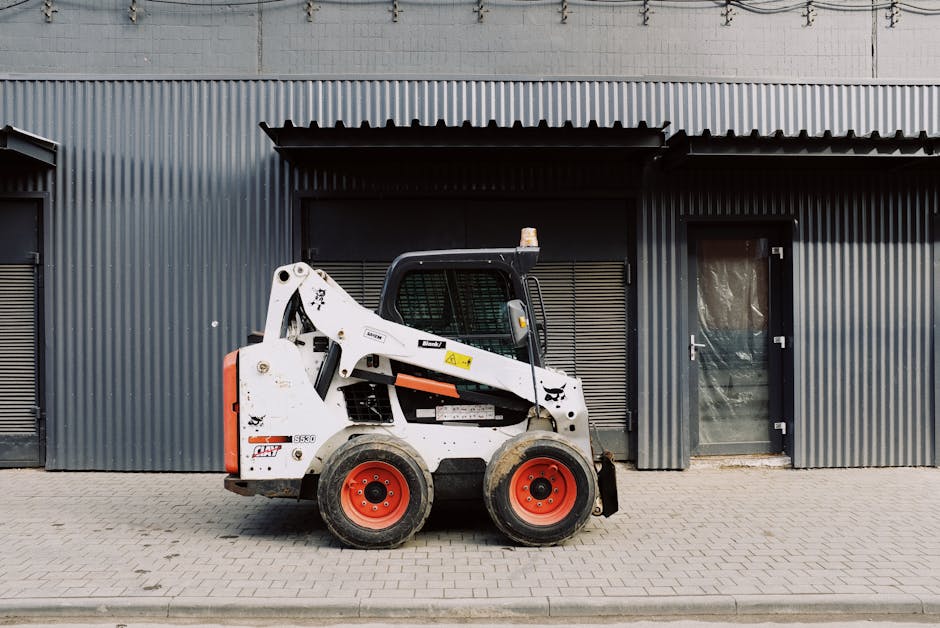
You can track almost any commercial equipment you can think of. That includes heavy machinery, vehicles, construction tools, trailers, generators, and even specialized industrial gear – just attach the right tracking device.
Is this tracking software tough for small businesses to set up?
Not at all. Lots of providers have scalable, cloud-based solutions. They’re pretty straightforward for small businesses, usually needing very little IT setup and coming with really easy-to-use interfaces.
How fast can you get a stolen asset back with this software?
Recovery times differ, of course. But with real-time tracking and instant alerts, you can often get your stuff back within hours of it being stolen, especially if you get the police involved quickly.
Does asset tracking software always need an internet connection?
Well, yes, you’ll need internet for real-time data and to access the main platform. But many devices have built-in memory; they’ll store data when they’re offline and then upload it as soon as they reconnect.
Can this software help with insurance claims?
Absolutely. The detailed historical data – location logs, timestamps, everything – that the software provides is priceless for insurance claims. It can really speed up the whole process and get you your payout faster.
How long do GPS tracking devices usually last?
Most GPS tracking devices for commercial assets will last anywhere from 3 to 7 years. It really depends on how good the device is, what kind of battery it uses (if it has one), and how exposed it is to the elements. But lots of them are built super tough to last.