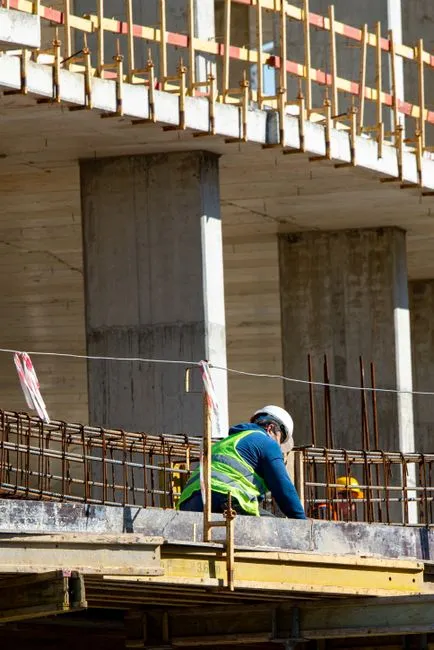
Quick answer: Enterprise asset tracking software is crucial for heavy civil contractors because it gives you real-time eyes on your valuable equipment, vehicles, and tools. And that’s a big deal. It directly amps up how efficiently you operate, cutting down big costs. This essential technology makes sure you’re using resources optimally, minimizes downtime with proactive maintenance, and stops losses, all while boosting profits on those massive, complex construction projects.
Key Takeaways
- You’ll get real-time visibility into where all your heavy equipment and tools are, and what they’re doing.
- It slashes operating costs by making sure your gear is always working hard and preventing theft.
- Scheduling maintenance proactively, thanks to this software, means your assets last longer and you deal with fewer nasty surprises.
- Better data from tracking leads to smarter project planning, more accurate budgets, and easier compliance reporting.
- Link this tracking with telematics, and you’ll get deep insights into how your equipment performs and what your operators are up to.
- This tech helps future-proof your business, letting you make decisions based on solid data.
What is Enterprise Asset Tracking Software and Why Does it Matter for Contractors?
Think of enterprise asset tracking software as your command center. It’s a single system that lets you monitor, manage, and get the most out of every piece of physical equipment you own across your entire operation. For heavy civil contractors, that means finally having unprecedented control over your huge, expensive fleet of heavy equipment, vehicles, and specialized tools.
It takes all that messy, manual tracking you’re probably used to and turns it into a slick, data-driven process. And you need that, especially when you’re running complex jobs across multiple sites. We’re talking excavators, dozers, cranes, concrete mixers – the sheer scale and cost of these assets make proper tracking an absolute must. Losing a tool or having a machine sit idle can derail projects, inflate labor costs, and cost you serious money. This software makes sure every asset is accounted for, well-maintained, and used where it needs to be, right when it needs to be. That directly impacts your project timelines and keeps you on budget.
How Does Asset Tracking Software Boost Operational Efficiency?
Bringing in an asset tracking system dramatically improves your day-to-day work. It feeds you real-time data and deep insights, letting you instantly find any piece of equipment. No more wasted time searching, and you can be sure the right tools are always at the right job site, exactly when you need them. That level of transparency really streamlines dispatching and logistics, making project execution smoother and way more predictable.
Optimizing Equipment Utilization and Preventing Downtime
Smart asset tracking lets you watch how your equipment gets used. You can spot underutilized machines – maybe you can redeploy them, or even rent them out. Conversely, you’ll see gear that’s getting hammered, letting you know it might need extra care or replacement. By truly understanding usage, you can make smarter calls on future big purchases and squeeze more value out of what you already own.
Predictive maintenance? That’s a core benefit for efficiency. With all this detailed usage data, you’re not just reacting when something breaks. Instead, you can schedule preventive maintenance based on actual run hours or performance metrics. This proactive approach cuts down on unexpected downtime, makes your expensive machinery last longer, and helps you avoid those dreaded project delays caused by equipment failures.

Streamlining Inventory Management for Tools and Materials
But it’s not just about the big machines. This software also excels at managing your smaller, but just as critical, tools and materials. Drills, safety gear, scaffolding parts, even high-value consumables – you can track them all with RFID tags or QR codes. That capability drastically cuts down on lost or stolen items, saving you replacement costs and guaranteeing your crews always have what they need.
Accurate inventory data means fewer last-minute, emergency buys and much better planning for what materials you’ll need. Job sites often struggle with messy tool sheds and constantly shifting material counts. Asset tracking brings order to that chaos. And that precision? It means smoother project flow and less paperwork for your site managers.
What Are the Financial Benefits of Robust Asset Tracking?
Using a good asset tracking system delivers serious financial wins. It hits your bottom line directly. By cutting waste, stopping losses, and making your capital work harder, these systems give you a quick and significant return on your investment.
Reducing Theft and Loss of High-Value Assets
Theft and misplacement of heavy equipment and tools are a huge money pit for civil contractors. But the GPS tracking built into these systems gives you real-time location data. That’s a powerful deterrent against thieves. If an asset moves outside a geofenced area you’ve set up, you get an immediate alert. That drastically improves your chances of getting it back.
Beyond outright theft, better visibility also reduces “shrinkage”—that slow drain of smaller tools and components disappearing over time. Knowing the last person assigned to an item or its last known location builds accountability. And that discourages unauthorized removals. Preventing these losses adds up to considerable annual savings on replacement costs.
Lowering Maintenance and Operating Costs
Maintenance done proactively, informed by precise usage data from your tracking system, is simply cheaper than waiting for things to break. Fixing small issues before they blow up into major failures saves you money on parts, labor, and those expensive emergency service calls. Plus, the system can help you optimize routes and equipment allocation, which can lead to big savings on fuel.
Being able to accurately track how much an asset depreciates and how well it performs helps you make smart decisions about when to repair, refurbish, or replace equipment. This strategic view keeps you from holding onto inefficient machinery for too long, or replacing perfectly good gear too soon. The software gives you the data you need for a clear cost-benefit analysis at every stage of an asset’s life.

How Does Asset Tracking Improve Compliance and Safety?
Keeping up with regulatory standards and making sure your crew is safe? Those are non-negotiables in heavy civil construction. And asset tracking plays a key role in both, giving you solid data and helping you manage things better.
Ensuring Regulatory Compliance and Documentation
Lots of heavy equipment needs regular inspections, certifications, and has to meet emissions standards. An asset tracking system can automatically remind you about these critical checks. That means you won’t miss an essential maintenance task or certification deadline. It keeps a digital logbook for each asset, documenting service history, inspection results, and even operator certifications.
All that detailed documentation is priceless during audits. It shows you’ve done your due diligence, cutting down the risk of fines or even shutdowns. You can quickly pull reports on asset maintenance, usage, and who was operating what, proving you’re playing by the rules. This transparency simplifies those often-complex compliance requirements.
Enhancing Job Site Safety and Accountability
Safety? It’s directly tied to well-maintained equipment and trained operators. Asset tracking can help ensure only certified operators are using specific machines. That prevents unauthorized or unqualified folks from hopping into dangerous equipment. If you link it with telematics systems, you can even monitor operator behavior. Spotting harsh braking, speeding, or unauthorized use lets you provide corrective training.
And knowing exactly where all your equipment is also helps with better site planning and faster emergency response. If an accident happens, pinpointing the precise location of a machine or vehicle can shave crucial minutes off response times. By encouraging accountability and giving you tools for proactive safety management, this software helps create safer work environments.
What Future Innovations Are Shaping Asset Tracking Software?
The world of asset tracking software keeps moving forward. New technologies are popping up, promising even more powerful capabilities for heavy civil contractors. These innovations are going to totally change how you manage, maintain, and optimize your assets.
Integration with IoT and AI for Predictive Analytics
The real future for asset tracking lies in connecting it deeply with the Internet of Things (IoT) and artificial intelligence (AI). Imagine: IoT sensors embedded right into your heavy equipment, collecting tons of data on performance, vibrations, temperature, and how much fuel it’s burning. Feed all that into AI algorithms, and you move beyond just “predictive” maintenance to truly “prescriptive” maintenance. It can forecast potential failures with incredible accuracy and even suggest specific fixes before issues even show up.
AI can also dynamically optimize resource allocation. It can adjust equipment deployment schedules in real-time, reacting to project progress, weather, or unexpected delays. This level of smart automation will minimize idle time even further and maximize productivity across all your job sites by 2027 and beyond. The insights from these advanced analytics will give contractors the power to make strategic decisions based on comprehensive, real-time intelligence.
Advancements in Geolocation and Telematics
Geolocation tech is getting unbelievably precise and robust. Some applications are even delivering centimeter-level accuracy. That enhanced precision means you can track equipment movements within a job site with incredible detail, optimizing workflow and preventing collisions. Combine that with advanced telematics – which gives you detailed data on engine diagnostics, fuel efficiency, and operational parameters – and contractors get a true 360-degree view of their assets.
Future developments include things like sophisticated drone integration for quick site surveys and identifying assets, or even augmented reality (AR) overlays for your field technicians. AR tools could guide techs through complex repairs using real-time asset data, cutting down on errors and speeding up maintenance tasks. These technological leaps will make asset tracking software an even more vital tool for contractors trying to keep up with the demands of modern construction projects.
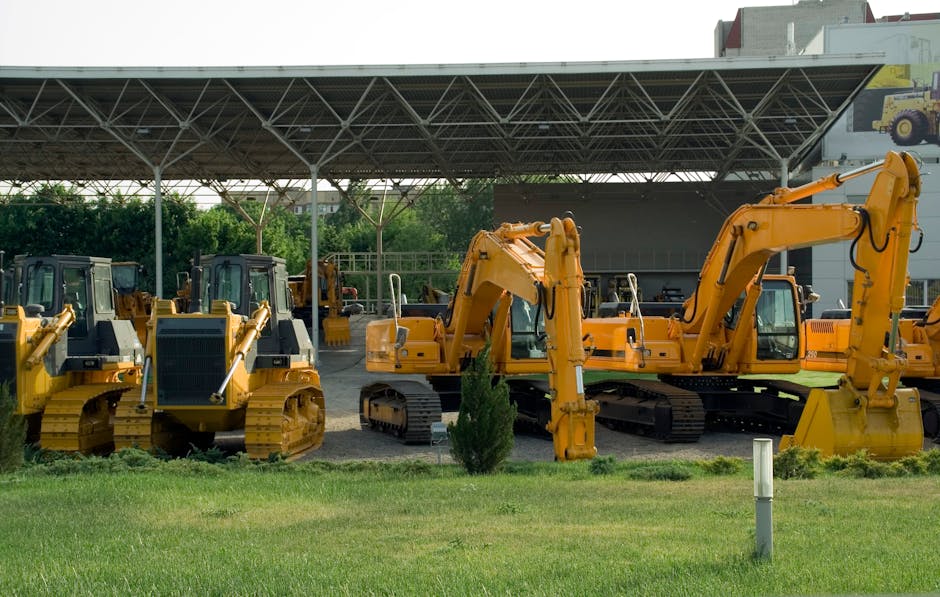
How Can Contractors Select the Right Asset Tracking Software?
Picking the right asset tracking software is a huge decision. It’ll impact your operational efficiency and your financial performance for years to come. So, you’ve got to carefully look at what you need and what different solutions can actually do, to find the perfect fit.
Key Features to Look For in a Solution
When you’re checking out options, make sure to prioritize solutions with strong GPS tracking, geofencing, and telematics integration, especially for your heavy equipment. Real-time data reporting, custom dashboards, and mobile access are also super important for your crews out in the field. The software should handle different tracking methods too—RFID, barcode, QR code—to cover everything from your biggest machines to your smallest tools.
Look for features like automated maintenance scheduling, service history logs, and the ability to integrate with your existing ERP (enterprise resource planning) or accounting systems. Being able to generate thorough reports on asset use, depreciation, and compliance is essential for making smart decisions. And always go for a scalable solution; one that can grow with your business and handle new tech as it comes out is always a wise investment.

Implementation and Support Considerations
How well your asset tracking software actually works in practice really depends on the vendor’s support and training. So, pick a provider with a solid track record in the construction industry and genuinely great customer service. They should offer comprehensive training programs for your whole team, from site managers to field techs, to make sure everyone adopts it smoothly.
Think about how easily it will integrate with your current IT setup and data security policies. A good vendor will offer ongoing technical support, software updates, and clear paths for expanding or customizing the system. A thoughtful implementation plan and a strong partnership with your vendor are key to getting the most out of your asset tracking investment, making it a powerful tool for years to come.
Frequently Asked Questions
What exactly does asset tracking software track?
It tracks location, status, how much something’s used, its maintenance history, and other important data for all your physical assets. That includes heavy machinery, vehicles, tools, and even smaller inventory items.
Can this software help prevent equipment theft on job sites?
Absolutely. It makes a big difference in stopping theft. You get real-time GPS tracking, and geofencing capabilities alert you if an asset leaves a designated area. Plus, you have detailed historical location data for faster recovery.
Is enterprise asset tracking software difficult to implement for large fleets?
While the initial setup takes planning and data input, modern enterprise asset tracking software is designed to scale. Reputable vendors provide comprehensive support, training, and integration services to ensure a smooth transition, even for huge fleets.
How does it contribute to better equipment maintenance?
It tracks usage hours and performance metrics. This lets you schedule proactive maintenance based on actual need, rather than just sticking to arbitrary timelines. That means fewer breakdowns, longer asset life, and lower repair costs.
Can this software integrate with other business systems like ERP?
Many advanced asset tracking solutions offer robust integration with your existing ERP, accounting, and project management systems. This creates a unified data environment for much better business intelligence.
What kind of ROI can heavy civil contractors expect from this software?
Heavy civil contractors can expect substantial ROI. We’re talking less equipment downtime, optimized utilization, fewer theft losses, lower maintenance costs, better fuel efficiency, and improved compliance. Many contractors see their investment paid back within one to two years.