


Quick answer: Modern retail outlets rely on smart digital price tags integrated with Point of Sale (POS) systems for dynamic pricing, lower operating costs, and happier customers. This tech makes sure prices are always right, everywhere, which is super important for staying competitive in retail by 2026.
Key Takeaways
- Smart digital price tags, or ESLs, just show product info digitally.
- When you integrate with POS, pricing data syncs instantly across all your sales channels.
- Retailers can change prices on the fly, reacting quickly to market shifts.
- Digital tags automate things, cutting down manual errors and staff costs big time.
- Customers get a better experience with clear, accurate prices and more product details.
- The tech also gives you crucial data to fine-tune inventory and sales plans.
What are Smart Digital Price Tags, and Why do Modern Retail Outlets Rely on Them?
Smart digital price tags, or ESLs, are these small, battery-powered gadgets that show prices, unit measurements, and special offers. But here’s the kicker: unlike old paper labels, you can update them remotely, instantly. Modern retail outlets rely on these smart tools to keep things running smoothly and stay nimble in a market that’s always on the move.
ESLs usually run on e-paper or LCD tech. That makes them super energy-efficient and easy to read from anywhere. And here’s where it gets really good: linking them up with your store’s Point of Sale (POS) system completely changes the game. This connection makes sure the shelf price always matches the price at checkout. No more embarrassing discrepancies.
So, how do digital price tags actually make retail operations smoother?
Digital price tags totally change how stores handle pricing and product info. Gone are the days of manual price changes! That frees up your staff from those boring, mistake-prone jobs. And this automation directly saves a ton on labor costs. Employees can then focus on helping customers and doing other things that actually add value.
Plus, being able to update prices instantly means retailers can jump on competitor pricing, react to supply chain hiccups, or launch promos right away. This dynamic pricing lets you squeeze out maximum profit and avoid losing money. And the accuracy ESLs bring? That seriously cuts down scanning errors at checkout. It just makes things run smoother and keeps customers happier by heading off pricing arguments.

How POS Integration Absolutely Nails Pricing Accuracy and Builds Customer Trust
Look, linking smart digital price tags directly with a store’s POS system is a total game-changer for pricing accuracy and customer trust. That direct connection makes sure any price change in the main POS database shows up immediately on the shelf. Poof! No more annoying price mismatches between the shelf and the register – those things cause so many customer complaints and slow down checkout.
For omnichannel retailers, this integration isn’t just nice to have; it’s essential. It guarantees you’ll have consistent prices across your physical stores, online platforms, and mobile apps. And that builds huge customer confidence. When shoppers see the same price online and in the store, their trust in your brand just skyrockets. This kind of consistency is absolutely key to a unified brand experience by 2026.
What’s the Money Story? The Financial Wins from Digital Price Tags
The money benefits of putting smart digital price tags into your store are huge and varied. First off, you’ll see a direct drop in operating costs. That’s mainly because you don’t need to print, distribute, or manually stick on paper labels anymore. Plus, it cuts down on material waste and helps the environment.
But the savings aren’t the only perk. Being able to run dynamic pricing strategies also means more revenue. Retailers can tweak prices instantly based on demand, how much stock they have, the time of day, or what competitors are doing. That really helps them grab every sales opportunity. Launching a sale? You can do it instantly. Pulling it back? Just as fast. This ensures maximum punch for your promos and cuts losses from old ones. This kind of quick thinking really boosts your bottom line and gives a competitive edge. It’s why modern retail outlets rely on these kinds of smart innovations.
What Key Challenges do Traditional Pricing Methods Pose for Modern Retail Outlets?
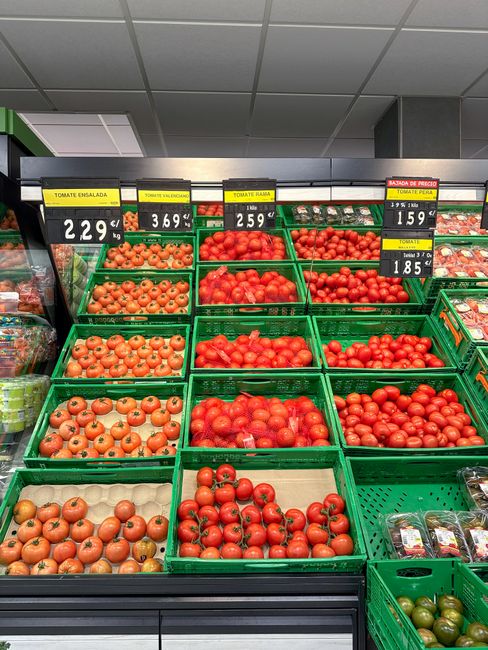
Traditional paper price tags? They throw up a whole lot of serious problems for retailers trying to operate well in 2026. Changing prices by hand is just plain slow, takes a ton of staff time, and, let’s be honest, invites mistakes. Your team has to print new labels, find the right product on the shelf, and swap out the old one. For bigger stores with tons of stuff, that can eat up hours, sometimes even days.
Because of these delays, retailers often miss the boat on quick price adjustments when the market shifts or a competitor makes a move. And price differences between the shelf and the POS? They happen all the time. That leads to frustrated customers, slow checkouts, and even potential fines for wrong pricing. All these screw-ups chip away at customer trust and your profits. It really shows you why modern retail outlets rely on automated solutions instead.
How Digital Price Tags Future-Proof Your Retail Business for 2026 and Beyond
Digital price tags are absolutely crucial for making your retail operations bulletproof against whatever the market throws at you. They’re so flexible and connected; they’ll adapt to new tech easily. Think about it: as the Internet of Things (IoT) grows, ESLs can hook right into bigger in-store systems. We’re talking inventory management, customer analytics, even personalized marketing displays.
All that data ESLs collect – on price changes, how well promos perform, customer engagement – can give you priceless insights for perfecting your store layouts and merchandising. This solid data helps retailers make smarter business calls and keep that competitive edge. By simply embracing this tech, you’re making sure your store stays nimble, responsive, and totally up-to-date. That sets you up for steady growth well into 2027 and beyond.

How Smart Digital Price Tags Seriously Boost the Customer Experience
Smart digital price tags really do make shopping way better. They give customers crystal-clear pricing that’s always right, cutting out confusion and building trust. Shoppers know the price they see on the shelf is exactly what they’ll pay at the register. No surprises.
But it’s not just about prices. Lots of advanced ESLs offer extra product info via QR codes. Customers can scan these with their phones to pull up detailed descriptions, ingredients, nutrition facts, reviews, or even videos. This puts more info right into their hands, helping them decide what to buy and making the whole shopping trip more engaging and interactive. This kind of info and clarity? That’s exactly why modern retail outlets rely on these systems.
How Smart Price Tags Make Omnichannel Strategies Actually Work
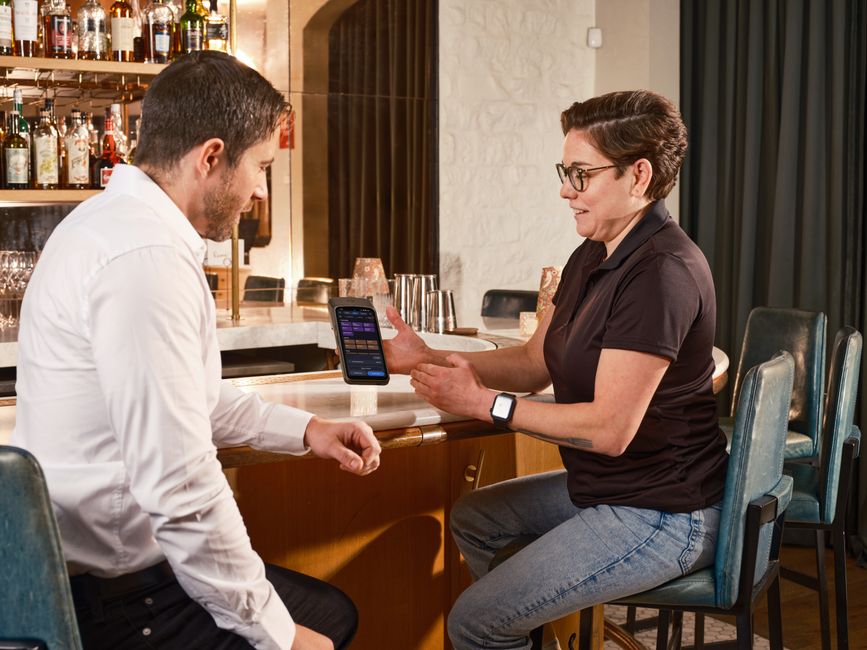
Smart price tags are absolutely key for nailing a cohesive omnichannel retail strategy. They literally bridge the gap between shopping online and in person. How? By making sure prices are the same everywhere your customers interact with you. Someone browsing online or physically in your store? The price will always match.
This synchronization just cuts out so many potential problems and strengthens your brand message. It lets retailers run “buy online, pick up in-store” (BOPIS) or “ship from store” setups way more efficiently. They know their inventory and pricing data are perfectly aligned. And this consistency? It’s crucial for building customer loyalty and giving folks a truly integrated shopping experience in our connected world.
Frequently Asked Questions
What exactly are smart digital price tags?
Smart digital price tags are electronic displays, usually called ESLs. They show product info like price or promotions. But they update remotely and automatically, so they swap out old paper labels with perfectly accurate, real-time pricing.
How does POS integration work with digital price tags?
POS integration simply links the digital price tags right to your store’s main Point of Sale system. This hook-up makes sure that any price changes or promotions you put into the POS instantly and automatically show up on the shelf labels. Everything stays perfectly in sync.
Can digital price tags improve my store’s profitability?
Absolutely. Digital price tags seriously boost profits. They cut down on staff time spent changing prices by hand, minimize mistakes, and let you use dynamic pricing strategies. All these things mean retailers can really fine-tune sales and react fast to what the market’s doing.
Are digital price tags sustainable?
Yup, they’re way more sustainable than paper labels. They drastically cut down on paper waste, plus all the energy needed for printing and moving those paper labels around. Their batteries last ages, and since they’re reusable, they definitely create a smaller environmental footprint over time.
How long does it take to implement a digital price tag system?
How long it takes to get a digital price tag system up and running really depends on your store’s size and current setup. But generally, a typical store can have everything fully deployed in a few weeks to a couple of months. That includes setting up base stations, putting out the tags, and integrating with your POS.
What if the power goes out?
No worries there! Smart digital price tags use e-paper technology. That means they’ll hold onto whatever information they were displaying, even if the power cuts out, because they only use power when they’re actually updating. So, the prices stay visible and accurate until the power’s back on and new updates come through.