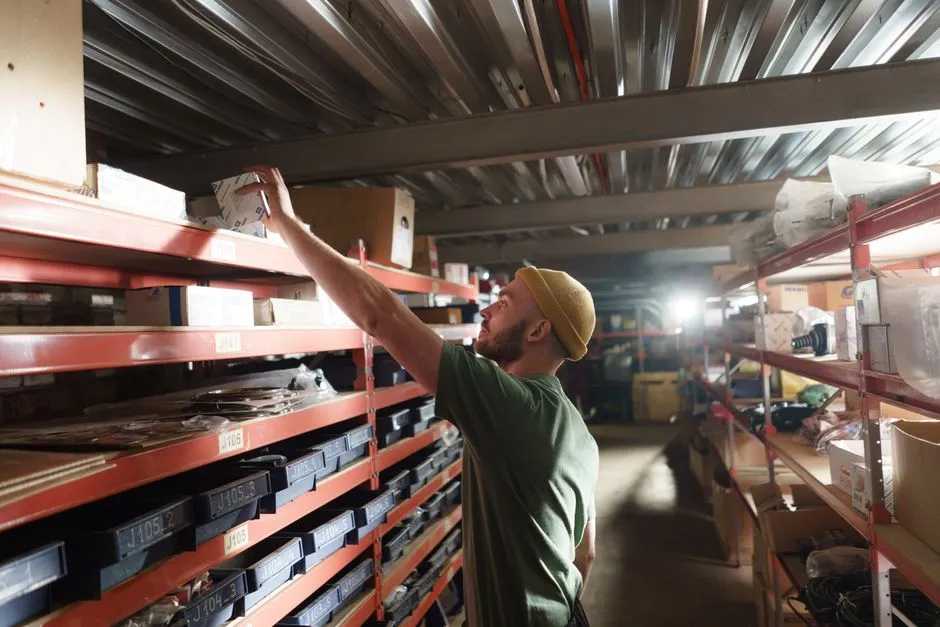
Quick answer: The role of automated order routing is critical for modern logistics, enabling businesses to efficiently process customer orders by automatically directing them to the closest available fulfillment center or store. This sophisticated software minimizes shipping times and costs, significantly enhancing customer satisfaction and operational efficiency across the supply chain.
Key Takeaways
- Automated order routing optimizes logistics by assigning orders to the nearest fulfillment location.
- It dramatically reduces shipping costs and delivery times, directly improving customer experience.
- Real-time inventory visibility is essential for the effectiveness of any order routing system.
- Advanced algorithms consider factors like stock levels, shipping costs, and delivery speed.
- Implementing this technology leads to higher operational efficiency and reduced manual errors.
- It is a foundational component for achieving sustainable and scalable e-commerce operations by 2026.
What’s the Role of Automated Order Routing in Modern Logistics?
The role of automated order routing is simple: it changes how businesses get products to customers. This smart software automatically figures out the best place to ship an order from. So, products leave from the nearest spot, the most affordable, or the quickest one. That’s a big deal.
Think about it. Order fulfillment used to be a mess—lots of manual steps, plenty of mistakes, and just plain slow. But automated order routing uses data and clever algorithms to make these crucial decisions instantly. And for any business aiming for top-notch service and smooth operations in a tough market, that capability is a must-have.
This system really acts like the brain of your supply chain. It links customer orders with every single item you have in stock, whether it’s in a big warehouse, a small distribution center, or even a retail store. Its main job is to make sure every product’s trip from origin to customer is as good as it can be. This directly impacts how fast you ship, what it costs, and if customers are happy. It really sets a new bar for how things should work by 2026.
How Does Automated Order Routing Actually Optimize Fulfillment?
Automated order routing makes fulfillment better by instantly checking a bunch of things to pick the best place to ship each order. It’s a pretty smart process. It doesn’t just look at what’s closest; it builds a genuinely efficient system. This kind of optimization capability really makes a difference for businesses.
So, what does it check? Well, key factors include current inventory levels, shipping costs, how fast a certain carrier can deliver, and even the size or type of the order itself. Let’s say a popular item is ordered. The system might send it from a slightly further warehouse if the closer ones are nearly out. That stops you from getting backorders. This clever decision-making means every order gets handled as efficiently as possible.
The system also keeps a constant eye on inventory across all your locations. It provides real-time data, so you don’t accidentally oversell or undersell anything. This proactive approach cuts down on fulfillment delays and customer complaints a lot. And optimal routing? That directly means you spend less money operating and your customers stick with you more often. Those are crucial numbers for growing any business.

Making Sure Inventory is Used Best Across All Hubs
Getting the most out of your inventory is a huge plus you get from good automated order routing. The software constantly tracks how much stock you have at every single fulfillment center. This stops any one location from being swamped or, on the flip side, totally underused. That balance prevents popular items from running out at busy hubs and keeps too much stock from sitting idle elsewhere.
By dynamically assigning orders, the system can cleverly reduce inventory from specific spots. This might mean lowering holding costs or clearing out older stock. This smart management helps you turn over inventory faster and keeps your cash flowing better. It’s a crucial piece of how lean supply chains should work by 2026.
Cutting Down Shipping Costs and Delivery Times
One of the biggest advantages of the role of automated order routing is how much it slashes both shipping costs and delivery times. When businesses consistently pick the nearest available hub, they naturally save on gas and carrier fees. Shorter distances simply mean cheaper transportation.
Faster deliveries are a direct result of shipping from closer places. People today expect their stuff fast, and automated routing helps businesses hit those speedy targets. Quick delivery makes customers happier, encourages them to buy again, and strengthens your brand in what’s a very competitive market.
What Are the Must-Have Features of Good Automated Order Routing Software?
Really good automated order routing software needs certain features to be useful and make a real difference to your business. These capabilities together help businesses achieve incredible efficiency and quick responses in their supply chains. Understanding them is key if you want to pick the right solution.
Typically, these systems come with real-time inventory syncing, logic for routing to multiple locations, ways to integrate with different carriers, and reporting tools. Each one helps smooth out the order fulfillment process. Without these solid features, businesses just can’t keep up with the competition.
Plus, the ability to be flexible and grow with your business is super important. That way, you can handle new demands and market changes. The best solutions plug right into your existing ERP, WMS, and e-commerce platforms without a hitch. This keeps your whole operation unified and efficient for years to come.

Real-time Inventory Visibility and Synchronization
Being able to see your inventory in real-time is absolutely essential for any effective automated order routing system. This feature gives you an instant, accurate picture of stock levels across all your warehouses, stores, and distribution centers. It gets rid of all the guesswork and delays that come with old inventory numbers.
Synchronization means that the moment an item is sold or comes into stock, its status updates across your entire network. This stops you from accidentally overselling. And it makes sure orders only go to places that actually have the product. It keeps your data honest throughout the whole supply chain.
Smart Routing Algorithms and Business Rules
The real brains behind automated order routing are its advanced routing algorithms and the business rules you can customize. These algorithms look at tons of factors—like the shortest distance, the cheapest shipping, which location has the most stock, or even specific product types—to make the best routing choices. Businesses can tweak these rules to match whatever their main goals are.
For example, maybe a business wants to prioritize express delivery for its top-tier customers. Or perhaps it needs to send oversized items to a specific warehouse. These rules let you make nuanced decisions that go beyond just what’s closest, ensuring everything lines up with your overall business plans. This flexibility makes the system incredibly powerful and easy to adapt.
How Does Automated Order Routing Make Customers Happier?
Automated order routing really boosts customer happiness because it delivers on what today’s shoppers expect. It directly addresses their need for faster, more dependable, and transparent deliveries. Happy customers become loyal customers, and that’s crucial for steady business growth.
By making delivery routes better and cutting down transit times, customers get their orders quicker and exactly when they expect them. Fewer shipping mistakes and less “out of stock” messages also make buying things much smoother. This easy experience builds trust and helps people think positively about your brand.
And because you’re so efficient, you can often offer better shipping deals, like free shipping or faster options. That added value really improves the customer experience and gives your brand an edge. It’s a key advantage in the demanding world of e-commerce by 2026.

Making Deliveries Faster and More Reliable
You know what’s a direct result of using automated order routing? Faster and more reliable deliveries. When orders consistently ship from the closest and best-equipped place, transit times naturally drop. That speed is a major way businesses stand out in the digital age.
Reliability gets a boost too. The system reduces human error in routing decisions and gives you super accurate inventory info. Customers get their items just when they expect them, which means fewer complaints and higher satisfaction scores. Predictable delivery builds consumer confidence in your brand, pure and simple.
Cutting Down on Shipping Errors and Delays
The fact that the system is automated plays a huge part in cutting down shipping errors and delays. When people handle things manually, you often get misdirected packages, wrong items shipped, or missed delivery dates. Automation pretty much gets rid of these common problems.
By always using predefined rules and relying on real-time data, the software makes sure each order gets processed correctly the first time around. This reduction in errors saves businesses money on returns and re-shipping. At the same time, it makes customers much happier. Fewer delays just mean happier customers.
What Are the Business Perks of Using Automated Order Routing?
The business perks of using automated order routing are huge. They go way beyond just getting things delivered faster. These systems make everything more efficient, cut costs, and give you valuable insights that help you make smart business decisions. They’re essential if you want to grow your operations in a smart, sustainable way.
Businesses will see lower labor costs because fewer people need to manually handle order processing. And they also make better use of their resources across their entire fulfillment network. Plus, the data these systems produce gives you a super clear picture of how well things are actually running.
What’s more, automation simplifies managing inventory spread across different places and dealing with multiple shipping points. This simplification lets your teams focus on more important work. The improvements you get are measurable and will directly impact your bottom line by 2026.

Reducing Manual Work and Human Error
A huge operational benefit is how much it cuts down on manual work and human error. Automated order routing takes over the repetitive, and often complicated, job of figuring out the best place to fulfill each order. This frees up your staff. They can then focus on more strategic tasks or helping customers directly.
By getting rid of manual data entry and decision-making for routing, the system dramatically lowers the chances of mistakes. This includes sending things to the wrong place, shipping to the wrong address, or picking a warehouse that doesn’t even have enough stock. Accuracy just improves across the board, making your operations run much smoother.
Making it Easier to Scale and Adapt for Growth
Automated order routing is absolutely vital for being able to scale up and adapt, which is critical for any business planning to grow. When order volumes jump, manual systems quickly get bogged down and become inefficient. But automated systems can handle far more orders without needing a huge increase in staff or resources.
The flexibility to set your own rules and use real-time data means businesses can quickly adjust to market shifts, new product launches, or busy seasonal periods. This agility ensures your fulfillment setup can handle expansion without any hiccups. It builds a really strong foundation for growth that lasts, letting businesses confidently plan into 2027 and beyond.
Frequently Asked Questions
What is automated order routing?
Automated order routing is a software-driven process that intelligently assigns customer orders to the most optimal fulfillment location, such as the nearest warehouse or store, based on predefined criteria.
Why is nearest hub sourcing important?
Nearest hub sourcing is important because it minimizes shipping distances, which directly reduces delivery times and transportation costs, ultimately enhancing customer satisfaction and operational efficiency.
Can automated routing handle complex order criteria?
Yes, advanced automated routing systems can handle complex order criteria by employing sophisticated algorithms and customizable business rules that consider factors beyond just proximity, such as inventory levels, shipping costs, and customer preferences.
What data does automated order routing rely on?
Automated order routing primarily relies on real-time inventory data across all fulfillment locations, customer shipping addresses, carrier service levels, and predefined business rules to make optimal routing decisions.
Does automated order routing integrate with existing systems?
Most modern automated order routing solutions are designed to integrate seamlessly with existing enterprise resource planning (ERP), warehouse management systems (WMS), and e-commerce platforms to ensure data consistency and streamline operations.
What’s the future outlook for automated order routing?
The future outlook for automated order routing is strong, with increasing adoption expected by 2026 as businesses seek greater efficiency, cost reduction, and enhanced customer experiences in increasingly complex supply chains.