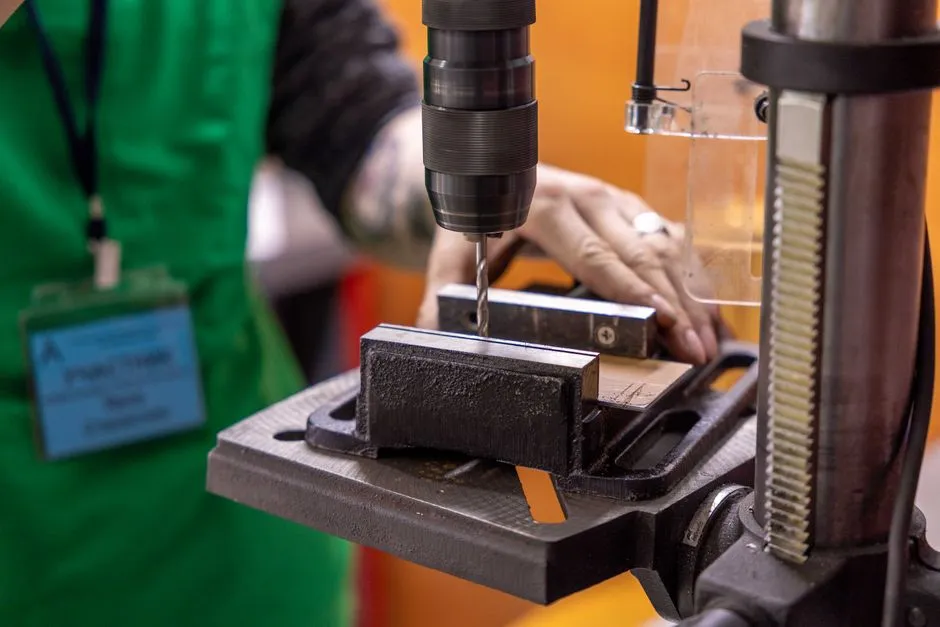
Quick answer: Modern manufacturing operations depend significantly on real-time machine telematics software because it provides immediate, actionable insights into equipment performance, enabling proactive decision-making and preventing costly disruptions. This technology gathers critical data from machines, translating raw information into clear, quantifiable metrics that drive efficiency, reduce downtime, and optimize production processes across the entire factory floor.
Key Takeaways
- Real-time machine telematics provides instant visibility into equipment health and operational status.
- It enables predictive maintenance strategies, drastically reducing unexpected downtime and repair costs.
- Telematics data helps optimize Overall Equipment Effectiveness (OEE) by identifying bottlenecks and inefficiencies.
- Improved energy consumption monitoring and quality control are direct benefits of telematics implementation.
- Successful adoption requires careful planning, integration with existing systems, and adequate staff training.
What Exactly is Real-Time Machine Telematics Software?
So, what exactly is real-time machine telematics software? Well, it’s a clever system that collects and sends data from industrial machines right as things happen. We’re talking about all sorts of information: how the machine’s running, its exact location, and any diagnostic codes it throws up. It does this by hooking up advanced sensors, GPS, and communication networks, giving you a steady, unbroken feed of data.
This constant data stream lets manufacturers keep an eye on their equipment from afar, all the time. It doesn’t just pass along raw machine signals; it turns them into understandable, useful information. And those insights? They’re absolutely vital for keeping things running at peak efficiency and reacting quickly to whatever pops up on the shop floor.
Why Do Modern Manufacturing Operations Depend on This Technology?
Modern manufacturing operations depend heavily on real-time machine telematics. Why? Because production lines are getting more complicated, and everyone’s under constant pressure to be more efficient. In today’s tough global market, every minute a machine sits idle without warning means lost money—big money. So, telematics offers a smart, forward-thinking way to handle these challenges.
It helps businesses move past just reacting when things break. Instead, telematics gives companies the foresight to spot problems before they blow up, making operations smoother and much more reliable. Being able to watch and manage equipment remotely, instantly? That’s not just a nice-to-have anymore. It’s a basic need for staying strong and always getting better, especially as we head into 2026 and beyond.
How Does Real-Time Data Improve Operational Efficiency?
Real-time data really boosts operational efficiency because it gives you instant clarity on what’s happening with your production. Managers can see exactly how machines are performing at any moment – things like cycle times, how much they’re producing, and even how much energy they’re using. This detailed view helps you quickly spot machines that aren’t pulling their weight or bottlenecks that are slowing everything down.
Take this example: if a machine’s temperature starts creeping up unexpectedly, the telematics software flags it right away. Operators can then check it out and fix the issue before it turns into a full-blown breakdown. That kind of quick, proactive move minimizes disruptions and keeps the whole production line humming, making sure you hit your targets consistently.

What Are the Core Benefits When Modern Manufacturing Operations Depend on Telematics?
When modern manufacturing operations depend on telematics, they gain a whole bunch of benefits that seriously impact how productive, cost-effective, and competitive they can be. These advantages touch every part of factory management, from how well you use your assets to how you manage your workforce. Understanding these key benefits is essential to seeing just how important telematics has become.
Predictive Maintenance: Minimizing Unplanned Downtime
Predictive maintenance is probably the biggest win you get from real-time telematics. Instead of sticking to a rigid maintenance schedule, or worse, waiting for a machine to completely fail, telematics-enabled systems constantly monitor machine health. They’re analyzing tons of data points: vibration, temperature, pressure, even motor current signatures.
Then, clever algorithms use all that data to predict potential failures long before they actually happen. This means maintenance teams can schedule repairs precisely when they’re needed, maybe during planned downtime or after hours. The result? Far fewer unexpected breakdowns, machines that last longer, and maintenance resources used much more wisely. It can save companies millions every year.
Optimized Overall Equipment Effectiveness (OEE)
Telematics plays a huge part in bumping up your Overall Equipment Effectiveness (OEE). This is a really important number for measuring how productive your manufacturing is. OEE brings together availability, performance, and quality into one score. Real-time data from telematics gives you all the information you need to calculate OEE accurately and continuously.
By watching machine uptime, speed, and how many defects are produced, manufacturers can figure out exactly why their OEE might be low. For instance, if cycle times are slow, you’ll know immediately and can fix it. So, decision-makers can make targeted improvements, making sure machinery runs at its very best for longer stretches.
Enhanced Energy Consumption Monitoring and Control
Energy costs are a massive expense for manufacturers. But real-time telematics software offers a super detailed look into how much energy each machine or production line actually uses. This granular data helps you pinpoint processes that guzzle too much energy or equipment setups that just aren’t efficient.
From there, manufacturers can put strategies in place to cut down on consumption. Maybe they’ll optimize machine schedules or upgrade to more energy-efficient models. For example, telematics can show you which machines are pulling too much power while idle, leading to automated shutdown programs. That saves significant money and helps meet sustainability goals, too.
Improved Quality Control and Waste Reduction
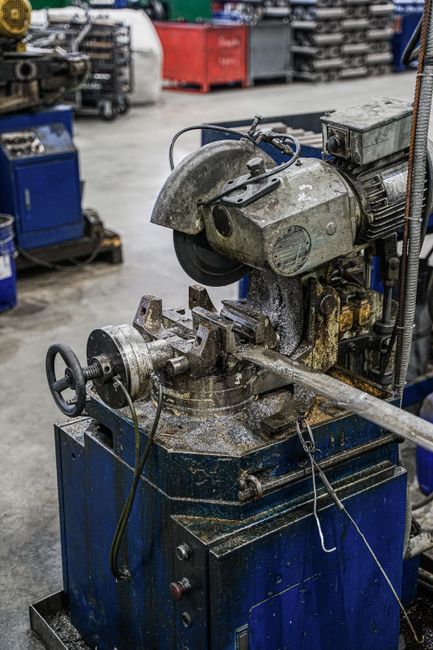
Good quality control and how well your machines run? They’re totally linked. Telematics systems can keep an eye on machine settings that directly affect product quality, things like precision, speed, and even the environment around the machine. If anything goes off its optimal path, it gets flagged instantly. This means you can fix things before you churn out a huge batch of bad products.
By catching quality issues early, manufacturers can stop entire product runs from being trashed. That doesn’t just cut down on wasted materials; it also saves money on redoing work and protects your brand’s reputation. Really, telematics helps you move from checking quality at the end of the line to assuring it as things are being made, leading to much more consistent products.
Remote Monitoring and Management for Global Operations
For businesses with factories spread out all over the world, real-time telematics is a game-changer. It lets central teams monitor and manage equipment across lots of different sites, all from one place. This capability ensures that operational standards and performance stay consistent throughout the entire company.
Remote monitoring also makes troubleshooting and support much faster. Experts can diagnose problems without having to physically travel to each location. And this centralized oversight makes operations tougher and helps spread best practices across the whole global manufacturing network – which is essential for growing big and responding quickly.
Implementing Telematics: Key Considerations for Success
Successfully getting real-time machine telematics up and running takes more than just slapping on some sensors. It involves careful planning, integrating systems, and a real commitment to making decisions based on data. Manufacturers need to approach implementation methodically if they want to get the best return on their investment.
Choosing the Right Technology and Providers
Picking the right telematics hardware and software is absolutely critical. You’ve got to look at sensor capabilities, how things connect (like cellular, Wi-Fi, or LoRaWAN), the data processing power, and how easy the user interface is. Manufacturers should team up with providers who offer strong, scalable solutions specifically made for their industry and machine types.
You also need to think about whether the platform can connect with your existing Enterprise Resource Planning (ERP) or Manufacturing Execution Systems (MES). A smooth flow of data between systems is vital for getting full operational insights and avoiding data silos. Don’t skip a thorough vendor check, covering support, security, and whether their tech will still be useful in the future.
Data Security and Privacy Protocols
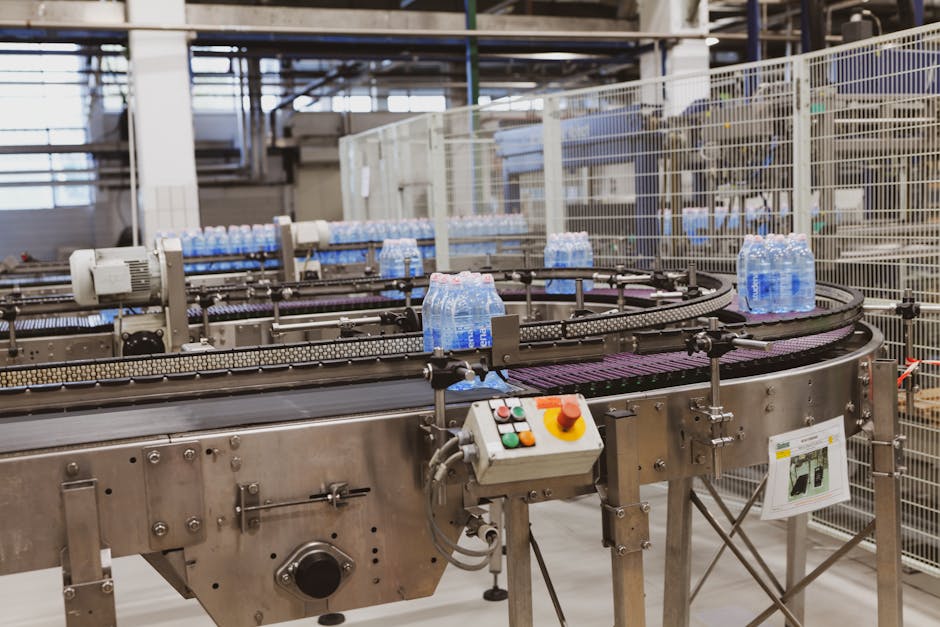
With more and more sensitive operational data being collected and sent around, having strong data security measures isn’t optional anymore. Manufacturers have to make sure their telematics solutions meet the highest cybersecurity standards, including encryption, access controls, and regular security checks. Keeping proprietary data safe from breaches is paramount.
Privacy protocols matter too, especially if the data involves personnel or confidential production details. You absolutely must comply with all relevant data protection regulations, both nationally and internationally. A secure data setup builds trust and keeps your telematics system working right.
Training and Cultural Adoption
Even the best telematics system will fall flat without proper training and getting employees on board. Operators, maintenance staff, and management all need to know how to use these new tools and understand the data effectively. Training programs should cover everything, from simply navigating the system to advanced data analytics.
And you’ve got to foster a data-driven culture, where insights from telematics actually guide daily decisions. That means explaining the benefits of the technology to employees and showing them how it makes their jobs better and helps the company succeed overall. When employees are engaged, the system gets used, and improvements keep coming.
The Future: How Modern Manufacturing Operations Depend on AI-Enhanced Telematics
The story of real-time machine telematics is really tied to how far artificial intelligence (AI) and machine learning (ML) have come. In the years ahead, modern manufacturing operations depend even more heavily on these combined technologies to achieve truly next-level automation and optimization.
AI algorithms are now being built right into telematics platforms. They can do much more advanced predictive analysis, spot complex patterns humans might miss, and even suggest automated fixes. This leads to manufacturing systems that can practically diagnose and optimize themselves. By 2029, expect fully integrated AI-telematics systems to be standard in the smartest factories out there.
Personalized Performance Optimization and Digital Twins
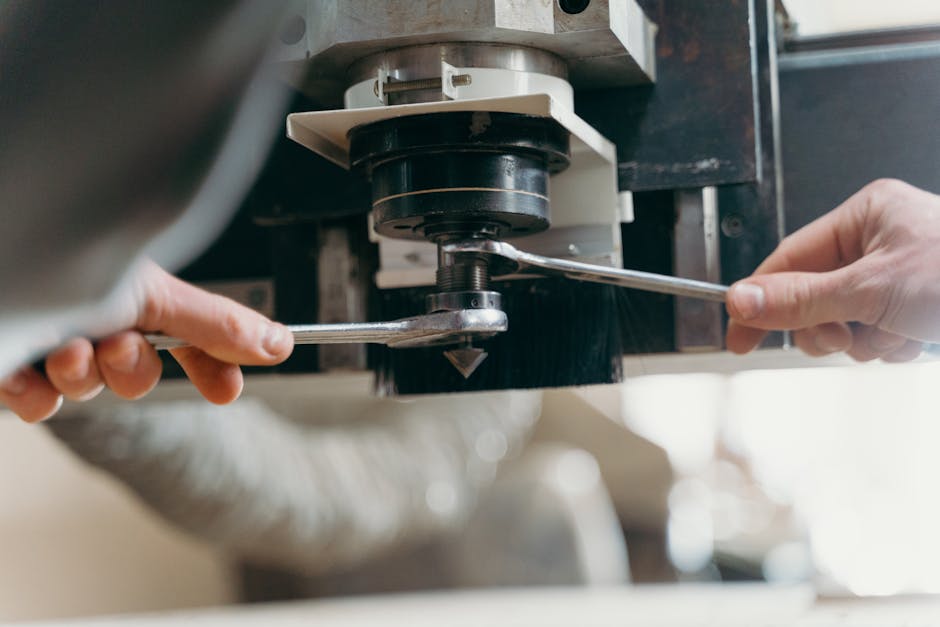
AI-enhanced telematics will make performance optimization super personal for each individual machine. Think about digital twins: these are virtual copies of physical assets, and they’ll get real-time data fed straight from telematics systems. So, these digital twins can then run different scenarios, test out operational changes, and predict outcomes, all without messing with the actual production line.
This allows manufacturers to constantly fine-tune machine settings for peak efficiency, make assets last longer, and customize maintenance schedules based on actual wear and tear. That combination of telematics and digital twins? It’s the absolute best in proactive manufacturing management, completely redefining how modern manufacturing operations depend on data for their very core.
Frequently Asked Questions
What is the primary goal of real-time machine telematics in manufacturing?
The primary goal is to provide immediate, actionable insights into machine performance and health to maximize operational efficiency, minimize downtime, and reduce production costs.
How does telematics contribute to cost savings in manufacturing?
Telematics contributes to cost savings by enabling predictive maintenance (reducing expensive emergency repairs), optimizing energy consumption, reducing waste through improved quality control, and maximizing asset utilization.
Is real-time telematics only for large manufacturing plants?
No, while often adopted by large plants, telematics solutions are increasingly scalable and cost-effective for small and medium-sized manufacturers looking to improve efficiency and competitiveness.
What kind of data does telematics software collect from machines?
Telematics software collects various data points, including machine operational status, speed, temperature, vibration, pressure, energy consumption, error codes, and production counts.
How long does it take to implement a telematics system in a factory?
Implementation time varies based on factory size and complexity, but a typical rollout can range from a few weeks for basic installations to several months for comprehensive, integrated systems across multiple production lines.