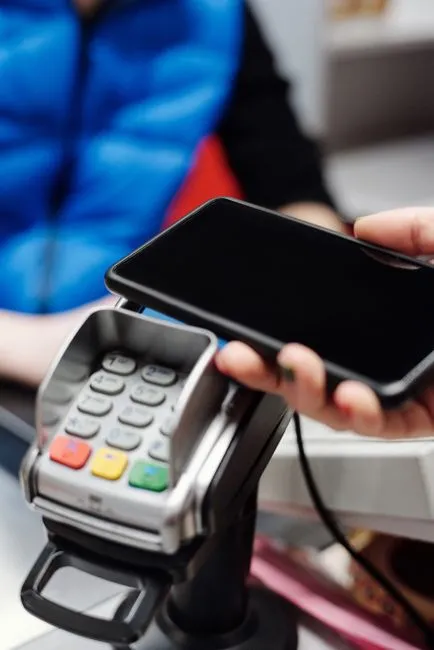
Quick answer: Cloud-based POS systems enable store owners to monitor daily sales from their phone by providing real-time access to transaction data, inventory levels, and performance metrics through secure, internet-connected applications. These systems centralize information in the cloud, allowing business owners to stay informed and make data-driven decisions remotely, ensuring operational efficiency and responsiveness even when not physically present at the store.
Key Takeaways
- With cloud-based POS systems, you get real-time data from any internet-connected device — even your smartphone.
- You can track vital sales figures like daily revenue, how many transactions you’re making, and how specific products are doing, all from afar.
- These systems can send you instant alerts and notifications about important business activities or anything that looks a little off.
- Top-notch security, like data encryption and automatic backups, keeps your sensitive business information safe.
- Being able to check things on your phone just makes operations smoother, helps with inventory, and ultimately, grows your business.
- Monitoring your POS on the go really speeds up decision-making and gives you tons of operational wiggle room.
Watching your daily sales is a huge part of running any retail or service business. And understanding how cloud-based POS systems let you keep tabs on those crucial numbers from anywhere? Well, that gives you incredible flexibility and control. These aren’t your grandpa’s old cash registers; they’re modern solutions that ditch clunky, on-premise setups for a nimble, easy-to-reach approach to managing your business. It just fits how we do things these days, right?
So, What Are Cloud-Based POS Systems, Anyway, and How Do They Work?
Think of a Point of Sale (POS) system as the brain of your store when it comes to sales. It’s all the hardware and software you use to ring up customers. Back in the day, these systems lived on local computers in your shop, storing every bit of data on your own servers. But cloud-based POS systems? They’re different. They host all that data and software on remote servers you can reach right over the internet.
Here’s how it rolls: When a sale happens, that data immediately shoots up to the cloud. So, you, the business owner, can then pull up sales figures, see inventory updates, and even check customer info from any device with an internet connection. The system uses secure cloud tech, making sure your data is locked down tight and always there when you need it.
Why Go Cloud-Based Instead of Sticking With Old Systems?
Choosing cloud-based POS systems really does give you some clear wins over those older setups. Traditional systems often hit you with a big upfront cost for hardware and then more money for IT folks to keep them running. Plus, they chain your data access to your physical location. Not ideal, is it?
Cloud solutions, on the other hand, usually work on a subscription. That cuts down your initial costs. They also give you automatic updates, solid data security, and — this is key — let you monitor and manage things remotely. For busy entrepreneurs, that flexibility is priceless. You can literally stay connected to your business, checking its pulse even when you’re traveling or juggling a bunch of different stores.

How Cloud-Based POS Systems Let You Monitor Sales From Your Phone
Being able to watch your daily sales from your phone? That’s probably the coolest thing about modern cloud-based POS systems. This feature totally changes how you deal with your business. You move from just reacting to problems to actively staying ahead of the game. And you get instant glimpses into your money situation and how smoothly things are running.
This power comes from how well mobile apps connect with the cloud. Specific apps for iPhones and Androids give you super easy dashboards and detailed reports. So, all that business info goes straight into your hands, letting you make decisions, no matter where you are.
Can You Really Get Real-Time Data Anywhere, Anytime?
Yes, you absolutely can. Instant access to real-time data is a top perk of cloud-based POS systems. Unlike those old systems that made you manually pull data or wait for end-of-day reports, cloud POS constantly updates. The moment a sale goes through or an item gets returned, the system shows those changes in its main database.
You just open an app on your phone or tablet to see current sales numbers, old transaction records, and what your customers are buying. This immediate view means you can jump on changing market conditions or sudden sales dips fast. Say a popular item sells out quicker than you expected. You can reorder it right from your phone. No lost sales there.
What About Instant Alerts and Notifications?
It’s not just about passively looking at data. Cloud-based POS systems also let you actively monitor things with custom alerts and notifications. You can set them up for specific events or when certain numbers are hit. Maybe you want to know about really big sales, too many returns, or when you’ve hit (or missed) your daily sales goals.
These alerts pop up right on your phone — push notifications, email, text, whatever you prefer. This heads-up ensures you know about crucial stuff happening in your store right away. You can tackle problems or grab opportunities without missing a beat. For instance, an alert about sales suddenly dropping during busy hours could push you to quickly check in with your staff and see what’s going on.
What Specific Sales Metrics Can You Watch From Your Phone?
Your mobile POS app actually gives you a ton of information, covering all sorts of important business metrics. This detailed view helps you make smart choices and really fine-tune how your business performs in every area.
From seeing how much money you’re making to checking inventory flow and even staff productivity, that mobile dashboard gives you the whole picture. And you can tailor your dashboard to highlight the numbers that matter most to your specific business. That way, the most important data is always front and center.
How Do You Track Daily Revenue and Transaction Volume?
At its heart, sales monitoring means keeping an eye on daily revenue and how many transactions you make. Cloud-based POS systems show these numbers clearly, often comparing them to previous days, weeks, or even years. You can see your total earnings, how many individual sales you had, and the average amount each customer spent.
These metrics immediately show you how the day is going financially. A quick check on your phone tells you if you’re on track to hit your daily goals. So, you can quickly adjust staffing or marketing if things are slow, or celebrate what’s working if you’re crushing your targets.
And What About Product Performance and Inventory Levels?
Keeping your inventory in check is huge for making money. Mobile POS monitoring lets you see exactly which products are flying off the shelves and which ones are just sitting there. You can look at sales by item, category, and even by vendor, pinpointing your bestsellers and that slow-moving stock.
But wait, there’s more! These systems also give you real-time inventory levels, flagging items that are almost gone or completely out. This lets you make smart purchasing decisions, stopping those popular items from selling out and keeping you from buying too much of what people don’t want. Good inventory data saves you money, helps your cash flow, and cuts down on storage costs. That’s a win-win-win.
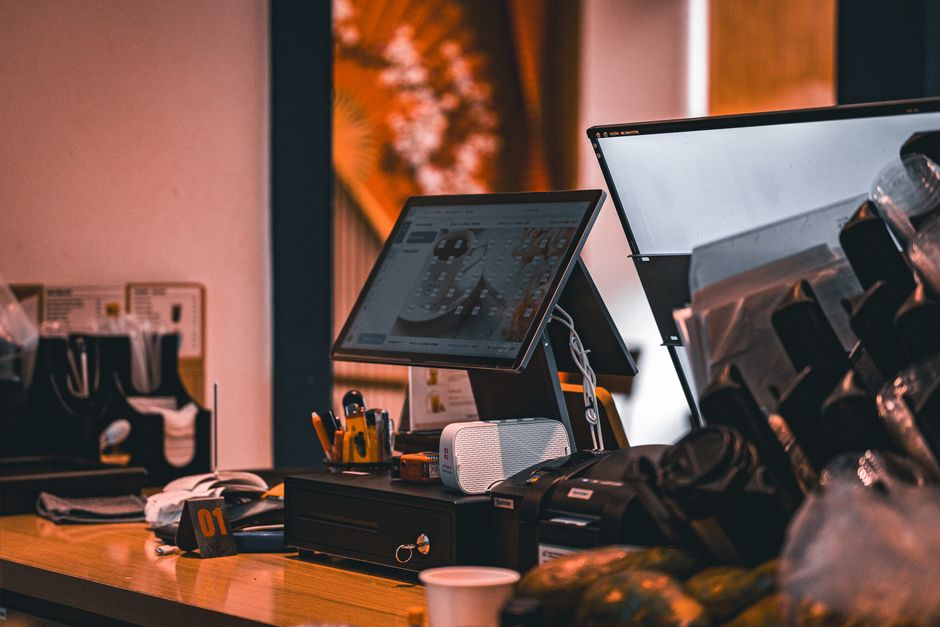
Can You Monitor Staff Performance and Sales Trends?
Beyond just products and money, cloud-based POS systems also show you how your team is doing. You can watch individual employee sales, their average transaction size, and even their hours worked. This data helps you spot your top performers and figure out where someone might need a bit more training.
And these systems track sales trends over different periods — hourly, daily, monthly, and beyond. Looking at these trends helps you nail down your busiest hours, seasonal demands, and which promotions really work. When you understand these patterns, you can set up better staff schedules, fine-tune your marketing, and predict future sales more accurately. That means you’ll be totally ready for busy times, like the holiday season of 2026.
What About Security Features for Cloud-Based POS Systems?
Security is a massive deal for any business, especially when you’re dealing with sensitive sales and customer data. So, cloud-based POS systems are built with tough security measures to keep that information safe. They use fancy encryption, multi-factor authentication, and stick to specific industry compliance rules.
They get it: mobile access is super handy, but it absolutely can’t put your data at risk. That’s why security is baked into every single layer of the cloud setup. This gives business owners real peace of mind. Regular security checks and updates? They’re standard practice, constantly fighting off new online threats.
How Do They Protect Your Data and Keep You Compliant?
Cloud-based POS systems use top-of-the-line encryption for all data going between your devices and the cloud. This makes sure sensitive stuff, like credit card numbers and customer details, stays safe from anyone trying to snoop. A lot of these systems also follow Payment Card Industry Data Security Standard (PCI DSS) rules, which you absolutely need if you’re processing card payments.
These compliance features help your business meet legal requirements, cutting down the risk of data breaches and the costly legal or financial trouble that comes with them. And secure access controls, like setting up different user roles and permissions, further limit who can see or change specific kinds of data. It’s just another layer of protection.
What Are the Benefits of Regular Backups and Updates?
Another big security win is how they handle data backups — automatically and regularly. Cloud POS providers usually back up all your business data daily, sometimes even hourly. This means if your system crashes, data gets corrupted, or even if something major happens at your store, all your crucial info can be brought back quickly.
Plus, cloud-based systems get continuous software updates directly from the provider. These updates often include security fixes and improvements that tackle any new weak spots. This automatic updating means your business is always running on the safest, most current software version, and you don’t even have to lift a finger to make it happen.
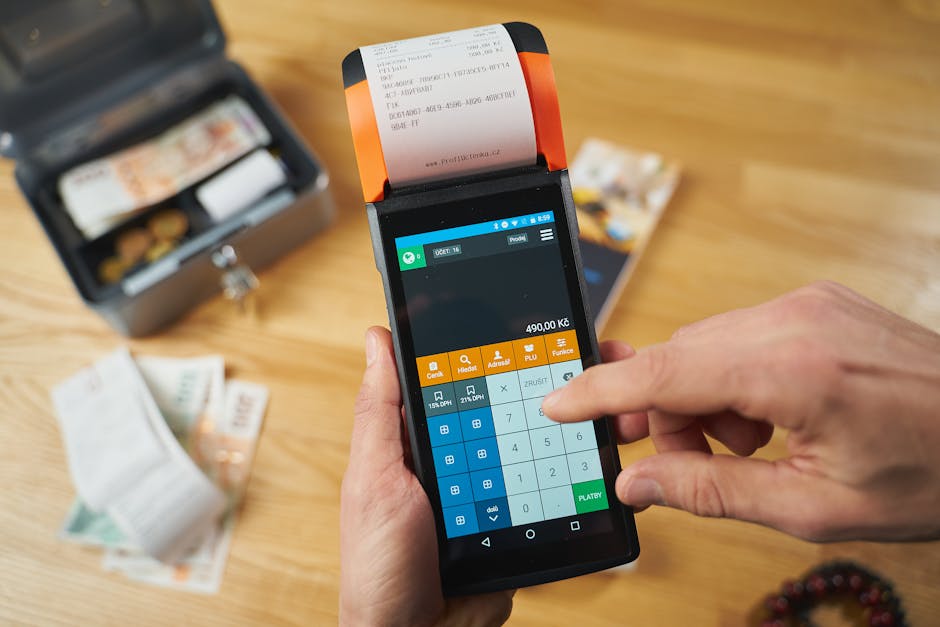
How Do Cloud-Based POS Systems Actually Help Your Business Grow?
Those smart insights you get from checking sales on your phone with cloud-based POS systems? They directly open doors to business growth. By giving you a clear, live look at how things are running, these systems let you spot what’s not working, jump on new trends, and make your customers happier.
All this leads to making better decisions, putting your resources where they count, and boosting your overall profits. The speed and responsiveness you get from cloud POS solutions really set your business up for lasting success in a competitive market. And yes, it gets you ready for expansion by 2027.
How Do They Streamline Operations and Make Things More Efficient?
All that data and remote access you get from cloud-based POS systems simplify so many everyday tasks. You can track inventory, manage employee schedules, and look at sales performance without even being in the store. This means you spend less time on boring admin stuff and more time focusing on big-picture planning and connecting with your customers.
Automated reports whip up detailed sales summaries, tax reports, and performance analyses instantly. That gets rid of manual data gathering, saving you countless hours and cutting down on human errors. And those efficiency gains? They go straight to making your business more productive and cost-effective, which really bumps up your bottom line.
And How Do They Make for Better Customer Experience and Loyalty?
Understanding what your customers do is key to keeping them coming back. Cloud-based POS systems collect valuable customer data, like their past purchases and what they like. You can access all this info from your phone, which helps you create custom promotions, offer personalized service, and build stronger relationships.
For example, by seeing which products are popular and how people tend to buy things, you can create specific marketing campaigns or loyalty programs. Being able to check this data on your phone means you can make quick decisions that improve customer interactions. Maybe you quickly look up a customer’s past purchase to suggest something similar. That just makes customers happier, brings them back again and again, and that’s how you build a business that lasts.

Frequently Asked Questions
Can I manage multiple store locations from one phone app?
Yep, most good cloud-based POS systems are built to handle several locations from a single mobile app. You can easily switch between different store views to check how each one is doing individually or see combined reports for all your businesses.
What if my internet connection is unreliable?
Good question! Lots of cloud-based POS systems come with an offline mode. This lets you keep making sales even if the internet drops. They’ll just store the data locally and then sync it up to the cloud automatically once your connection comes back. So, you won’t lose any sales info.
Are cloud-based POS systems expensive for small businesses?
Not necessarily. Cloud-based POS systems usually work on a subscription model, which often means lower upfront costs than traditional systems. Many providers also offer flexible plans made for smaller businesses, making them a pretty affordable and adaptable choice.
How long does it take to set up a cloud-based POS system?
Setup time can vary, but generally, it’s pretty quick. Many systems can be up and running in just a few hours to a few days. It really depends on how complicated your inventory is and if you need specific customizations. Plus, training staff is usually a breeze because the interfaces are so straightforward.
Can I integrate my existing accounting software with a cloud-based POS?
Absolutely. Most reputable cloud-based POS systems let you integrate with popular accounting software like QuickBooks, Xero, or other business tools. This streamlines your financial management, cuts down on data entry, and keeps your financial records consistent.