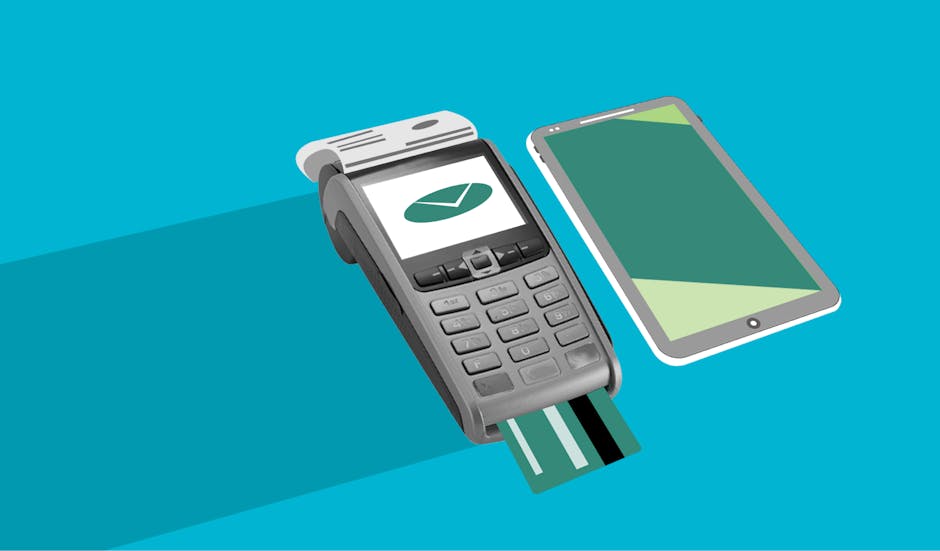

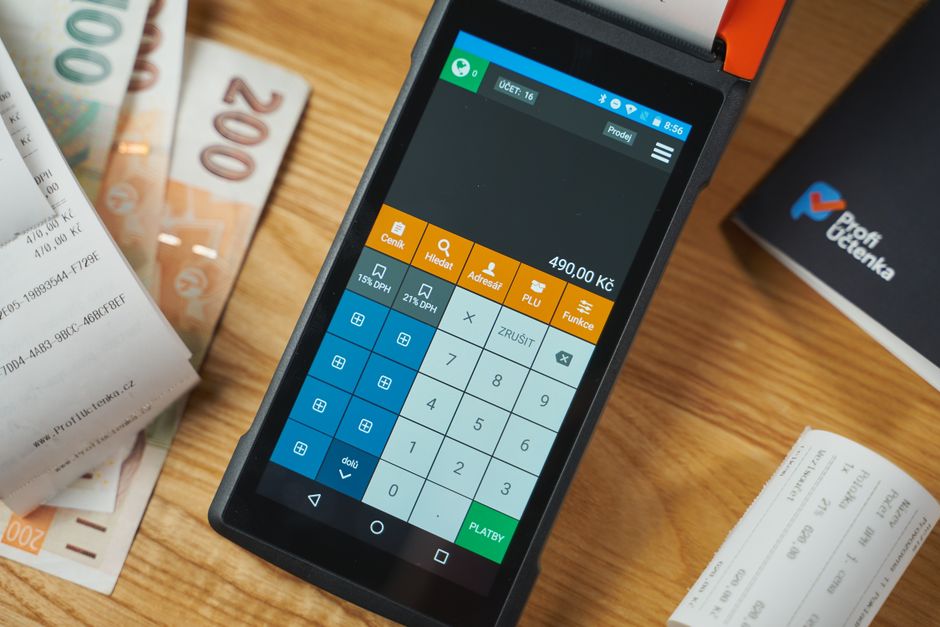
Quick answer: Choosing between a cloud POS vs traditional POS system fundamentally impacts a business’s operational flexibility, cost structure, and scalability. Cloud POS offers remote access, lower upfront costs, and automatic updates, while traditional POS provides direct data control and may suit businesses with unreliable internet access. The ideal choice depends on specific business needs, infrastructure, and future growth plans for 2026 and beyond.
Key Takeaways
- Cloud POS systems operate via the internet, offering unparalleled flexibility and remote access to business data.
- Traditional POS systems are installed locally on hardware, providing complete control over data and robust offline functionality.
- Initial investment for cloud POS is often lower due to subscription models, while traditional POS requires significant upfront hardware and software purchases.
- Scalability is a major advantage of cloud POS, allowing easy expansion to new locations or adding more terminals.
- Data security and system updates are typically managed by the vendor for cloud POS, reducing the burden on the business owner.
- Offline capabilities are a critical consideration, as traditional POS excels here, while many modern cloud POS solutions offer robust offline modes.
So, you’re trying to figure out which POS system to go with: cloud POS vs traditional POS? Honestly, it’s one of the biggest decisions you’ll make for your business. This isn’t just about how you ring up sales; it truly shapes your day-to-day operations, impacts your ability to grow, and even affects how your customers interact with you. Picking the right one means understanding exactly how these two types of systems work and where they differ. Getting a clear picture now is absolutely key to making a smart, long-lasting investment that really pays off for your business.
Think of a Point of Sale (POS) system as the central brain of your retail or hospitality operation. It’s not just a cash register; it’s where all your transactions happen, where you track every item in inventory, manage customer details, and pull all those crucial sales reports. Essentially, it’s the exact moment your business connects with a customer to finish a sale. For a long time, businesses had no choice but to use traditional, on-premise systems. But thanks to the spread of reliable, high-speed internet, cloud-based solutions have stepped up, offering some serious competition and new possibilities.
The world of retail and hospitality tech? It’s changing incredibly fast. And by 2026, we’re talking about even deeper integration with other systems and a huge push towards mobile functionality. Because of these shifts, the decision between a cloud-based and a traditional POS system isn’t just important; it’s absolutely critical. So, let’s really dig into the main features and benefits of each one. Our goal here is to help you clearly see which system genuinely matches your day-to-day operational needs and your big-picture business goals.
Cloud POS vs. Traditional POS: Understanding the Core Differences
Want to know which system really wins for your specific business? You’ve got to understand the basic setup and how a cloud POS vs traditional POS actually works. Sure, both systems are designed to process sales, and that’s their primary job. But how they handle data, where they store it, and how they manage daily operations? That’s where things get totally different, and it’s super important to grasp those distinctions.
A cloud POS system — sometimes called Software-as-a-Service (SaaS) POS — lives completely on the internet. The vendor hosts all the software and your business data on their secure, remote servers. You don’t install anything huge locally. Instead, you just log in through a web browser or a dedicated app, whether you’re on a tablet, a smartphone, or a regular computer at the counter. That setup? It’s incredibly flexible, meaning you can access your system and run your business from pretty much anywhere with an internet connection.
But a traditional POS system? That’s your on-premise or legacy setup. The software gets installed right onto physical hardware in your store – we’re talking about dedicated computers, servers, and individual POS terminals. So, your servers, databases, and every single POS workstation are all sitting there, locally, within your own business walls, and you maintain them. Your valuable data stays entirely on your own network, giving you complete physical control over it.
These two aren’t just different in name. Their setup process, how you maintain them, what they cost you in the long run, and even how they impact your day-to-day operations are miles apart. Each offers unique advantages and disadvantages, catering to distinct business priorities and specific operational environments. Weighing these core differences is how you’ll make a truly smart and effective decision for your business’s future.
Cloud POS: Modern Flexibility
Cloud POS systems represent the new standard for point-of-sale technology. Their internet-based nature opens up a ton of perks that are especially well-suited for businesses that need to be dynamic and adaptable. All your data is securely tucked away in the cloud, and you can access it from anywhere, as long as you have an internet connection.
- Accessibility: Imagine managing your sales, inventory, and reports from any device you choose, anytime, anywhere. That’s huge for owners juggling multiple business locations or those who are constantly on the move and need to check in remotely.
- Lower Upfront Costs: Instead of a massive initial outlay, you’ll usually pay a predictable monthly or annual subscription fee. So, no massive upfront capital cost for buying servers or expensive software licenses, which helps preserve your cash flow.
- Automatic Updates: Software updates, crucial security patches, and brand-new features? They all just happen automatically, behind the scenes. Your vendor pushes them out, so your system is always fresh, secure, and running the latest version without you lifting a finger.
- Scalability: Need to add more terminals for a busy season? Or perhaps open a few new locations? It’s incredibly easy to scale your system up or down as your business changes and grows, without having to make big, disruptive hardware swaps.
- Reduced IT Burden: The cloud POS vendor takes full care of server maintenance, regular data backups, and ensuring your system is secure. That means you’re off the hook for all that complex, time-consuming IT management, freeing you up to focus on your business.
Traditional POS: Established Stability
Traditional POS systems? They’ve been the reliable foundation of retail and hospitality for decades. They offer a real sense of robust control and consistent performance, especially in certain specific scenarios. All your software and valuable business data live right there, on your business’s own network and premises, which can be a comfort for some.
- Direct Data Control: Your data stays local, stored right on your own servers. This means you have full ownership and direct control over all that sensitive business and customer information, which can be a key factor for some businesses.
- Reliable Offline Functionality: Lose your internet connection? No problem. Transactions keep humming along without a hitch, because the system works largely on its own, independent of external internet access. This is vital in areas with spotty service.
- Customization: You can often customize these systems way deeper than cloud solutions, tailoring every aspect to your super specific business processes and unique workflows. But fair warning: that can get pretty complicated and expensive to implement.
- Potential for Faster Local Processing: Since data isn’t zipping across the internet and back, local transactions can sometimes be a tiny bit faster. This marginal speed advantage might matter, particularly when you’re dealing with extremely high transaction volumes.
- One-Time Purchase: You buy the hardware and software licenses once. Usually, there are no recurring software subscription fees after that, although you might still pay for annual maintenance agreements or support contracts.
Key Considerations for Choosing Between Cloud POS vs. Traditional POS
Thinking about which to pick for your business — a cloud POS vs traditional POS? You’ve got to stack up a few key things against your unique business model and what you hope to achieve in the future. Every point here really matters, and overlooking even one could totally change how well your system works and how successful you are down the road. So, chew on these points carefully; they’ll help you pick tech that actually fits your business’s operational reality.
Cost Implications
A POS system involves costs, both immediately and over the long haul. Cloud POS usually comes with lower initial prices since you pay a predictable subscription (for example, expect something like $50-$200 per terminal each month in 2026). Traditional POS, though? That means shelling out significantly more initially for all the hardware, software licenses, and the professional installation — potentially thousands of dollars for each setup. But, traditional systems can have lower ongoing software costs after that big initial investment, even if maintenance and support contracts usually pop up annually.
Scalability and Growth
Planning to grow your business? Then scalability is HUGE. Honestly, it’s one of the biggest reasons businesses pick cloud. Cloud POS really excels here because it’s so flexible. You can easily add new terminals, whether that’s another tablet at your counter or a whole new point-of-sale system for a new store across town. And opening more locations? Hardly any fuss. You simply add more subscriptions to your existing plan, and you’re good to go. Traditional POS, though, is a different beast. Every time you want to expand, you’re looking at buying and installing new hardware and software from scratch for each expansion. That process is not just slow; it gets expensive fast, and it can really drag down your growth momentum.

Data Security and Access
Every business worries about data security. And they absolutely should! Cloud POS vendors pour massive resources into advanced security measures like robust encryption, tokenization for payments, and regular, reliable backups. Honestly, they often do way better than what a small or mid-sized business could manage on its own. Plus, you can access your data remotely and flexibly from various devices. With traditional POS, though, you’re entirely on the hook for your own data security. That means you need strong internal IT rules, dedicated personnel, and even physical security measures for your servers, which is a significant responsibility.
Hardware and Infrastructure Needs
Cloud POS usually works with lots of different hardware — think off-the-shelf tablets, smartphones, or standard desktop computers — so you don’t need fancy, specific gear. What you do need, however, is a stable and reliable internet connection for consistent operation. Traditional POS often demands proprietary hardware, dedicated servers to store everything, and a sturdy local network. And that means higher upfront hardware costs, a more complex installation process, and ongoing maintenance for all those physical components.
Integration Capabilities
Today, businesses link everything together, from accounting to e-commerce. Cloud POS platforms usually come with tons of open APIs (Application Programming Interfaces) and ready-made integrations for popular tools. We’re talking seamless connections with accounting software like QuickBooks or Xero, e-commerce platforms like Shopify, and customer relationship management (CRM) systems. Traditional POS systems can integrate, but it’s often a more complicated, expensive, or custom-built process, and the range of available integrations might be more limited.
Offline Functionality
Yes, cloud POS needs internet. That’s its nature. But lots of modern cloud systems now have solid offline modes. You can still process transactions, swipe cards, and store all that data locally, even when your internet connection goes down. Then, it all syncs up automatically once your connection comes back. Traditional POS, of course, works totally without internet for its main jobs, making it inherently strong in areas with unreliable connectivity. Just know that things like external reports, inventory updates, or e-commerce links might still need an internet connection, even on a traditional system.
Future Trends in POS Technology for 2026 and Beyond
POS tech keeps moving fast. Innovations constantly change how businesses run things and interact with their customers. As we look to 2026 and beyond, a few big trends will make POS systems stand out even more and definitely sway what people buy. These new steps focus on making things more efficient, giving customers personal experiences, and cranking up security. And that makes choosing between cloud and traditional even trickier, as cloud systems are often better positioned to adopt these advancements.
AI and Automation Integration
You’ll see more and more Artificial Intelligence (AI) and machine learning built right into cloud POS systems. We’re talking predictive inventory management that anticipates what you’ll need, marketing ideas tailored to individual customer buying habits, and automated order fulfillment to speed things up. These features truly simplify operations, cut down on manual work, and give you way better, deeper insights into your business’s performance. And they usually work best on cloud platforms because of their raw computing power and ability to leverage vast datasets.
Mobile POS Dominance
Mobile POS, or mPOS, is really taking off. Most of these solutions are cloud-based, and they’re empowering businesses in new ways. Owners are turning everyday smartphones and tablets into full POS terminals. That means more flexibility for things like pop-up shops, sales out in the field at events, or just zipping through lines and busting queues during a rush. This whole trend screams: we need systems that work on all sorts of diverse devices and handle any flexible payment method customers throw at them.

Enhanced Security Protocols
Cyber threats keep growing and getting more sophisticated, so security is still the absolute biggest worry for businesses and customers alike. Both cloud and traditional systems are getting better and evolving to counter these threats. However, cloud POS vendors often lead the way with fancy encryption, secure tokenization for payments, and multi-factor authentication. Plus, keeping up with complex data rules like GDPR and CCPA? Cloud providers usually handle that more smoothly, as it’s their core business to stay compliant.
Making the Right Choice for Your Business
Deciding between a cloud POS vs traditional POS really comes down to looking hard at your business: what it needs right now, how it runs day-to-day, and where you want it to go in the future. There’s no magic bullet here, no single “best” option. What’s perfect for one business could be totally wrong for another. So, take a moment. Think about your specific industry, how big you are, if you’re planning to grow quickly, and how comfortable you and your team are with new technology.
Small Businesses and Startups
If you’re running a small business or a startup, cloud POS is usually the better bet. The lower upfront costs are a huge relief for tight budgets, the easy setup means you’re not wasting precious time, and the less reliance on dedicated IT support just makes it so much more approachable. Cloud systems let these businesses get going fast, manage operations remotely (a big plus for flexibility), and scale without huge capital outlays. Inventory, sales reports, customer data? All there, ready when you need it, often without a massive learning curve.
Multi-Location Enterprises
Got multiple locations already, or planning to open more in the next few years? You’ll find cloud POS incredibly helpful, almost essential. Imagine centralized data management for all your stores, remote monitoring capabilities, and easy, streamlined inventory transfers between locations. They just happen seamlessly. Traditional systems, though, would need incredibly complicated networking and data replication solutions to achieve this, which gets expensive and tough to keep up across different sites, especially as you add more.
Hospitality vs. Retail
Both hospitality and retail use POS systems a ton, but what they need can differ wildly. For hospitality — think restaurants, bars, cafes — things like speedy table service, quick order modifications, and linking up with kitchen display systems (KDS) are absolutely critical. Cloud POS often brings flexible terminals (like handheld devices for servers) and solid, easy integration. Retail, on the other hand, often cares most about precise inventory management, robust customer loyalty programs, and creating smooth online-to-offline shopping experiences. And that’s where cloud POS, with its real-time data capabilities and easy integrations, really shines.
Frequently Asked Questions
What are the primary cost differences when comparing cloud POS vs traditional POS?
Cloud POS typically involves lower upfront costs with recurring subscription fees, whereas traditional POS demands a higher initial investment for hardware and software licenses but potentially lower ongoing software costs.
Can a cloud POS system function without an internet connection?
Many modern cloud POS systems offer an offline mode, allowing businesses to process transactions locally even without an internet connection. Data syncs automatically once connectivity is restored.
Which type of POS system offers better data security?
Cloud POS vendors generally provide more robust, enterprise-grade security, including advanced encryption and regular backups, managed by their expert teams. Traditional POS places the full burden of security on the business’s internal IT.
Is a traditional POS system ever a better choice for a business in 2026?
Yes, a traditional POS might be preferred by businesses operating in areas with consistently unreliable internet, those requiring deep, highly specialized on-premise customizations, or businesses with existing infrastructure they wish to leverage.
How easy is it to scale operations with a cloud POS compared to a traditional system?
Cloud POS systems are significantly easier to scale; adding new terminals or locations typically only requires additional subscriptions. Traditional systems demand purchasing and installing new physical hardware and software for each expansion.
What kind of ongoing maintenance do these systems require?
Cloud POS requires minimal client-side maintenance as the vendor handles updates, security, and server management. Traditional POS requires internal IT staff or contractors for software updates, server maintenance, data backups, and hardware troubleshooting.