Quick answer: Franchise menu centralization for franchises ensures brand consistency, streamlines operations, and stops costly errors across all your locations. It’s the key to making updates fast, setting dynamic prices, and giving every customer the same great experience. This is critical for growing, making money, and staying competitive.
Key Takeaways
- Centralized menu management keeps your brand and customer experience consistent, no matter the location.
- This software makes operations way more efficient, automating updates and cutting down on manual mistakes.
- You get instant control over pricing, so you can quickly adjust for market changes or special deals.
- It also helps you stay compliant with regulations and makes inventory a whole lot simpler.
- Smart features let you customize locally while keeping your main brand intact, using data to make better choices.
- Using this tech isn’t optional anymore; it’s how you stay competitive and profitable.
Franchise menu centralization isn’t just a nice-to-have for today’s operators; it’s essential for any franchise looking to thrive. We’re talking about a fundamental shift toward strategic control and brand integrity. Without a single, unified system, trying to manage menus and pricing across a bunch of locations quickly turns into a mess. It’s inefficient, full of errors, and it hurts both customer satisfaction and your bottom line.
Why is Franchise Menu Centralization Crucial for Growth?
Look, franchise menu centralization really makes growth possible. It ensures your brand always delivers consistently. With it, corporate headquarters can keep a tight rein on product offerings and pricing. That means every customer, no matter which location they visit, gets the exact same quality and value. And that kind of uniformity? It builds trust, reinforces loyalty, and those are huge wins for any franchise trying to expand.
How does consistency impact brand identity?
Consistency directly shapes how customers see and interact with your brand. Think about it: if every location serves the same menu items, prepared the same way, and priced identically, that just solidifies your brand’s identity. But even tiny slip-ups? They can wreck customer confidence and water down your brand’s value. So, centralized software is really your guarantee for that crucial uniformity.
What are the benefits of streamlined operations?
Streamlined operations mean more money in your pocket and lower costs. A centralized system lets you push menu updates, seasonal specials, and price changes to every single unit, instantly, all from one place. This cuts out manual updates at each store. You save hours, slash labor costs, and almost totally eliminate human error. So, local managers get to focus on what really matters: great customer service and staff training.

What Challenges Does Centralized Menu Management for Franchises Solve?
Putting centralized menu management into practice for your franchises directly solves some huge operational pains. Multi-unit businesses often wrestle with these problems, which can lead to lost money, damaged brands, and just plain inefficient operations. But a solid software solution? It gets right to the heart of these issues, giving you clear control.
How does it eliminate pricing discrepancies?
Pricing discrepancies are a big problem for franchises without central control. Different locations might accidentally charge different prices for the same item. That confuses customers. It makes them unhappy. But centralized menu and price configuration software makes sure every location sticks to the approved pricing, whether it’s a standard price or something specific to a region. So, you keep things fair, and customers trust you more.
What role does it play in managing inventory effectively?
Good inventory management really ties into how accurate and consistent your menu is. When menu items are the same everywhere, predicting your inventory needs gets way more accurate. Plus, centralized systems can connect with your supply chain tools. That helps you order smarter, cut down on waste, and avoid running out of popular items. And that all adds up to better cost control and fatter profit margins across your whole franchise system.
Key Features of Effective Menu and Price Configuration Software
Today’s franchise menu and price configuration software does a lot more than just store data. It’s built with specific features to handle the trickier parts of running multiple units. Picking the right features is key to getting the most out of the software, boosting efficiency, and driving profits.
What is real-time update capability?
You absolutely need real-time update capability in any good menu management system. It lets your corporate team send immediate changes to every single franchise location. A new promo? An urgent price change? An item you’re pulling? It all goes live right away. This kind of speed is crucial in retail or food service. It stops old information from ever reaching customers and makes sure all your units always have the latest data.
How do localized customizations work?
Yes, consistency is vital. But for a franchise to really hit it big, you also need localized customizations. Good software lets your core menu stay central, yet still gives franchisees room to adapt. They can cater to local tastes, follow specific regional rules, or even adjust for local supply chains. Maybe that means different regional pricing, unique local specials, or sourcing specific ingredients locally – all within the corporate guidelines, of course. So, you get the best of both worlds: a strong global brand with plenty of local flavor and independence.
Implementing Franchise Menu Centralization: Best Practices
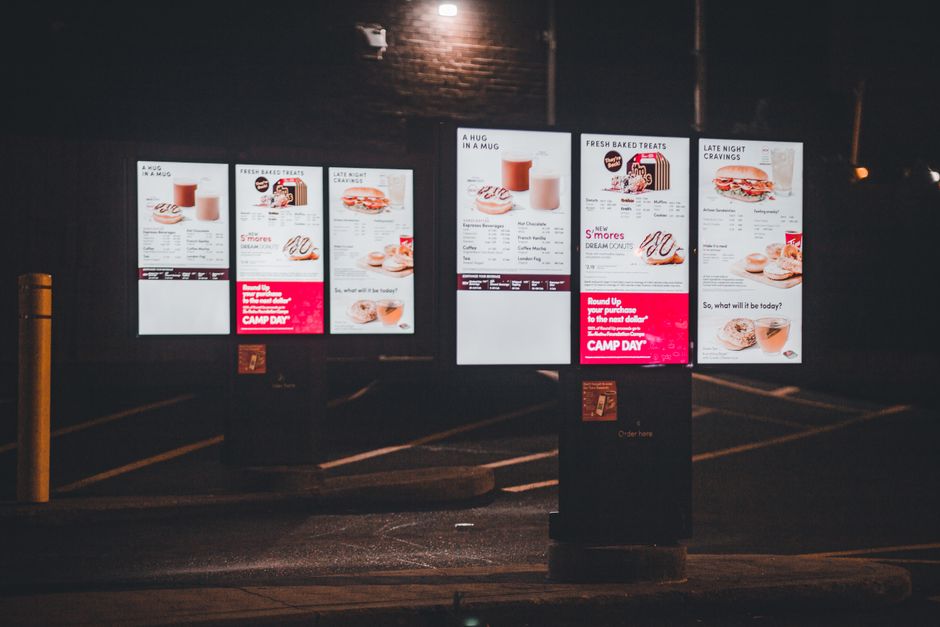
Getting franchise menu centralization right isn’t just about flipping a switch or installing some software. It comes down to a well-thought-out plan. You’ll need clear communication, solid training, and a phased rollout. That’s how new tech actually fits into your operations without a hitch. Stick to these best practices, and you’ll get a smooth transition and a much better return on your investment.
How should initial data migration be approached?
You’ve got to tackle initial data migration with serious care. Start by pulling together every single menu item, price, nutritional fact, and ingredient list you have. Get it all into one clean, standardized format. Then, run a pilot program with a few franchise locations. That’ll help you spot and fix any potential problems before you roll it out everywhere. And validating that data at every step? It’s absolutely essential to stop errors from spreading throughout the whole system.
What training is required for franchise partners?
Your franchise partners and their staff will need thorough, ongoing training. This isn’t a one-and-done deal. The training should cover everything about the new menu and price software, from simple daily updates to sorting out common issues. Make sure you offer easy-to-get resources, too: video tutorials, FAQs, and a dedicated support line. That helps everyone feel confident and capable. Good training just makes sure the system gets used to its full potential, and people don’t fight the change.
Future Outlook: The Evolution of Centralized Menu Systems
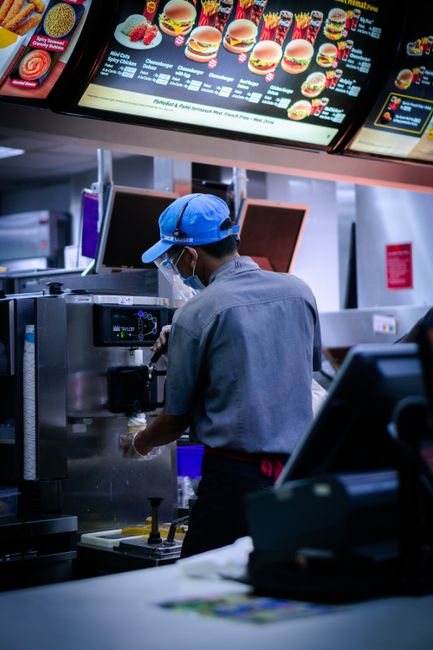
Franchise operations are always changing, and your centralized menu systems will change with them. Advanced technologies are going to make these systems even more powerful, truly essential for running complex multi-unit businesses. So, what’s coming in 2026 and beyond? Expect some serious leaps forward.
How will AI and analytics enhance menu management?
Artificial intelligence and advanced analytics are going to totally transform how you manage your menu. AI can chew through huge amounts of sales data, customer preferences, and seasonal trends. It’ll recommend the best menu items, suggest pricing strategies, and even tell you when to run promotions. Predictive analytics, on the other hand, will let franchises see demand coming. That means less food waste and perfectly optimized inventory. It’s a data-driven approach that will make your menu choices much smarter and more profitable across the whole network.
What about integration with other platforms by 2026?
By 2026, expect centralized menu systems to be even more tightly woven into all your other critical operational platforms. We’re talking POS systems, online ordering, loyalty programs, and supply chain software. This kind of deep integration will connect everything. You’ll get a complete picture of your operations, data will flow effortlessly, and processes will just run themselves. So, franchise menu centralization won’t just be important then; it’ll be fundamental to how you operate.

Frequently Asked Questions
What is centralized menu management for franchises?
It’s basically a software system that lets a franchise headquarters control and send out all menu items, prices, and promo info to every single location from one central spot. This keeps things consistent and makes updating operations super smooth.
Why is consistent pricing important for a franchise?
Consistent pricing helps customers trust you. It strengthens your brand’s value. And it avoids all that confusion or unhappiness when different locations charge different amounts for the same stuff. It’s truly key for keeping your brand strong and your customers loyal.
Can centralized menu software accommodate local specials or promotions?
Absolutely! Good centralized menu software is built to handle local specials or promotions, all within the rules you set. It lets headquarters manage the core offerings but still gives individual franchisees the wiggle room to adapt to local markets, often with a quick corporate approval process.
How does this software improve operational efficiency?
This software makes operations way more efficient by automating menu and pricing updates. No more manual data entry at each location! That cuts labor costs, dramatically reduces errors, and guarantees every unit works with the latest, most accurate info. It really frees up your staff to do other important things.
Is this type of software only for large franchises?
While big multi-unit operations absolutely need it, centralized menu and price configuration software helps smaller, growing franchises too. It sets up the right structure for scaling up. This means those operational efficiencies are baked in early, no matter how big you are right now.
What are the security benefits of using a centralized system?
A centralized system actually boosts security because you have one single point of control for all your menu and pricing data. This stops individual units from making unauthorized changes. Plus, it often includes strong access controls, audit trails, and data encryption. So, your critical business info stays safe from tampering or loss.