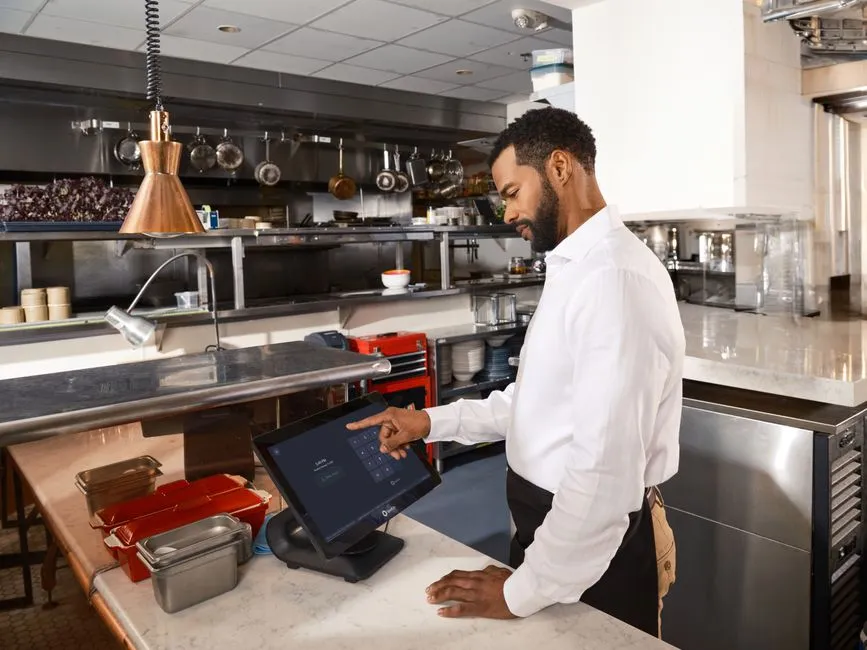
Quick answer: The impact of edge computing on point of sale (POS) systems significantly boosts their resilience. It does this by letting them process transactions and store data locally, keeping businesses running even when broadband completely fails. This technology helps retailers keep selling, manage their stock, and serve customers without interruption. It dramatically cuts down financial losses and reputational damage from network problems.
Key Takeaways
- Edge computing keeps POS systems working by handling transactions right there, without needing the cloud.
- It helps businesses avoid losing money and keeps customers happy during internet outages.
- Retailers also get better data security and faster operations.
- The tech helps with stock management and loyalty programs, even offline.
- Putting edge solutions in place gives businesses an edge in today’s digital retail world.
- Future POS systems will bake in advanced AI and machine learning right at the edge for even smarter features.
The impact of edge computing on point of sale (POS) resilience during broadband outages is a massive change for retail. It’s shifting things away from always relying on central cloud services, bringing data processing right to where it’s needed. This makes sure vital business operations just keep going.
Traditional POS systems, though? They usually need a constant internet connection for almost everything: processing sales, checking stock, grabbing customer info. So, a broadband outage can literally shut things down. We’re talking lost sales, seriously annoyed customers, and a lot of money down the drain.
But edge computing fixes this problem. It puts the computing power and data storage much closer to where the data actually starts – right there in the retail store. This kind of setup means POS systems can run completely on their own, even when the main internet connection completely dies.
What’s Edge Computing and Why Does it Matter for Retail?
Edge computing is basically a way of doing computing that puts processing power and data storage right where the data is created. Think of it as bringing the brain closer to the action, instead of sending everything off to a big central cloud or data center. For stores, that means crunching information right there at the local level, perhaps on a server in the back room or even a super-smart POS terminal.
This local processing really cuts down on latency. What’s latency? It’s that annoying little delay you get before data starts moving after you’ve told it to. In retail, less latency means transactions fly through faster, apps respond snappier, and customers generally have a much better experience.
And because it doesn’t need a constant cloud connection, edge computing fundamentally makes retail operations much tougher. It’s a strong shield against typical problems, like when your internet provider goes down or you have local network glitches.
How does edge computing let things work offline?
Edge computing makes offline work possible by copying all the essential data and applications right there in the store. So, when the broadband goes out, the POS system just smoothly switches over to using that local edge server for everything: processing payments, checking product info, handling stock. You name it.
That local data cache means sales don’t stop. And once the internet comes back online? The edge device automatically sends all the stored data up to the main cloud. So, everything stays consistent across all your stores, no matter what.
This synchronization process? It’s smart and efficient. It usually sends the most important transaction data first. That prevents data loss and makes sure your main systems – like enterprise resource planning (ERP) or customer relationship management (CRM) – get all the right, accurate updates.
What’s the Impact of Edge Computing on POS During Outages?
The main impact of edge computing during broadband outages is simple: your crucial POS operations just keep going. Retailers can process sales, take all sorts of payments, and manage stock in real-time, saving you from big financial hits that would otherwise happen.
Picture this: It’s a crazy busy Saturday afternoon in 2026, and your internet provider has a regional outage. Without edge computing, multiple stores in that area would stop all electronic sales. That means long lines, angry customers, and potentially thousands of dollars just gone.
But with an edge-enabled POS system? Those stores would keep humming along as if nothing had happened. Transactions get processed locally, and customer service stays great. That really shows what a difference this decentralized way of doing things makes.

Can you still process payments if the internet’s down?
Yep, you absolutely can, as long as your POS system has edge computing built in. The edge device stores all that transaction data securely and locally. It can even clear payments using pre-approved tokens or local processing rules.
For credit card transactions, many edge solutions handle payments in an “offline mode.” That means grabbing card details and transaction info right there. Then, the data waits in a queue, ready to be sent to the payment gateway for authorization the second the internet comes back.
Sure, there’s a small chance an offline payment might get declined later (say, if the card was actually invalid). But smart algorithms in modern edge systems work hard to minimize that risk. They might look at past customer data or set limits on transaction amounts to cut down on potential chargebacks.
How does edge computing help manage stock when the internet’s down?
Edge computing is a huge help for managing stock during an outage. It keeps a fresh, local copy of all your inventory data. So, staff can still accurately check stock, handle returns, and fill orders, even if they’re cut off from the main database.
Without edge capabilities, an outage would mean no live inventory info. You’d likely end up with wrong stock counts, miss sales, or even sell products you don’t have. But with the local edge server, staff always have the info they need to make smart calls.
And once the internet comes back? All those local inventory changes sync right up with the central system. This efficient, automated process keeps your company-wide inventory spot-on, stops errors, and gives you a clearer view of your supply chain.

The Broader Impact of Edge Computing: Security and Efficiency for Retail
Beyond just keeping things running, the impact of edge computing also really boosts data security and makes retail operations smoother. When you process sensitive transaction data closer to where it starts, you send less data over public networks. That means fewer chances for cyber-attacks.
This localized processing also means you don’t need to constantly push huge amounts of data to the cloud. So, your network resources work much smarter. Data gets filtered, combined, and made anonymous right at the edge before it even goes to the main cloud. That’s another big efficiency win.
Take a big retail chain with hundreds of stores, for instance. Edge computing can massively lighten the load on central servers and your network infrastructure. And that makes the whole system more flexible and quicker to respond, even as transactions and data demands grow.
Does edge computing make POS transactions safer?
Absolutely, edge computing really can make data much safer for POS transactions. When you process and store data locally, there’s just less area for cyber-attacks compared to systems that always send everything raw to a far-off cloud server.
Think about it: sensitive payment card information can be tokenized or encrypted right at the edge. So, only non-sensitive info or encrypted tokens travel across the broader network. This “security by proximity” method dramatically lowers the chance of someone intercepting data as it moves.
Plus, edge devices can even run local firewalls and intrusion detection systems. That adds another layer of protection against tricky cyber-attacks. And this layered security is absolutely vital for keeping customer financial data safe and staying compliant with regulations like PCI DSS in 2026 and beyond.
How does edge computing make retail run smoother?
Edge computing makes retail operations super efficient. It cuts down on delays, uses your bandwidth smarter, and lets you make decisions way faster. Processing data almost instantly right there in the store means you get immediate insights and can act fast.
For instance, imagine dynamic pricing changes or personalized recommendations. With edge, you can roll those out almost instantly, based on what customers are doing in your store right now. That kind of speed is absolutely vital in today’s cutthroat retail world; you just have to react quickly to market shifts.
And by taking routine jobs off the central cloud’s plate, edge computing frees up those central resources for bigger-picture analytics and strategic planning. This way of spreading out the work makes sure every bit of your retail system runs at its best.

The Future of POS: AI and Machine Learning, Right at the Edge
Edge computing will bring even more amazing things to POS systems. Baking Artificial Intelligence (AI) and Machine Learning (ML) right into edge devices will open up incredible new levels of smarts, personalization, and automation for retailers.
Picture a POS system that doesn’t just do sales, but also figures out what customers like right now, suggests other things they might want, or even spots possible fraud — all with AI algorithms running on the device itself. And these features can work without needing a constant connection to the cloud.
In 2027 and beyond, retailers will use edge AI more and more for things like automatically checking stock with computer vision, offering personalized deals when customers walk by, and even predicting when POS hardware might fail. That keeps everything running as much as possible.
How does edge AI make customers happier at the POS?
Edge AI is great for making the customer experience way better at the POS. It means super personalized interactions, quicker service, and smarter product recommendations – all with almost no delay.
For example, AI at the edge can look at a customer’s past purchases and what’s in their basket right now. Then, it can instantly suggest relevant upsells or cross-sells. This personalization feels natural for customers, and it can really boost how much they spend per visit.
And AI-powered self-checkout systems, using computer vision, can speed up checkout by automatically spotting items, cutting down on mistakes, and getting more customers through. That means shorter wait times and a much smoother shopping trip for everyone.

How will edge computing change omnichannel retail?
Edge computing will totally change omnichannel retail strategies. It’ll bridge that gap between shopping online and in physical stores. Customers will get a much more connected experience, no matter how or where they interact with your brand.
By bringing processing power right to the store, edge systems can make online order pickups faster, handle local returns smoothly, and give store staff one clear view of a customer’s interactions across every channel.
And that allows customer profiles, loyalty points, and past purchases to sync up instantly between online and physical stores. What you get is a truly integrated omnichannel experience. Every customer touchpoint is informed and consistent, building loyalty and driving sales.
Frequently Asked Questions
What’s POS resilience?
POS resilience is simply how well a point of sale system can keep working effectively, even when things go wrong. Think network outages, hardware breakdowns, or power flickers.
How often do businesses actually get hit by broadband outages?
Broadband outages hit businesses with different frequencies and for varying lengths of time. It often depends on where you are, how reliable your internet provider is, and your local infrastructure. Some businesses see several disruptions each year, especially in areas with older setups.
Can edge computing totally replace the cloud for retail?
No, not at all. Edge computing is meant to work alongside cloud services in retail. It handles the immediate, local processing. But the cloud still has its vital role for big data analysis, long-term storage, and managing applications across the whole company.
Is edge computing really expensive for small businesses to set up?
The cost for edge computing can vary a lot. But good news: solutions are getting more scalable and affordable. Smaller businesses can start with localized POS systems that have basic edge features, often as part of a bigger tech upgrade.
What are the big risks if you rely only on cloud-based POS?
If you rely only on cloud-based POS, the big risks include being totally vulnerable to internet outages, facing slower data speeds, security risks as data travels, and your whole operation grinding to a halt if the cloud servers become unreachable.
How does edge computing keep local and cloud data consistent?
Edge computing keeps data consistent through smart synchronization rules. It automatically uploads processed local data to the central cloud once the connection is back. It often uses clever ways to spot and fix any conflicts, so your data stays spot-on.