Quick answer: The importance of PCI-P2PE encryption standards lies in their ability to secure sensitive cardholder data at the point of interaction, protecting it from compromise by rendering it unreadable until it reaches a secure decryption environment. This robust encryption method significantly reduces the scope and cost of PCI DSS compliance for merchants, providing unparalleled data security and fostering consumer trust in payment systems in 2026 and beyond.
Key Takeaways
- PCI-P2PE (Point-to-Point Encryption) encrypts cardholder data immediately at the payment terminal, preventing data exposure.
- Adopting PCI-P2PE significantly reduces the scope of a merchant’s Payment Card Industry Data Security Standard (PCI DSS) compliance efforts.
- This encryption standard offers robust protection against various cyber threats, including skimming, malware, and network breaches.
- Validated PCI-P2PE solutions lead to substantial cost savings by streamlining audit processes and minimizing potential breach liabilities.
- Implementing PCI-P2PE fosters greater customer trust by ensuring their payment information remains secure.
- Businesses must select a P2PE-validated solution from an approved vendor to achieve the full benefits and compliance reduction.
What are PCI-P2PE Encryption Standards and Why Are They Crucial?
When it comes to securing payment data, you can’t really overstate the importance of PCI-P2PE encryption standards. PCI-P2PE, or Payment Card Industry Point-to-Point Encryption, is a security solution that encrypts cardholder data right from the moment it’s swiped, dipped, or tapped at a payment terminal. It stays encrypted until it reaches a secure decryption environment.
This process makes sure sensitive payment card information never sits unencrypted inside a merchant’s internal systems. By encrypting data at the earliest possible point and keeping it encrypted through transmission, P2PE dramatically cuts down the risk of data breaches. And this protection? It’s absolutely critical for businesses looking to safeguard customer information and keep up with compliance in 2026.
How Does P2PE Differ from Standard Encryption?
Standard encryption protects data, sure, but often only when it’s moving or sitting still. And here’s the thing: sometimes that data gets decrypted right inside a merchant’s network before it even hits the payment processor. But P2PE? It creates a secure “tunnel,” taking data straight from where you swipe, dip, or tap to the processor’s secure zone. That means the data never sees the light of day, unencrypted, inside your system. Not even in memory.
This “point-to-point” connection is why it’s so much more secure. It skips your infrastructure as a decryption spot entirely, which dramatically cuts down your PCI DSS scope. That’s a huge deal. It’s really become a foundation for how we secure payments today.
Exploring the Importance of PCI-P2PE Encryption Standards for Merchants
If you run a business taking card payments, you really need to get why the importance of PCI-P2PE encryption standards matters. It’s fundamental. The perks go way past just ticking compliance boxes. We’re talking operational efficiency, real money savings, and a solid brand reputation.
One huge upside? Your PCI DSS (Payment Card Industry Data Security Standard) scope shrinks a lot. Seriously. When you’re using a PCI-validated P2PE solution, fewer of your systems and networks even count for a PCI DSS audit. That simplifies compliance, makes it less of a headache, and definitely cuts costs.
But it’s not just about compliance. P2PE boosts data security big time, shielding cardholder data from complex cyber threats. It shrinks the places criminals can attack, making it incredibly tough for them to snag sensitive info. This kind of proactive security is essential now, especially with breaches getting more common and expensive. We’re talking about 2027 here, right?

What are the Key Components of a Validated P2PE Solution?
So, what makes a P2PE solution truly effective and PCI-validated? It’s a bunch of interconnected pieces, all working to secure cardholder data from start to finish. Think PCI-validated payment terminals — they’re the ones that encrypt the data right when it’s swiped. You’ll also need a solid key management system. That makes sure encryption and decryption keys stay safe and get rotated when they should.
And a P2PE Solution Provider (PSP)? They’re vital. This provider runs the whole P2PE setup, including the secure decryption zone. They often use Hardware Security Modules (HSMs) for all the crypto stuff. HSMs are basically physical computers that keep digital keys super safe for strong authentication and encryption.
Finally, a validated P2PE application handles the encrypted data. It makes sure decryption only happens in that secure environment the PSP controls. All these parts pull together to give you the strong security P2PE standards promise.
What Threats Do PCI-P2PE Standards Mitigate in 2026?
It’s 2026, and cyber threats just keep changing, don’t they? Attackers are always looking for weak spots in payment systems. But PCI-P2PE standards? They’re built to fight back against a lot of these threats. They give you a tough defense against different kinds of payment fraud and data theft.
Skimming is a big one P2PE deals with. That’s when someone uses devices to illegally snatch card data right from your terminals. Since P2PE encrypts data the second it’s entered, even if a skimmer grabs it, the data’s encrypted and worthless. P2PE also protects you against malware. Malware can sneak into your network to steal card data as it moves through. With P2PE, that data stays encrypted inside your system, making those malware attacks pretty useless against cardholder data.
Insider threats and network breaches? Those get cut down a lot too. Let’s say someone unauthorized gets into your internal systems. All they’ll find is encrypted, unreadable card data. So, this complete protection really highlights the huge value and the importance of PCI-P2PE encryption standards in today’s tricky security world.
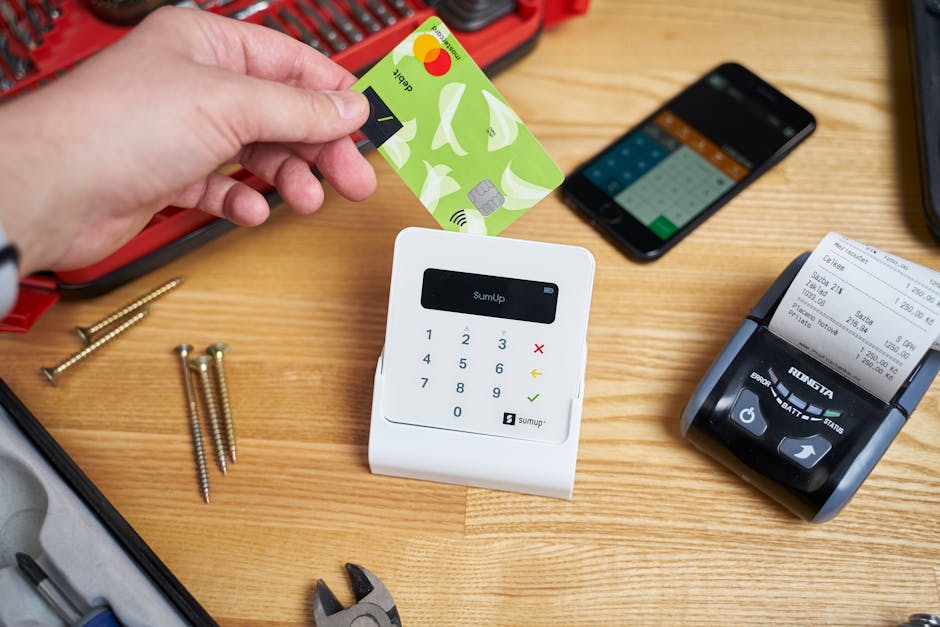
How Does P2PE Address Card-Present Fraud?
Card-present fraud, where a physical card is used, is still a headache even with EMV (Europay, MasterCard, and Visa) chip cards. EMV tech verifies the card and the cardholder, which is great. But P2PE? It specifically guards the cardholder data itself, right from the moment your terminal reads it.
Combine EMV chip technology with P2PE, and you’ve got a super strong, layered security approach. EMV confirms the card is real, stopping fakes. P2PE makes sure your account number and other sensitive info are encrypted immediately. This stops data theft even if the terminal itself gets compromised. This double-layer protection makes it incredibly hard for criminals to mess with card-present transactions. It’s a powerful defense for merchants.
Implementing PCI-P2PE: Best Practices for Businesses
To really make PCI-P2PE work, you need careful planning and to stick to some best practices. That’s how you get the most out of its security and compliance perks. So, your absolute first step? Pick a PCI-validated P2PE solution from an approved vendor. The PCI Security Standards Council keeps a list of these, so you know they meet tough security rules.
You’ve also got to make sure your staff gets proper training on how to use P2PE terminals and follow secure procedures. That means physical security for the terminals, stopping tampering, and understanding who’s responsible for the devices at each step. Regular audits and reviews of your P2PE solution and its processes are crucial too. They confirm you’re still compliant and the security’s still working.
And don’t forget staying current with the latest security warnings and vendor advice. That’s just as important. Cyber threats change all the time, so P2PE providers are constantly updating their systems. You, as a merchant, need to get those updates in place fast to keep your payment terminals as safe as possible.

What are the Challenges in Adopting P2PE?
Sure, P2PE’s benefits are clear. But businesses might hit a few snags when they adopt it. For one, there’s the initial cost. Implementing a new P2PE-validated system could mean replacing your old terminals and hooking up with a new provider. That’s a big upfront investment for some companies, especially smaller and medium-sized ones.
Another snag? Integrating a new solution with your current point-of-sale (POS) systems and business processes can get complex. You’ll often need technical know-how and careful planning to make the switch smoothly, without messing up your day-to-day. And picking the right vendor is huge. Get that wrong, and you could end up with compatibility headaches or lousy support. Still, despite these challenges, the long-term gains – better security, easier compliance, less risk – usually make the initial tough spots worth it. That really drives home the importance of PCI-P2PE encryption standards for businesses looking to adopt.
The Future Landscape of Payment Security with P2PE
Looking toward 2027 and beyond, P2PE’s role in payment security is only going to get bigger. Payment tech just keeps moving forward – contactless, mobile wallets, even IoT transactions. So, we need security that can keep up. P2PE is perfectly set up to secure these new payment methods. Why? Because it encrypts data right at the point of interaction, no matter what tech you’re using.
Expect more businesses to adopt it, as they see the real benefits: smaller PCI DSS scope, better breach protection. Regulators and industry groups will probably keep pushing for strong encryption like this, driving its use across all sorts of businesses. The main goal will stay the same: protect the data where it’s most exposed – during the transaction itself. That’s what makes the importance of PCI-P2PE encryption standards so critical for future payment systems.

How Will P2PE Evolve with New Payment Technologies?
P2PE’s basic idea – encrypting data right when you interact with it – is super adaptable to new payment tech. Take contactless payments (like NFC taps) or mobile wallets. The “point of interaction” isn’t just a card swipe anymore; it moves to the secure part of your phone or the NFC reader itself. But P2PE solutions are built to hook right into these new readers and secure elements. They make sure the data’s encrypted before it even leaves the device.
And as IoT (Internet of Things) devices get woven into our payment world, P2PE will stretch to secure transactions coming from smart appliances, cars, and other connected gadgets. We’ll likely see P2PE-compliant encryption modules built right into these devices or their gateways, keeping that same end-to-end security going. This flexibility means P2PE stays a strong, relevant tool for securing all the different ways we’ll pay in the future.
Frequently Asked Questions
Is P2PE mandatory for all merchants?
No, P2PE is not mandatory for all merchants under PCI DSS. However, implementing a PCI-validated P2PE solution significantly reduces the scope of PCI DSS compliance requirements, making it highly advantageous for many businesses.
Can P2PE prevent all data breaches?
While P2PE provides robust protection for cardholder data at the point of interaction and during transmission, it cannot prevent all types of data breaches. It specifically protects payment card data, but breaches related to other sensitive information (e.g., personal identifiable information) or other system vulnerabilities would still need other security measures.
How often should P2PE solutions be reviewed?
PCI DSS guidelines recommend that all security processes, including P2PE solutions, be reviewed annually as part of the overall compliance validation. Additionally, businesses should conduct reviews after any significant changes to their payment environment or in response to new security threats.
What is a P2PE Solution Provider?
A P2PE Solution Provider (PSP) is an entity responsible for managing the entire P2PE solution, including providing validated terminals, secure key management, and a secure decryption environment. Merchants typically engage a PSP to implement and maintain their P2PE system.
Does P2PE cover online transactions?
No, P2PE is specifically designed for card-present transactions where a physical payment card is used at a terminal. Online transactions (card-not-present) utilize different encryption and security protocols, such as tokenization and SSL/TLS, which protect data during e-commerce purchases.
What is the primary benefit of P2PE for small businesses?
For small businesses, the primary benefit of P2PE is the drastic reduction in PCI DSS compliance burden and cost. It simplifies the security requirements, freeing up resources and allowing them to focus on their core operations while ensuring a high level of payment data protection.