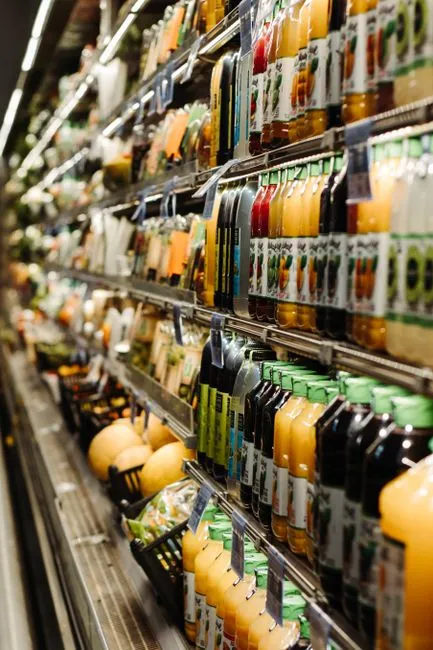
Quick answer: Food manufacturers need traceability software to gain real-time visibility into their supply chains, ensure product safety, comply with evolving regulations, and mitigate risks. This technology tracks ingredients and products from their origin to the consumer, safeguarding brands and consumer health in an increasingly complex global market.
Key Takeaways
- Traceability software gives you full visibility across the entire food supply chain.
- New regulations like FSMA 204 mean manufacturers absolutely must adopt this by 2026.
- Better food safety and quality control directly cut down on recalls and build consumer trust.
- Operations get way more efficient, meaning less waste and smarter inventory management.
- Traceability systems give you data-driven insights for better decisions and greener practices.
- A clear, verifiable product journey protects your brand and makes consumers feel confident.
Food manufacturers need traceability software more than ever. Our global supply chains are just too tangled now. This tech offers incredible transparency, tracking every ingredient and product from its starting point, through all the processing, and right to the shopper. Try managing quality, staying compliant, or even responding to a crisis without it? Good luck. It’s an impossible challenge for any food business today.
Modern food production is complex. Raw materials might come from across continents, and distribution networks can be a maze. There are so many points where something can go wrong: contamination, mislabeling, or quality issues. Traceability software? It’s like a digital ledger, giving you an unchangeable record of every product’s journey.
Why Food Manufacturers Need Traceability Software for Regulatory Compliance in 2026 and Beyond
Keeping up with strict food safety rules is a huge deal for food and beverage manufacturers. By 2026, the industry faces even tougher mandates, especially with regulations like FSMA 204 in the United States fully kicking in. Traceability software isn’t just a nice-to-have anymore; it’s the foundation of regulatory adherence.
These rules demand meticulous records. You have to detail exactly where specific foods have been throughout their supply chains. And you need to quickly identify and trace products, ingredients, or even particular lots. Manual systems are just too slow and prone to mistakes for these accelerated demands. That puts businesses at serious legal and financial risk. So yeah, food manufacturers need traceability software to stay out of trouble.
How Traceability Software Helps with FSMA 204 Compliance
Traceability software automates collecting and managing the Key Data Elements (KDEs) and Critical Tracking Events (CTEs) that FSMA 204 demands. It builds a digital, standardized, and interconnected system for record-keeping. That automation slashes the human error you often see with paper records or a bunch of disconnected spreadsheets.
And when auditors or investigators come calling, the software pulls up data instantly. Authorities can ask for specific traceability info, and manufacturers can provide it almost immediately. That shows you’re on top of things. This efficiency saves countless hours and helps you avoid potential fines or even shutdowns. Getting a comprehensive system in place by 2026 puts manufacturers in a good spot for any regulatory review.
Enhancing Food Safety and Quality Control with Digital Traceability
For most manufacturers, the biggest priority is simply making sure their products are safe and high quality. Contaminated or poor-quality products can cause total havoc: sick consumers, huge recalls, and brand reputation ruined forever. Traceability software gives you the tools to manage these risks proactively.
By tracing ingredients right back to their origin, you can pinpoint where a problem started with incredible accuracy. This means targeted recalls, which minimizes waste and disruption. You don’t have to do those expensive, broad, blanket recalls. It also lets you put quality checks in place at every step, catching potential issues before they become widespread.

Cutting Recall Impact and Protecting Consumers
When there’s a food safety incident, you need speed and accuracy. Traceability software drastically cuts down the time it takes to find affected products and launch a recall. Instead of days or weeks, it can happen in hours. That directly protects consumer health.
The system gives you a clear audit trail. You can see exactly which batches were made with which ingredients and where those batches went. This detailed visibility means you don’t have to pull unaffected products off shelves unnecessarily. These targeted responses don’t just save money; they build public trust. It shows you’re serious about safety.
Why Food Manufacturers Need Traceability Software to Boost Operational Efficiency and Reduce Waste
Traceability software isn’t just about compliance and safety. It helps food manufacturers find huge operational efficiencies. The insights you get from tracking products and ingredients can completely change how you manage inventory, optimize production, and cut down on costly waste across your entire supply chain.
Real-time data on stock levels, ingredient shelf lives, and product movement means more accurate forecasting and purchasing. This precision avoids overstocking or running out, making sure ingredients get used before they expire and finished goods meet demand without excessive storage costs. This kind of optimization directly boosts your bottom line.
Optimizing Inventory and Production Flows
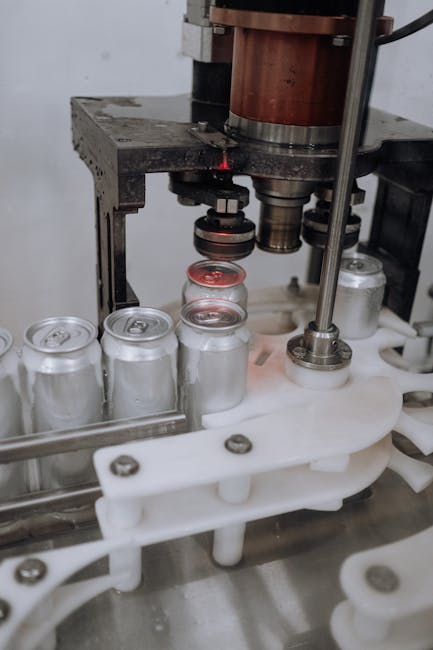
With traceability software, every raw material, work-in-progress item, and finished product gets a unique identifier. This means you can track inventory precisely, knowing exactly what’s available, where it is, and its current status. Production scheduling gets much smoother because you can instantly verify material availability.
And by digging into production data, manufacturers can spot bottlenecks or inefficiencies. Say a certain batch consistently has quality problems. The software can help trace it back to a specific machine, an operator, or even an ingredient lot. That actionable insight helps you continuously improve and reduce operational waste.
Strengthening Brand Reputation and Consumer Trust
Consumers are savvier than ever these days, and transparency is incredibly valuable. They increasingly want to know where their food comes from, how it’s made, and its journey to their dinner plate. Food manufacturers need traceability software to meet this demand and earn unwavering consumer trust.
A brand that can openly share its product’s story, backed by solid data, really stands out in a crowded market. This transparency fosters loyalty and helps your business beat out competitors. It shows you care about ethical sourcing, quality, and responsible manufacturing practices – things that truly resonate with today’s consumers.
Building Consumer Confidence Through Transparency
Traceability software lets manufacturers give consumers really detailed product information. This might include the farm of origin, processing steps, certifications, or even environmental impact data. Think QR codes on packaging that link right to a traceability platform, giving shoppers a direct look at all this info.
This level of transparency goes way beyond just marketing; it builds a genuine connection with the consumer. And if there’s ever a crisis, a strong traceability system provides the data you need to quickly reassure the public and restore confidence, showing integrity and accountability. This proactive approach significantly strengthens your brand equity.

Driving Sustainability and Ethical Sourcing Initiatives
Sustainability isn’t a niche concern anymore; it’s something everyone expects from businesses. Food manufacturers need traceability software to accurately track and prove their sustainable and ethical sourcing claims. It gives you the data required to show you’re meeting various certifications and standards.
Whether it’s tracking fair trade practices or making sure cultivation methods are environmentally sound, traceability systems offer the verifiable proof you need. This doesn’t just help with corporate social responsibility; it also appeals to the growing number of consumers who prioritize sustainable choices. It turns claims into verifiable facts.
Verifying Ethical Supply Chains
Traceability software can track your entire supply chain, including suppliers’ labor practices and environmental impact. This means manufacturers can verify that their ingredients aren’t coming from places with unethical labor or unsustainable farming. Data points can include certifications, audit results, and even satellite imagery in some advanced systems.
This kind of comprehensive oversight is essential for avoiding reputational damage linked to poor supply chain practices. It lets manufacturers make smart choices about their partners, aligning their operations with their values and what consumers expect. That level of diligence solidifies a brand’s commitment to ethical conduct.
Future-Proofing Operations in a Dynamic Market
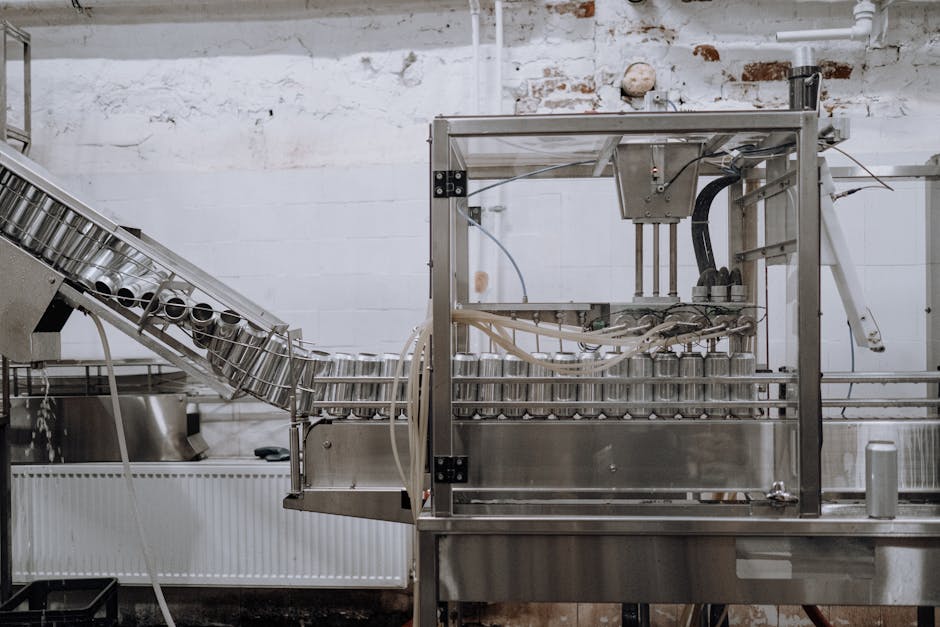
The food and beverage industry never stops changing. New technologies, shifting consumer preferences, and emerging global challenges keep pushing it forward. Food manufacturers need traceability software to stay agile and resilient in this constantly moving environment. It gives you a flexible framework to adapt to future demands.
Say you’re integrating with new IoT devices on the factory floor, using AI for predictive analytics, or responding to unexpected disruptions. A robust traceability system acts as your digital backbone. It ensures businesses are ready for today’s challenges and well-equipped for those coming in 2027 and beyond.
Adapting to Emerging Technologies and Trends
Traceability software platforms are built to connect with other cutting-edge technologies like blockchain, AI, and advanced analytics. This interconnectivity means manufacturers can pull even deeper insights from their supply chain data. For example, AI can predict potential quality issues based on historical traceability data, letting you act preventatively.
And it’s much easier to quickly onboard new suppliers or adjust to changes in product formulas. The digital nature of traceability means less manual data entry and faster adaptation. This inherent flexibility is absolutely vital for innovation and staying competitive in a rapidly changing market.
Frequently Asked Questions
What exactly is traceability software for food manufacturing?
Traceability software for food manufacturing is a digital system that tracks and records the entire journey of food products and their ingredients, from farm or origin to the consumer’s table, providing full visibility and data at every stage.
How does traceability software help with food recalls?
Traceability software significantly helps with recalls by rapidly identifying the exact affected product batches, their ingredients, and their distribution path, enabling targeted and efficient removal from the market rather than costly blanket recalls.
Is traceability software a regulatory requirement for food manufacturers?
Yes, increasingly it is. Regulations like FSMA 204 in the U.S. explicitly require enhanced traceability capabilities for certain foods, making such software a practical necessity for compliance by 2026.
Can traceability software improve my company’s profitability?
Absolutely. By optimizing inventory, reducing waste, streamlining production, preventing costly recalls, and improving supply chain efficiency, traceability software can lead to substantial cost savings and increased profitability.
How long does it take to implement traceability software?
Implementation timelines vary based on the complexity of the operation and the chosen solution, but typically range from a few months for smaller setups to a year or more for large, multi-site enterprises, including data migration and staff training.