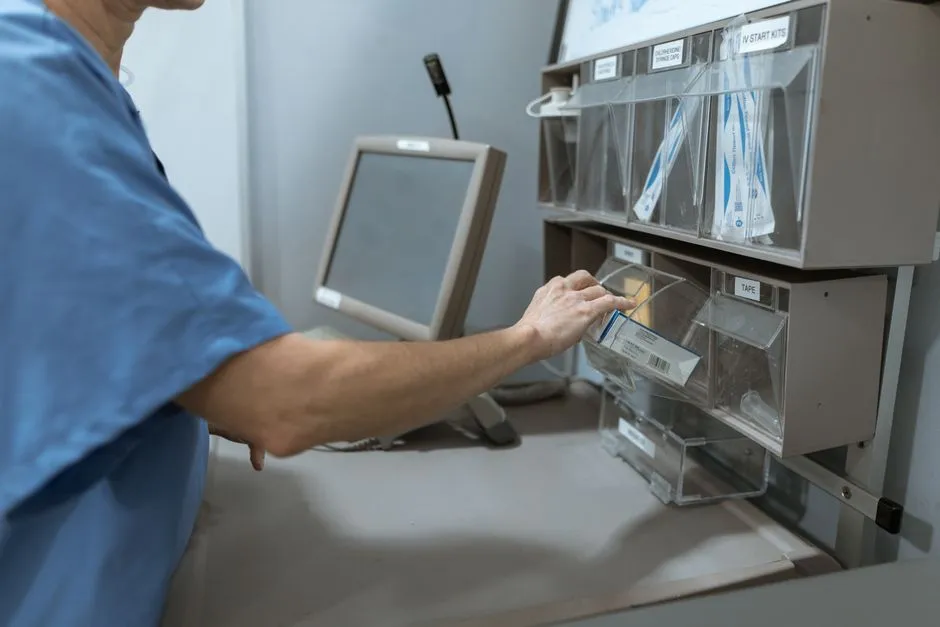
Quick answer: Effectively managing consumable inventory is critical for hospital operational efficiency and patient care, and barcode tracking provides a robust solution by automating stock control, reducing errors, and offering real-time visibility into medical supplies. This system ensures that necessary items are always available while minimizing waste and associated costs, significantly improving supply chain integrity by 2026.
Key Takeaways
- Barcode tracking automates the entire lifecycle of consumable supplies from receipt to dispensation.
- Real-time inventory data prevents stockouts, reduces overstocking, and minimizes product expiration.
- Implementation involves integrating scanning hardware, specialized software, and unique product identifiers.
- Staff training and change management are crucial for successful adoption and sustained benefits.
- Advanced strategies like perpetual inventory and predictive analytics further optimize supply chain performance.
- Hospitals gain significant financial savings, enhanced patient safety, and strategic insights from streamlined inventory.
Why is Managing Consumable Inventory in Hospitals So Challenging?
Managing consumable inventory in hospital supply rooms? That’s a serious logistical headache. Hospitals deal with thousands of unique items. We’re talking everything from basic bandages and syringes to specialized surgical tools and even medications.
Each item has its own shelf life, storage rules, and totally unpredictable demand. So, trying to manage all that with old-school inventory methods? It’s just inefficient and ripe for mistakes.
What’s so bad about traditional inventory methods?
Traditional, manual tracking mostly leans on paper records and looking at things by eye. But that way? It’s slow, eats up a ton of staff time, and just begs for human error.
You get wrong stock counts, stuff goes missing, and you’re late spotting products about to expire. All these things? They put patients at risk and mess with the hospital’s finances.
How do stockouts and overstocking impact patient care and costs?
Running out of crucial supplies can directly harm patients. Procedures get delayed, or hospitals have to make expensive emergency buys. And on the flip side, overstocking? That locks up a ton of money in stuff that might just expire before anyone uses it.
Either way, you’re looking at big financial hits and operations that just don’t run smoothly. It all chips away at a hospital’s ability to give patients the timely, top-notch care they deserve.
How Does Barcode Tracking Revolutionize Consumable Inventory Management?
Barcode tracking systems totally change how hospitals handle their medical supplies. They use tech to give you a precise, automated, real-time look at every single item moving in or out.
This digital upgrade gets rid of most of the manual work and mistakes tied to older methods. It gives hospitals amazing control and visibility over their supply chain.
What is barcode tracking in a hospital setting?
So, with barcode tracking, you slap a unique barcode on every single consumable item or batch. When that item comes in, moves, or gets used, you scan its barcode. Instantly, its status updates in a central database.
This way, every product gets a digital footprint. You get an accurate, minute-by-minute record of where it is and how much you have.
What are the immediate benefits of implementing barcode systems?
Right away, you’ll see way better accuracy in inventory counts. Staff spend less time on manual stock checks, and you’ve got a tighter grip on expiration dates. Hospitals can also quickly spot slow-moving or critical items, which helps them make smarter purchasing decisions.
That kind of precision directly boosts patient safety. It makes sure only valid, unexpired products ever reach patients.
What Are the Core Components of an Effective Barcode Tracking System?
An effective barcode tracking system isn’t just a bunch of scanners. Nope, it’s an integrated solution, built for precision. It pulls together tough hardware, smart software, and standardized identifiers to create one smooth inventory workflow.
Each piece of this system plays a key part. They all work together to make sure data is accurate and operations run smoothly across the hospital’s supply chain.
How do scanning hardware and software integrate?
Scanning hardware—think handheld scanners or fixed readers—grabs barcode data at different points: when stuff comes in, when it’s stored, and when it’s given out. Then, this data shoots over to specialized inventory management software.
This software? It’s the central brain. It processes, stores, and crunches all that inventory info. Often, it’ll hook right into the hospital’s existing information systems (HIS) or enterprise resource planning (ERP) systems.
What role do unique identifiers play in inventory accuracy?
Unique identifiers are totally essential. We’re talking UPC, EAN, or GS1 barcodes here. These codes pack in all the crucial product details: manufacturer, item description, quantity, lot number, and expiration date.
Standardized identifiers mean everything’s consistent, no matter the supplier or product. That drastically cuts down on mistakes and lets you track things automatically, even from a global view.

How Can Hospitals Implement Barcode Tracking for Optimal Consumable Inventory?
Bringing in a barcode tracking system means you’ve got to plan it out and execute it carefully if you want to get the most out of it. It’s a big strategic move, affecting tons of departments and workflows across the hospital.
But with a structured approach, you’ll get a smooth transition and a quick return on investment for managing consumable inventory.
What are the steps for initial setup and data migration?
First, you’ll need to do a thorough audit of your current inventory. That sets a baseline and shows you every item that needs a barcode. After that, you’ve got to precisely enter all your master data—product descriptions, vendors, prices, storage spots—into the new system.
This data migration part? It’s absolutely critical. You’ll often run temporary dual systems during this time, just to make sure supplies keep flowing without a hitch before you make the full switch.
How can staff training ensure successful adoption?
Everyone who touches inventory needs solid training—from the folks in receiving to nurses and surgical techs. It’s absolutely key. That training should cover how to use the scanners, read the data, and follow all the new workflow steps.
Ongoing support and refresher training are important, too. They keep everyone consistently sticking to the new system, building a culture of accuracy and efficiency across the entire hospital.

What Advanced Strategies Enhance Consumable Inventory Management with Barcodes?
Barcode systems do way more than just basic tracking. They open the door to some pretty advanced inventory management strategies. These clever techniques use all that detailed data you collect to really fine-tune operations, cut costs, and get better results for patients.
Hospitals that adopt these strategies? They’ll be at the very top for supply chain excellence in 2026 and well beyond.
How does perpetual inventory management improve visibility?
Perpetual inventory management—which barcode scanning makes possible—gives you continuous, real-time updates on stock levels. Every time an item moves, whether it’s received, transferred, or used, it’s instantly recorded. So, you always have an accurate count.
That means no more disruptive, periodic physical counts. Hospitals always know exactly what they’ve got and where it is, which makes decisions faster and more accurate.
Can predictive analytics optimize ordering and reduce waste?
Yes, definitely! All that data from barcode tracking feeds right into predictive analytics tools. These tools crunch historical consumption patterns, seasonal changes, and upcoming procedure schedules. They can then forecast future demand with impressive accuracy.
When hospitals can anticipate what they’ll need, they optimize order quantities, cut down on expensive rush orders, and dramatically reduce waste from expired products. So, inventory truly aligns with actual patient demand.
What is the role of automated reorder points and par levels?
Automated reorder points and par levels? They’re super important for keeping stock at optimal levels. A par level, for instance, sets the ideal amount of an item you should have on hand at any moment.
When stock dips below that pre-set reorder point, the system automatically sends a replenishment alert or even generates a purchase order. This ensures supplies get restocked before you run out, but without ever overstocking.

What Are the Long-Term Benefits of Streamlined Consumable Inventory?
Moving to a barcode system for managing consumable inventory? It brings lasting advantages that go way beyond just the supply room. These benefits help build a healthcare organization that’s tougher, more cost-effective, and truly focused on patients.
You’ll see long-term gains across finance, operations, and clinical care. It really solidifies the hospital’s strategic position for whatever the future holds.
How does improved inventory control impact patient safety?
Better inventory control directly makes patients safer. It means the right product is always there, right when it’s needed. Plus, it stops anyone from using expired or recalled items, thanks to automated alerts and rock-solid traceability.
And, accurate inventory means clinicians aren’t wasting time hunting for supplies. They get to spend more time actually caring for patients, which cuts down on delays and bumps up the overall quality of treatment.
What financial advantages can hospitals expect?
Hospitals can absolutely count on big financial upsides. You’ll see less waste from expired products, lower costs for holding too much inventory, and smarter purchasing because of all those data-driven insights. That all adds up to serious savings.
Cutting back on emergency orders and avoiding stockouts also slices away at hidden costs that come with a clunky supply chain. That frees up capital for other really important hospital projects.
How does enhanced data provide strategic insights for future planning?
The rich data that barcode tracking systems gather? It gives you priceless strategic insights. Administrators can dig into consumption trends, how well vendors are performing, and cost differences over time.
This information helps them make smart decisions for contract negotiations, big equipment investments, and long-term supply chain planning. So, the hospital stays nimble and can quickly respond to whatever healthcare needs come next.

Frequently Asked Questions
How long does it take to implement a barcode tracking system?
How long does it take? Well, that depends a lot on the hospital’s size and how complex the system is. But usually, for a full rollout in a mid-sized facility—including setup, data transfer, and full staff training—you’re looking at somewhere between 6 to 18 months.
Is RFID a better option than barcodes for consumable inventory?
RFID certainly has its perks, like faster scanning and not needing a direct line of sight. But barcodes? They’re usually more affordable and totally good enough for most consumable inventory tracking. RFID’s higher cost and complexity generally get saved for really high-value items or very specific situations.
What is a “par level” in hospital inventory?
A “par level” is just the target amount of a specific item you want to keep in a certain storage spot—like a supply room or a cart. It’s the perfect quantity you need to have on hand until your next restock.
How can small hospitals afford barcode tracking technology?
Small hospitals can totally get in on this. They can start with scalable, cloud-based inventory systems that usually come with lower upfront costs and subscription plans. And focusing just on critical, high-value, or high-volume supplies at first can also bring big returns.
What is the biggest challenge in managing consumable inventory?
The biggest challenge in managing consumable inventory? It’s usually that balancing act: making sure you never run out, but also keeping holding costs low and avoiding waste from expired items. That needs really precise demand forecasting and real-time visibility. Good news is, barcode tracking handles exactly that.
Can barcode tracking integrate with Electronic Health Records (EHR)?
Yes, absolutely! Lots of modern barcode tracking systems are actually built to integrate with EHRs. This means they can automatically capture charges for supplies used during patient care, giving you a full picture of patient costs and how resources are being used.