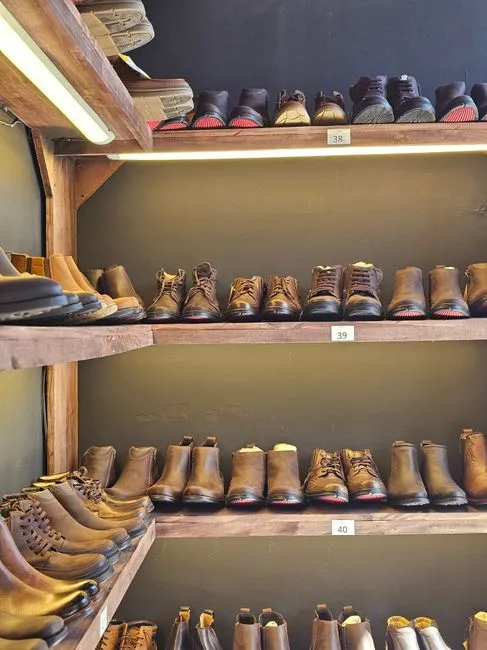
Quick answer: Effectively managing shelf capacity is critical for retail profitability, and retail vision software provides an advanced solution by using artificial intelligence and computer vision to monitor shelves in real-time. This technology ensures optimal product placement, reduces out-of-stocks, and significantly enhances planogram compliance, leading to improved sales and operational efficiency for retailers in 2026 and beyond.
Key Takeaways
- Retail vision software uses AI and computer vision for real-time shelf monitoring.
- It automates planogram compliance checks, saving significant labor time.
- Out-of-stock incidents are drastically reduced through proactive alerts and restocking prompts.
- Data analytics derived from shelf imagery provides actionable insights into consumer behavior and product performance.
- Implementing this technology leads to increased sales, improved customer satisfaction, and enhanced operational efficiency.
- The future of retail shelf management increasingly relies on intelligent automation to stay competitive in 2026 and subsequent years.
Look, successfully managing shelf capacity is absolutely vital for any efficient retail operation. It directly impacts your sales, customer satisfaction, and ultimately, your profits. But in 2026, those old manual shelf checks just aren’t cutting it. They can’t keep up with what shoppers want or with massive product inventories. That’s where retail vision software comes in. This tech brings amazing precision and automation to help you get product placement just right and stick to your planograms.
So, this software uses AI and computer vision to give you real-time visibility into your store shelves. You can stop just reacting to problems and start getting ahead of them. It spots issues like misplaced items, empty spots, or wrong prices long before a customer even notices. The outcome? A much smarter retail space that sells more and runs smoother.
What Challenges Does Poor Shelf Capacity Management Create?
If you don’t manage your shelf space well, you’re just asking for trouble. Disorganized shelves, empty spots, or products in the wrong place all add up. Customers get frustrated because they can’t find what they want, and you miss out on sales. And that doesn’t just hit your bottom line; it makes your brand look unreliable, too.
Out-of-stocks are a huge problem. Shoppers will just go elsewhere – another brand, another store – if they can’t find what they want. You lose that sale right away, sure, but it also chips away at their loyalty over time. But then there’s overstocking. That wastes valuable space, hides products, and means stuff might get damaged or expire before anyone buys it.
And trying to keep planograms perfect by hand? That’s another big headache. Your store teams spend hours just walking up and down aisles, staring at shelves, trying to match them against complex diagrams. It eats up so much time, people make mistakes, and it pulls staff away from helping customers. So you’re paying more, but you’re still not even sure it’s right.
How Does Retail Vision Software Optimize Managing Shelf Capacity?
Retail vision software totally changes how stores handle their shelves. It automates everything and makes it smarter. This tech uses high-res cameras and AI to constantly watch your product displays. You get a level of detail and efficiency that just wasn’t possible before. For any retailer wanting perfect store layouts by 2026, this is it.
At its heart, it’s all about real-time data. Cameras in your store feed images or video directly to computer vision algorithms. These algorithms get to work, identifying each product, checking its placement, counting stock, and comparing it all against your planograms. It’s an instant feedback loop. Store managers get the info they need, right away, so they can fix things fast.
Ensuring Flawless Planogram Compliance
One of the best things this software does is make sure your planograms are spot-on, with incredible accuracy. A planogram, you know, is that visual map showing exactly where every product goes on the shelf. If things aren’t where they should be, it messes up how customers shop and can easily cut into your sales.
The software automatically spots misplaced products, wrong facings, or missing promotional displays. Then it sends alerts right to your store team. This automation means no more manual checks, which slashes labor costs and cuts down on mistakes. Staff can then just focus on making quick, precise fixes instead of doing endless audits. That ensures every product is exactly where it should be, boosting its visibility and making shoppers more likely to buy.

Proactive Out-of-Stock and Low-Stock Prevention
Out-of-stocks kill your revenue. Period. Retail vision software sends real-time alerts the moment a product runs low or totally disappears from the shelf. This means your team can restock immediately. We’re talking minimal stockout time and zero lost sales.
The system constantly watches inventory right there on the shelf. So it can link up with your existing inventory management systems. This integration means replenishment orders get triggered right away, or staff get sent to grab items from the backroom. Retailers will definitely see way fewer missed sales. And customers? They’ll be happier because, by 2026, those frustrating empty shelves will be a thing of the past.
Optimizing Shelf Space and Product Placement
It’s not just about compliance. Retail vision software also helps you get the most out of your valuable shelf space. By looking at sales data alongside how products are displayed, you can figure out which items sell best in particular spots or next to certain other products. This data-backed view means you can make much smarter merchandising decisions.
The software can point out slow-moving sections or products just sitting there, taking up prime shelf space but not really selling. And it’ll show you chances for cross-merchandising or better ways to group products, all based on how customers actually interact with them. This kind of precise shelf adjustment makes sure every single inch of your display space is making you the most money possible.

Using Data Analytics for Better Strategy
All that data pouring out of retail vision software? It’s a goldmine for retailers. It’s not just about fixing immediate problems; the collected data gives you a big picture of how your store is doing over time. This helps you make really smart choices about store layouts, what products to stock, and your promotions.
You can analyze trends: how visible products are, how customers interact with displays, and what works best with different planogram setups. This analysis helps you spot patterns, predict future demand, and tweak your merchandising strategies across all your stores. And those insights? They’re crucial for staying ahead and reacting fast to market shifts well into 2026 and beyond.
Implementing Retail Vision Software for Effective Managing Shelf Capacity
Dropping retail vision software into your existing store operations needs careful planning. There are usually a few big steps, from getting it set up initially to keeping it optimized over time. That way, you ensure everything goes smoothly and you get the most out of it.
Initial Setup and Calibration
First, you’ll install cameras in smart spots around your store – think high-traffic aisles and important product areas. These cameras send data to the retail vision software, and that’s when the initial calibration happens. This is where the AI models learn to recognize your specific products, their packaging, and your store’s unique shelf layouts.
This calibration is absolutely key for getting accurate detections and analysis. You’ll usually work with your vendor to make sure the system exactly matches product locations to your current planograms. The aim? To build a solid foundation for continuous monitoring and measuring performance. But it’s also about truly setting things up for effective managing shelf capacity.

Integration with Existing Systems
To get the most out of it, retail vision software needs to play nice with your other core retail systems. That means linking up with your inventory management (IMS), point-of-sale (POS), and enterprise resource planning (ERP) software. This kind of integration gives you a single, clear picture of product data, all the way from the backroom, to the shelf, and right through to the sale.
Say the vision system spots an out-of-stock. An alert can automatically go to your IMS to check the backroom or kick off a new order. This kind of connection makes workflows smoother, cuts down on manual tasks, and ensures data moves freely across every part of your operation. And that just boosts your overall efficiency, big time, by 2026.
Training and Workflow Adaptation
For this to really work, your store staff needs solid training. They’ve got to know how to read the alerts, pull up reports, and make the fixes the system tells them to. That could mean new ways of restocking, adjusting planograms, or even how they interact with customers.
The whole point is to give your staff technology that helps them do more, not just makes things harder. With clear guidelines and continuous support, you’ll actually see the software’s full benefits. That means smoother operations and staff freed up for more important things, like helping customers.

Continuous Monitoring and Optimization
Don’t think of retail vision software as a ‘set it and forget it’ deal. It needs constant watching and regular tweaks. Your product lines change, promotions rotate, store layouts shift – and the system needs updates and recalibration to match. The data you get from the software should guide these adjustments, helping you make things better and better.
You’ll want to regularly check performance metrics – like how often you’re out of stock, your planogram compliance scores, and how much sales have gone up. This helps you measure your ROI and pinpoint spots where you can improve even more. Sticking to this ongoing improvement makes sure your retail vision system stays a truly valuable tool for effectively managing shelf capacity far into the future, driving steady growth beyond 2026.
Quantifiable Benefits of Optimized Shelf Capacity Management
So, when you bring in retail vision software for managing shelf capacity, you’re going to see a lot of real, measurable benefits. These really hit your bottom line and how well your operations run. Plus, they offer a clear return on investment.
Retailers often report massive drops in out-of-stocks—we’re talking 30-50% sometimes. And that immediately means more sales. When products are always there and easy to see, stores grab sales they’d have lost before. This directly boosts how much money each square foot of your retail space brings in.
Labor efficiency gets a huge bump, too. Automating shelf audits and compliance checks can cut the time staff spend on those tasks by 70% or even more. So employees can shift their focus to more important work: helping customers, handling online orders, or even just keeping the store tidier. And that makes the whole operation more productive without adding more staff.
Better planogram compliance, thanks to precise real-time monitoring, creates a nicer, more consistent shopping environment. And that consistency often means happier customers and a stronger brand image. Plus, the data from the software helps you make smarter calls on inventory orders and promotions, cutting down on waste and making your working capital work harder.
Frequently Asked Questions
What is retail vision software?
Retail vision software uses artificial intelligence and computer vision technology to analyze images and video feeds from store shelves, providing real-time data on product availability, placement, and planogram compliance.
How does retail vision software help prevent out-of-stocks?
It continuously monitors shelf levels and identifies when products are running low or are out of stock, sending immediate alerts to store staff for prompt replenishment from the backroom or a new order.
Can this technology improve planogram compliance?
Absolutely, retail vision software excels at verifying planogram adherence by comparing current shelf conditions against predefined layouts, automatically flagging discrepancies and ensuring products are correctly positioned.
What kind of data analytics does retail vision software provide?
It offers insights into product visibility, customer engagement patterns, sales performance linked to shelf placement, and trends in out-of-stocks, enabling data-driven merchandising and operational decisions.
Is retail vision software difficult to integrate with existing retail systems?
Modern retail vision software solutions are designed for seamless integration with existing inventory management, POS, and ERP systems to provide a cohesive and efficient data ecosystem for retailers.
What is the typical ROI for investing in retail vision software?
Retailers typically see a significant return on investment through reduced lost sales from out-of-stocks, increased labor efficiency from automated auditing, and optimized shelf space leading to higher sales per square foot.