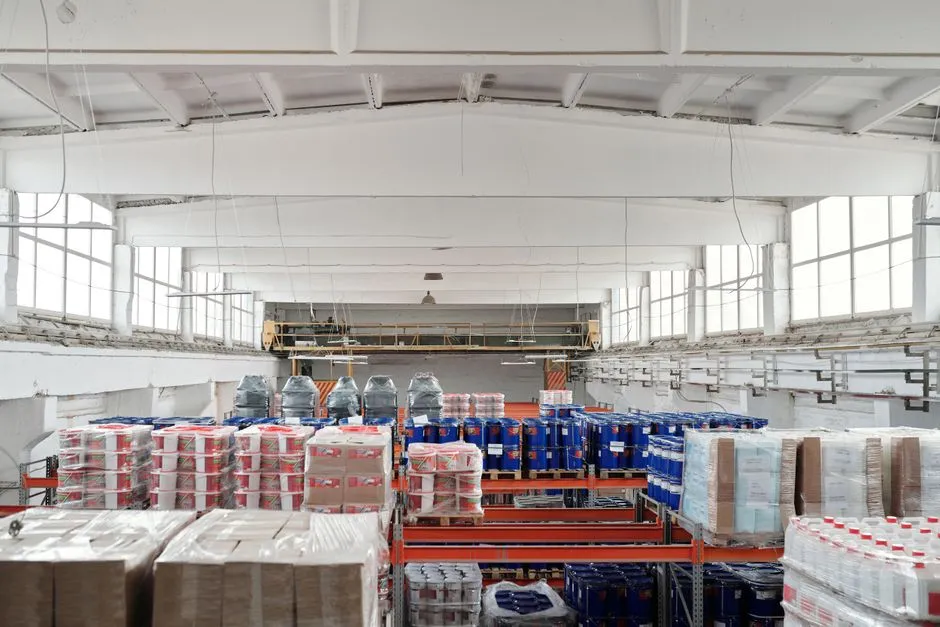
Quick answer: Real-time multi-warehouse stock transfers use smart inventory systems to move products between storage spots instantly, based on what customers are buying right now. This directly stops localized stockouts, making sure shelves are always full across all your stores. It’s a dynamic way to keep products available and makes customers a lot happier. Plus, it turns reactive logistics into truly proactive supply chain management.
Key Takeaways
- Real-time multi-warehouse stock transfers give you an instant look at inventory levels across your whole network.
- They let you move products around proactively, seriously cutting down on localized stockouts.
- Putting these systems in place really boosts your supply chain’s efficiency and how quickly you can adapt.
- Retailers can sell more and build stronger customer loyalty by always having products ready.
- Smart analytics and automation are absolutely vital for transfers to work well in real-time.
- For modern omnichannel retail, these systems are a must-have by 2026 and well into the future.
So, how do real-time multi-warehouse stock transfers actually change modern retail logistics? Well, they tackle one of the industry’s most nagging problems: localized stockouts. Retail these days is a fast-moving beast, and customers expect to find what they want, right away. That means being able to easily shift inventory between different storage spots as demand shifts is just critical.
A localized stockout happens when a particular item runs out at one specific store, even if you’ve got plenty sitting in another warehouse or store nearby. That’s a bad situation. It means lost sales, frustrated customers, and a ding to your brand’s reputation. But real-time multi-warehouse stock transfers offer a powerful fix. They make sure products are always exactly where they need to be, precisely when they’re needed.
What Are Real-Time Multi-Warehouse Stock Transfers?
Real-time multi-warehouse stock transfers are basically about moving inventory between various storage facilities, distribution centers, or even your different retail stores. And they do this automatically, or close to it, all based on the very latest data. We’re talking sales trends, expected demand, current stock levels, and even outside stuff like weather or local events. The big idea here? React right away to changing conditions, cutting down on any delays in getting products where they need to go.
Traditional stock movements, on the other hand, usually happen on a schedule. That can be slow, and often they just can’t keep up with what customers are actually buying. But real-time transfers? They’re dynamic. They use clever inventory management systems, often tied into your enterprise resource planning (ERP) and point-of-sale (POS) systems. This integration gives you a single, clear picture of your inventory across the entire supply chain. So decisions are smart, and things get done fast.
Let’s say, for instance, there’s a sudden burst in demand for a specific product at one store. If another nearby store or warehouse happens to have extra, the system can automatically trigger a transfer. This proactive approach means shelves stay full. Customers don’t walk away disappointed, seeing an “out of stock” sign, and you don’t lose that sale.
And it’s not just about speed. Real-time capabilities are all about accuracy and intelligence too. By always watching stock levels and how quickly things are selling, these systems can predict potential imbalances. They can start transfers even before a stockout becomes a real problem. This shift from just reacting to being truly proactive in how you manage inventory is a key part of doing well in retail today.

How Do Real-Time Multi-Warehouse Stock Transfers Work?
So, how does this all work? The mechanism behind real-time multi-warehouse stock transfers involves different tech and steps all tied together. Basically, it starts with a centralized inventory management system. Think of it as the one place for all stock data across your entire network – the single source of truth.
First off, continuous data feeds from your point-of-sale (POS) systems tell the system right away about product sales and returns. At the same time, data from warehouse management systems (WMS) tracks new deliveries, what’s been picked, and how much is currently sitting there. This constant flow of information builds a real-time, accurate picture of what’s available.
Next, smart analytics and machine learning software chew through all that data. These algorithms look for where stock isn’t quite right. They compare current stock levels against set limits, historical sales data, and what you expect demand to be. They can spot low stock at one location and a surplus at another, pointing out these mismatches so someone can act.
So, automation is vital here. Once an imbalance is spotted, the system can automatically generate transfer orders, talk to your logistics partners, and update stock records instantly. This cuts out human mistakes and really speeds up the transfer process. For instance, the system might suggest moving 50 units of a popular item from Warehouse A to Retail Store B. Why? Because Store B’s stock is critically low, and Warehouse A has plenty to spare.
And last but not least, tracking and visibility are kept up during the whole transfer process. GPS tracking for shipments, electronic proof of delivery, and continuous updates mean ops teams always know the exact location and status of transferred goods. This full visibility is huge for sorting out any issues and getting products there on time.
What Key Technologies Enable Real-Time Inventory Visibility?
Real-time inventory visibility is the absolute bedrock for good real-time multi-warehouse stock transfers. And getting that visibility needs a bunch of smart tech working together. These technologies give you the data and computing power you need to keep an accurate, up-to-the-minute view of stock levels across all your different spots.
Centralized Inventory Management Systems (IMS) are the base layer. These platforms pull data together from all your sales channels and warehouses into one single database. This stops data from getting stuck in separate places and gives you one clear picture of everything you have. Honestly, without a central IMS, understanding your true inventory position across multiple locations would be a nightmare.
Point-of-Sale (POS) systems with cloud connectivity log sales and returns instantly, sending that data straight to the IMS. This immediate update is super important for showing true demand and current stock levels at the retail front. Any delay in POS data transmission directly messes with how accurate your real-time inventory is.
Warehouse Management Systems (WMS) make warehouse jobs faster and smoother – everything from receiving and putting away goods, to picking, packing, and shipping them. WMS systems track every single movement of goods inside a warehouse, giving you exact stock numbers and where everything is. And when they link up with the main IMS, those warehouse updates show up everywhere in the company.
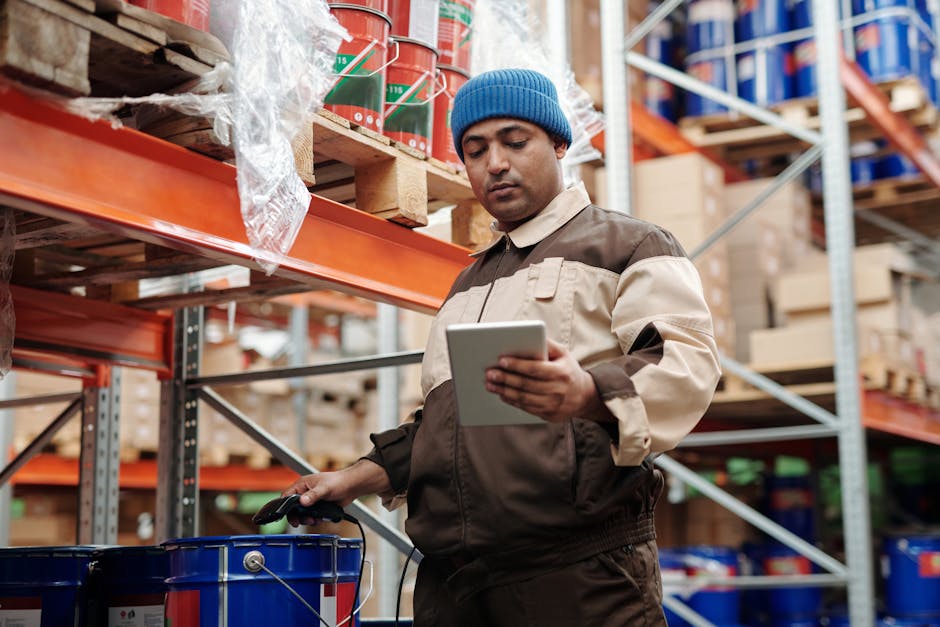
RFID (Radio-Frequency Identification) and barcode scanning technologies make tracking items much faster and more accurate. RFID tags, for example, let you scan huge batches of inventory quickly, slashing the time and effort needed for stock counts and transfers. Barcodes are a common, cheap way to identify items at every step of the supply chain.
Advanced Analytics and AI/Machine Learning engines look at tons of data collected by these systems. They spot trends, guess how demand might change, and flag if you’re running low or have too much stock. These smart insights turn raw numbers into clear suggestions for moving products.
And then there’s IoT (Internet of Things) devices and sensors. These can check things like temperature and humidity in warehouses or during transit, keeping products in good shape. They might not directly count stock, but they give you more real-time info that can actually change how you decide to transfer things, especially for perishable or sensitive goods.

Stopping Localized Stockouts with Real-Time Multi-Warehouse Stock Transfers
The biggest win from putting real-time multi-warehouse stock transfers in place is their unique power to stop localized stockouts. This capability really hits hard on a retailer’s profitability, how happy customers are, and how well they do in the market by 2026.
By keeping a dynamic, network-wide eye on inventory, businesses can spot and fix potential stock shortages at specific locations before they become a real problem. For instance, say a store in a booming urban area suddenly sees a spike in sales for a seasonal item. The system instantly flags low stock. Then it finds a nearby distribution center or another store with extra of that same item. The system just spits out an automated transfer order, sending that stock off in hours or days, not weeks.
This proactive replenishment slashes the chance of a customer walking into your store only to find the item they want isn’t there. That scenario, the “stockout,” often means lost sales, since customers will just go buy from someone else. It also hurts customer loyalty and makes you look unreliable. Real-time transfers turn that whole situation around. They make sure products are always available, making sure what you have perfectly matches what customers actually want, right now. This is especially critical for omnichannel retailers, where customers expect easy access to products whether they’re shopping online or in person.
And get this: stopping localized stockouts also means you won’t need expensive emergency shipments or have to slash prices on stuff that’s just sitting there. Products move efficiently, which cuts down on holding costs and gets inventory moving faster. This operational efficiency means more money in the bank for retailers.
Imagine a new marketing campaign suddenly drives tons of demand for a particular item in one region. Without real-time transfers, stores there would quickly run out, while other regions might have too much. But with real-time capabilities, you can swiftly reroute excess inventory from slower-selling regions or central warehouses to meet that surge. That way, you really make the most of that marketing spend and grab all those sales opportunities. This kind of smart, fast movement is a huge leg up on the competition.
It’s not just about today’s sales, though. Consistent product availability builds trust and brand loyalty. Customers appreciate retailers who reliably meet their needs, getting them to come back and tell their friends. In a competitive market, this reliable fulfillment can be a massive advantage, driving long-term growth and market share.

What Are the Business Benefits Beyond Stockout Prevention?
Sure, stopping localized stockouts is a huge plus. But the benefits of putting real-time multi-warehouse stock transfers in place go way beyond just keeping the shelves stocked. These systems really improve so many parts of supply chain management and retail operations, bringing big financial and operational wins for businesses in 2026.
Firstly, you get Optimized Inventory Levels across your entire network. By dynamically balancing stock, businesses can cut down on needing too much safety stock at each location. This lowers carrying costs – things like warehousing, insurance, and the risk of stuff becoming old news. Instead of holding buffer stock everywhere, inventory can be gathered and smartly sent out, meaning less cash tied up in inventory overall.
Secondly, Enhanced Supply Chain Efficiency actually happens. Real-time data and automated processes make the whole transfer workflow slicker, from start to finish. This means less manual work, fewer mistakes, and products moving faster. And more efficient transfers? That means less waste, cheaper transport (because you’re filling up trucks better), and orders getting out the door faster.
Thirdly, Improved Customer Satisfaction and Loyalty just happen. Products always being there means fewer lost sales and happier customers. Simple. When customers can reliably find what they want, when they want it, they trust your brand more, buy from you again, and spread good word-of-mouth. This directly boosts how much each customer is worth to you over time.
Fourthly, you get Better Capital Utilization. By cutting down on overall inventory levels and moving inventory faster, cash that was just sitting there in unsold stock gets freed up. This capital can then be put back into other growth plans, like developing new products, marketing, or upgrading technology, making your finances much more flexible.
Fifthly, Increased Sales and Revenue are a given when you have more products available. Every time you stop a stockout, that’s a sale you’ve actually made, directly lifting your revenue. Plus, being able to quickly react to demand spikes, as we talked about earlier, lets businesses jump on market chances quicker.
Lastly, Data-Driven Decision Making gets way better. The constant stream of real-time data gives you super valuable insights into what customers want, how well transfers are working, and where things are getting stuck. This rich data can guide future plans, help you buy smarter, even tweak store layouts – all leading to constant improvements across your entire business.
How to Implement Effective Real-Time Multi-Warehouse Stock Transfers
Putting effective real-time multi-warehouse stock transfers in place needs a smart plan that’s more than just buying new software. It involves careful planning, good integration, and a change in how people think about using data for inventory, especially as we head into 2026.
Step 1: Assess Current Inventory Infrastructure and Processes. Start by really digging into your existing warehouse layouts, how you track inventory, and your current stock transfer procedures. Figure out what’s hurting, where data gets stuck, and what you can automate. A good check-up will show you exactly what needs to be connected or boosted.
Step 2: Choose the Right Technology Stack. Pick an integrated inventory management system (IMS) that plays nice with your existing ERP, WMS, and POS systems. Find systems with solid analytics, machine learning to guess future demand, and ways to automatically create transfer orders. Cloud-based solutions usually give you more wiggle room and can grow with you.
Step 3: Establish Clear Data Governance and Standardization. Make sure all your inventory data — SKUs, where things are, how much you have — is spot-on and standardized across every system. Inconsistent data will kill how well your real-time transfers work. Set up clear rules for entering data, updating it, and fixing any mismatches.
Step 4: Configure Transfer Rules and Automation Triggers. Figure out when a stock transfer should happen. These rules could be things like how low stock can get at a store, how much is too much in a warehouse, how long transfers take, or even shipping costs. Then, automation kicks in and starts transfers once those conditions hit. For example, “if store A’s stock for product X falls below 10 units, transfer 50 units from warehouse B.”
Step 5: Integrate Logistics and Transportation Partners. Link up smoothly your IMS with your logistics providers for efficient scheduling, tracking, and actually doing transfers efficiently. Real-time updates from carriers on shipment status are super important to keep an eye on things. This might mean using EDI (Electronic Data Interchange) or API integrations.
Step 6: Train Your Team. Get everyone trained: warehouse staff, store managers, and supply chain personnel all need to know the new systems and processes. And knowing why you’re doing this new thing is just as important as knowing how to do it. They’ll need to learn the new ways of working, how to use the system, and what to do when things go wrong.
Step 7: Pilot, Monitor, and Optimize. Start small with a pilot program. Maybe try it in a few locations or for specific product categories first. Keep a close eye on how well transfers are working, tracking things like how often you run out of stock, how efficient transfers are, and if customers are happy. Then, use what you learn to tweak the rules, make routes better, and generally improve the whole system over time.
Frequently Asked Questions
What is a localized retail stockout?
A localized retail stockout means a specific product is gone from the shelves at one particular store, even if it’s available at your other stores or in warehouses within the same retail network.
How do real-time transfers differ from traditional inventory replenishment?
Real-time transfers are dynamic, driven by actual data, and often automated. They react immediately to shifts in demand. Traditional replenishment, though, usually relies on fixed schedules or periodic manual checks, which makes it slower and less responsive.
What type of businesses benefit most from real-time stock transfers?
Retailers with multiple physical locations, online stores, or complicated supply chains – especially omnichannel businesses – benefit the most. They need to manage inventory across lots of different sales and storage points.
Is significant upfront investment required for these systems?
Yes, there’s definitely an initial investment for the technology, getting it all integrated, and training your team. But the long-term benefits – like fewer stockouts, optimized inventory, and more sales – usually bring a strong return on that money.
Can small businesses implement real-time multi-warehouse stock transfers?
Absolutely. Many scalable, cloud-based inventory management solutions are available now. This means real-time transfer capabilities are accessible and affordable for small-to-medium businesses, not just the big players.
How does AI contribute to real-time stock transfers?
AI and machine learning algorithms analyze huge amounts of data to predict demand, spot potential inventory imbalances, and optimize transfer routes and timings. This makes the whole system much smarter and more predictive.