Quick answer: The impact of handheld line-busting terminals on theme park concession queues is truly remarkable. These mobile point-of-sale (POS) devices let staff take orders and process payments right in line. That cuts guest wait times, makes operations way more efficient, and could boost food and beverage revenue by 2026.
Key Takeaways
- Handheld terminals slash guest wait times at concession stands.
- They also boost revenue; parks serve more people and lose fewer sales when lines aren’t too long.
- Operations get smoother. Staff can work smarter, and orders move faster.
- Using mobile POS tech just makes guests happier.
- These systems are key for handling modern payments and keeping parks competitive long-term.
- But you’ve got to make sure data is secure and everything works with your current systems.
Why do theme park queues cause so many headaches?
Long queues are a real problem for everyone at a theme park – guests and operators included. They just make people mad, pulling down their overall satisfaction with the visit. Nobody wants to spend their vacation staring at someone else’s back when they could be on a ride or enjoying a show.
And for the park itself? Extended wait times mean lost money. People will just give up on buying food or merchandise if the lines are too crazy, especially at busy concession stands. That hurts the bottom line and really stresses out the staff.
What are handheld line-busting terminals, really?
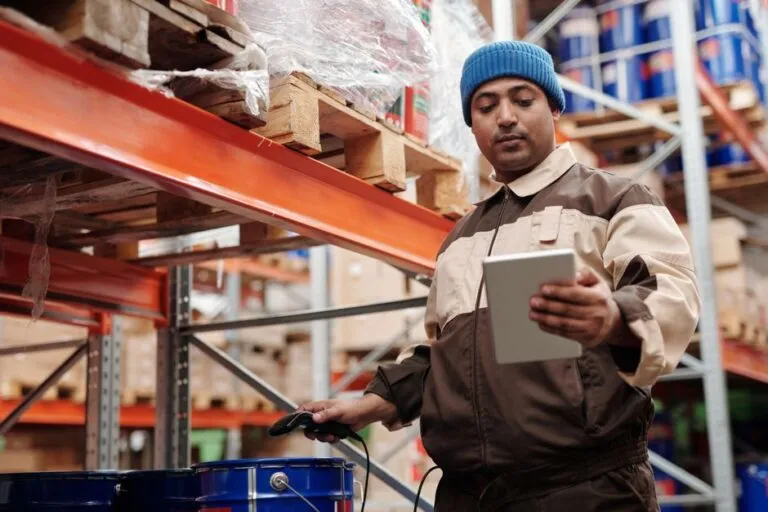
Handheld line-busting terminals are basically portable cash registers. They’re point-of-sale (POS) devices you can carry around, designed to speed up transactions in really busy spots. Staff can use them to take orders, process payments, and sometimes even send orders directly to the kitchen – all while guests are still waiting in line. This gets around that annoying bottleneck at the main counter.
They connect wirelessly to the park’s main POS system. Think robust touchscreens, barcode scanners, and card readers that handle all sorts of payment methods. The whole point is to “bust” those long lines, making them disappear faster.
How do handheld line-busting terminals make things run smoother?
The impact of handheld line-busting terminals on how a park runs is pretty amazing. Staff can talk to guests much earlier in the queue, getting orders and payments sorted even before they reach the main counter. This seriously cuts down on how long people spend waiting at the actual point of sale.
Transactions fly through. Since staff can process multiple orders from different spots in the line simultaneously, more customers get served in less time. That means concession stands can handle more business, especially during busy periods. Plus, orders are generally more accurate when entered directly into the system.

Do these terminals make customers happier?
Oh, absolutely. Handheld terminals totally change customer satisfaction. When wait times shrink, guests are happier — that’s a consistent finding in theme park surveys. They love the convenience and speed, which means more time having fun and less time standing around.
And paying quickly, often with just a tap, adds to that seamless feeling. Taking the frustration out of buying something makes guests feel much better about their whole park experience. Happy guests, naturally, are more likely to come back and tell their friends about their great time.
What’s the real money impact of handheld line-busting terminals?
The measurable impact of handheld line-busting terminals on how much money a park makes is huge. Cut those queue lengths, and you can serve more people during peak times. That directly means more sales of food, drinks, and souvenirs.
Analysts predict parks using these systems could see concession sales jump 15-20% by late 2026. Why? Fewer people give up on a purchase because the line was too long. Now, they’re more likely to finish their transaction. So, parks tap into revenue streams that were basically non-existent before. Better service also encourages guests to buy more throughout the day, boosting what each person spends.

Do staff benefit from these terminals?
Staff definitely see big benefits from handheld terminals. Managers can assign people more flexibly, sending them to different parts of a queue instead of tying them down to a static cash register. This makes better use of staff during busy or slow periods.
Employees also feel less stressed. They can proactively manage lines and get transactions done fast. Plus, training on these intuitive devices is usually super quick, so new hires get up to speed in no time. The whole process is smoother, reducing mistakes and letting staff focus on being helpful to guests, not just pushing buttons.
What tech considerations should parks keep in mind?
Putting handheld line-busting terminals in place needs some serious tech planning. You’ll need a super strong wireless network, like high-speed Wi-Fi 6 or 5G, to make sure service never drops, no matter where guests are in the park. These terminals have to stay connected to the main POS system for real-time inventory updates and transaction processing.
Integrating with your existing POS is another big one. The new mobile devices must talk nicely with all your back-end systems – inventory, accounting, loyalty programs, you name it. And data security? That’s non-negotiable. Everything needs end-to-end encryption and compliance with payment industry rules.

How do parks keep payment data secure on mobile POS?
Keeping payment data safe on mobile POS systems involves a few key steps. All information traveling between the handheld terminal and your main server must be encrypted using standard protocols. That keeps customer payment details safe from anyone trying to snoop.
Parks also have to be PCI DSS (Payment Card Industry Data Security Standard) compliant for all mobile payment processing. That means regular security checks, secure network setups, and strict access controls. Training employees on the best security practices and how to handle payment info safely is also crucial. You’ve got to cover all your bases.
What’s next for theme park queue management?
Queue management in theme parks keeps changing, and handheld line-busting terminals are just the start. We’re seeing more AI and predictive analytics come into play. These tools help parks guess when demand will be highest so they can put staff where they’re needed most. Expect even smarter staffing and queue strategies by 2027.
Personalized ordering is also getting big. Guests can pre-order food through apps and then just pick it up from a special queue. Often, these systems link up with handheld terminals for final payment or order checks. The goal is always a smoother, more personalized experience for every guest.

Can handheld terminals handle new payment methods?
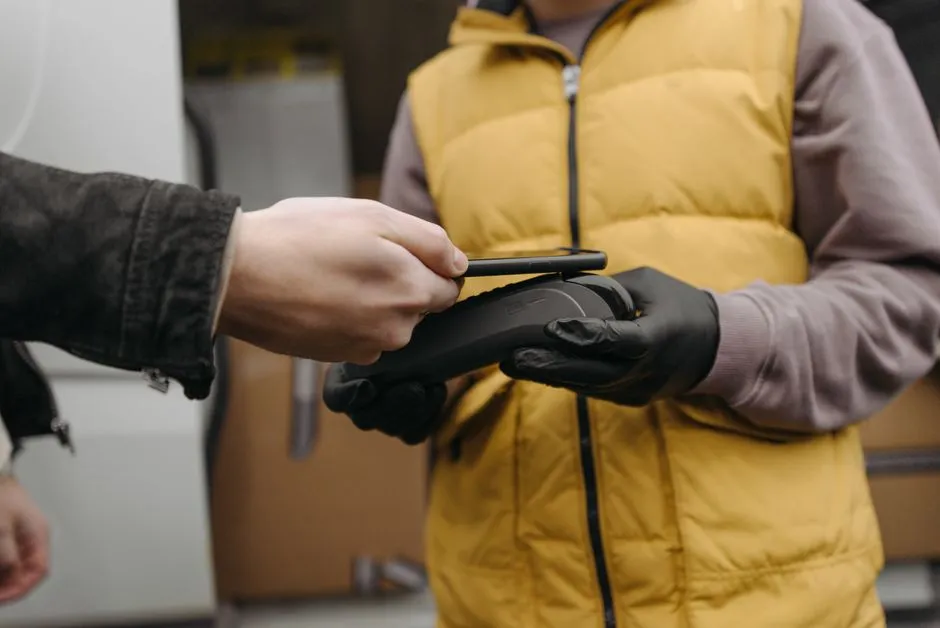
Yes, absolutely. Modern handheld terminals are built to be flexible and adapt to new ways of paying. Most current devices support NFC (Near Field Communication) for tap-to-pay, meaning they work with digital wallets like Apple Pay and Google Pay. So, guests can use their phones or smartwatches.
As biometric payments – like fingerprint or facial recognition – become more common, future terminals will likely just add these features. Their modular design often allows for easy software updates or even hardware add-ons. That means they stay relevant and flexible for theme park operations for a long time.
Frequently Asked Questions
What is line busting in a theme park?
Line busting means processing customer orders and payments away from a traditional counter, usually right in the queue. Mobile devices do the job, cutting down wait times and making everything more efficient.
How do handheld terminals improve theme park revenue?
Handheld terminals help parks make more money by speeding up transactions, letting them serve more guests. That means fewer people abandon purchases, and it often encourages impulse buys because paying is so quick and easy.
Are handheld POS systems secure for customer payments?
Yes, good handheld POS systems are very secure. They use strong encryption, comply with PCI DSS standards, and have solid network security protocols to protect sensitive customer payment data during transactions.
What types of payment do these terminals accept?
Most modern handheld terminals accept many payment types. You’ll find they take credit/debit cards (chip, swipe, and contactless), mobile wallets like Apple Pay and Google Pay, and sometimes even gift cards or special park payment tokens.
How difficult is it to train staff on handheld line-busting terminals?
Training staff on handheld line-busting terminals is usually quite simple. These devices are designed to be user-friendly, with intuitive interfaces that allow for quick learning and efficient operation with minimal instruction.