Quick answer: The impact of integrated scale hardware at the point of sale (POS) for bulk food markets? It’s huge. It completely changes how these places work, boosting efficiency, accuracy, and even how happy customers are. You see, it combines weighing, pricing, and transactions into one smooth process. So, workflows get simpler, errors drop, and you get real-time data – stuff that’s critical for managing inventory and making smart business moves. All of that means better profits and a much nicer shopping experience, well into 2026 and beyond.
Key Takeaways
- Integrated scale hardware speeds up everything, cutting down transaction times and labor costs in bulk food markets.
- You get much better accuracy in weighing and pricing. That means less lost money from mistakes and happier, more trusting customers.
- Real-time inventory data pops up, helping you manage stock better, waste less, and predict what customers will buy.
- Customers love the quicker service, clear pricing, and smoother checkout. That boosts their satisfaction big time.
- Today’s systems aren’t just scales; they come with cool features like touchscreens, label printing, and solid POS software hooks.
- Put simply, dropping in this integrated hardware gives you a great return on investment. It makes things way more efficient and slashes errors.
What is Integrated Scale Hardware and Why is it Essential?
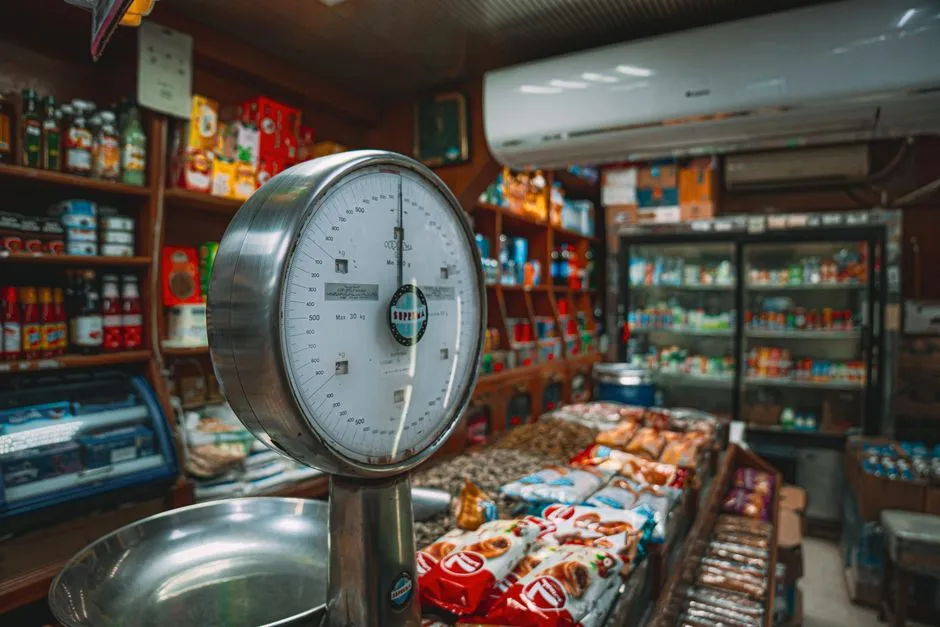
The impact of integrated scale hardware at the point of sale (POS) for bulk food markets is huge. It really shakes up how these businesses operate. Here’s how it works: integrated scale hardware means your weighing devices aren’t just sitting there by themselves. Instead, they’re directly hooked up to your market’s POS system, talking to it all the time. So, when a customer puts a bulk item on the scale, its weight zips straight to the POS software. No more typing it in by hand.
Back in the day, bulk food markets used standalone scales. Staff would read the weight by hand, then type it into a separate cash register. That two-step process? It was a magnet for human error, really slowed down transactions, and just made everything clunky.
This simplified way of doing things isn’t just nice to have; it’s a must for any bulk food market that wants to run smoothly and keep customers happy. It stops those annoying mistakes between the scale and the register, cuts down on training time for new hires, and just makes the whole checkout faster. Look, in today’s cutthroat retail world, accuracy and speed aren’t optional. They hit your store’s profits directly.
How Does Integrated Scale Hardware Enhance Operational Efficiency?
Integrated scale hardware makes operations way more efficient, and it does that by automating and streamlining tons of tasks inside bulk food markets. The biggest plus? You see a huge drop in transaction time at the checkout. Cashiers don’t have to type in weights by hand anymore; that data just zips across instantly. So, you’re saving precious seconds on every single item.
Now, those seconds might seem tiny, but they add up fast, especially when things get busy. And that means shorter lines and a much happier shopping trip for customers. Less manual input also means fewer chances for mistakes – like mixing up numbers or keying in the wrong price. Better accuracy directly translates to less money lost from undercharging. Plus, consistent, correct pricing builds serious customer trust.
What’s more, getting new staff up to speed becomes a breeze with integrated systems. You can quickly show employees how to weigh items and process a sale; they don’t need to memorize tricky PLU codes or complex manual steps. This simplicity means a more productive team and less time spent on training. So yeah, the impact of integrated scale hardware really touches every part of daily operations, making everything run so much smoother.
What are the Benefits for Customer Experience?
Customers just love how integrated scale hardware makes their shopping experience better. Faster checkout lines? That’s probably the first thing they notice, cutting down on wait times and frustration. And shoppers definitely appreciate quick, efficient service, especially when they’re buying a bunch of bulk items.
Accurate pricing is another big perk, and it really builds customer trust and loyalty. When the POS shows a price that perfectly matches the weight, customers feel good – they know they’re being charged fairly. That kind of transparency stops arguments at the register cold, making for a much nicer, smoother interaction. Plus, fewer errors mean nobody’s getting overcharged or undercharged. It’s just fair for everyone.

What Are the Key Features of Modern Integrated Scale Hardware?
Today’s integrated scale hardware packs a ton of features, all built to supercharge efficiency and accuracy in bulk food markets. We’re talking high-precision weighing mechanisms as standard, which means measurements are spot-on, right down to the tiniest bit. And these scales get calibrated to tough industry standards, guaranteeing you get rock-solid data transmission.
The real heart of it all is that POS software integration. It creates a smooth data flow between the scale and your market’s sales system. This hook-up lets you do real-time price lookups, automatically deduct tare weights for containers, and instantly calculate total costs. Plus, a lot of the newer models come with super easy-to-use touchscreen interfaces. That makes things simpler for your staff and often gives customers a clear display to see what’s going on.
Many systems also have label printing built right in, or you can easily add it on. So, staff can print price and weight labels directly from the scale for pre-packaged bulk items. This really streamlines how you merchandise and makes sure everything looks consistent across the store. And these aren’t flimsy machines either; they’re usually built tough, designed to handle the heavy use of a busy retail spot. That means they’ll last ages, giving you consistent performance for years beyond 2026.
How Does Integration Improve Inventory Management?
Integrated scale hardware completely transforms inventory management. It gives you real-time data about what’s moving. Every sale that goes through the integrated system updates your inventory levels right then and there. So, market managers get an exact, minute-by-minute look at stock. That lets you order new product before you run out, not just react when shelves are empty.
Less waste? That’s a direct payoff from better inventory tracking. You’ll know exactly how much of each bulk item sells, which means markets can order smarter. That cuts down on spoilage and keeps you from having too much stuff sitting around. And this data isn’t just about what’s happening now; it also helps you predict future sales. So, you can figure out upcoming trends and adjust your stock levels perfectly. Also, less shrinkage – that’s often from wrong weights or bad counts – means more protected profits. And that’s always good.

What Financial Impact Does Integrated Scale Hardware Have on Bulk Markets?
The financial impact of integrated scale hardware on bulk markets is seriously good. You’ll see big returns coming in from several directions. For starters, fewer manual entry errors mean fewer money mistakes. No more undercharging because someone typed in the wrong weight – your revenue’s safe. And the system also stops overcharging, which protects your customers’ happiness and your market’s reputation. So, fewer potential chargebacks or complaints to deal with.
Then there’s the boost in sales during busy times, which means more money coming in. Shorter lines and quicker service let you serve more customers in the same amount of time, really making the most of those peak hours. Plus, all that efficiency means lower labor costs. Your staff can ring up more sales or you can move them to other important jobs, instead of having them fix mistakes or manually enter data.
And looking long-term, the return on investment (ROI) for integrated scale hardware is pretty impressive. Beyond just saving money right away and boosting sales, these systems churn out super useful data for business analysis. You get detailed sales reports – by weight, by product type – and that helps you make smarter buying decisions, build better merchandising plans, and just earn more profit overall, heading into 2027 and well past it. Oh, and it automatically handles all those weights and measures regulations, so you’re looking at fewer legal headaches and simpler audits.

Considering the Future: Trends in Scale Hardware Integration
So, what’s next for integrated scale hardware in bulk food markets? The future looks promising, with some really cool trends coming up. Artificial intelligence (AI) and machine learning (ML) are starting to show up, making things even more accurate. They might even identify produce quality or automatically sort items just from their look and weight. Think about it: this could automate checkout even further, especially for stuff without barcodes.
Cloud-based data analytics will become super common, letting market owners peek at all their sales, inventory, and operational data from anywhere they want. This gives them a much clearer picture of how the business is doing. And that means they can make smart decisions based on hard facts – things like pricing strategies or staff schedules will get way better. Plus, security features are always getting stronger, designed to protect sensitive transaction data and stop any tampering.
And we’ll see more and more self-service options, letting customers weigh and label their own bulk purchases before they even get to the checkout. That cuts down on labor costs even more and makes things super convenient for shoppers. All these cool steps forward? They’re just going to cement integrated scale hardware as a key piece of running efficient, customer-focused bulk retail, well into 2028 and beyond.

Frequently Asked Questions
What is the typical lifespan of integrated scale hardware?
Integrated scale hardware is usually built tough for busy retail spots. You can expect it to last somewhere between 5 to 10 years, assuming you keep up with proper maintenance and calibration. That durability means reliable performance for your bulk food market over the long haul.
Can integrated scales be connected to any POS system?
Most modern integrated scales can connect to a bunch of different POS systems, but you should always double-check. It’s smart to confirm compatibility. Vendors usually have lists, or they’ll tell you which popular retail POS software their solutions work seamlessly with.
How often do integrated scales need calibration?
You should calibrate integrated scales regularly – usually once or twice a year. It really depends on your local rules and how much you use them. But sticking to routine calibration ensures they stay accurate and meet all the legal weighing standards.
Do integrated scales handle tare weight automatically?
Yep, that’s one of the best things about integrated scale hardware! It can automatically subtract tare weight. It does this either by using pre-programmed container weights or with a quick manual tare function. That way, customers only pay for the product itself.
What happens if the network connection to the POS system goes down?
Most modern integrated scale hardware has a backup plan. It can switch to a standalone mode. So, even if the network crashes, you can still process transactions, just manually. That minimizes disruption when you hit an outage.
Are integrated scales more expensive than standalone scales?
Upfront, integrated scales might cost a bit more than simple standalone models. That’s because they’ve got advanced features and connectivity. But think about the long run: all the money you save from better efficiency, fewer errors, and great data often means a significant return on your investment. So, they usually pay for themselves.