Quick answer: Self-service check-in kiosks really change how hotels manage their people. They cut down the need for old-school front desk staff. Instead, hotels can put those team members into roles that make guest experiences way more personal. These kiosks handle the everyday grind, so hotels run smoother, and their staff can focus on things that truly add value. Ultimately, that means happier guests and a healthier bottom line for the hotel industry.
Key Takeaways
- Self-service check-in kiosks drastically cut down on routine front desk work, meaning less reliance on staff for those tasks.
- Staff get to move from basic transaction handling to helping guests in more personal, supportive ways.
- Kiosks make things run much smoother, saving money and speeding up service.
- But watch out for challenges: the initial cost and making sure the tech always works are big ones.
- More and more guests are happy to use them, especially for the convenience and contactless options.
- Looking ahead to 2026 and beyond, expect AI and advanced mobile tools to reshape hotel operations even further.
The impact of self-service check-in kiosks on the hotel industry is huge. They’re totally changing how properties handle guest arrivals and staff. These aren’t niche gadgets anymore; they’re mainstream tech, offering a super-smooth, efficient alternative to the old front desk setup. You see them everywhere now, and that just shows how much the industry values automation and giving guests more control.
Hotels are always looking for ways to cut costs and make guests happier at the same time. Well, self-service kiosks hit both those targets dead-on. By automating check-ins and outs, hotels can really rethink how many people they need and what those front-of-house jobs actually look like. It’s a big shift.
How Do Self-Service Check-In Kiosks Work?
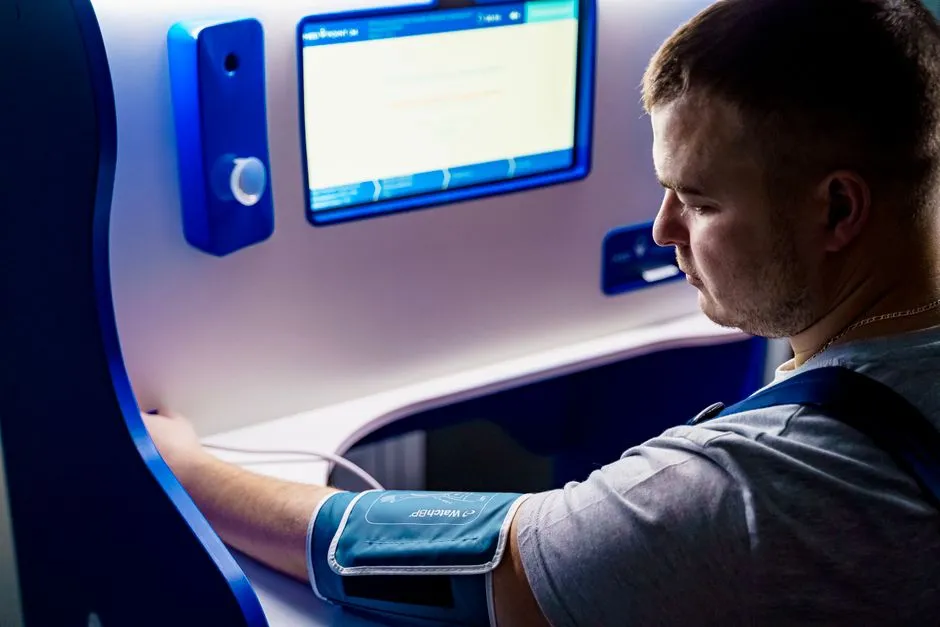
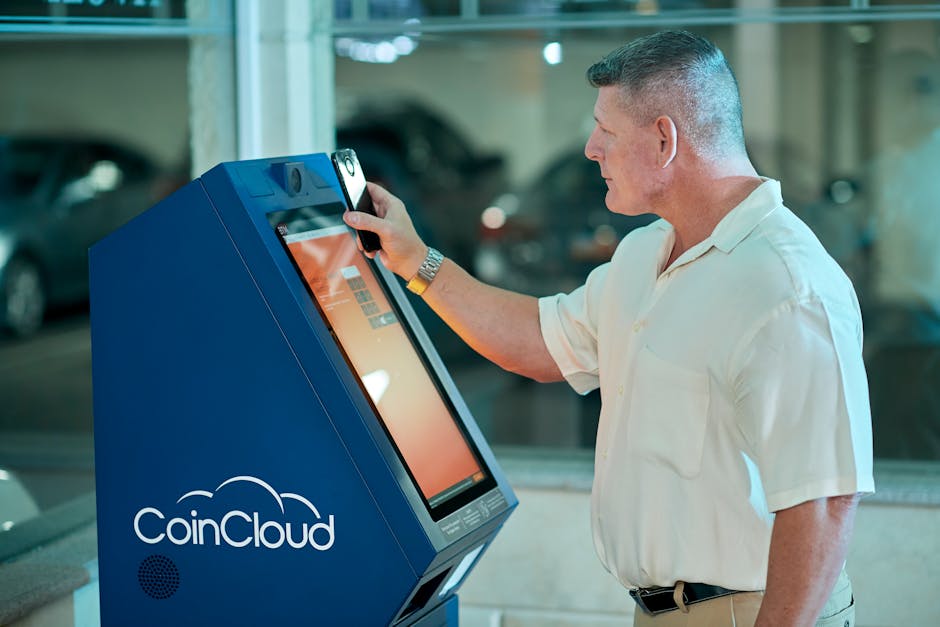
So, how do these things actually work? Think of self-service check-in kiosks as automated stations. Guests can handle their own arrival and departure without needing to talk to hotel staff directly. You’d typically punch in a booking reference, scan a QR code, or use your loyalty program details to get started. From there, the kiosk checks who you are, gives you a room, takes your payment, and spits out a key card. Simple, right?
But there’s more. These systems usually hook right into the hotel’s Property Management System (PMS). That means they’re always up-to-date on what rooms are free and who’s coming and going. The fancier kiosks can even let you upgrade your room, give you tips on local sights, or connect you with a virtual concierge if you have questions. All this tech really speeds up check-in, cutting down on those long lines during busy times.
What’s the Impact of Self-Service Check-In Kiosks on Staffing Needs?
The biggest, most immediate impact of self-service check-in kiosks for hotels? It’s how much less traditional front desk staff they need. Since these kiosks take care of all the transactional stuff—you know, the actual checking-in and checking-out—hotels have a choice. They can cut back on staff dedicated just to those tasks, or, more often, they reassign them to jobs that add real value. This isn’t about firing people; it’s about using your team smarter.
Come 2026, loads of hotels expect to have completely rethought their staffing because of kiosks. The whole focus shifts away from boring, repetitive admin work. Instead, staff get to be more proactive, building relationships with guests and offering personalized help. That kind of smart reallocation often means happier employees, too, because they’re doing more meaningful work. And for guests? They get a much more memorable stay.
Streamlining Guest Arrival
Kiosks just naturally make guest arrivals smoother. They chop down those bottlenecks that used to force hotels to have several front desk agents on duty. Guests can zip through check-in in mere minutes, totally skipping potential queues and cutting down on wait times. That efficiency? It’s a lifesaver, especially during peak hours, and it makes guests a lot happier.
Automating those repetitive, ho-hum tasks really frees up your staff. Instead of just processing paperwork, they can now jump in for trickier questions or give specialized help to guests who just need a human. And that means a much calmer, less stressful start to someone’s stay. Nobody wants to wait in line after a long journey, right?
Shifting Labor Allocation
So, what happens to the front desk team? Instead of just standing behind a counter, they can become “lobby hosts” or “guest experience specialists.” Think about it: these folks can genuinely greet guests, help with bags, suggest awesome local spots, or jump in to sort out any problems a kiosk can’t handle. It’s a massive move away from just processing transactions and towards building real relationships.
This new way of using staff means human interaction happens where it truly matters. You get better service quality, and the hotel feels much more personal. Staff aren’t just processing info; they’re becoming proactive problem-solvers, making the guest’s whole journey better. And that’s good for everyone: staff feel more valued, and guests have a better time.
What’s In It for Hotels That Adopt Kiosks?
Okay, so adopting self-service check-in kiosks brings a ton of perks for hotels. It’s not just about cutting down on staff. We’re talking about things like smoother operations, happier guests, and some serious money saved. Hotels integrating this tech are actually seeing real, measurable improvements across the board.
Kiosks speed up service and help you place your staff exactly where they’re most needed. So, yes, they’re turning out to be a smart, strategic investment for today’s hospitality businesses. They let hotels keep up with what guests expect these days, and that helps them stay competitive in a constantly changing market. The good stuff from this tech? You see it right away, and it lasts.

Enhanced Operational Efficiency
Here’s a big one: kiosks work around the clock, 24/7. They don’t need breaks, don’t take sick days, and certainly don’t ask for overtime. That means guests get consistent service whenever they arrive or leave. This constant availability really boosts how quickly check-ins and check-outs happen, especially late at night or super early when you might have fewer staff on duty. And because you’re not relying so much on manual work, there are fewer mistakes, and administrative tasks get done way faster.
Think about it: industry data from hospitality tech firms, even looking ahead to 2026, already shows hotels with kiosks reporting check-in times up to 30% faster than the old ways. That kind of efficiency directly translates into guests moving through the lobby smoothly, and it takes a lot of pressure off your team. Plus, it means every guest gets the same reliable, speedy service, every time.
Improved Guest Experience
Modern guests? They’re all about convenience, speed, and feeling in control of their trip. And self-service kiosks deliver exactly that. Most travelers love being able to skip the lines and check themselves in fast and privately, particularly after a long flight or drive. Giving them the choice to self-serve makes them feel empowered, meeting that need for independence.
But that’s not all. When your staff aren’t stuck doing basic transactions, they can focus on what really matters: meaningful interactions. That can seriously bump up the service quality. Guests get more thoughtful, personalized help when they actually need it, which makes them feel truly cared for by the hotel. It’s this blend of smart automation and that essential human touch that really creates a stand-out experience.
Cost Reduction and ROI
Sure, you’ve got an upfront cost for the kiosk tech. But don’t let that scare you; the long-term savings can be huge. Think about it: needing fewer front desk staff, especially overnight or during slow times, directly slashes your labor costs. This means hotels can put their money and people where they’ll do the most good, leading to a much healthier bottom line.
And here’s a bonus: kiosks aren’t just about saving money; they can make it too! You can program them to upsell things like room upgrades, breakfast packages, or spa treatments, bringing in extra revenue. Some research, even looking to 2026, points to hotels often seeing their investment back within 18 to 24 months. So, yeah, putting in kiosks is a smart financial move. Those operational savings really do blow the initial setup costs out of the water over time.
What Challenges Come with Kiosk Implementation?
Okay, so even with all those benefits, putting in self-service check-in kiosks isn’t always smooth sailing. Hotels really need to think through a few things if they want the integration to work well and get their money’s worth. Tackling these issues head-on is super important for guests to actually use them and be happy.
You’ve got a lot to consider: the upfront cost, then the constant need for technical help, and probably the biggest one, making sure guests actually like using them. Each of these takes careful planning. But if you can get past these hurdles, you’ll really see the full power of automated check-in. Just know that hotels have to be ready to invest in both the tech and training their staff.
Initial Investment Costs
Let’s be real: buying and setting up kiosks costs money. It can be a pretty hefty sum, especially for smaller, independent hotels. We’re talking about the actual machines, the software licenses to run them, and then getting them to talk to your existing property management system. Sometimes, those big upfront costs make hotels hesitate, even when they know the long-term benefits are there.
So, you’ve got to do your homework. Hotels absolutely need to run solid cost-benefit analyses to really grasp the potential return on investment and figure out how it fits into their budget. Looking into leasing the equipment or trying a phased rollout can definitely ease that initial financial strain. Remember, you’re not just buying equipment here; you’re investing in a whole new way of running your hotel.
Technical Support and Maintenance
For these kiosks to actually work, you need rock-solid technical support and consistent maintenance. I mean, if something goes wrong—a payment error, a key card glitch—guests get annoyed fast, and you’re right back to needing a human anyway. That pretty much defeats the whole point of automation. And trust me, any downtime really hurts guest satisfaction.
So, hotels absolutely need strong IT systems and support contracts that actually respond quickly when things break. Regular software updates and preventative check-ups aren’t just nice-to-haves; they’re vital for keeping everything running smoothly and securely. A smart, proactive approach to maintenance will head off problems before they start, ensuring guests have an easy, seamless experience.
Guest Adoption and Preference
Here’s a key point: lots of guests love self-service tech, but a good chunk still prefer the old-fashioned human touch for check-in. That could be older folks, people who aren’t comfortable with technology, or just guests who want a more personal welcome. Hotels really can’t afford to alienate any of their customers, so they’ve got to cater to everyone’s preferences.
How do you encourage more people to use kiosks? Make sure there are super clear instructions, offer multiple languages, and always have staff nearby who can step in to help. But the best bet? Keep both options open—traditional front desk service AND self-service. That way, every guest feels comfortable and well-looked after. It’s all about making it easy to use and accessible for everyone.
What’s the Impact of Self-Service Check-In Kiosks on Employee Roles?
The impact of self-service check-in kiosks isn’t just about cutting staff numbers; it fundamentally changes what it means to work on the front lines of a hotel. It’s not about replacing people entirely. Instead, this tech often means existing employees get to learn new skills and take on different responsibilities. The whole job shifts towards solving trickier problems and building stronger relationships with guests.
And that’s a good thing! Employees get to tackle more important tasks that truly make a difference for guests. This evolution in their roles can actually lead to them feeling much happier at work and finding new paths for their careers. So, when hotels invest in kiosks, they’re also investing in their own team, opening up new ways for them to grow.

Upskilling and Cross-Training Opportunities
Since kiosks are taking care of all the routine transactions, your current front desk team can totally level up. They can learn to handle those really tricky guest requests, sort out complex problems, or even train in other areas like concierge services or guest relations. This builds a much more adaptable and skilled workforce. But to make this shift happen, solid training programs are an absolute must.
When you invest in training your employees, you’re not just helping them grow professionally. You’re also making sure they can actually support this new automated setup. Staff become much more valuable to the hotel because they can tackle so many different situations. It’s a smart investment in your people, and it definitely pays off big time in the quality of your service.
Focusing on Personalized Service
Once staff are free from the grind of endless check-in tasks, they can really dedicate themselves to giving truly personalized service. We’re talking about anticipating what guests need, suggesting just the right things for them, and building a real connection. These human-to-human interactions are absolutely vital for making a stay memorable and encouraging guests to come back again and again.
And that’s how hotels can stand out! They can offer a level of personal care that no automated system can ever copy. Staff get to be genuine hospitality ambassadors, focusing on the feelings and overall experience of a guest’s stay. The human touch? It’s still priceless, but now it’s used in much smarter, more impactful ways.
What’s Next for Hotel Self-Service Technology?
The world of hotel self-service tech is nowhere near done evolving. Seriously, prepare for some amazing innovations coming our way from 2026 and beyond. We’re talking even deeper integration of artificial intelligence and mobile solutions, which means guest journeys will become even smoother and more personal. These leaps in tech will totally reshape how hotels run.
Hotels are going to lean heavily on data and smart tech to guess what guests need before they even ask, offering truly custom services. The goal? To build an environment that’s even more intuitive and efficient for everyone—guests and staff alike. The future isn’t about robots taking over; it’s about smart automation working hand-in-hand with human expertise.

AI and Personalization
AI is about to become a huge deal for self-service kiosks. It’ll give them predictive personalization powers. Imagine this: an AI-driven kiosk could look at your past stays, suggest the perfect room type or services just for you, and even answer tricky questions in any language. That’s taking personalization to a whole new level.
And by 2026, expect AI to let kiosks do things like update prices on the fly, handle loyalty rewards super efficiently, and even spot smart upsell chances based on live data. This won’t just be a good experience; it’ll be a truly bespoke one for every single guest, making them happier and bringing in more money. Basically, AI is turning these kiosks into smart, virtual concierges.
Mobile Integration and IoT
Get ready for mobile tech and the Internet of Things (IoT) to really turbocharge the self-service experience. Guests will soon be able to start their check-in on their phone before they even arrive, then use that same phone as their room key, and even tweak things like the room temperature or lights through integrated apps. Your smartphone? It’s going to be the ultimate remote control for your whole hotel stay.
Picture this: IoT-enabled kiosks will actually ‘talk’ to smart rooms. So, when you check in, your room automatically adjusts the temperature, lighting, and entertainment to exactly how you like it. This creates a totally connected, super-easy experience from the moment you book until you leave. Mobile integration just makes everything simpler, putting all that control right in your hand.
Frequently Asked Questions
Do self-service check-in kiosks completely replace front desk staff?
Nope, not entirely. Self-service kiosks absolutely cut down on the number of staff needed for everyday tasks, but they don’t get rid of people. Instead, hotels move their human staff to provide more personalized service, tackle trickier problems, and generally make the guest experience better.
Are guests generally accepting of hotel self-service kiosks?
Yep, most guests are pretty keen on self-service kiosks, and that number keeps growing. Especially tech-savvy travelers—they love the speed and convenience. Usually, hotels use a mix of both kiosks and traditional front desks to make sure everyone’s happy.
What are the main cost benefits for hotels implementing kiosks?
The big cost benefits boil down to a few things: lower labor costs, super efficient operations, and the chance to make more money by upselling. Kiosks really do offer a solid return on investment over time because they streamline so many processes.
How long does it take for a hotel to see ROI from self-service kiosks?
Most hotels typically see their return on investment (ROI) from self-service kiosks within 18 to 24 months. That’s largely thanks to saving on labor and running things more efficiently. But keep in mind, this timeline can change depending on how much they initially spent and the size of the property.
Can self-service kiosks handle complex guest requests?
Kiosks are fantastic for basic check-ins and outs. But for really complicated guest requests or unusual situations, you’ll generally still need a human to step in. That said, we expect future AI integration to seriously boost their ability to handle these kinds of things by 2026.